





Traditional Seascape Artwork
Traditional seascape artwork captures coastal views, maritime shipping, and harbour life through historic painting traditions.
Traditional Seascape Artwork
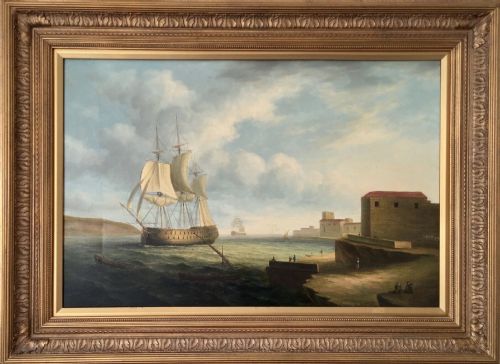
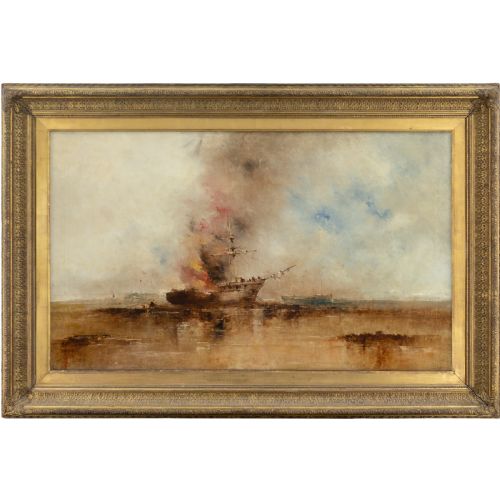
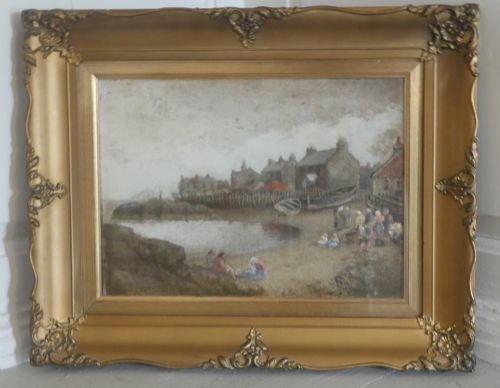
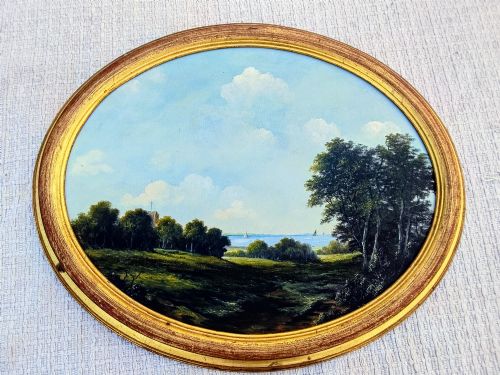
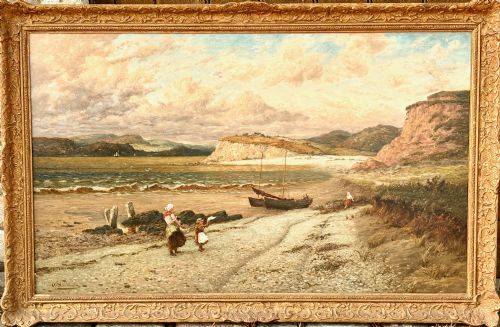
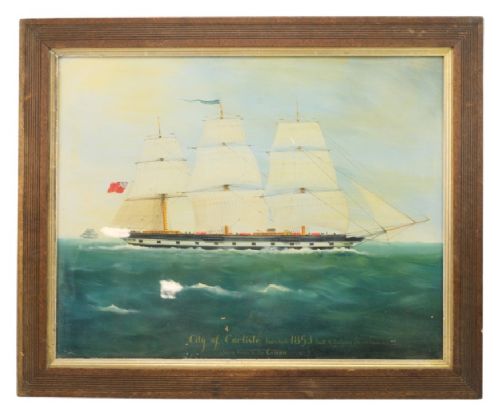
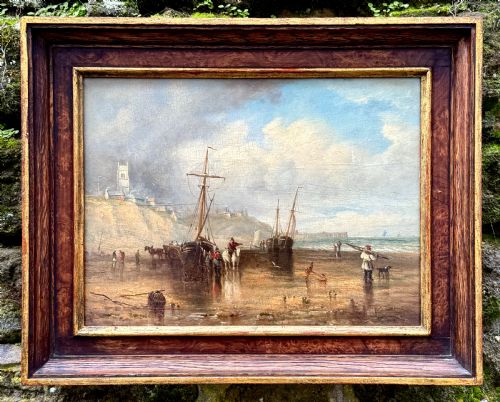
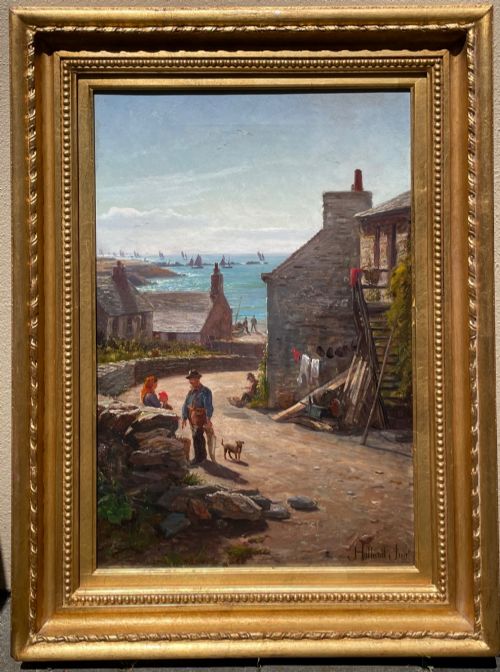
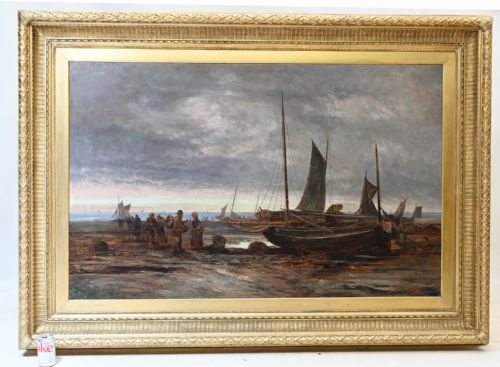
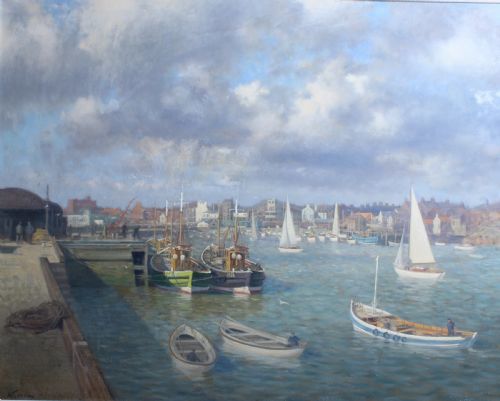
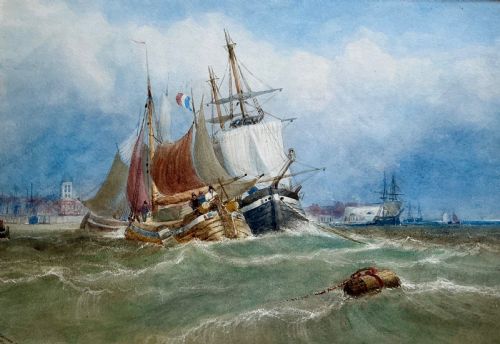
Traditional seascape artwork records maritime scenes, coastal views, and harbour activities spanning the nineteenth century and the Victorian period. These paintings document historic vessels, coastal settlements, and sea battles using established academic or impressionistic approaches.
The most common pieces on this page are oil paintings on canvas or panel, alongside watercolour paintings on paper. Subjects range from dramatic shipwrecks and naval engagements to calm Cornish harbours and Venetian lagoons.
Works originate primarily from British and European schools, depicting specific locations such as the Isle of Man, St Ives, and various international waters. Buyers encounter both signed works by known artists and pieces attributed to regional English schools.
How they were made
Painters applied oil paint or watercolour onto prepared supports such as canvas stretched over wooden frames, wooden panels, or heavy paper. Pigments were layered to capture the shifting colours of water, sky, and atmospheric light.
Framing forms an integral part of the physical object, utilising gilded wood, giltwood, or plain wood frames that protect the edges and complement the period aesthetic of the painting.
Listings feature works created across the nineteenth and twentieth centuries, spanning the Victorian era up to 1960.
What varies in quality
Quality rests upon the artist's ability to render the movement of water, the rigging of vessels, and the play of light across the sea. Skilled handling of perspective and atmosphere distinguishes accomplished academic or impressionist works from standard decorative pieces.
Condition and originality also determine merit, particularly the stability of the paint layer on canvas or board and the retention of period gilt wood frames. Clear attribution to a documented artist or a verifiable geographic location adds substance to a painting.
James Hardy·William McAlpine·Edward Mills·William Banks Fortescue·Thomas Creswick·John Holland·Walter Goodin·Henry Barlow Carter·William Edward Webb·Stanley Leader·George Shaw·John McDougal·Hendrik Willebrord Jansen·John Bell·James Webb·John Douglas Perrett·Dion Pears·Ernest F Hill·Jane Vivian·Alfred Henry Vickers·George Henry Knight·Thomas Rose Miles·Marie Edouard Adam·John Callow
The Traditional Seascape Artwork Glossary
- Oil on Canvas
- Pigment mixed with drying oil applied to a woven fabric support. This combination allows for rich colour depth and textured brushwork.
- Gilt Wood
- Carved wood treated with gold leaf or metallic gilt finish. It provides an ornate border that defines the visual boundary of the painting.
- Watercolour Painting
- Pigments suspended in a water-soluble vehicle applied to paper. This medium produces transparent washes and delicate atmospheric effects.
- Panel
- A flat piece of wood used as a rigid painting surface instead of canvas. Artists frequently utilised panels for smaller or earlier works.
Traditional Seascape Artwork: Frequently Asked Questions
What subjects appear in traditional marine paintings?
These works depict sailing ships, harbour scenes, lighthouses, and coastal cliffs. Scenes range from busy fishing ports to open sea battles.
Artists recorded specific locations across Britain and Europe, capturing the daily labour of fishermen alongside historical naval events.
How do I date an antique seascape painting?
Dating relies on stylistic clues, clothing styles of figures on the shore, and the type of vessels shown. Frame construction and canvas stamps also offer chronological markers.
Nineteenth-century works often feature detailed rigging and Victorian realist techniques, while later pieces adopt looser impressionist brushwork.
Where should I hang an oil painting?
Display paintings away from direct sunlight and damp environments to protect the canvas and pigments. Stable room temperatures prevent the wooden stretcher and frame from warping.
Matching the scale of the wall art to the room ensures the heavy gilded wood frames receive adequate visual space.
What is the difference between watercolour and oil?
Oil paintings utilise thick, opaque pigments on canvas or panel, offering deep textures and rich colour blending. Watercolours use translucent washes on paper, creating lighter, more luminous effects.
Oils traditionally occupied larger formats for dramatic coastal scenes, while watercolours captured immediate topographical details.