


Traditional Portrait Artwork
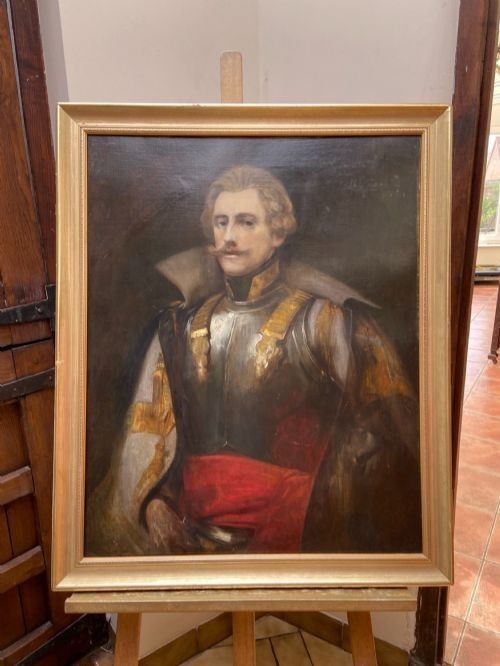
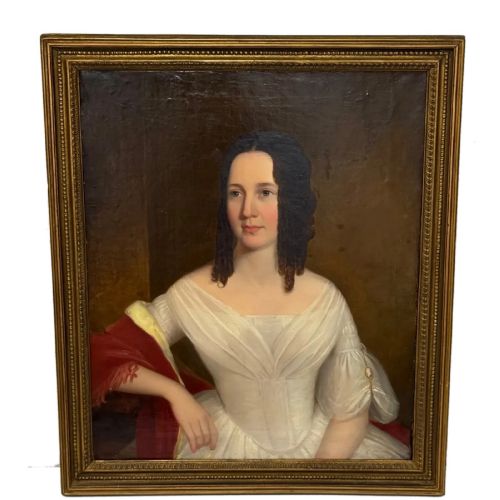
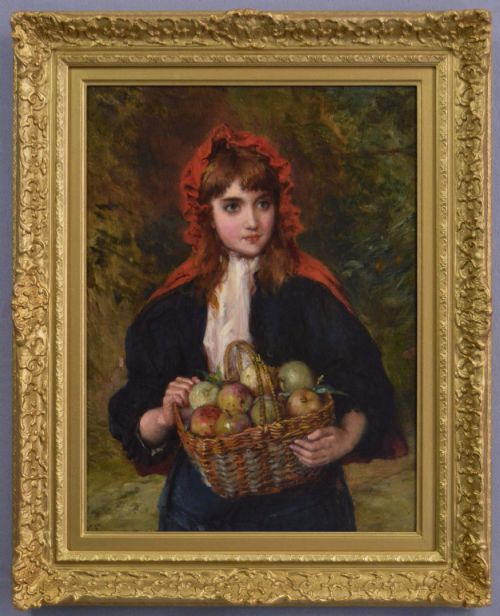
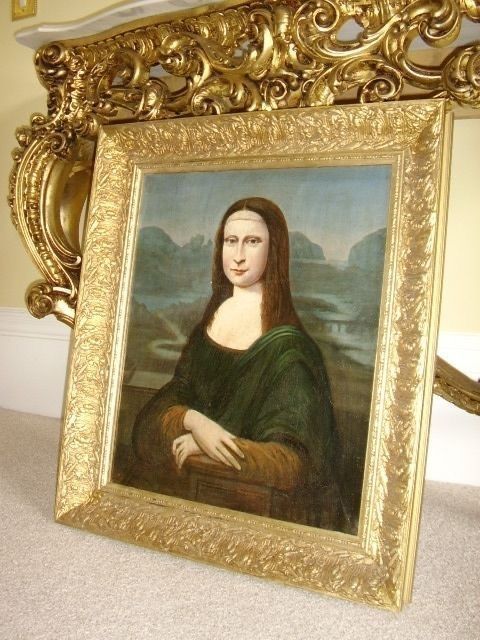
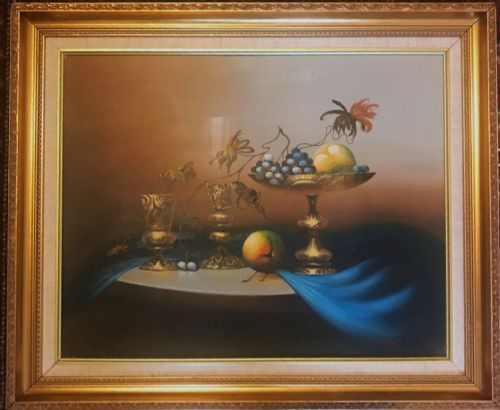
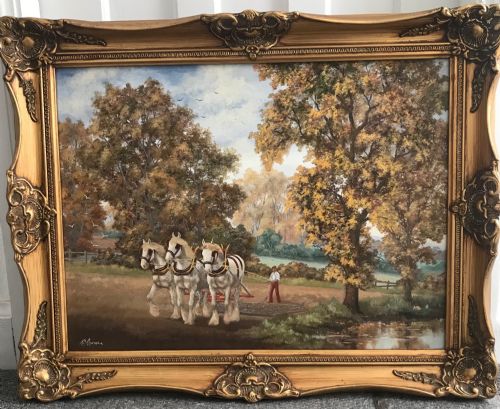
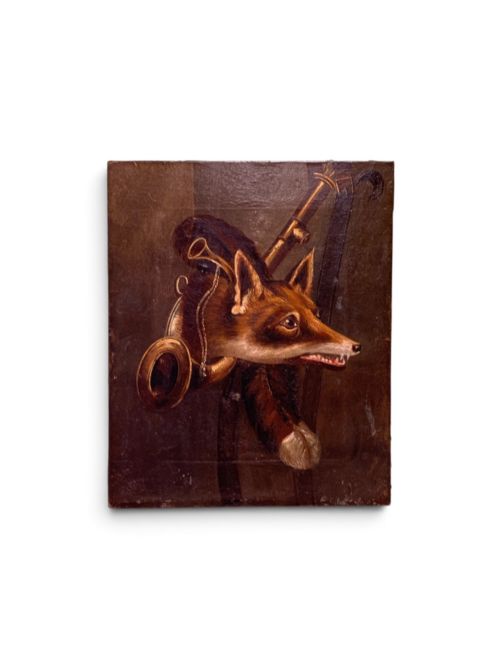
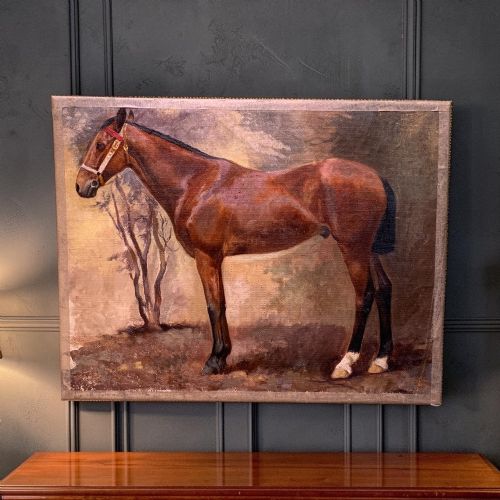
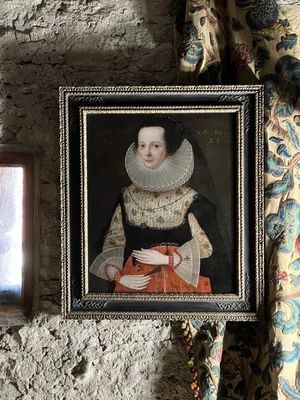
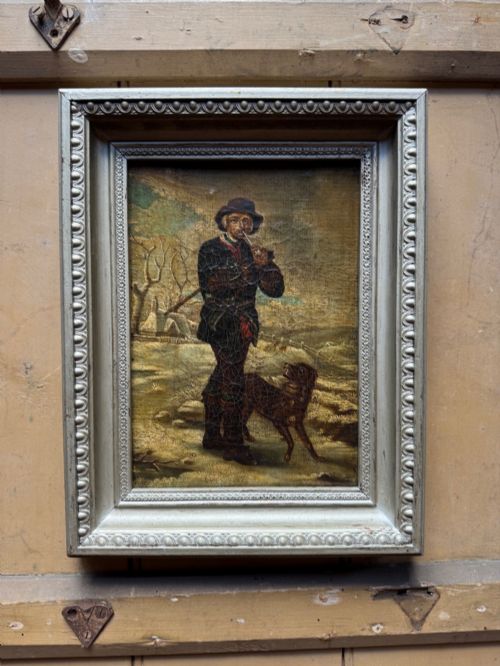
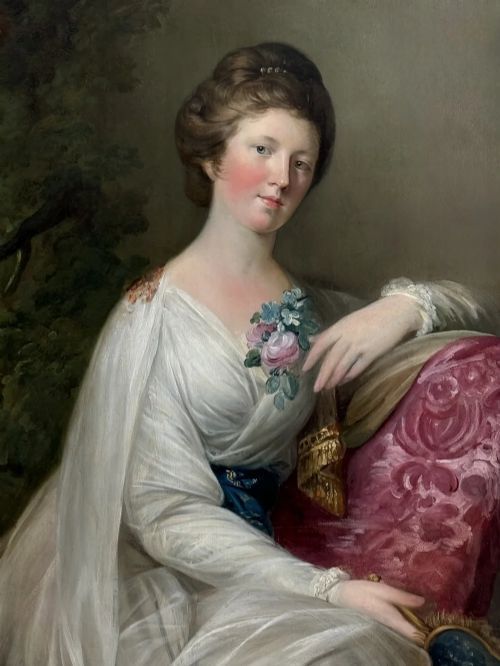
Traditional portrait artwork captures historical likenesses and animal studies on canvas and panel through oil paint, framed in giltwood.
Traditional Portrait Artwork
Traditional portrait artwork encompasses oil paintings, panels, and prints depicting human subjects, noblewomen, officers, and animals from the 17th century through the Edwardian period. Buyers encounter Georgian and Victorian depictions of gentlemen, children, and prize livestock alongside sporting and marine subjects.
The selection ranges from British and European school oil paintings on canvas to framed mezzotints and prints executed after earlier masters. These pieces reflect historical periods including the 18th century, Victorian era, and early 20th century.
Materials and construction
These works rely on oil paint applied to canvas, wood panels, or board supports, utilising pigments layered to build depth in human and animal subjects. Many pieces incorporate gold leaf or giltwood frames that complement the painted surface.
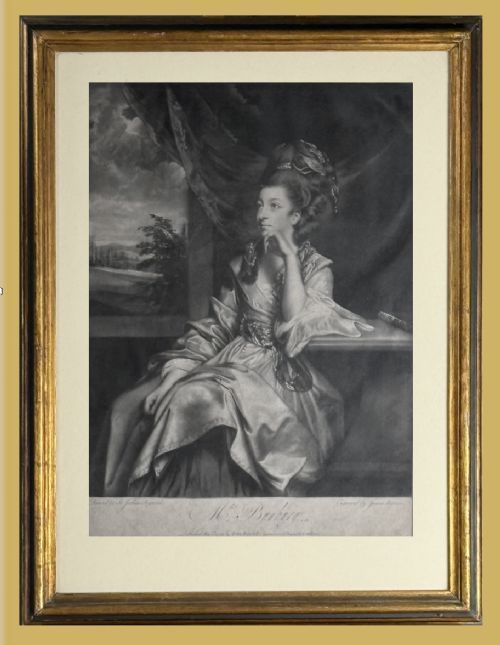
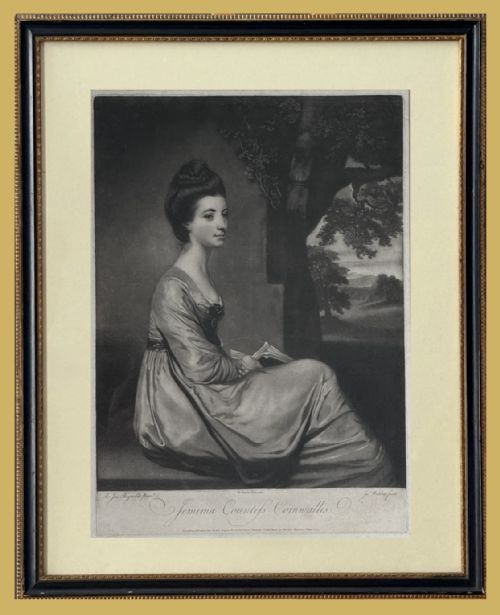
Printmakers employed techniques such as mezzotint to reproduce works by artists like Sir Joshua Reynolds on paper supports. Canvas stretched over wooden frames remains the primary physical foundation for the oil paintings in this category.
Traditional Portrait Artwork Retail Price Guide 2026
Typical asking prices for traditional portrait artwork among the pieces listed under this phrase on Sellingantiques today, from the lower quarter to the upper quarter. They describe what is for sale here now, not the wider market.
Periods represented span from the 16th century through the 1960s, with a strong concentration of 19th-century works.
Assessing quality in portraits
The integrity of the physical support and the preservation of the original paint layer influence the standing of a piece. Original giltwood frames matching the period of the artwork add considerably to the cohesion of the object.
James Hardy·William Oliver·Jozsef Molnar·George Willison·James Watson·Sir Joshua Reynolds·Reginald Arthur Borstel·Albert Clark·Howard Helmick·Max Kaltenmoser
The Traditional Portrait Artwork Glossary
- Oil on canvas
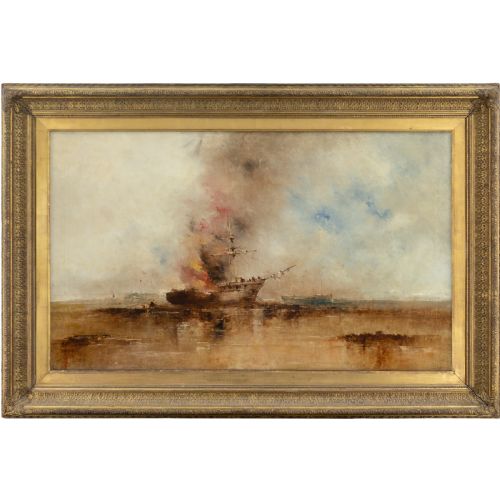
- Pigment mixed with drying oil applied to a woven fabric stretched across a wooden frame. This medium allows for rich blending of tones and durable preservation over centuries.
- Mezzotint
- A printmaking process of the intaglio family where the plate is roughened to produce dark tones and scraped to create light areas. It permits fine tonal gradations suited to portrait reproduction.
- Giltwood
- Wood, typically carved timber, coated with gold leaf or gold paint. Frames of this material are frequently paired with traditional oil paintings.
- Panel painting
- A painting executed on a flat piece of wood rather than stretched fabric. This rigid support was common in earlier centuries before canvas became dominant.
- British School
- A designation for works produced by artists working in Britain or following British artistic traditions. It groups unattributed or collaborative pieces from specific historical eras.
Traditional Portrait Artwork: Frequently Asked Questions
What periods do these portraits cover?
The listings span several centuries, starting from the 17th century and moving through the Georgian, Victorian, and Edwardian eras. Later pieces extend into the mid-20th century.
Most items originate from the 19th century, reflecting shifts in British and European portraiture and animal painting.
How do I identify animal portraits?
Animal subjects in this category include horses, hunting dogs like spaniels, prize cattle, and racing pigeons. Artists often recorded specific animals for owners.
These works share the canvas or panel format and oil medium of human portraits, frequently originating from the Victorian sporting tradition.
Are these paintings supplied framed?
Many oil paintings and prints arrive in period frames, including giltwood and gold leaf examples. Frames often match the era of the artwork itself.
Buyers should examine listing details to confirm whether a specific frame is original to the piece.
What is the difference between an oil and a print?
Oil paintings feature hand-applied pigment on canvas, wood, or board, showing tangible brush texture and layering. Prints, such as mezzotints, transfer ink onto paper via a prepared plate.
Both formats appear in traditional portrait artwork, representing different tiers of artistic production and reproduction.