
Traditional Pine Seat
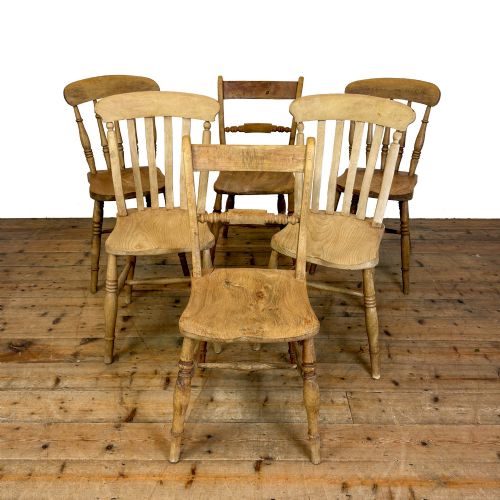
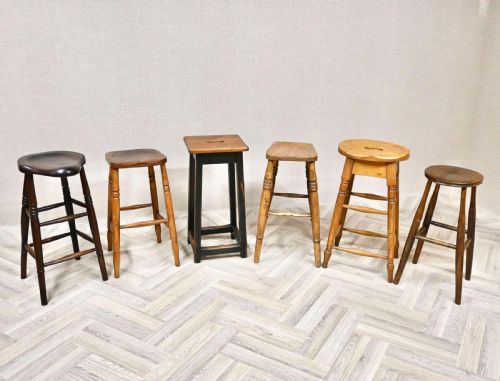
A traditional pine seat brings honest utility and enduring warmth to a room, offering everything from long settles to simple vernacular stools.
Traditional Pine Seat
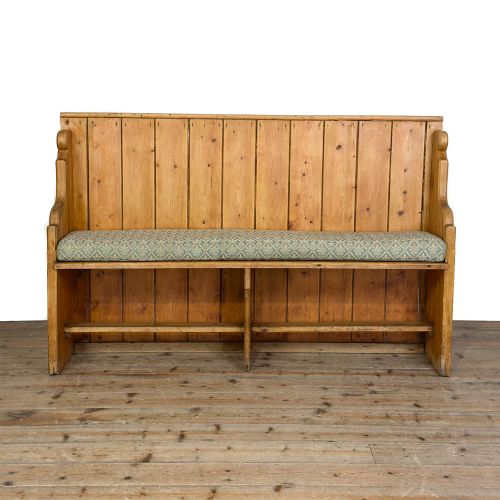
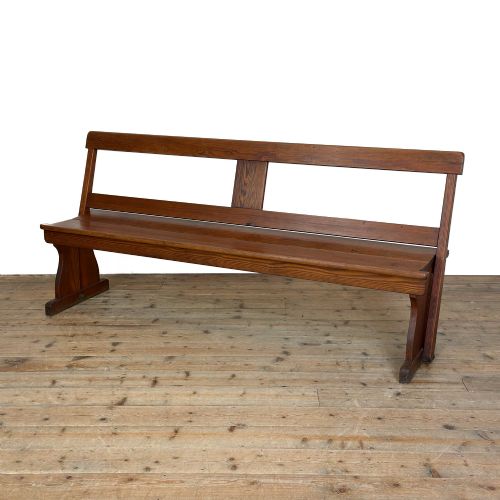
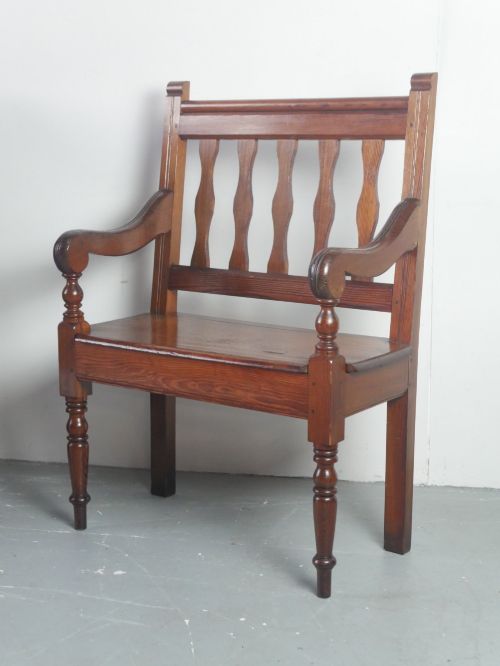
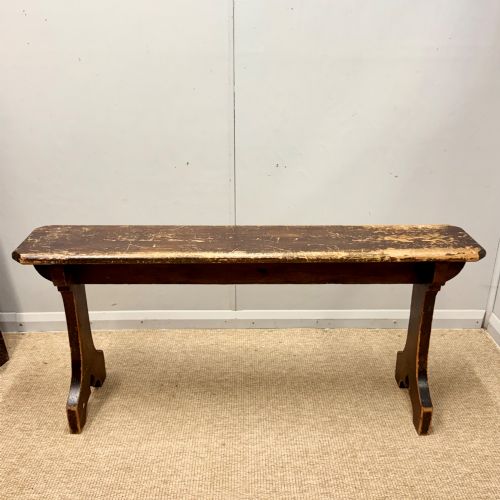
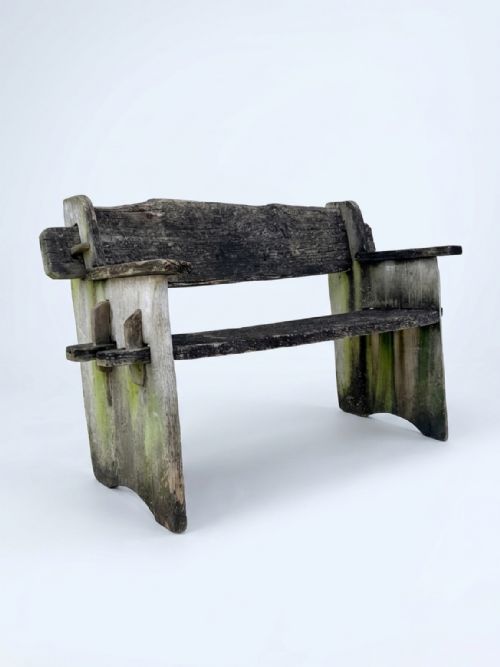
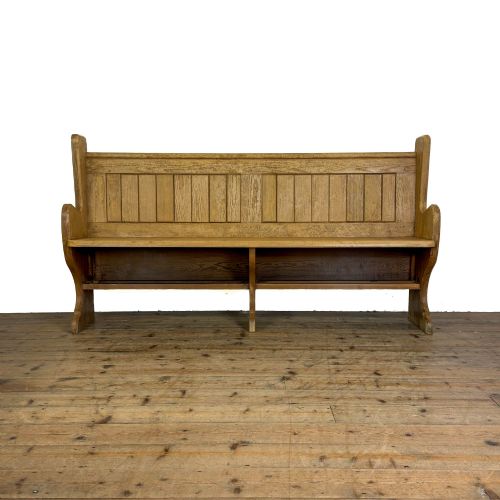
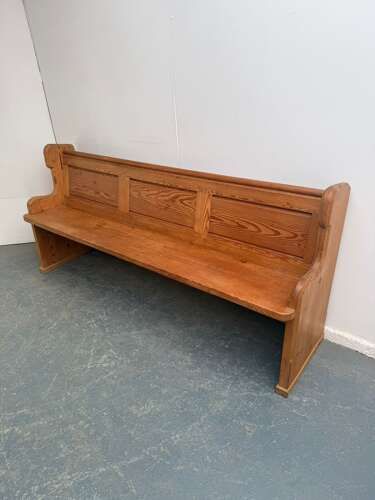
A traditional pine seat encompasses benches, church pews, settles, stools, and armchairs spanning the eighteenth, nineteenth, and early twentieth centuries. Buyers seeking a traditional pine seat will find sturdy domestic forms alongside church and chapel pews, many displaying regional European and English country characteristics.
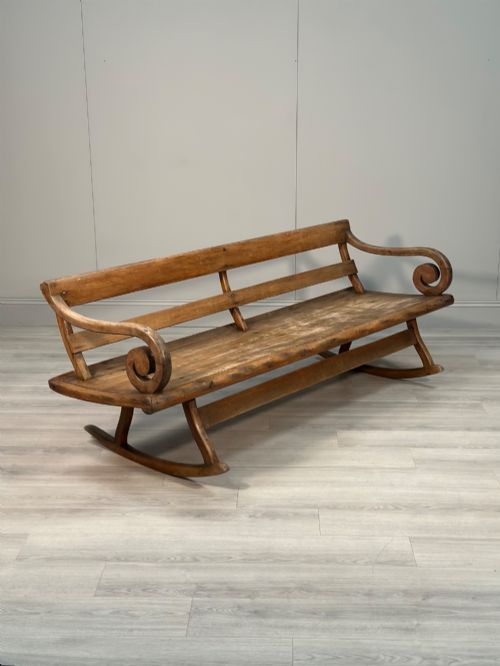
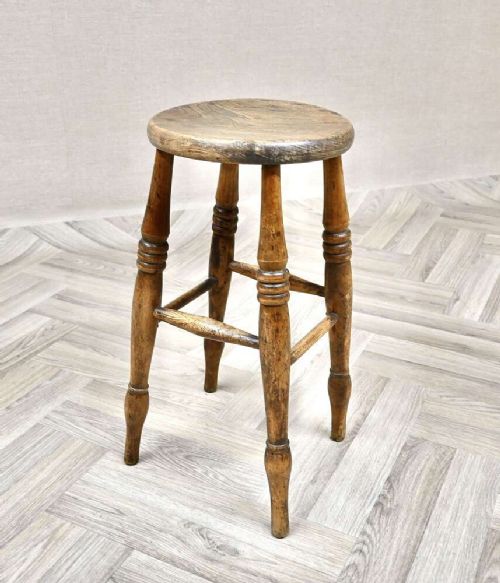
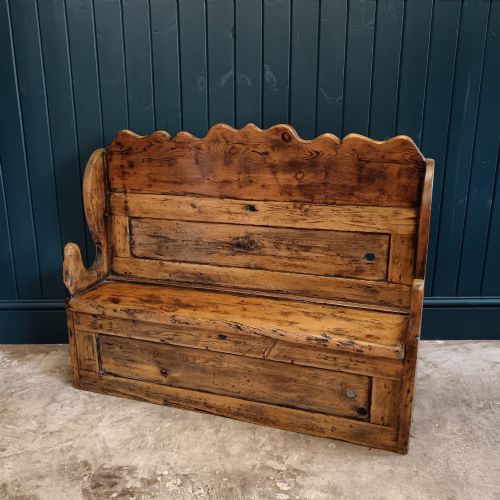
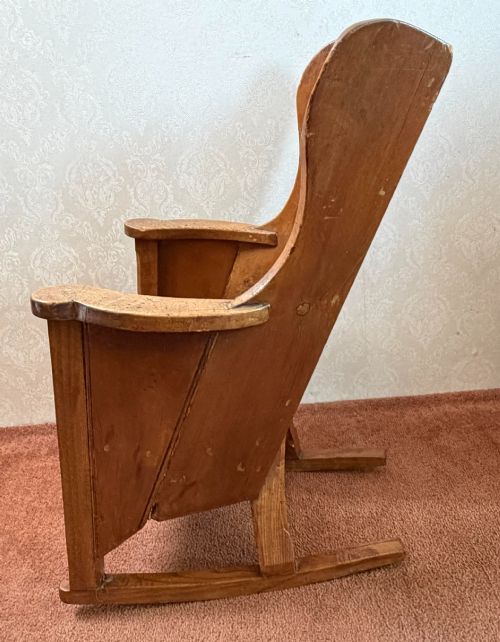
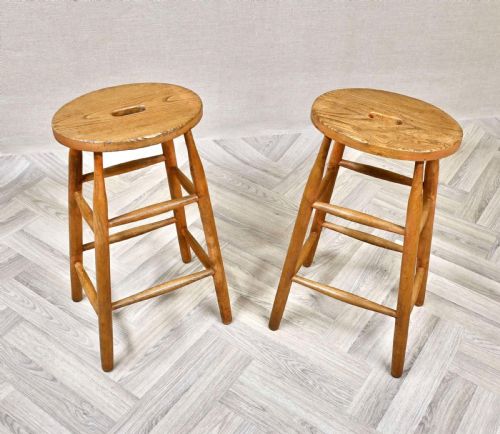
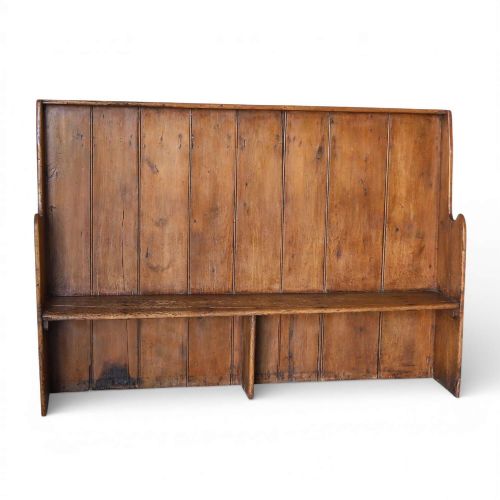
The selection ranges from compact hall benches and tall bar stools to large box settles and rocking chairs. Pieces originating from Hungarian and English country traditions appear frequently, often featuring high backs or integrated storage boxes.
Makers of these utilitarian objects prioritized function, resulting in robust seating designed for heavy daily use in kitchens, halls, and communal spaces. The survival of such pieces highlights the enduring strength of softwood construction.
Materials and Construction
Carpenters utilised pine as the primary softwood timber, frequently combining it with elm, beech, and oak for structural components subject to greater stress. Simple joinery methods such as mortise and tenon joints ensured the stability of benches and settles.
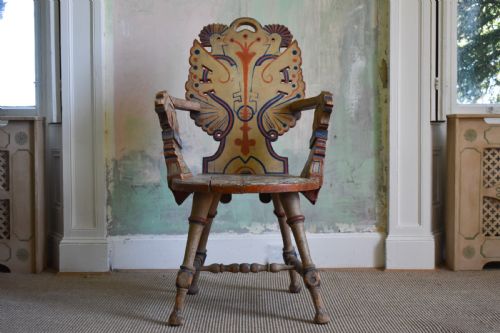
Surfaces often display historical layers of paint in blue, grey, black, or cream, while others retain a waxed honey brown patina. Folk art ornamentation, spindled backs, and ball feet reveal the decorative touches applied by vernacular makers.
Flip-over chapel pews allowed congregations to reverse their seating direction simply by pushing the hinged backrest.
Character and Integrity
Quality rests in the originality of the surface finish and the integrity of the timber. Pieces retaining their early paint layers or deep natural wax patinas demonstrate greater authenticity than stripped or overly restored examples.
Proportion and structural survival distinguish superior pieces from standard utility items. Well-balanced settles with intact box compartments and minimal timber replacement represent the highest standard of regional vernacular craftsmanship.
The Traditional Pine Seat Glossary
- Settle
- A wooden bench with high backs and arms, often incorporating a box seat for storage. This form protected occupants from drafts in older homes.
- Vernacular
- Everyday objects made by local craftsmen using regional styles and readily available materials. These pieces reflect domestic utility rather than grand academic design.
- Patina
- The surface sheen and colour developed through years of handling, waxing, and exposure to light. A genuine patina indicates age and regular use.
- Pew
- A long wooden bench traditionally used for seating congregations in churches and chapels. Many surviving examples feature enclosed backs and robust plank construction.
- Folk art
- Decorative objects and furniture created within a community tradition rather than by trained professional designers. Such pieces often display expressive painted finishes.
Traditional Pine Seat: Frequently Asked Questions
Where were traditional settles placed in the home?
Settles traditionally stood near the hearth in farmhouse kitchens and halls to block cold drafts. Their high wooden backs and solid sides trapped warmth from the fire.
Over time, these versatile pieces moved into boot rooms and corridors where the integrated box seats provided convenient storage for heavy garments and household items.
How do I care for a waxed pine bench?
Maintain waxed pine surfaces by applying a traditional beeswax polish every few months and buffing with a soft cloth. Avoid placing these pieces near direct heat sources or strong sunlight.
Keep the wood away from excessive moisture and wipe spills immediately to protect the historic timber and prevent the wax finish from degrading.
What is the difference between a pew and a settle?
Pews were built specifically for ecclesiastical settings like churches and chapels, featuring open lower structures and long, uniform seating rows. Settles were domestic items designed for households, frequently including enclosed box storage beneath the seat.
While both share high wooden backs, settles offer intimate enclosed proportions suited to domestic rooms rather than large public spaces.
How can I tell if a painted finish is old?
Examine the surface for natural wear patterns, minor losses, and the gentle softening of edges where hands and clothing made contact over decades. Older paint layers typically show subtle craquelure and deep integration with the underlying wood.
Look beneath hardware and inside joints for consistent accumulation of dust and pigment that modern reproduction techniques cannot easily replicate.