


Traditional Pine Coffer Box
Traditional pine coffer box forms satisfy basic household storage demands with robust timber construction and enduring utility.
Traditional Pine Coffer Box
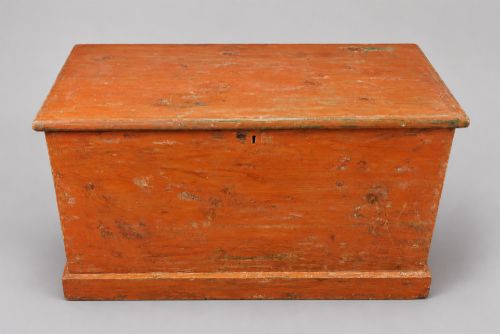
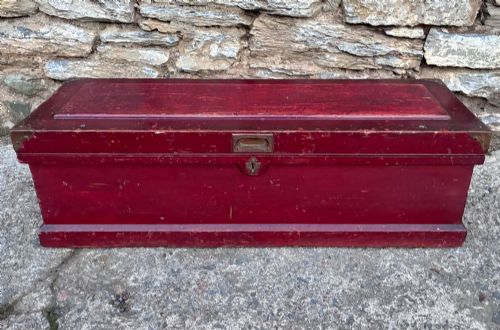
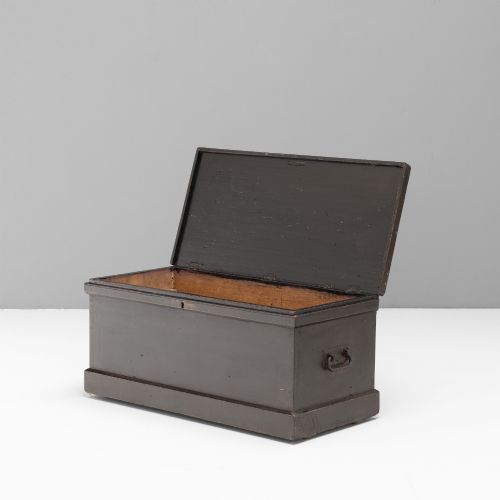
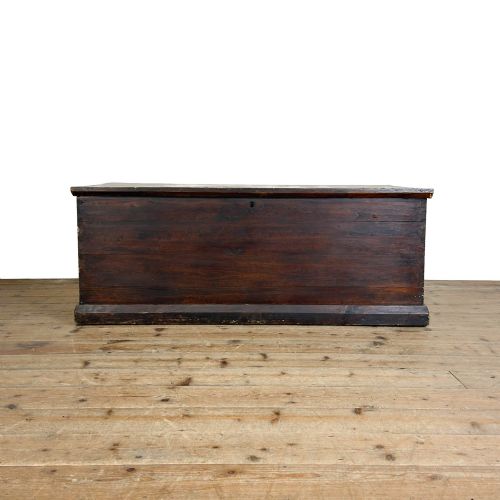
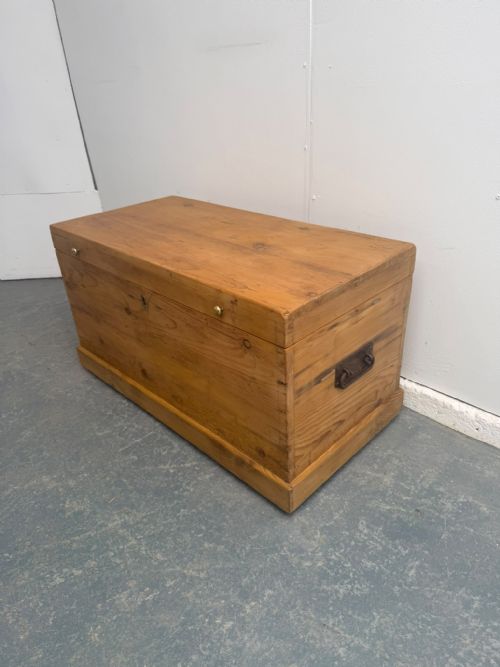
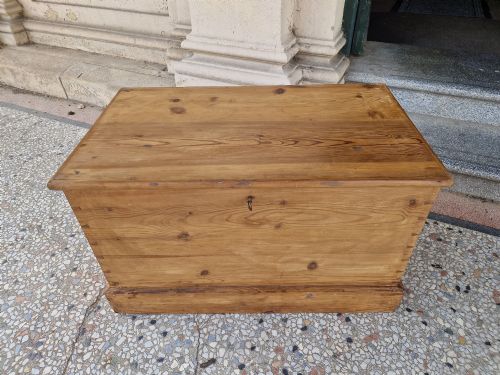
A traditional pine coffer box serves as a utilitarian household container designed for blankets, tools, or personal belongings. Buyers encountering this selection find hinged lids paired with deep internal cavities intended for heavy storage.
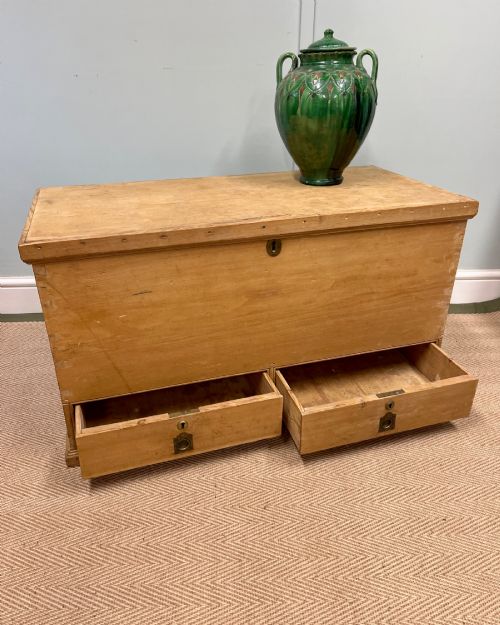
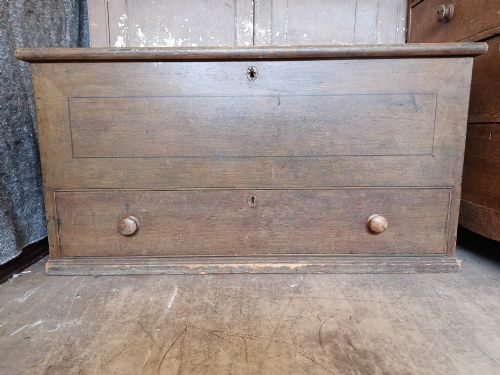
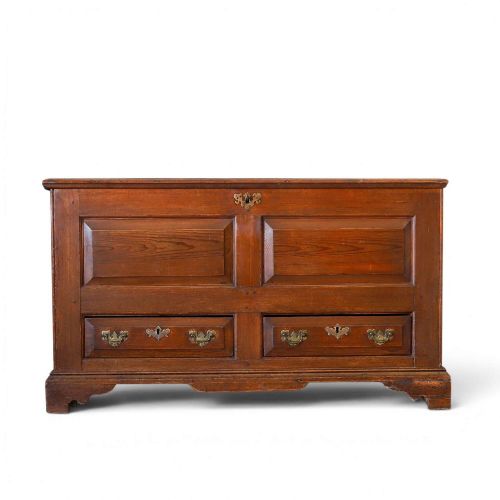
The inventory spans multiple periods including Georgian and Victorian eras alongside continental European pieces from Scandinavian and Hungarian workshops. These regional variations include mule chests equipped with lower drawers and settles that double as seating.
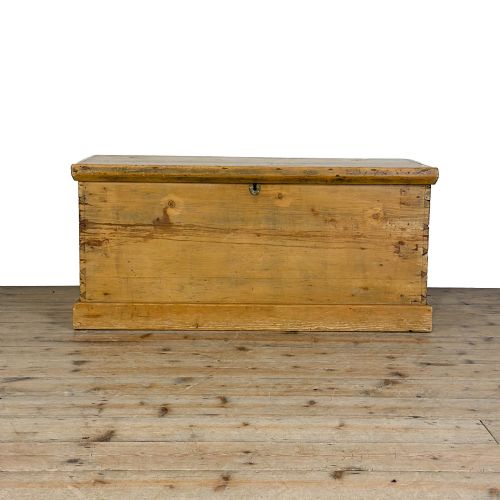
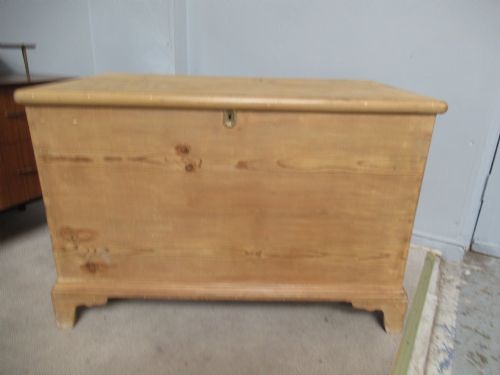
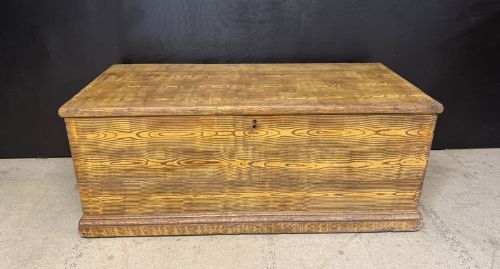
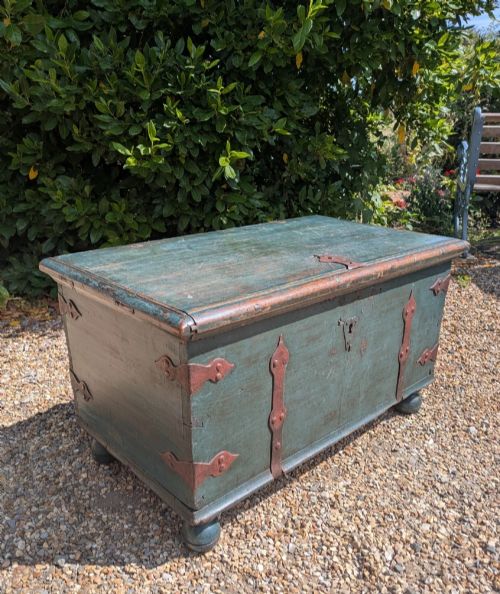
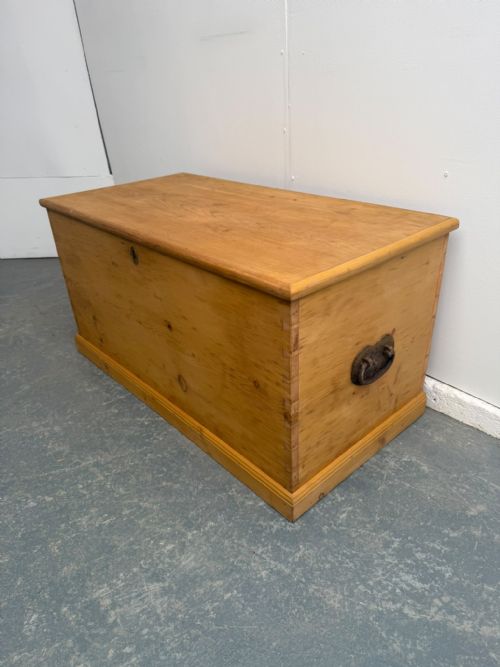
Most items rely on solid softwood construction, sometimes enhanced with original painted finishes, floral decorations, or scumble effects. Plain waxed surfaces also appear frequently, highlighting the natural grain and knot patterns of the timber.
Construction and materials
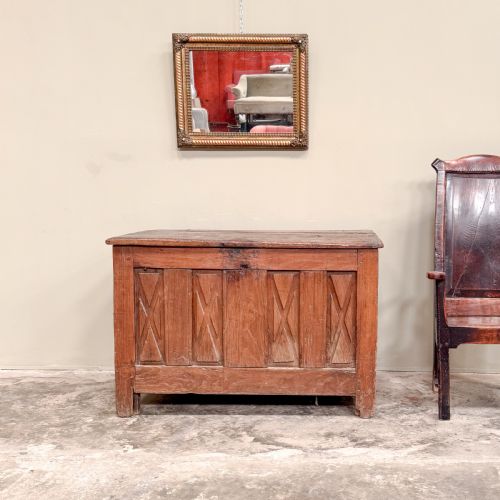
Carpenters built these containers primarily using solid pine, occasionally incorporating oak for structural reinforcement or internal framing. Joinery methods typically involved dovetail corners or pegged joints to withstand heavy daily use.
Hardware played a crucial functional role, with blacksmiths providing hand-forged iron strapwork, hinges, and carrying handles. Surface treatments varied from simple wax polishing to protective coats of mineral pigment and oil-based paint.
Traditional Pine Coffer Box Retail Price Guide 2026
Typical asking prices for traditional pine coffer box among the pieces listed under this phrase on Sellingantiques today, from the lower quarter to the upper quarter. They describe what is for sale here now, not the wider market.
Listings feature pieces spanning the Georgian, Victorian, and Regency periods, alongside continental European items from Scandinavia, France, and Hungary.
Judging build quality and surface condition
Superior examples retain their original structural integrity alongside untouched surface finishes, whether period paint or aged wax. Altered hinges, replaced floorboards, or stripped surfaces detract from historical authenticity.
The sophistication of the joinery and the presence of decorative details such as hand-forged strapwork or folk art painting distinguish standard utility containers from finer regional pieces.
The Traditional Pine Coffer Box Glossary
- Coffer
- A heavy storage chest with a hinged lid, traditionally used for valuables or household linen. They often feature robust timber framing and iron hardware.
- Mule chest
- A storage chest equipped with one or more drawers built into the base beneath the primary compartment. This form bridges the design gap between simple trunks and full chests of drawers.
- Scumble
- A decorative painting technique involving layers of translucent glaze manipulated to imitate the grain pattern of more expensive hardwoods. It was frequently applied to inexpensive softwood furniture.
- Strapwork
- Ornamental metal bands or strips fixed across the exterior of a chest to reinforce the joints and corners. Blacksmiths forged these elements by hand during earlier centuries.
- Settle
- A wooden bench featuring a high back and solid arms, often constructed with a box seat that lifts for storage. Some regional variants combine seating with coffer proportions.
Traditional Pine Coffer Box: Frequently Asked Questions
What were traditional pine coffer boxes used for?
Households utilised these deep wooden containers primarily to store heavy woolen blankets, winter clothing, and household textiles safe from dust and pests. Many examples also doubled as makeshift tables, benches, or travel trunks.
In agricultural settings, simpler versions served as robust tool chests or grain stores. Their sturdy construction allowed them to withstand demanding domestic environments.
How do I care for a waxed pine box?
Maintain the timber by applying a quality natural beeswax furniture polish sparingly every few months, buffing it gently with a soft cloth. Avoid placing the box near direct heat sources or in damp areas to prevent wood movement and splitting.
Keep painted examples away from strong direct sunlight to preserve the original pigments and prevent fading. Dust the surface regularly with a dry cloth.
How can I tell a Georgian box from a Victorian one?
Georgian pieces often display finer hand-cut dovetailing and richer patination developed through decades of waxing. They frequently include functional lower drawers or more restrained rustic proportions.
Victorian items tend to show industrial sawing marks on internal secondary timbers and sometimes utilise mass-produced hinges. Painted folk art decoration also becomes more exuberant on nineteenth-century continental examples.
Are painted finishes usually original?
Many continental European pieces retain their initial decorative pigment, often displaying regional floral motifs, scumble glazes, or marriage inscriptions. Close inspection under natural light reveals whether the paint layers show appropriate age-related craquelure and wear.
Subsequent repainting occurred frequently during the long life spans of these household items. Professional dealers examine the interface between the wood and the pigment to determine authenticity.