
Traditional Persia Area Rug
A traditional persia area rug brings centuries of weaving heritage into a room, offering rich geometric and floral motifs hand-knotted by skilled artisans.
Traditional Persia Area Rug
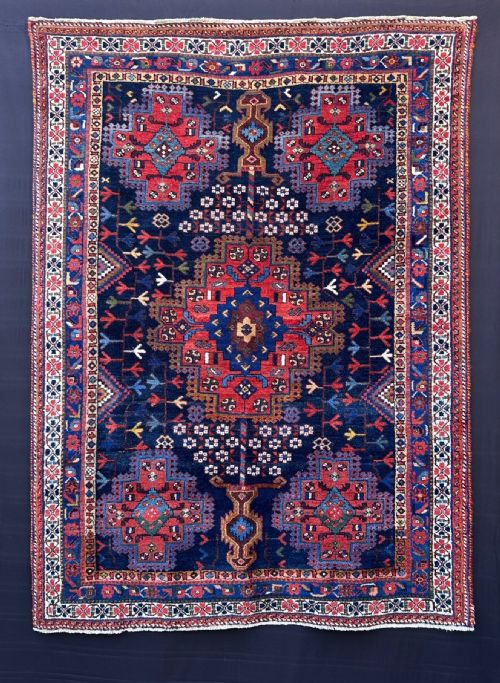
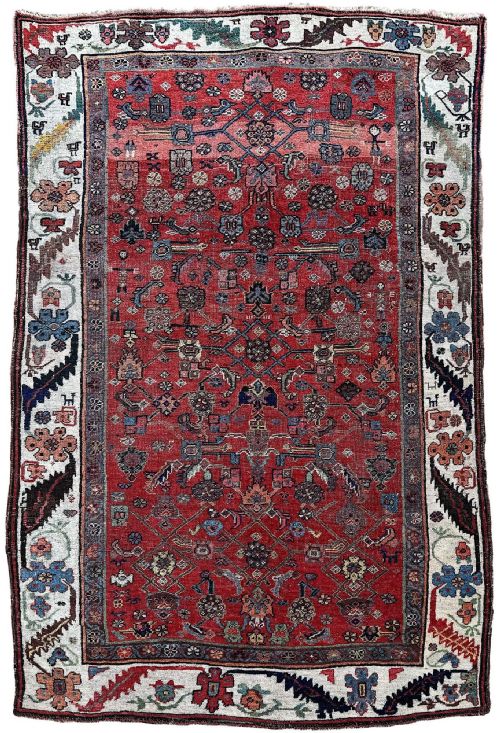
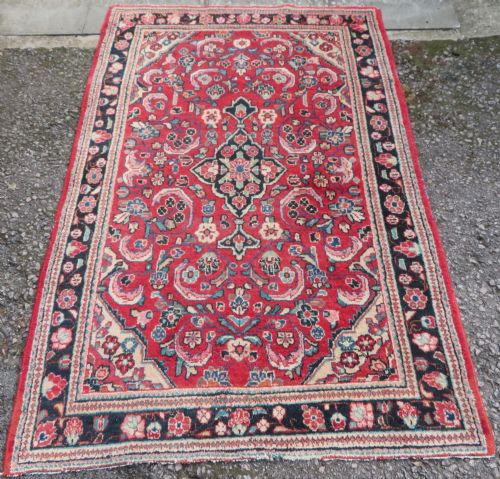
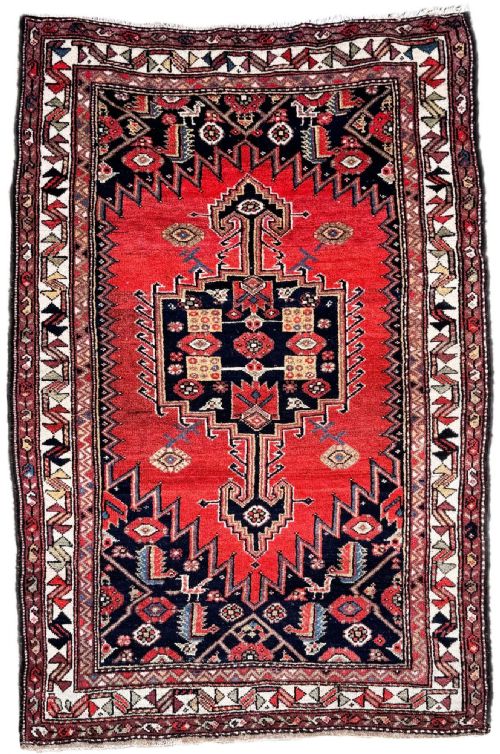
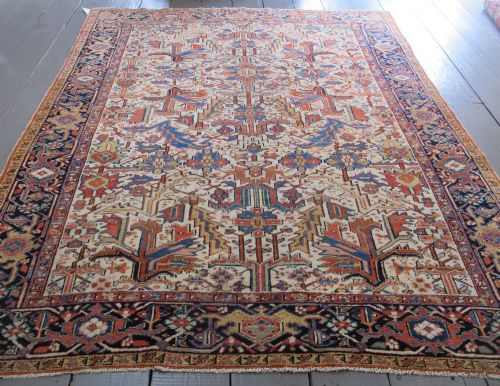
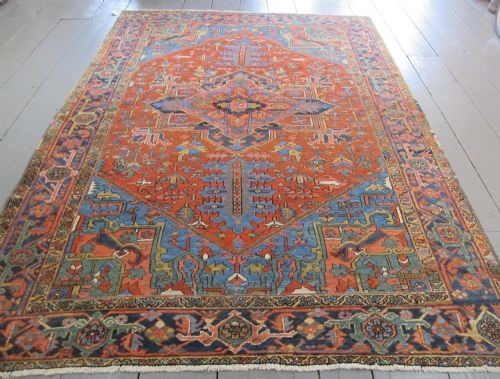
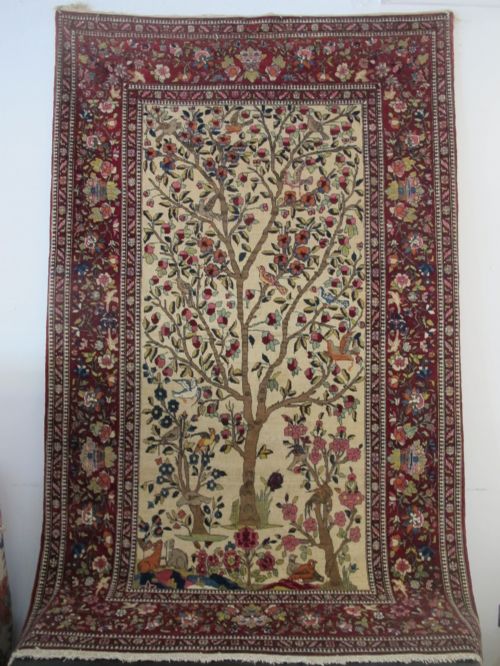
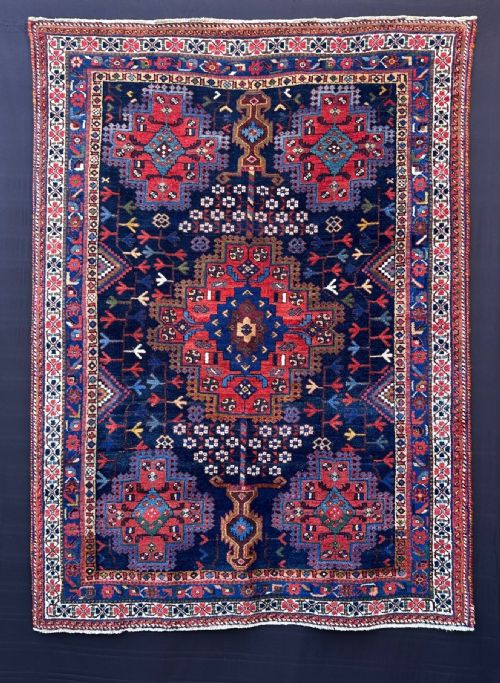
A traditional persia area rug encompasses hand-knotted floor coverings originating from various regions, provinces, and tribal confederacies across Persia. Buyers searching this phrase encounter diverse regional styles, ranging from geometric village productions to intricate city carpets.
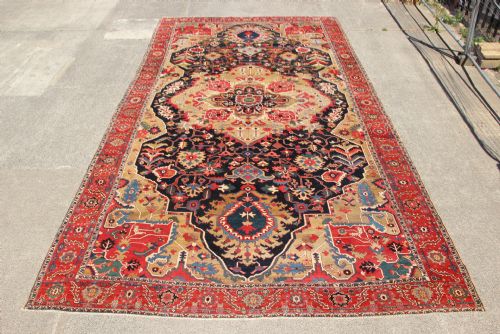
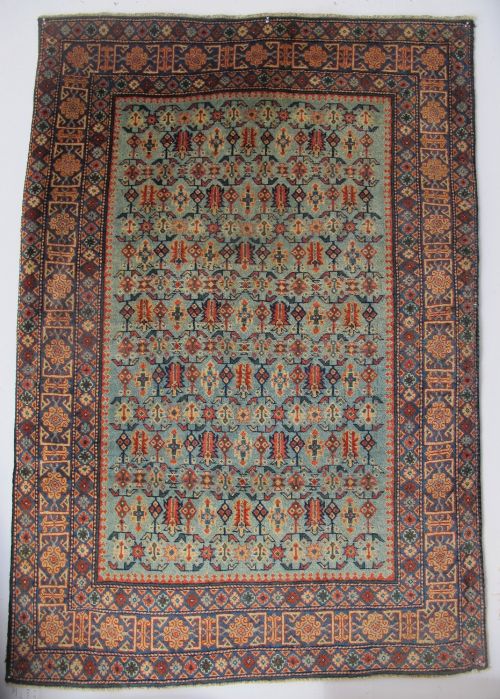
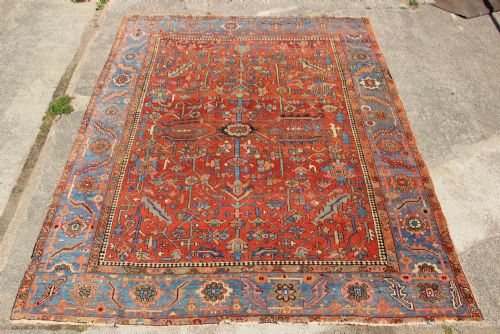
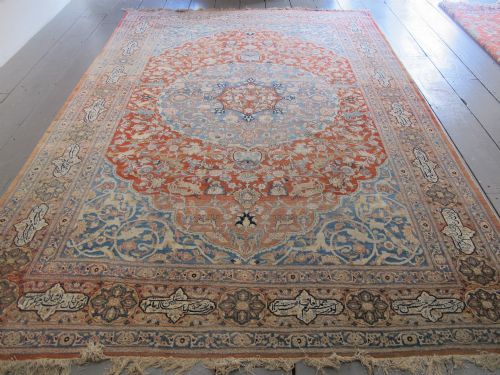
The pieces available span from the late nineteenth century into the early twentieth century, capturing distinct periods of traditional craftsmanship. Common regional types include Heriz, Tabriz, Bakhtiar, and Afshar productions, each bearing unique local motifs.
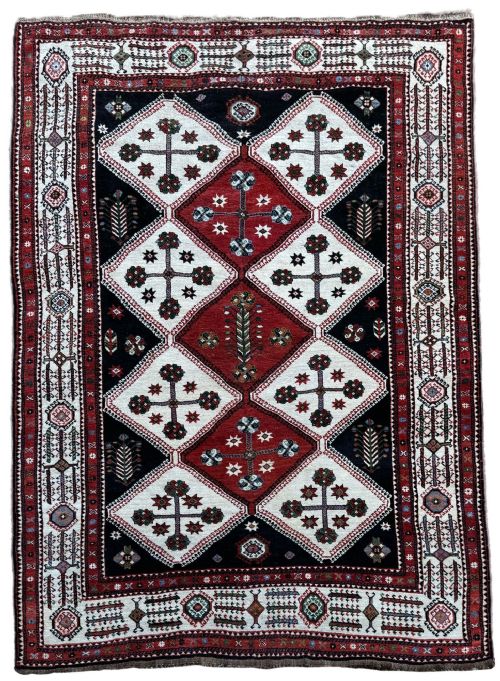
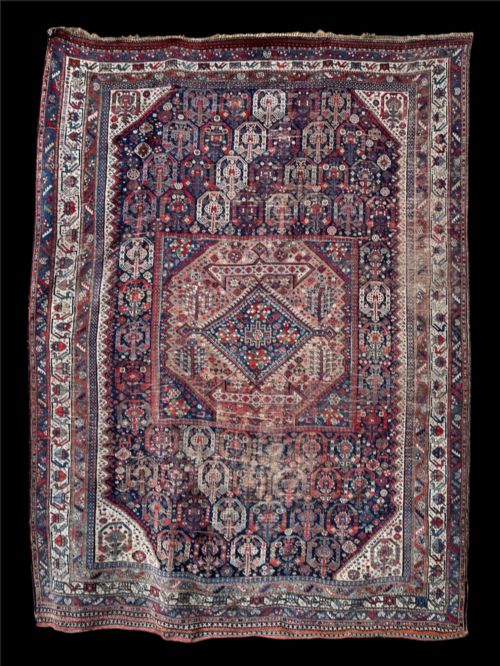
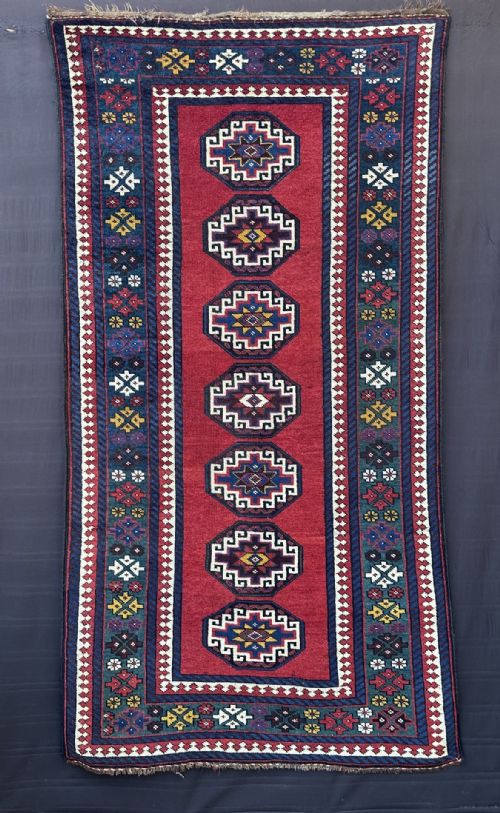
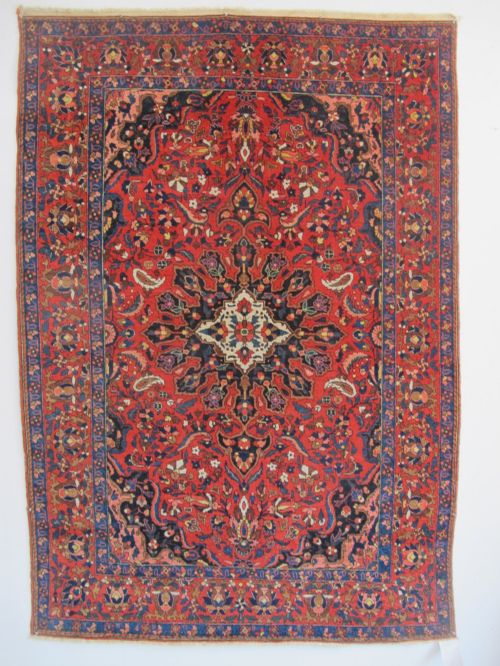
Formats vary from smaller nomadic scatter rugs to large country house carpets. Village and tribal pieces offer rustic charm with bold geometric medallions, whilst city workshops present refined floral compositions.
Materials and construction
These floor coverings rely fundamentally on natural wool pile foundation structures tied onto cotton warps, providing durable strength for daily use. Certain city workshops occasionally incorporate silk for finer detail work and heightened lustre.
Weavers utilised hand-spun yarns dyed with traditional natural colorants, yielding deep, rich tones that mellow gracefully over decades of wear. The density of the knots varies by origin, with fine city carpets achieving exceptional precision.
The inventory records foundational materials strictly limited to wool, cotton, and silk across all available regional styles.
Distinctions in quality
Quality in these carpets rests upon the precision of the knotting, the integrity of the wool, and the clarity of the design execution. Tightly packed knots provide structural resilience and allow intricate motifs to remain sharp and legible.
The sophistication of the palette and the depth of the natural dyes further differentiate standard village pieces from master-weaver city productions. Balance in the symmetry and harmony within the border transitions also mark superior examples.
Haji Jalili·Benlian
The Traditional Persia Area Rug Glossary
- Warp
- The vertical threads stretched upon a loom that form the structural skeleton of the rug. Fringe ends typically display these visible foundation cords.
- Weft
- The horizontal threads passed across the warp strands between rows of knots to bind the pile securely in place. This technique ensures structural stability across the entire carpet.
- Medallion
- A prominent central ornamental design motif placed in the middle of the field. Many regional styles build their entire compositional geometry around this focal point.
- Pile
- The dense surface layer of looped or cut yarn that forms the soft nap of the rug. Wool, cotton, and silk supply this tactile upper texture.
- Field
- The main central background area of the carpet enclosed within the surrounding borders. This section often displays repeating patterns or large geometric figures.
Traditional Persia Area Rug: Frequently Asked Questions
How do I identify a regional Persian rug type?
Regional identification relies on examining specific design motifs, colour palettes, and structural characteristics unique to particular towns or tribal groups. Village carpets often display bold geometric forms, whereas city workshops typically favour intricate curvilinear florals.
Studying the border arrangements and the specific wool qualities further aids in pinpointing whether a piece originates from northwest centres like Heriz or southern nomadic tribes.
Where were these traditional rugs made?
Production spanned diverse landscapes across Persia, encompassing settled urban centres, rural villages, and nomadic tribal territories. Major weaving regions included Tabriz in the northwest, Kerman in the south, and various districts throughout west Persia.
Each area developed distinct weaving traditions influenced by local materials, cultural heritage, and available natural dye plants.
How should I care for an antique rug?
Preserving an older wool or silk floor covering requires gentle routine maintenance such as careful vacuuming without a beater bar. Regular rotation ensures even exposure to foot traffic and sunlight over time.
Professional cleaning tailored for antique textiles should be utilised periodically to remove deep-set dust without damaging the natural fibres and dyes.
What distinguishes village rugs from city carpets?
Village and tribal productions typically feature geometric patterns, memory-driven designs, and heavier, rustic wool textures. These pieces reflect the independent artistic expressions of nomadic weavers and small communities.
City carpets originating from established workshops showcase highly refined floral compositions, balanced symmetry, and much finer knot densities achieved on professional looms.