

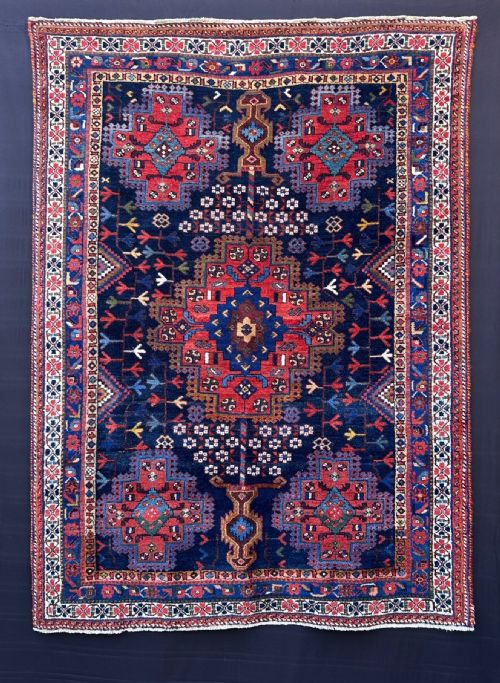
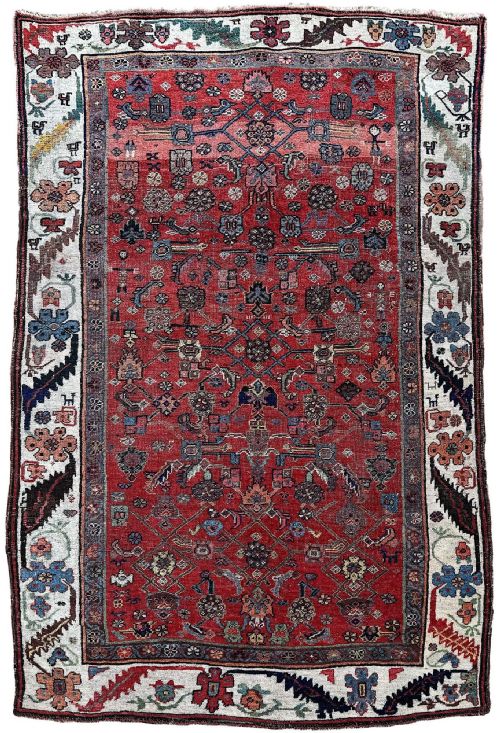
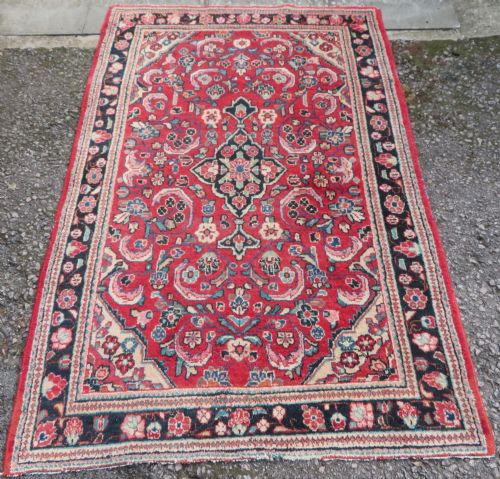
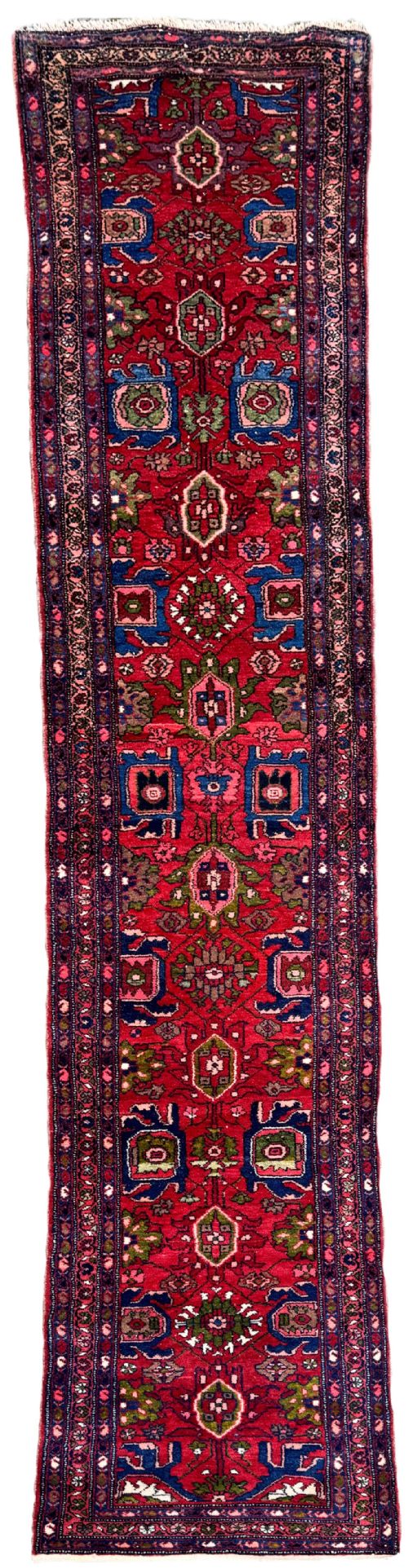
Wool Persia Carpet
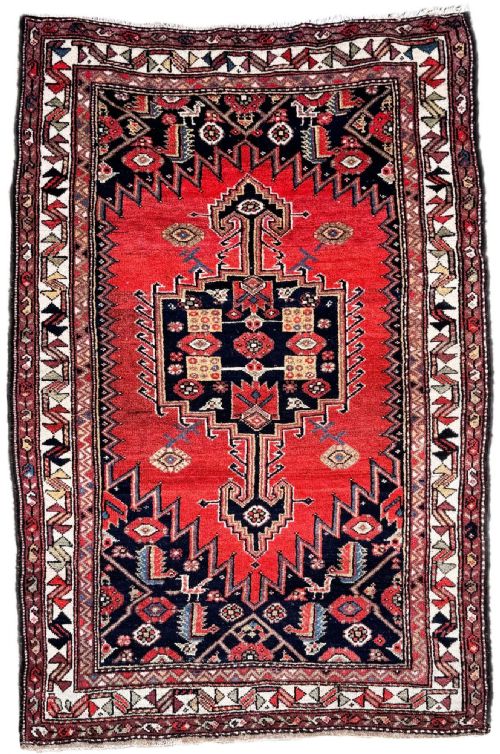
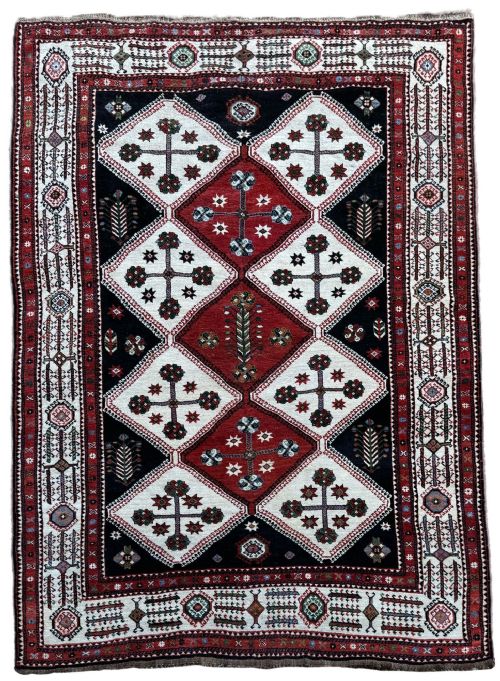
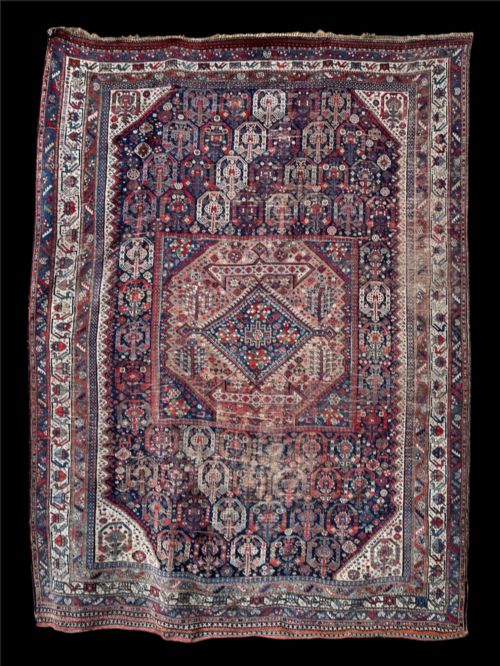
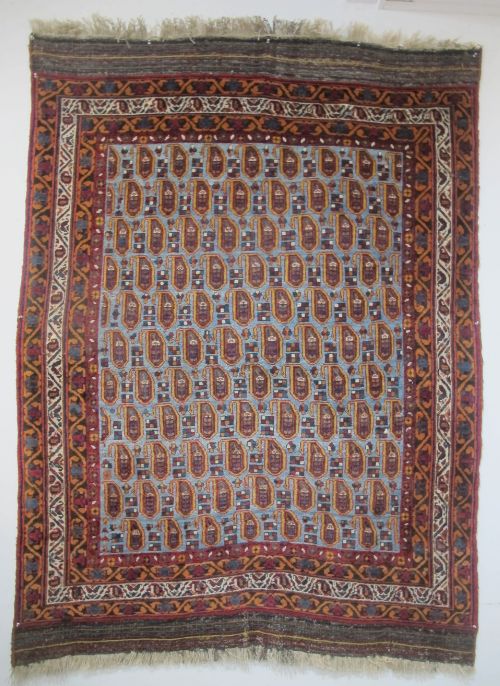
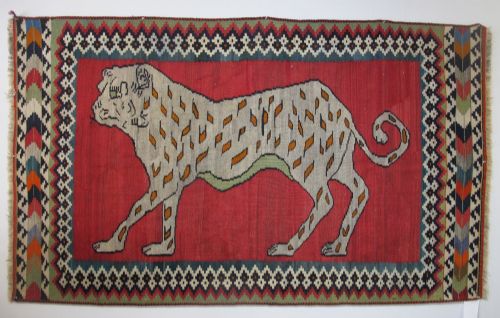
When you search for wool persia carpet, you uncover handwoven floor coverings from village and tribal workshops across nineteenth and early twentieth century Persia.
Wool Persia Carpet
A wool persia carpet brings traditional hand-knotted textiles from regions such as Heriz, Hamadan, and Sultanabad into domestic spaces. These floor coverings range from compact area rugs to large room-sized carpets woven by distinct tribal confederacies and village communities.
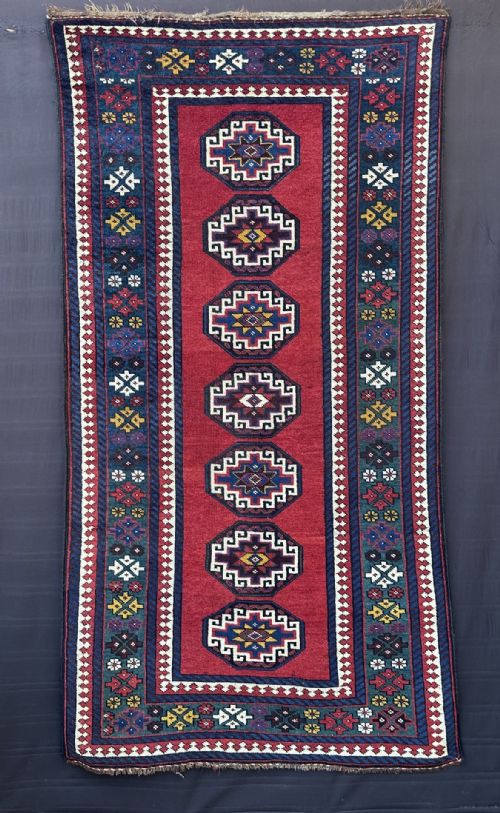
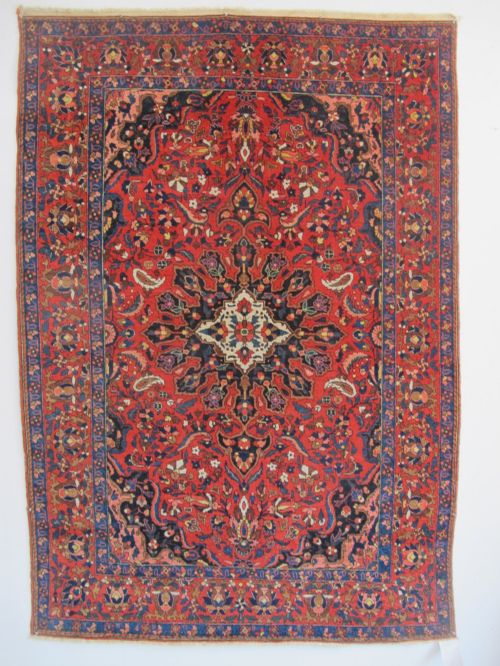
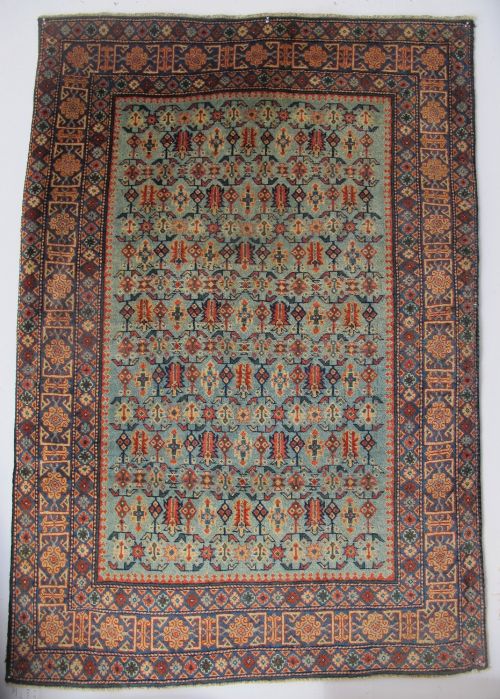
The selections on this page span the late nineteenth century through the early decades of the twentieth century, including pieces originating from South Persia, North-West Persia, and the borderlands. Buyers encounter various formats such as hallway runners, village rugs, and major room carpets produced by weavers working within regional traditions.
Materials and construction
Production relies primarily on durable wool piles set against cotton foundations, utilising natural dyes derived from local plants and minerals to generate characteristic regional palettes. Weavers tie dense knots by hand across vertical looms, building up durable pile surfaces designed to withstand generations of daily use.
The integration of sturdy cotton warps and wefts provides structural stability for large formats like Serapi and Heriz carpets, while tribal pieces often incorporate supplementary wool for structural elements. Vegetable and natural dye sources yield patinas that mellow gracefully over decades.
Distinctions in execution
Quality rests in the precision of the knotting, the complexity of the design layout, and the stability of the foundation materials. Finer examples display high knot density and sharply rendered geometric or floral motifs executed with consistent yarn weight.
The handling of natural dyes creates depth in superior pieces, where subtle shifts in tone emerge across the field. Structural integrity and uniform pile wear differentiate everyday village pieces from exceptionally finely woven city workshop carpets.
Benlian Tabriz·Haji Jalili Tabriz
The Wool Persia Carpet Glossary
- Pile
- The upright yarn loops that form the soft surface of a carpet. This layer absorbs foot traffic and displays the woven pattern.
- Warp
- The vertical foundation threads stretched tightly on the loom before knotting begins. Weft threads intersect these to secure each row of knots.
- Weft
- The horizontal strands passed between rows of warp threads to bind the structure together. Proper tension ensures the carpet maintains its intended rectangular shape.
- Natural dye
- Colourants sourced from plants, insects, and minerals rather than synthetic compounds. These materials produce complex tones that soften attractively with age.
- Knot density
- The count of individual knots per square unit, which dictates the sharpness of the design. Higher density typically indicates workshop production over simpler tribal weaving.
Wool Persia Carpet: Frequently Asked Questions
How do I identify a tribal carpet?
Tribal pieces usually feature bold geometric patterns, asymmetrical motifs, and heavy wool foundations reflecting nomadic traditions. These designs emerge from memory rather than formal paper cartoons.
Such carpets often display charming irregularities in symmetry and colour shifts where dye batches changed during weaving.
Where were these carpets woven?
Production centres span diverse Persian regions, from the mountain villages of Hamadan and Bidjar to the large workshops of Tabriz and Sultanabad. Each district developed distinct structural methods and colour preferences.
Local sheep breeds provided wool with varying lanolin content, influencing the texture and sheen of the finished pile.
How should I care for an antique rug?
Protect the wool fibres by vacuuming with low suction, avoiding rotating brush heads that can pull at aged knots. Rotate the piece periodically to ensure even exposure to light and foot traffic.
Professional cleaning by specialists familiar with antique vegetable dyes prevents moisture damage and preserves the structural integrity of the cotton foundation.
What indicates a Heriz carpet?
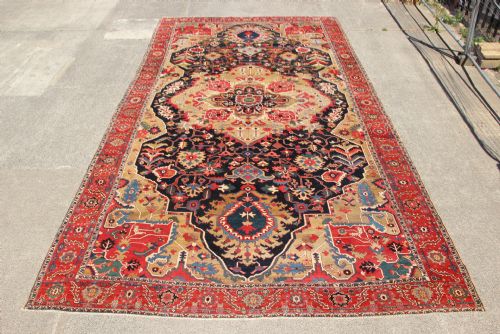
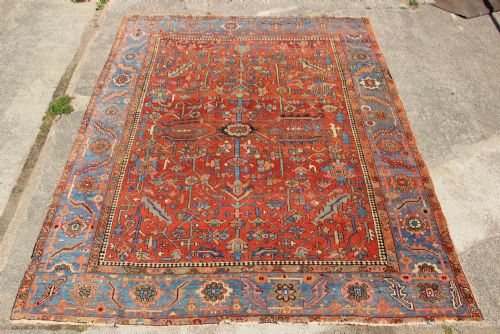
Heriz and Serapi carpets typically present bold, large-scale geometric medallions set against expansive fields of rust, terracotta, or ivory. Their sturdy construction incorporates cotton foundations designed for heavy domestic use.
These North-West Persian floor coverings are celebrated for robust geometric framing and durable wool that withstands decades of daily wear.