


Traditional Pastoral Wall Art
Traditional pastoral wall art brings the quiet depth of rural life, cattle grazing, and woodland paths directly into your home.
Traditional Pastoral Wall Art
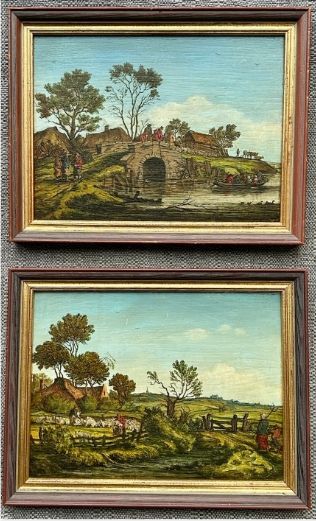
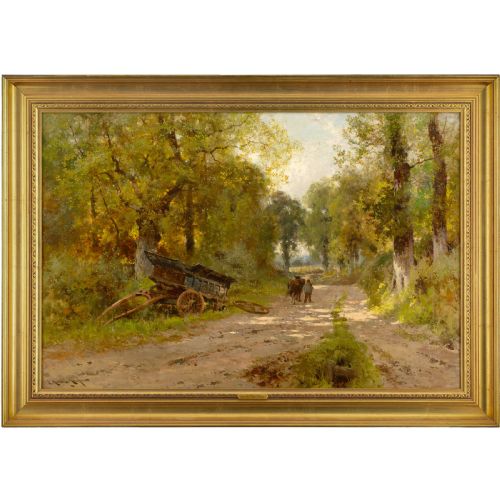
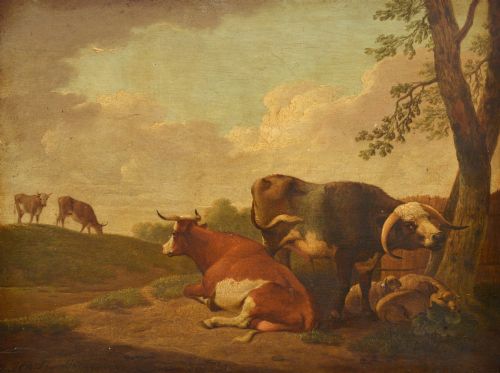
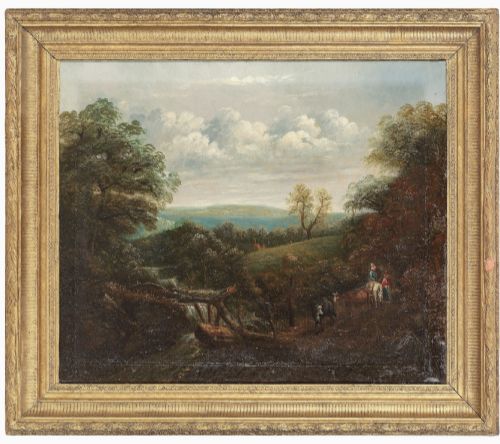
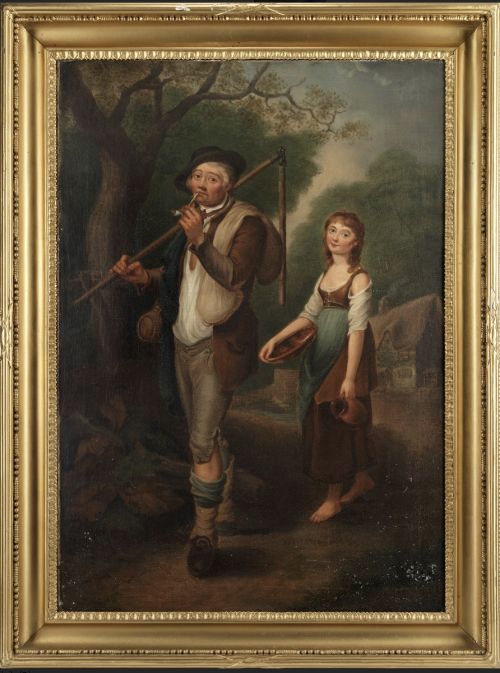
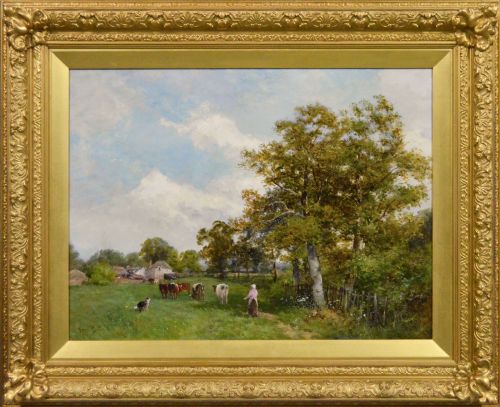
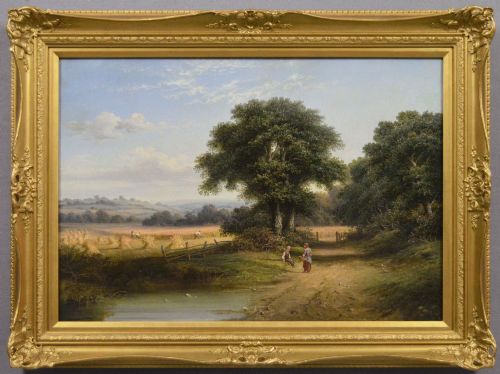
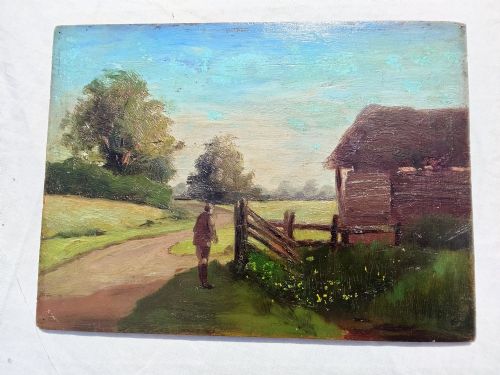
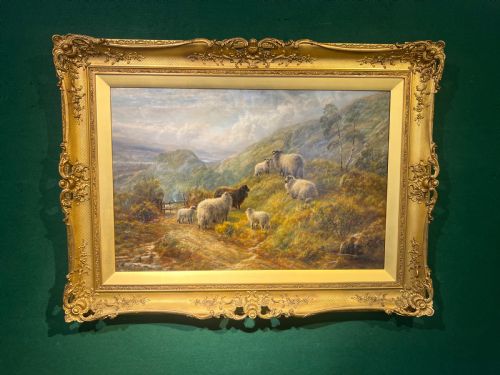
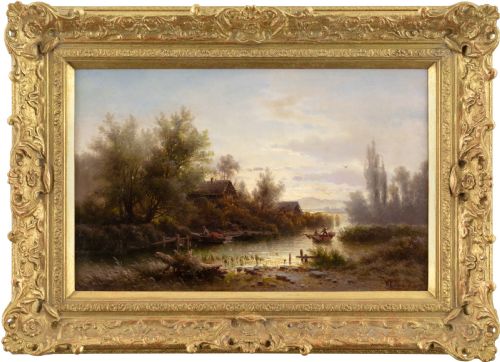
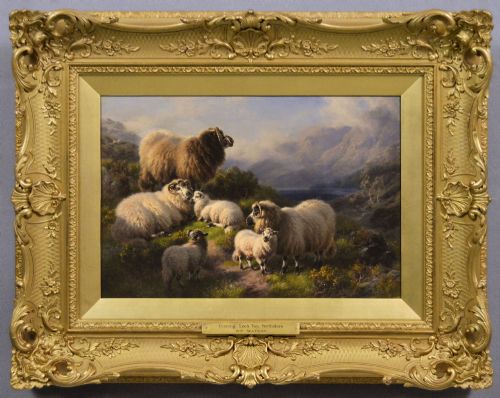
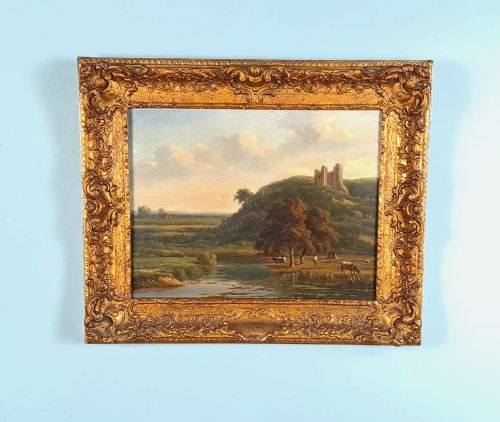
Traditional pastoral wall art captures rural landscapes, agricultural scenes, and animal portraits created mostly during the eighteenth, nineteenth, and early twentieth centuries. These pieces typically depict herdsmen, sheep, cattle, and rustic cottages set within British, Scottish, and continental countryside settings.
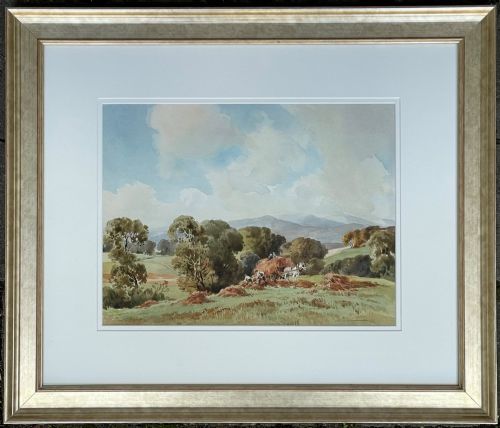
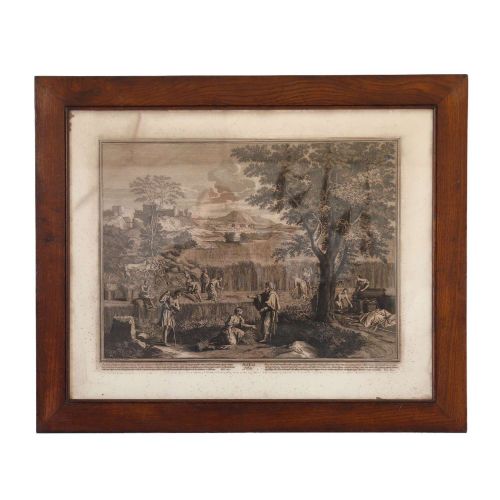
The most common formats on this page are original oil paintings on canvas or wood panels, alongside watercolours, engravings, and framed tapestry panels. Victorian and Edwardian examples dominate the selection, reflecting a sustained period of deep artistic engagement with idyllic rural life.
Buyers choose traditional pastoral wall art to introduce historical depth, narrative charm, and natural serenity into domestic interiors. The imagery spans intimate woodland paths, river valleys, and sweeping highland vistas executed by recognised regional schools and individual painters.
Materials and Techniques
Painters utilised oil paint applied to stretched canvas, wooden boards, and wood panels, often building rich textures through layered brushwork. Watercolours on paper appear frequently, capturing lighter atmospheric effects in rural settings.
Frames play an integral role in the presentation of these works, with giltwood and gesso mouldings providing traditional period enclosure. Engravings and lithographs extend the reach of pastoral imagery through printed reproduction on paper.
Several sheep painted in the nineteenth century appear remarkably unbothered by approaching rainstorms.
Assessing Artistic Quality
Quality rests upon the artist's command of light, atmosphere, and naturalistic proportion, particularly in the rendering of animals and human figures within the landscape. Works bearing signatures from established regional schools or documented painters demonstrate superior compositional confidence.
The physical preservation of the canvas, panel, or paper surface alongside the integrity of the original framing determines the enduring standard of the piece. Brushwork handling that maintains crisp architectural and botanical detail elevates an ordinary rural scene into a compelling historical document.
William H Myers·Tom Campbell·Percy Lancaster·John Horace Hooper·Hendrik Willem Schweickhardt·Thomas Barker of Bath·David Bates·Walter Heath Williams·Albert Rieger·William Watson Jnr·T C Hofland·Henry H Parker·Henry Schouten·George Morland·Charles Edward Wilson·Owen Bowen·Henry Charles Fox·William Henry Mander·Thomas Baker of Leamington·Thomas Sidney Cooper·John Sanderson Wells·Alfred Augustus Glendening Jnr·Friedrich von Kaulbach·William Sydney Cooper·James Orrock
The Traditional Pastoral Wall Art Glossary
- Oil on Canvas
- Pigment mixed with drying oils applied to a woven fabric support. This combination allows for rich blending and deep colour saturation across centuries.
- Wood Panel
- A rigid wooden support used by painters instead of canvas. It provides a stable surface that frequently survives in excellent condition.
- Giltwood
- Wood carved and coated with a thin layer of gold leaf. This material frames many traditional paintings with warm metallic brilliance.
- Watercolour
- Pigment suspended in a water-soluble vehicle applied to paper. It delivers translucent washes that capture fleeting atmospheric conditions.
- Realism
- An artistic movement focused on depicting subject matter truthfully without idealisation. It underpins much nineteenth-century rural and agricultural imagery.
Traditional Pastoral Wall Art: Frequently Asked Questions
What subjects are shown in traditional pastoral wall art?
These works focus primarily on agricultural labour, herds of cattle and sheep, and rural waterways. Scenes often incorporate thatched cottages, woodland paths, and figures tending to daily countryside tasks.
Artists drew inspiration from specific regional topographies across Britain and Europe, translating ordinary rural moments into enduring visual records.
How do I date a pastoral oil painting?
Dating relies on stylistic markers, costume details of the figures depicted, and the physical composition of the canvas or wood panel support. Signatures, inscriptions on the reverse, and period framing offer further chronological clues.
Many pieces carry specific dates or fall neatly within documented periods like the Victorian or Edwardian eras.
Where should I hang these paintings at home?
Traditional pastoral wall art suits living rooms, studies, and hallways where natural light complements the earthy tones of the countryside. Pairing them with traditional interiors enhances their historical character.
Keep pieces away from direct sunlight and damp environments to protect the oil paint, canvas, and wooden frames.
What is the difference between an oil painting and a watercolour?
Oil paintings utilise pigment bound in oil on canvas or wood, offering heavy texture, rich depth, and durable surfaces. Watercolours use water-soluble pigments on paper, producing lighter, more translucent atmospheric effects.
Both mediums capture rural life but require different framing and conservation approaches.