
Antique Horse Oil Artwork
These antique horse oil artwork selections capture equine subjects across centuries, offering collectors traditional canvas paintings framed in period wood and gilt.
Antique Horse Oil Artwork
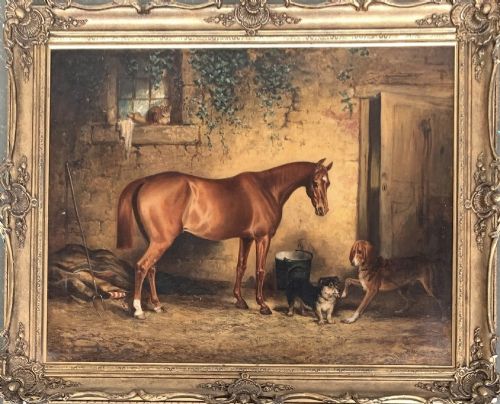
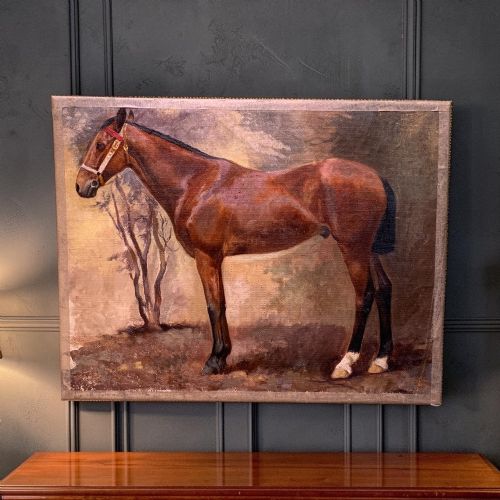
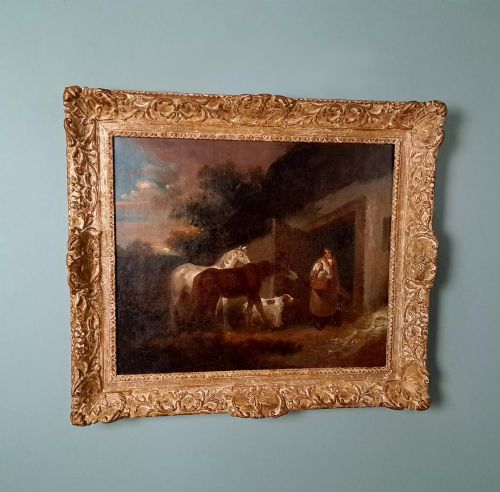
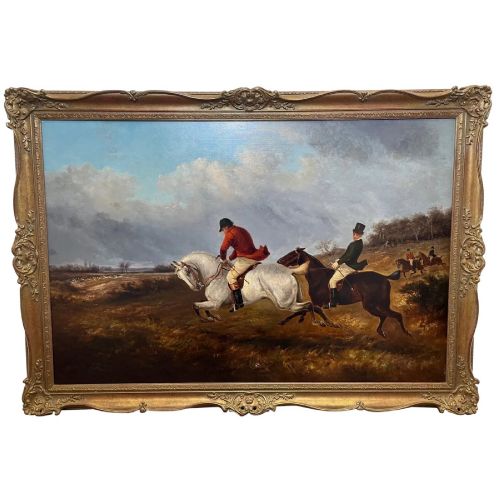
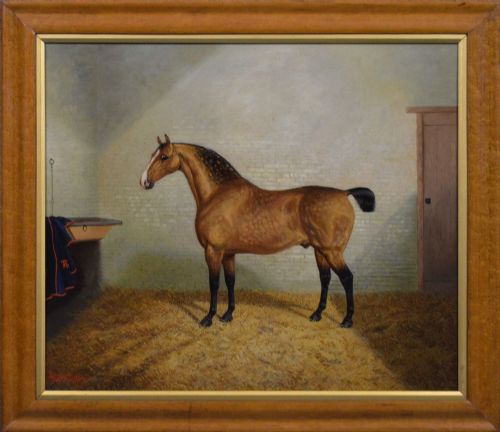
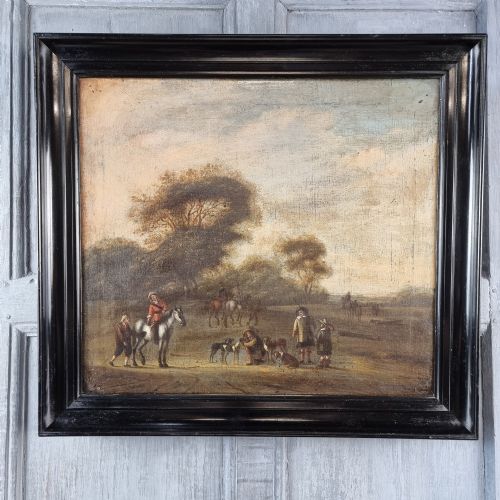
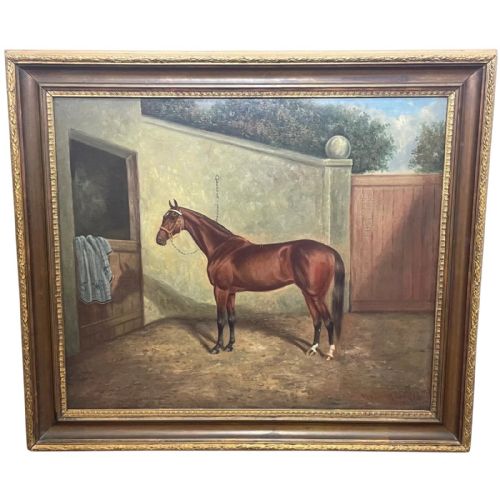
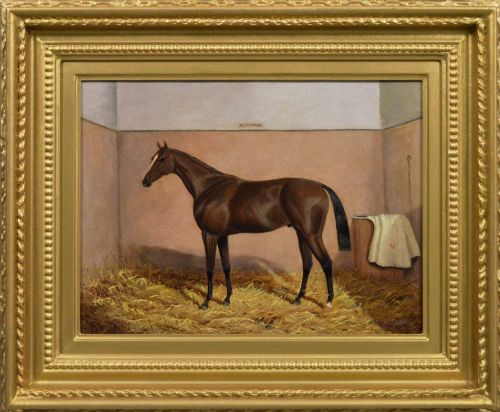
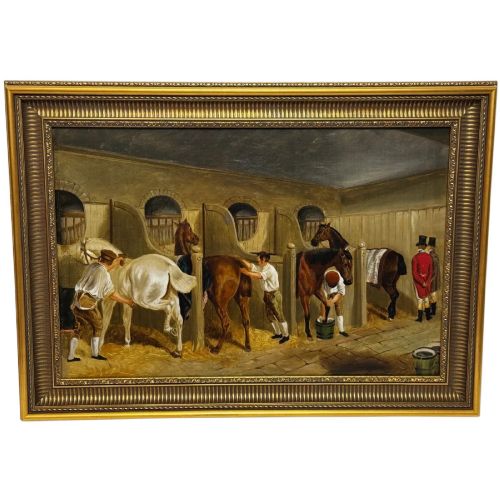
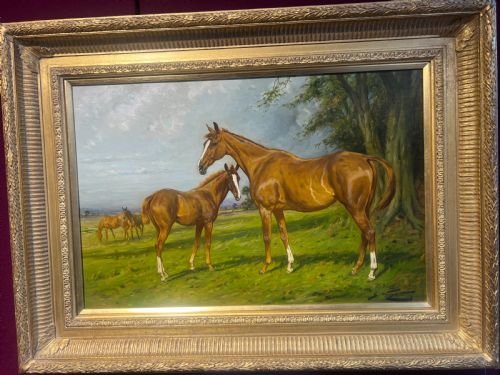
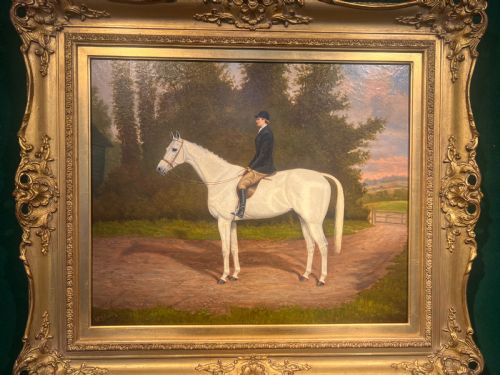
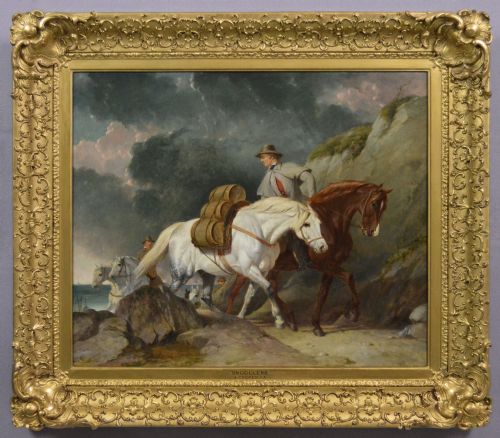
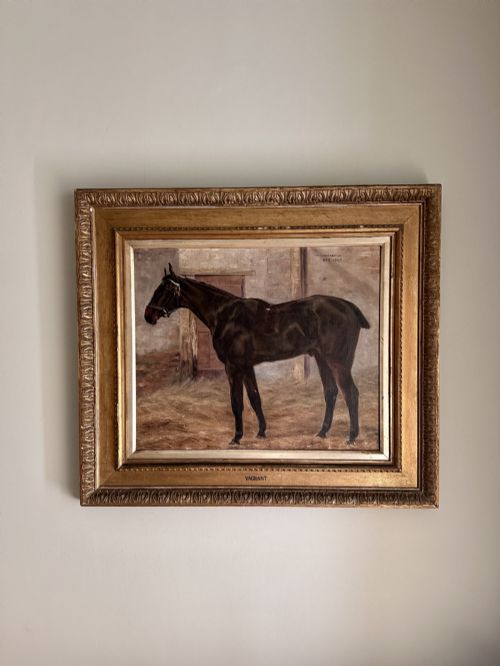
An antique horse oil artwork encompasses equine portraits, hunting scenes, and coaching paintings rendered in oil on canvas or panel. These pieces record specific racehorses, working animals, and pastoral scenes across Victorian, Edwardian, and earlier periods.
Buyers will most frequently encounter nineteenth-century and early twentieth-century works, often framed in giltwood. The subjects range from individual horse portraits in stables to dynamic racing and hunting compositions.
How they were made
These works utilise oil paint applied to stretched canvas or wooden panels, capturing fine details in the horse's coat, muscle structure, and tack. Artists employed traditional layering techniques to build depth and texture within the equine subjects and surrounding landscapes.
Frames constructed from wood and finished with gilt or giltwood complete the pieces. The combination of oil pigments and period framing defines the physical construction of these traditional artworks.
Several paintings record the exact names of nineteenth-century racehorses and derby winners for posterity.
What varies in quality
The anatomical accuracy of the horse and the sensitivity of the brushwork distinguish finer examples from simpler compositions. Master painters captured light across the animal's coat and conveyed the energy of the animal with greater precision.
The execution of the background landscape and the originality of the period gilt frame contribute to the overall standard of the artwork. Works attributed to known sporting artists or documented through provenance demonstrate higher artistic achievement.
William Joseph Shayer Senior·Thomas Smythe·Albert Clark·Frederick Albert Clark·Abraham Cooper·John Ferneley Senior·John Alfred Wheeler·Philip Rideout
The Antique Horse Oil Artwork Glossary
- Oil on Canvas
- A traditional painting medium where oil-based pigments are applied to a woven fabric surface stretched across a wooden frame. This combination allows for rich colour blending and lasting durability.
- Giltwood
- Wood carved and covered with a thin layer of gold leaf or metallic gilt finish. It is commonly found on period frames enclosing nineteenth-century paintings.
- Equine Portrait
- A specialised painting genre dedicated to depicting a specific horse, often commissioned by owners to record prized racehorses, hunters, or stables.
- Sporting Art
- Artwork depicting rural sports, including horse racing, fox hunting, and coaching scenes. These works reflect the British tradition of documenting field sports and equestrian events.
Antique Horse Oil Artwork: Frequently Asked Questions
What subjects appear in antique horse oil artwork?
The paintings feature individual horse portraits, racehorses, hunting scenes, and coaching journeys. Many works record named animals alongside their jockeys, stables, or rural landscapes.
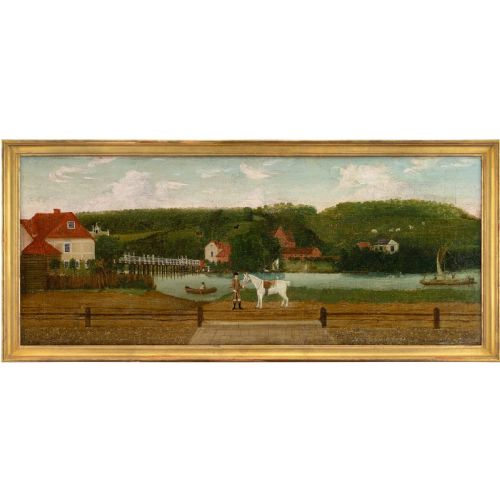
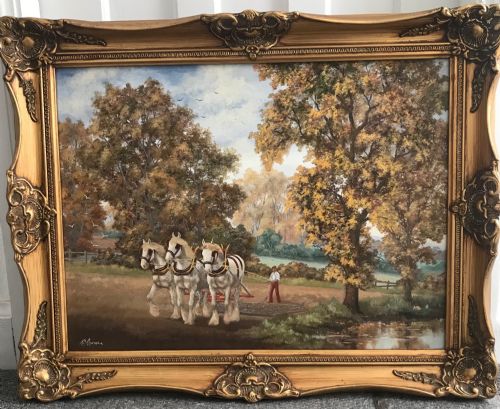
Agricultural and working horses also appear, depicting rural village life and working horses at troughs across Britain and Europe.
How do I identify the period of the painting?
Periods are often indicated by the framing style, artist signatures, and costume details within the wider landscape. Nineteenth-century works frequently feature heavy giltwood frames and detailed anatomical studies.
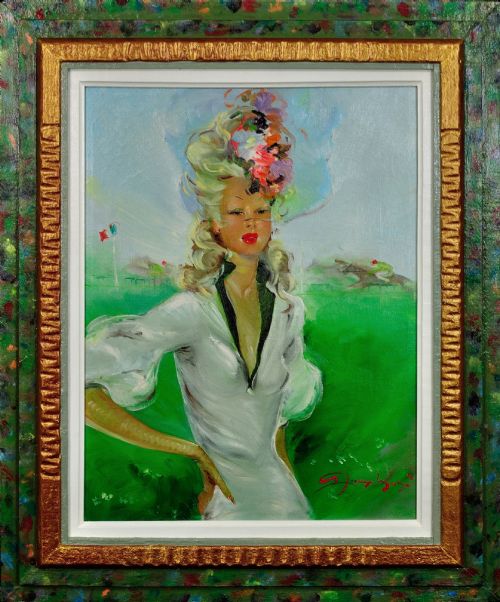
Twentieth-century pieces can show looser brushwork and reflect Edwardian or mid-century artistic styles while maintaining traditional equestrian subject matter.
Where were these equine paintings originally displayed?
Wealthy patrons and horse owners historically commissioned or purchased these paintings to adorn country houses, sporting estates, and stable offices. They celebrated prized bloodlines, hunting victories, and rural property.
Today, collectors place these canvases in living spaces, libraries, and studies as a connection to historical equestrian traditions.
How should I care for an oil on canvas painting?
Protect the canvas from direct sunlight and dramatic fluctuations in temperature or humidity to prevent the oil paint from cracking. Dust the surface and the gilt frame gently with a dry, soft cloth.
Avoid using liquid cleaners or chemical solvents on the painted surface or the giltwood frame to preserve the original materials.