




Antique Fishing Painting
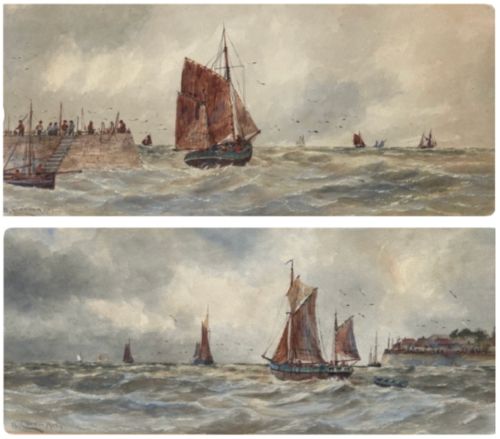
These antique fishing painting works capture coastal and river scenes from the nineteenth and early twentieth centuries, offering buyers evocative glimpses into traditional maritime life.
Antique Fishing Painting
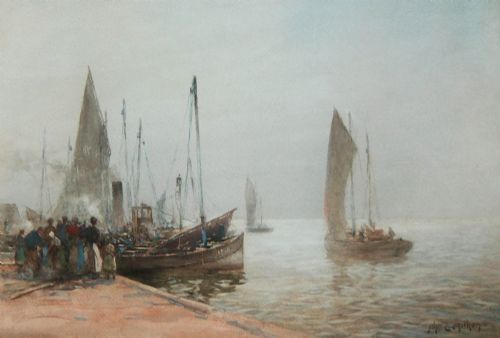
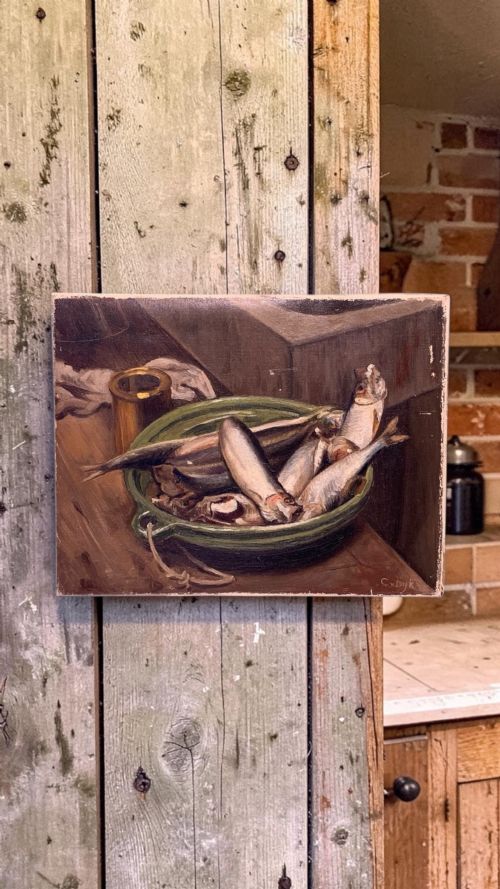
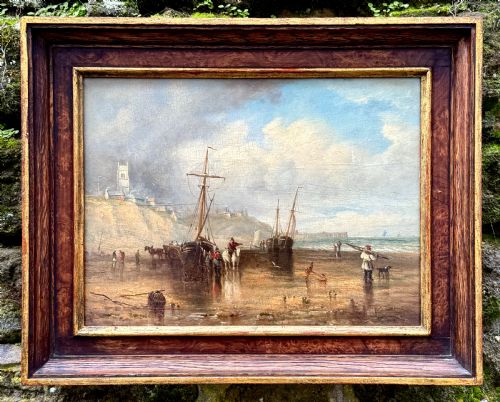
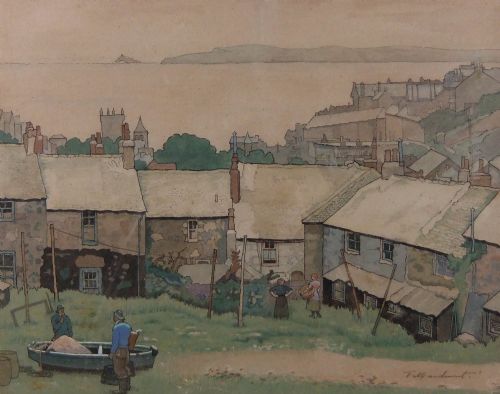
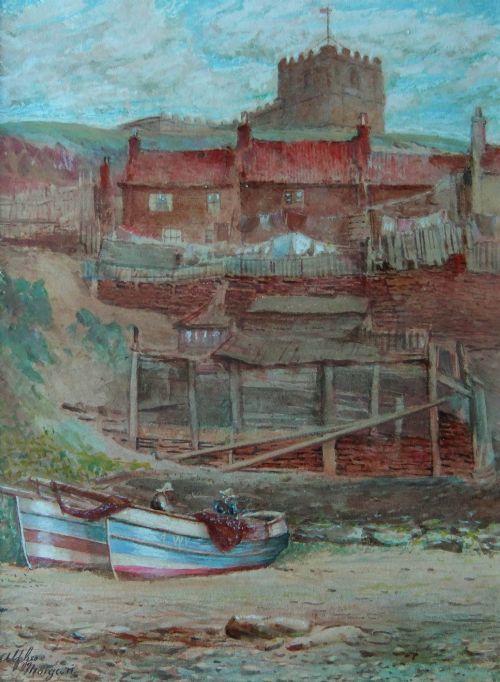
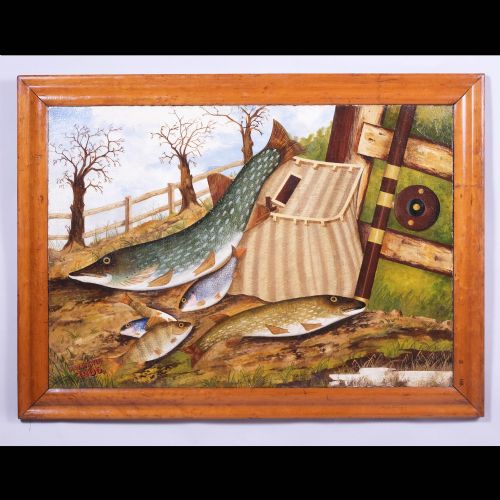
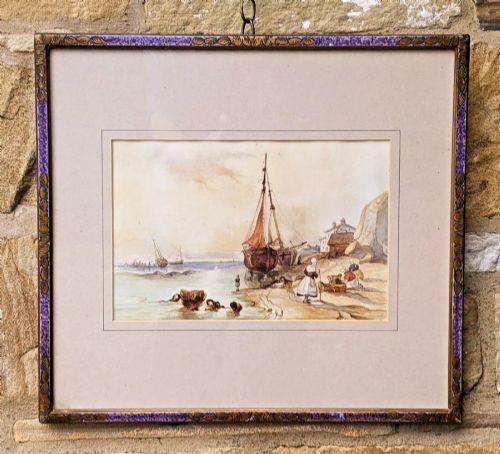
An antique fishing painting collection encompasses framed works on canvas, paper, wood panel, and card originating primarily from the nineteenth century through the 1930s. Buyers frequently encounter coastal marine watercolours and oil paintings depicting harbour life, docking boats, and stormy seas along British shores. Subjects range from detailed topographical views of Yorkshire and Cornish harbours to serene river landscapes featuring figures angling under trees.
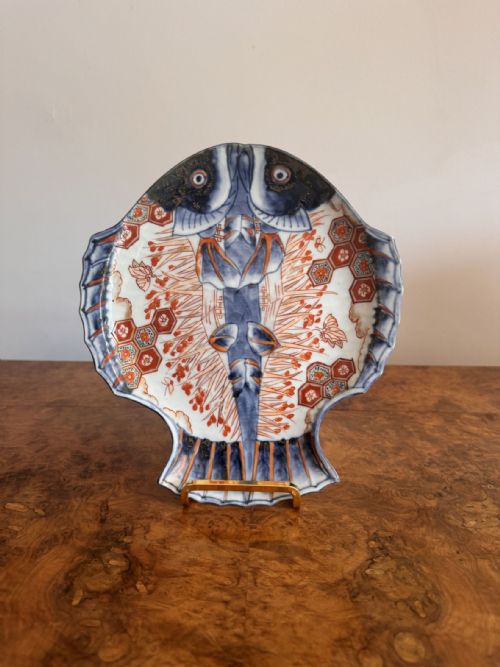
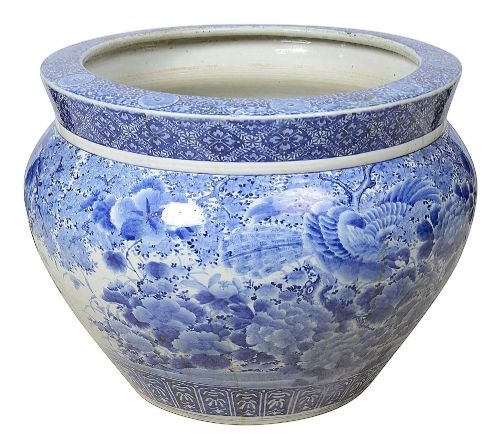
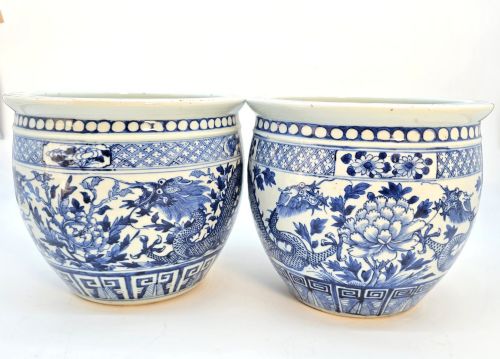
The selection extends beyond traditional canvases to include related decorative formats such as painted porcelain plates, lustre vases, and large jardinieres bearing fish and maritime designs. Many pieces bear signatures from established British and European schools, documenting historical ports, local vessels like cobles, and daily maritime labour. These artworks appeal to collectors seeking authentic nineteenth-century and Edwardian depictions of maritime heritage and rural river pursuits.
How They Were Made
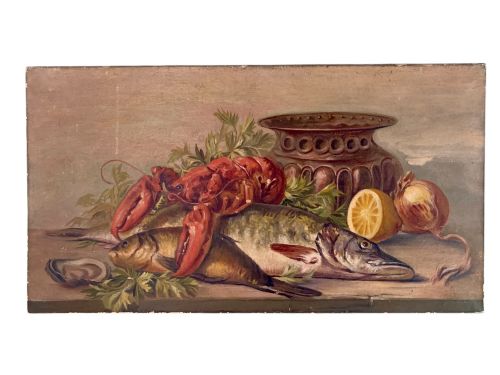
Artists utilised oil paint on canvas, wood panel, and card to build rich textures for maritime scenes, often capturing the weight of stormy skies and heavy seas. Watercolours on paper required precise pigment layering to render transparent coastal light, calm harbour waters, and delicate atmospheric haze. Ceramic pieces employed underglaze blue and polychrome enamel painting on porcelain, supplemented by lustre techniques.
Paintings were typically housed in original or period wooden frames, occasionally incorporating gilt mouldings suited to Victorian and Edwardian domestic interiors. The physical support - whether heavy woven canvas, millboard, or handmade paper - determined how the pigments held their brilliance over the decades.
Putti occasionally abandon classical duties to go fishing in nineteenth-century oils.
What Varies in Quality
The strength of composition and sureness of the artist's brushwork define the upper tier of these works, distinguishing hurried sketches from fully realised coastal studies. Superior examples display a confident handling of light upon water and accurate rendering of vessel rigging against turbulent skies.
Condition and originality play a significant role, with intact original wooden frames and well-preserved surfaces commanding greater appreciation among collectors. The clarity of artist signatures, documented local provenance, and the stability of the ground material further separate exceptional works from standard decorative pieces.
James Orrock·William Cannon·George Graham·James E. Aitken·Hector Caffieri·Thomas Creswick·Thomas Maidment·Alfred G. Morgan·William Henry Williamson·Florence Adelina Hess·John Holland·George Stanfield Walters·Henry Barlow Carter·Joseph Birbeck Senior·Charles Napier Hemy·William Lee Hankey·Sir David Murray·Gustave De Bréanski·Pieter Cornelis Dommersen·James Kyd·Robert Leslie Howey·Tom Clough·George Shaw·Eugenio Cecchini-Prichard·H Harding
The Antique Fishing Painting Glossary
- Watercolour
- A painting method where fine pigment powder is suspended in a water-soluble binder applied to paper. This medium was widely utilised by nineteenth-century artists for coastal and harbour studies.
- Oil on Canvas
- Pigment mixed with drying oil applied to a stretched woven fabric support. This combination allowed artists to create deep tonal gradations in marine and landscape scenes.
- Coble
- A traditional type of open fishing boat native to the north-east coast of England. These distinctive vessels frequently appear in regional marine watercolours and oil paintings.
- Jardiniere
- An ornamental ceramic pot or stand designed to hold large plants or floral arrangements. Examples in the evidence feature blue and white porcelain or famille rose decoration with fish motifs.
- Impressionism
- An artistic approach focusing on the accurate depiction of light and its shifting qualities. British interpretations of this style appear in late nineteenth and early twentieth-century coastal works.
Antique Fishing Painting: Frequently Asked Questions
What periods do these paintings date from?
The available artworks span the nineteenth century through the Edwardian era and into the 1930s, encompassing Victorian marine art and early twentieth-century British painting.
Pieces frequently display specific dates or stylistic markers tied to these periods, ranging from 1838-born artists to mid-century works.
How were fishing boats depicted in art?
Artists portrayed fishing boats in various coastal settings, including harbours, choppy seas, and during beach landings with their catch.
Specific regional craft like cobles and local vessels from ports such as Whitby, St Ives, and Scarborough feature prominently in the compositions.
Are these works signed by the artists?
Many of the listed pieces bear artist signatures or attributions to recognised British and European schools, documenting individual creators.
Signatures often appear alongside historical placenames that identify the specific coastal or river location captured on the canvas or paper.
What materials were used for these pieces?
The artworks utilise oil paint on canvas, wood panel, and card, alongside watercolours and pigments applied to heavy paper.
In addition to paintings, the category includes porcelain items such as Imari plates, lustre vases, and jardinières decorated with fish designs.