



Traditional Pastoral Landscape Painting
Traditional pastoral landscape painting captures rural life and countryside views, bringing quiet agricultural scenes and open fields into the home.
Traditional Pastoral Landscape Painting
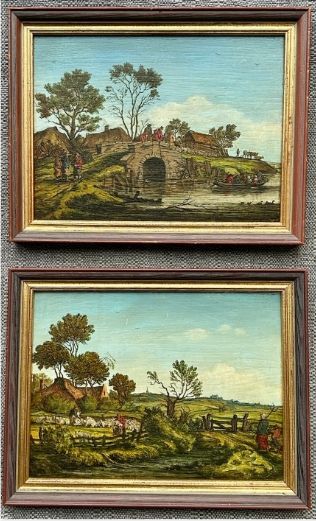
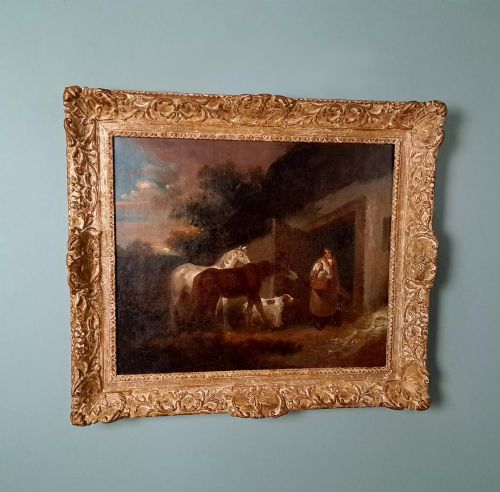
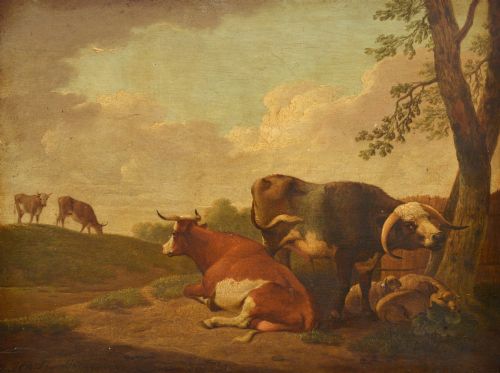
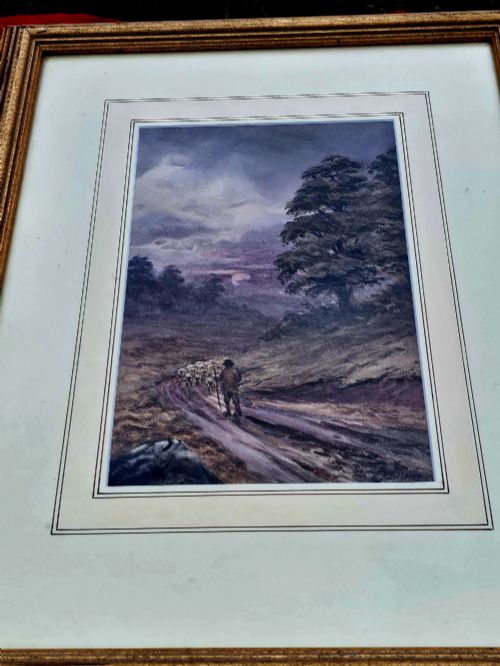
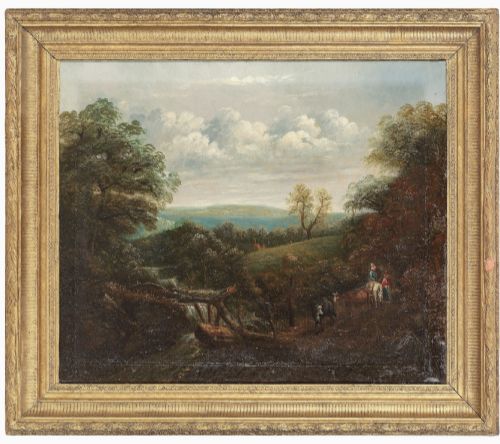
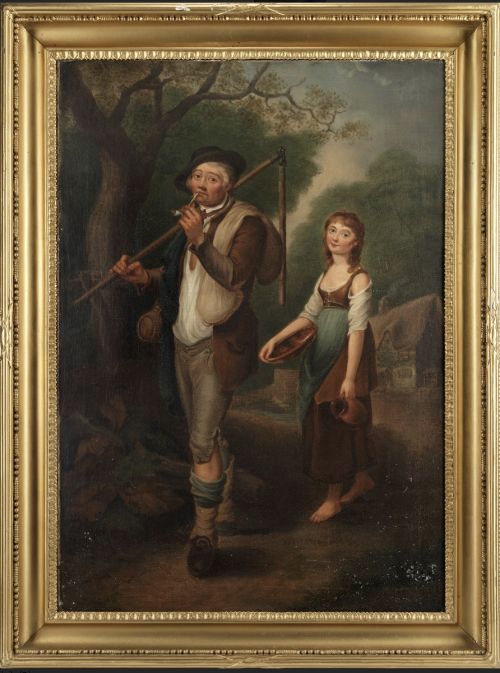
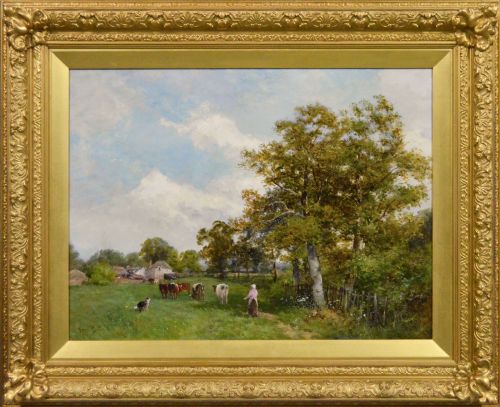
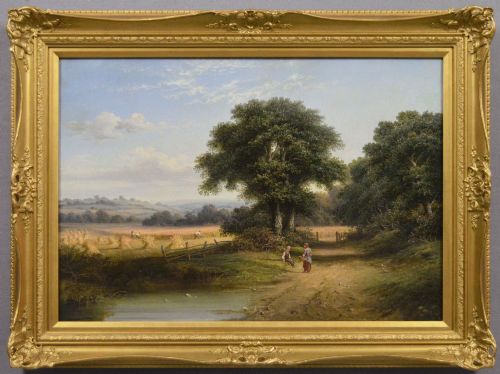
Traditional pastoral landscape painting depicts rural scenes populated by agricultural workers, farm animals, and quiet country settings. These works often show cattle, sheep, and figures beside rivers or harvest fields under calm skies.
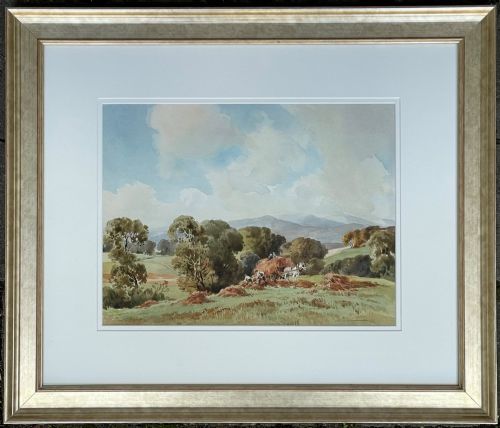
The pieces on this page span the nineteenth century and the early twentieth century, encompassing Victorian, Edwardian, and British Realism styles. Works frequently appear as oil paintings on canvas or wood panels, alongside watercolours on paper.
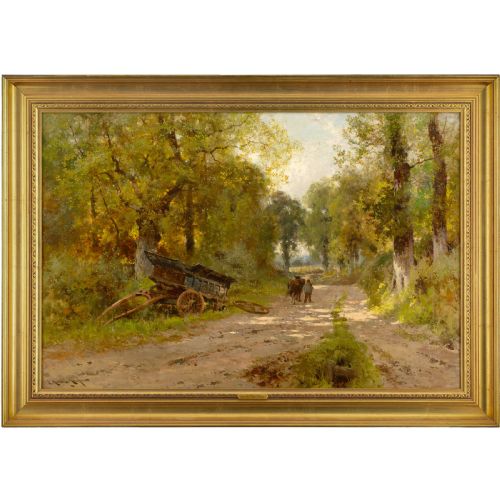
Origins range across British, Scottish, Flemish, and Dutch schools, capturing specific regional topography from English lanes to Highland lochs. Collectors encounter framed oils in gesso and giltwood alongside delicate watercolours.
How they were made
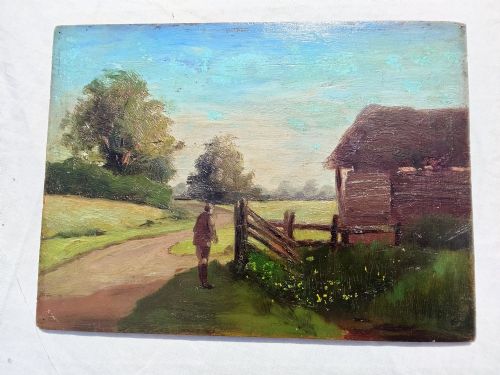
Artists built these traditional pastoral landscape painting works using oil paint on stretched canvas or prepared wood panels, which provided a durable and fine-grained ground. Watercolours on paper offered a lighter medium for swift rural studies and finished sheets alike.
Makers applied pigments with brushwork ranging from smooth academic blending to more visible realism, often finishing the pieces with carved gesso and giltwood frames.
Traditional Pastoral Landscape Painting Retail Price Guide 2026
Typical asking prices for traditional pastoral landscape painting among the pieces listed under this phrase on Sellingantiques today, from the lower quarter to the upper quarter. They describe what is for sale here now, not the wider market.
Prized shorthorn bulls and grazing sheep frequently upstage the human figures in these pastoral views.
What varies in quality
Quality rests on the precision of draftsmanship in rendering animal anatomy, human figures, and foliage within the composition. Stronger works demonstrate a secure grasp of natural light, atmospheric perspective, and tonal harmony across the pastoral view.
The handling of paint or watercolour wash distinguishes standard decorative pieces from accomplished fine art productions. Finer examples retain clear signatures, well-preserved surfaces, and original framing materials that complement the period.
William H Myers·Tom Campbell·John Horace Hooper·William Joseph Shayer Senior·Hendrik Willem Schweickhardt·George Oyston·William Watson Jnr·Henry H Parker·Henry Schouten·George Morland
The Traditional Pastoral Landscape Painting Glossary
- Oil on Canvas
- Pigments bound in drying oil applied to a woven fabric support stretched over a wooden frame. This technique allowed artists to achieve rich colour depth and subtle tonal gradations.
- Wood Panel
- A rigid flat wooden support used as a painting surface before canvas became dominant. It provides a smooth, stable ground favoured for detailed nineteenth-century works.
- Giltwood
- Wood carved and coated with a thin layer of gold leaf. It forms the ornate decorative framing typical of nineteenth-century fine art.
- Watercolour
- A painting method where coloured pigments are suspended in a water-soluble vehicle on paper. It creates transparent washes and delicate atmospheric effects.
- Gesso
- A paint mixture consisting of a neutral binder mixed with chalk or gypsum. It prepares wooden panels and frames for gilding and painting.
Traditional Pastoral Landscape Painting: Frequently Asked Questions
What is a traditional pastoral landscape painting?
A traditional pastoral landscape painting is an artwork depicting rural countryside views, agricultural workers, and livestock such as cattle or sheep. These works focus on idyllic rural life and natural scenery.
Created primarily during the nineteenth and early twentieth centuries, these paintings use oil or watercolour to capture quiet moments by rivers, woodland paths, and harvest fields.
How do I identify the period of a pastoral painting?
Dating relies on stylistic clues, clothing worn by figures, framing materials, and the support medium used by the artist. Canvas, wood panels, and paper all reflect the manufacturing standards of their era.
Signatures, artist dates, and recorded exhibition styles also help place a painting within the Victorian, Edwardian, or Georgian periods.
Where should I hang a pastoral landscape?
These paintings suit traditional living spaces, studies, and dining rooms where their calm rural subjects complement classic interior decor. Placing them away from direct sunlight protects the pigments and paper.
Pairing the artwork with period giltwood or wooden frames enhances its visual integration into a room.
What subjects appear in pastoral scenes?
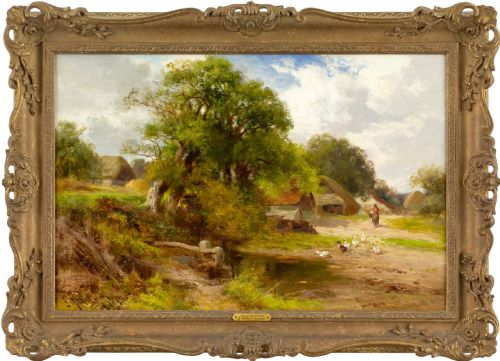
Common subjects include herds of sheep and cattle, milkmaids, shepherds, and agricultural labourers working in fields. Rivers, woodland paths, and cottages feature frequently as settings.
Artists often depicted specific regional topographies, from English country lanes to Scottish Highland landscapes.