
Traditional Painted Furniture
Traditional painted furniture brings character through colour, uniting pine chests, cupboards and benches from various regional traditions.
Traditional Painted Furniture
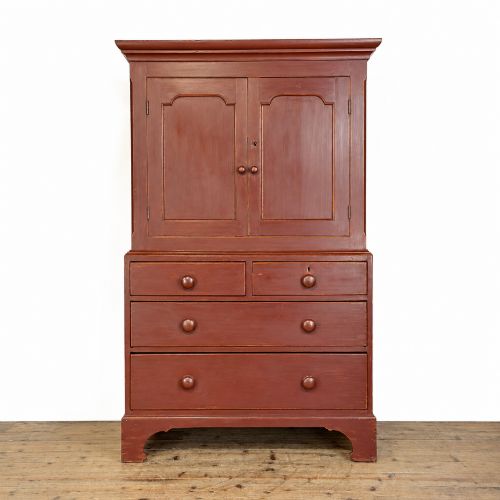
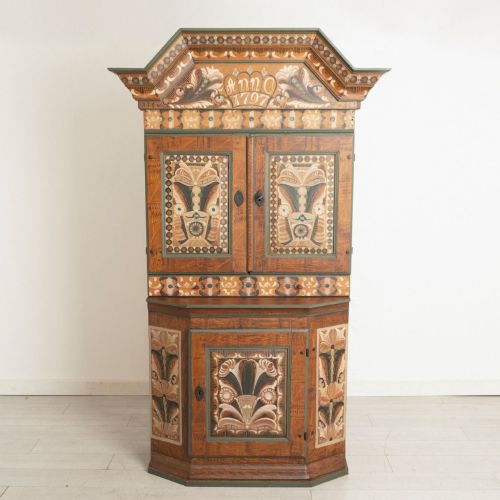
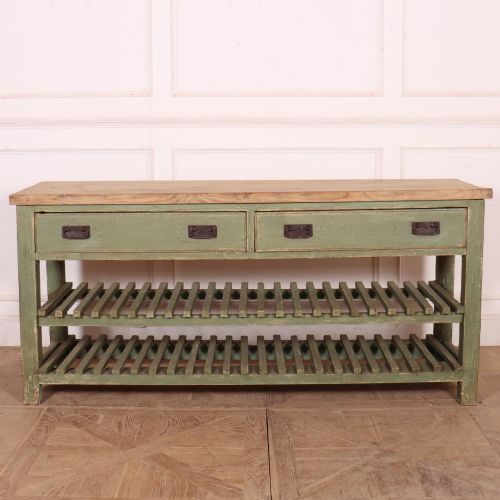
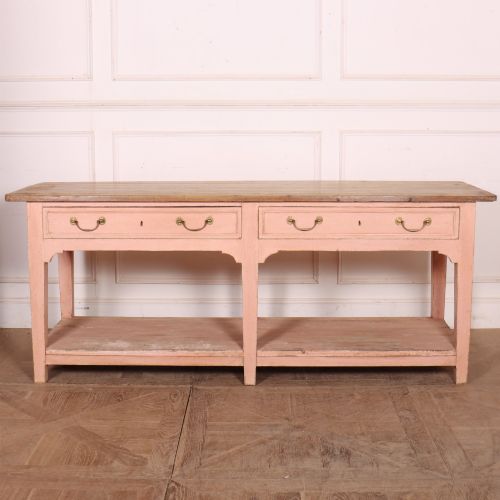
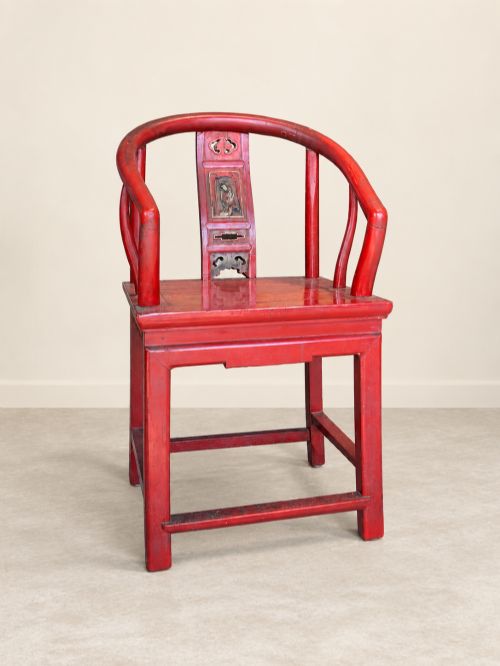
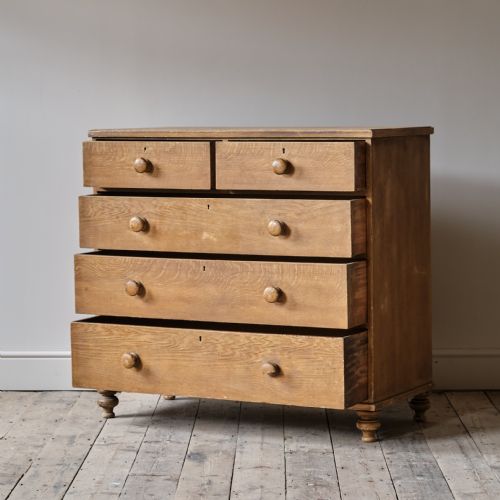
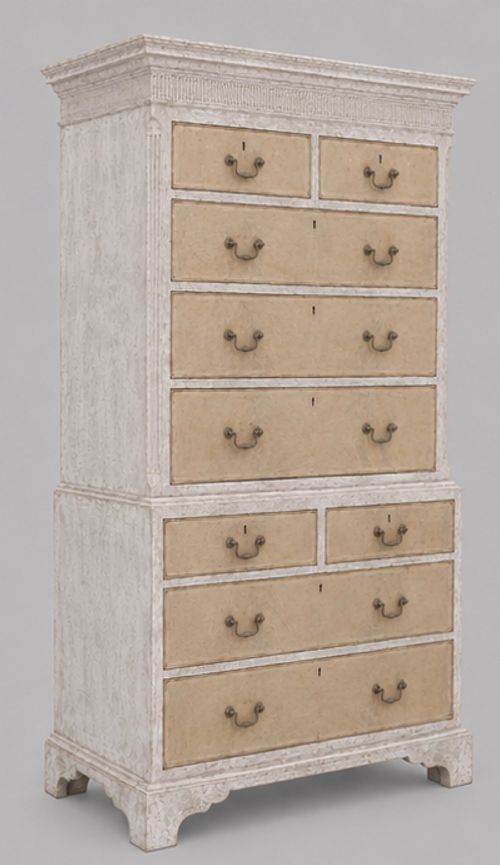
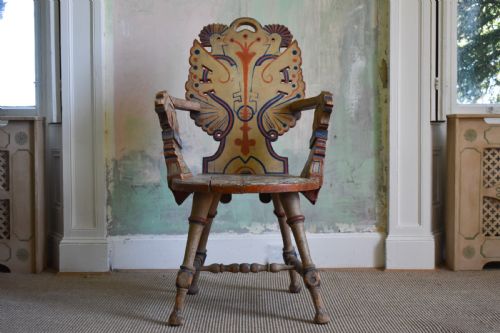
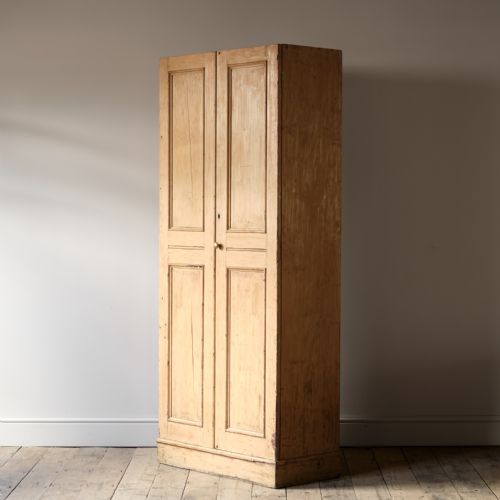
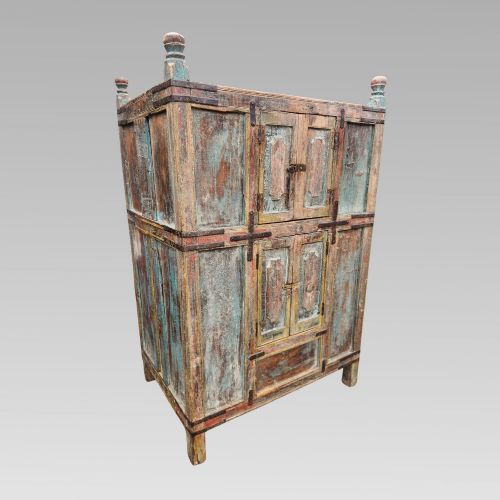
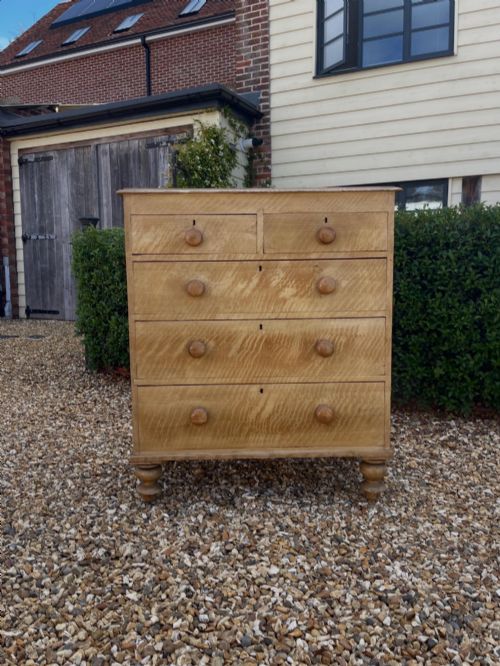
Traditional painted furniture encompasses practical timber pieces coated in pigment, spanning utilitarian storage and seating forms. When searching for traditional painted furniture, buyers encounter items ranging from simple pine cupboards to decorated cabinets.
The selections on this page lean heavily towards nineteenth-century pine and regional country pieces. Hungarian benches, English dressers and Scandinavian seating dominate the available forms.
Domestic utility defines these objects, whether as kitchen dressers, linen cupboards or hallway benches. Each piece served a daily purpose in domestic spaces before entering the antique market.
How they were made
Pine and assorted hardwoods formed the foundational structures, assembled with standard joinery techniques appropriate for domestic use. Surfaces were then prepared to receive coats of lead or oil-based paint, often applied directly over earlier layers.
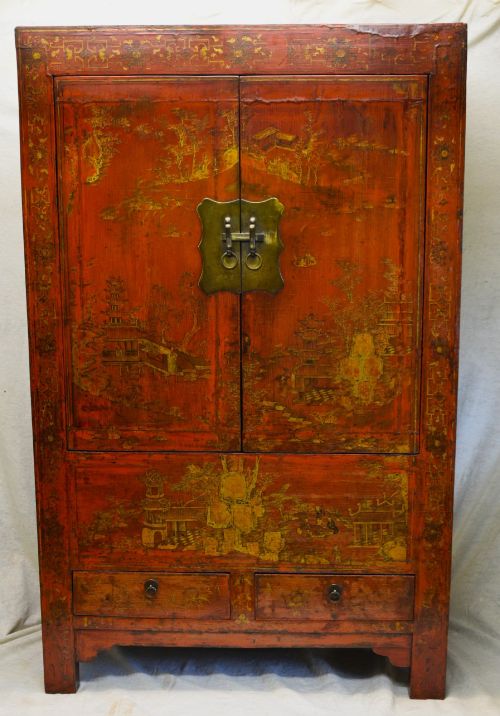
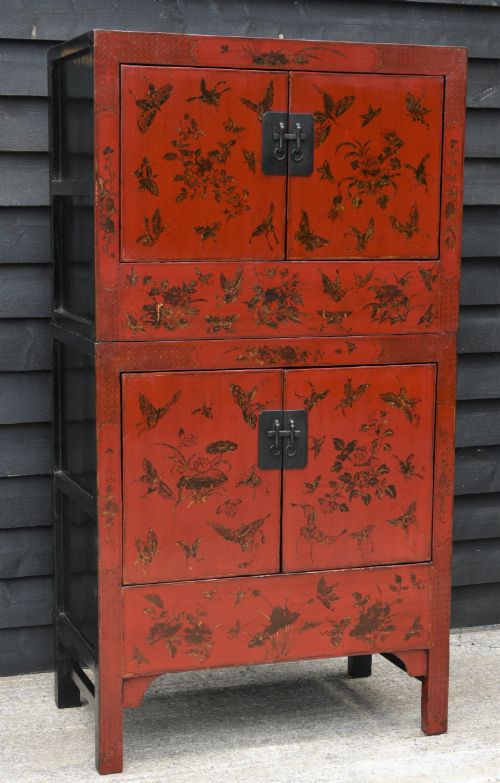
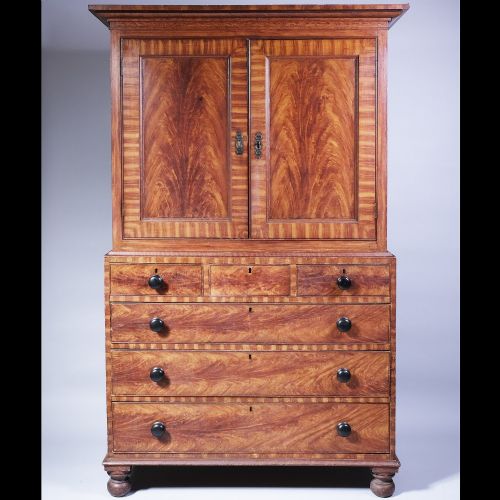
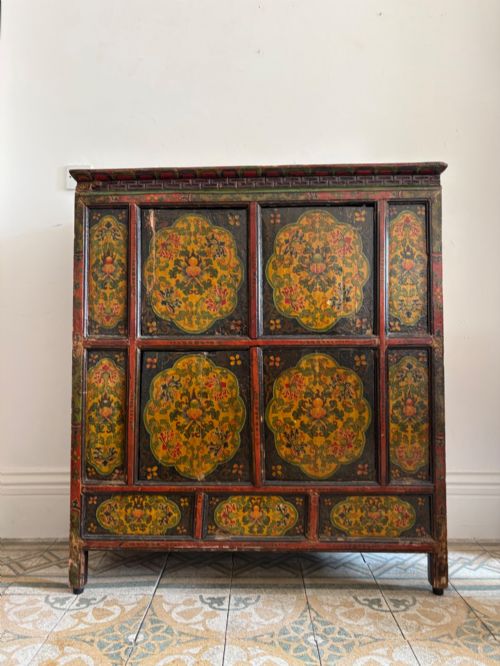
Regional finishing methods varied from plain flat colours to scumble graining and floral decoration. Lacquer work appears on imported Asian cabinets, utilising traditional resin applications on timber frames.
Listings feature pine, hardwood and cast iron materials across eighteenth, nineteenth and twentieth-century periods.
What varies in quality
The survival of original surface paint distinguishes superior examples from stripped or later repainted items. Depth and integrity of the early decorative layers dictate desirability among collectors.
Construction robustness and timber selection also separate ordinary utility items from finer workshop pieces. Well-proportioned cupboards and benches with intact structural joinery command greater attention.
G & J Lines of London
The Traditional Painted Furniture Glossary
- Scumble paint
- A decorative technique involving translucent glaze dragged or manipulated over a paler base coat to simulate finer grain. This method was widely used on utilitarian cupboards to mimic expensive timber.
- Potboard dresser base
- A kitchen storage base featuring an open lower shelf traditionally used for storing earthenware pots. These sturdy pine and hardwood surfaces formed the backbone of country farmhouse kitchens.
- Box settle
- A high-backed wooden bench with a lidded storage compartment beneath the seat. They kept draughts away from firesides while concealing blankets or household goods.
- Almirah
- An upright freestanding cabinet or cupboard used for storage. The term is common in colonial and Indian contexts for panelled timber wardrobes.
- Lacquer
- A durable finish produced from natural tree sap applied in multiple thin layers. It provides a glossy, protective surface found on traditional Asian furniture.
Traditional Painted Furniture: Frequently Asked Questions
How do I clean painted antique furniture?
Dust surfaces gently with a dry microfibre cloth to remove daily debris. Avoid modern chemical sprays or wet wipes, which strip fragile historic paint layers.
Test any cleaning method on a hidden underside first. Preservation of the original pigment remains paramount.
What is scumble paint?
Scumble paint involves dragging a darker translucent glaze over a lighter painted base coat. This creates simulated wood grain or mottled effects on plain pine.
Cabinetmakers used this technique during the nineteenth century to elevate budget furniture visually.
Are these pieces in original paint?
Many listings specify original or early surface paint, though some items bear later decorative coats. Examination under magnification reveals underlying layers and wear patterns.
Original surfaces show natural softening and wear consistent with age and domestic use.
How were Hungarian benches used?
Hungarian benches served as primary seating along walls in rural homes and farmhouses. Their long timber seats accommodated multiple family members daily.
Many examples feature integrated box storage beneath the seat for household linens and dry goods.