


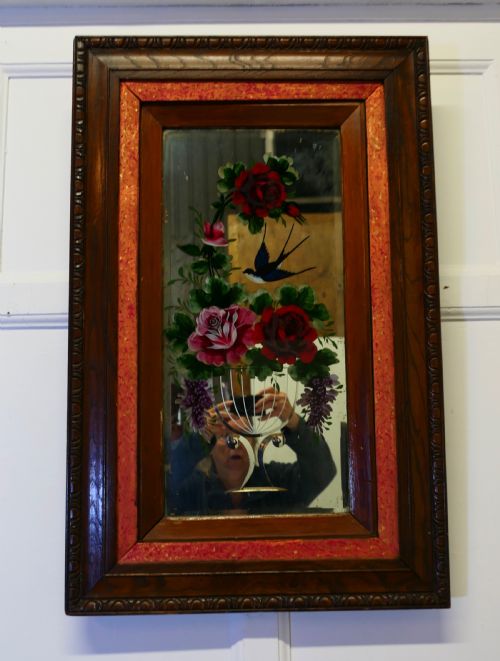


Traditional Painted Frame Mirror
These traditional painted frame mirror pieces bring painted timber, gesso and glass together to anchor a room.
Traditional Painted Frame Mirror
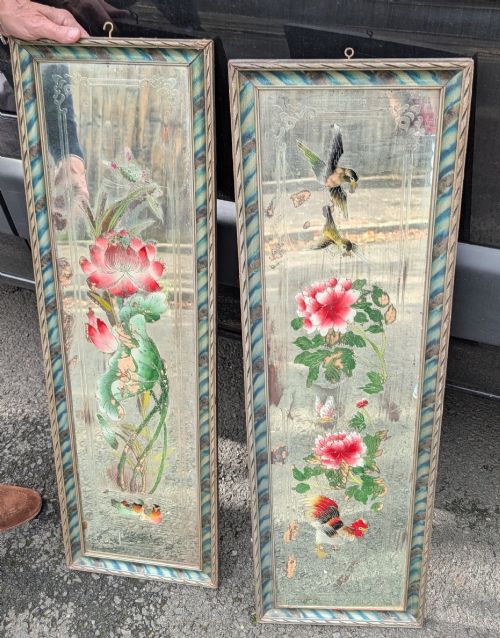
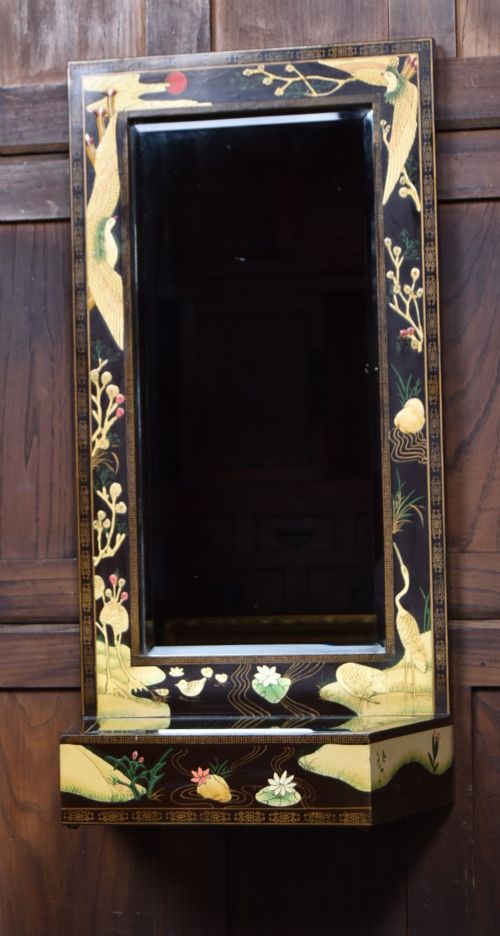
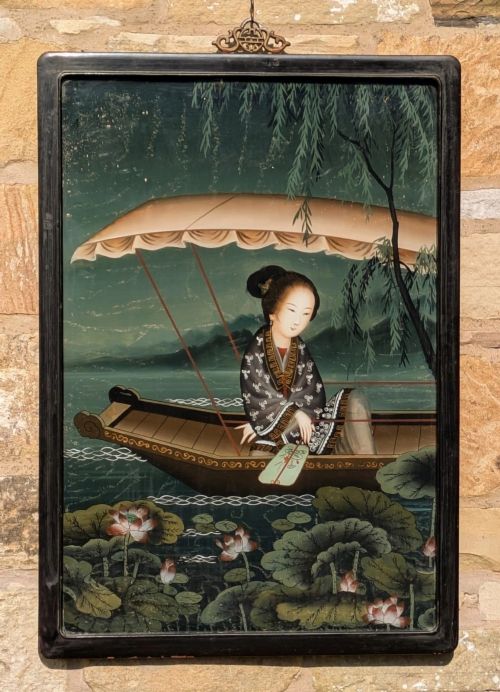
When you search for a traditional painted frame mirror, you encounter wall mirrors and overmantel mirrors spanning the nineteenth century up to nineteen twenty. These pieces include English country examples, Victorian arched top designs, and Chinoiserie works featuring reverse glass painting.
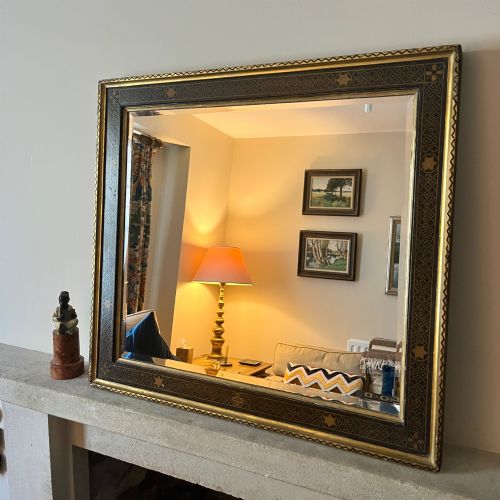
You are most likely to meet wall mirrors and overmantel mirrors finished in paint, gesso, and gilt, alongside walnut frames built in Georgian and Queen Anne revival styles. The selection ranges from large architectural overmantels to decorative hanging wall panels.
How they were made
Maker construction relies on carved wood and moulded gesso forming the structural frame before layers of paint, gilt, or gold leaf are applied. Reverse glass painting and oil paint add decorative pictorial elements directly to the panel or surface.
Finishes vary from simulated wood grain and parcel gilt highlights to over-painted gilt surfaces and hand-painted foliate panels. Walnut and glass serve as the primary foundational materials across the English, French, and Asian pieces.
Materials across the listings include glass, wood, paint, gesso, walnut, gold leaf, gilt, and oil paint.
What varies in quality
Quality rests in the execution of the carved wood and gesso relief work, where crisp detail separates superior frames from simpler mouldings. The depth and preservation of the hand-painted surfaces, reverse glass paintings, and gilt layers also set finer pieces apart.
Proportion and scale dictate the visual weight of the overmantel and wall mirrors, with well-balanced architectural frames commanding attention. The integrity of the original paint and gold leaf surfaces governs the enduring character of each piece.
The Traditional Painted Frame Mirror Glossary
- Gesso
- A plaster-like mixture applied to wood frames to create a smooth surface for painting or gilding. It allows for intricate relief moulding before the final finish is applied.
- Overmantel Mirror
- A large mirror designed specifically to hang above a fireplace mantel. These pieces often feature architectural arches and substantial carved frames.
- Reverse Glass Painting
- An artwork technique where the image is painted directly onto the back of a glass panel and viewed from the front. This method creates a glossy, luminous finish.
- Parcel Gilt
- A decorative treatment where only specific portions of an object are covered in gold leaf. It creates contrast against a painted or wood grain background.
- Oleograph
- A mechanical colour print textured to imitate an oil painting on canvas or paper. These appeared frequently in nineteenth-century domestic interiors.
Traditional Painted Frame Mirror: Frequently Asked Questions
How do I hang a heavy overmantel mirror?
Heavy overmantel mirrors require secure wall fixings anchored directly into masonry or substantial timber studs to support their substantial weight.
Professional mirror hangers use heavy-duty brackets distributed evenly across the frame structure to ensure stability.
Where should I place a traditional painted mirror?
These mirrors suit chimney breasts, entrance halls, and living rooms where they reflect natural light and anchor the wall space.
Pairing an overmantel mirror above a fireplace remains the traditional placement for these architectural forms.
How do I clean an antique painted frame?
Dust the carved wood and gesso frame gently with a dry, soft-bristled brush to protect fragile painted and gilt surfaces.
Avoid chemical cleaning products and excessive moisture, which can damage aged paint, gold leaf, and reverse glass panels.
What is the difference between an overmantel and a wall mirror?
Overmantel mirrors are traditionally built wider and designed to sit horizontally above a fireplace mantelpiece.
Standard wall mirrors generally feature more balanced vertical or circular proportions suited for general room placement.