
Traditional Oriental Wool Carpet
A traditional oriental wool carpet brings warmth and deep heritage into a room, offering enduring craftsmanship woven from centuries of regional design.
Traditional Oriental Wool Carpet
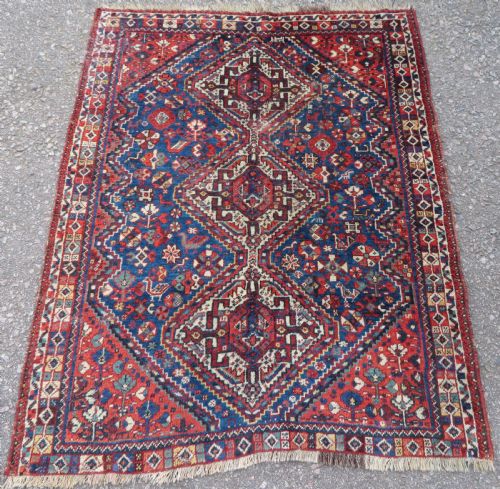
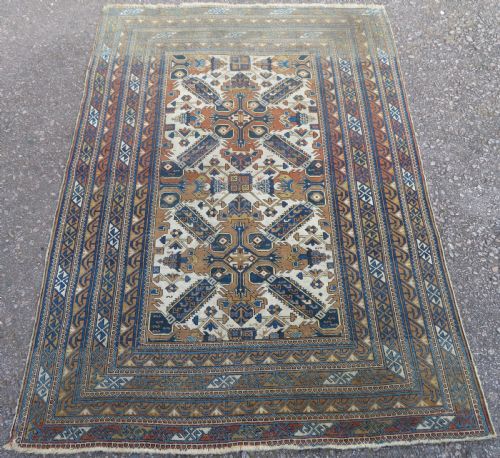
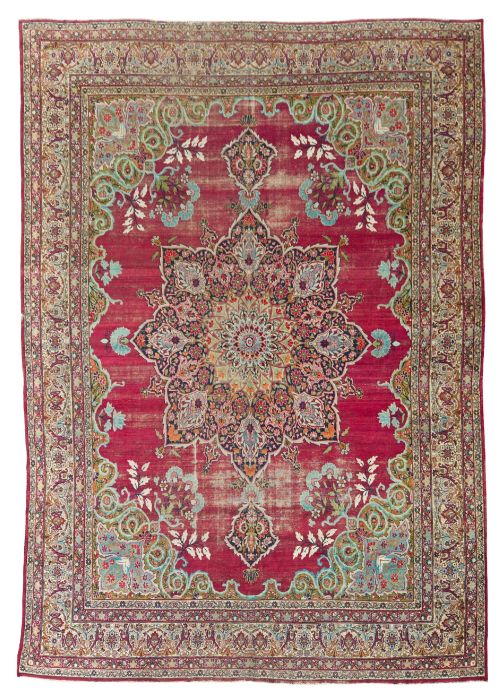
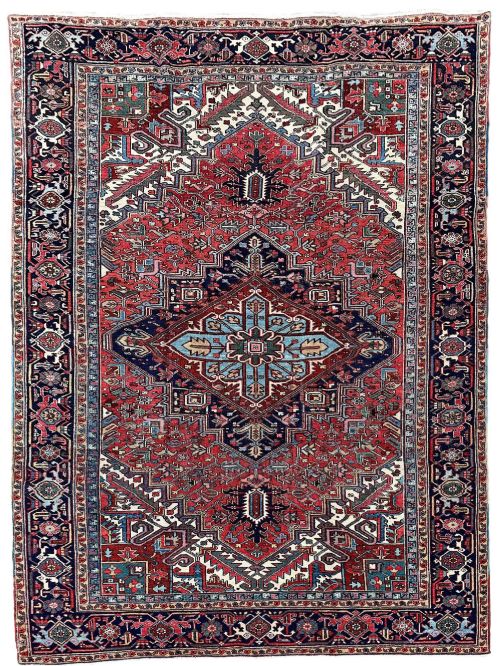
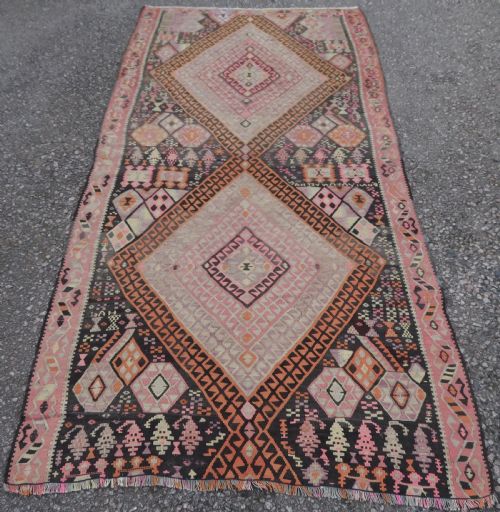
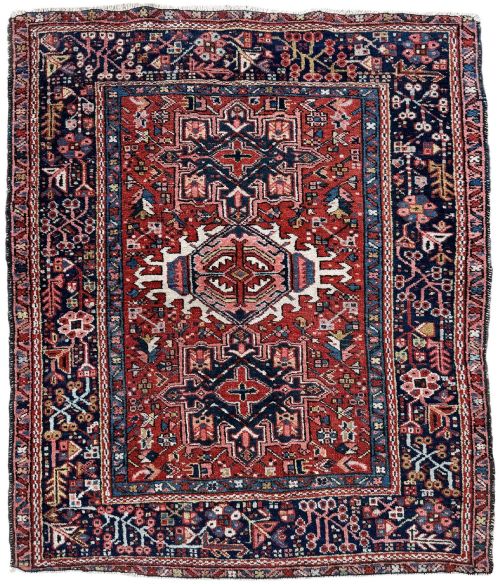
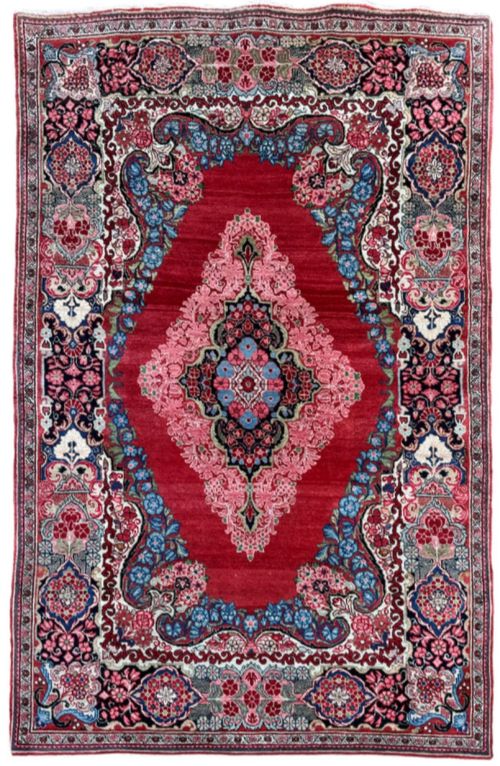
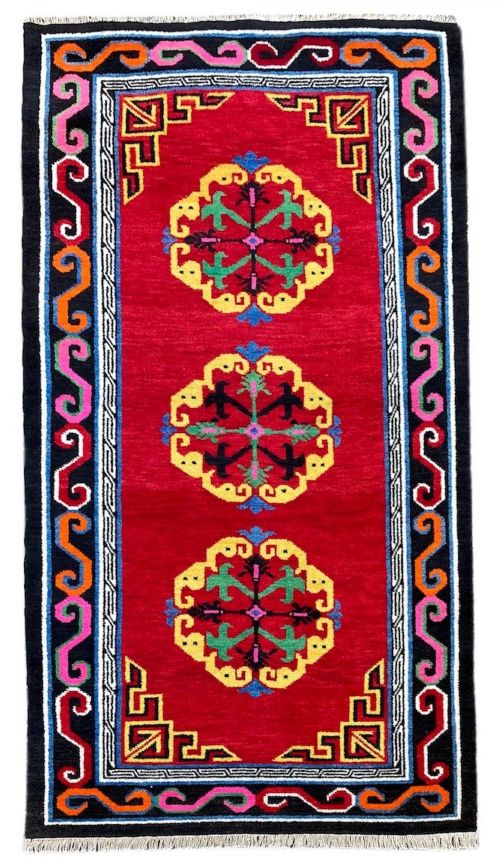
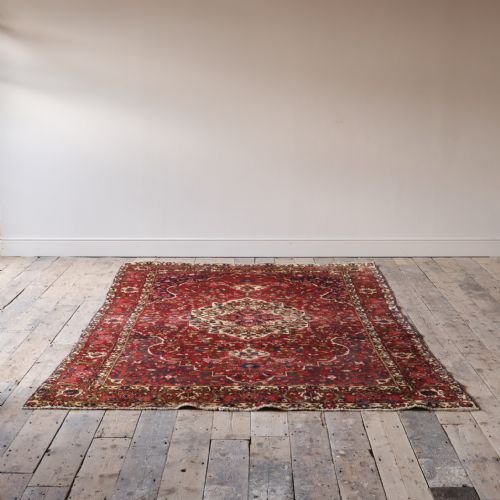
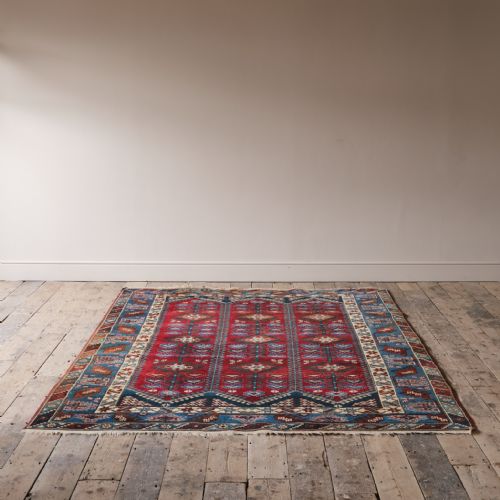
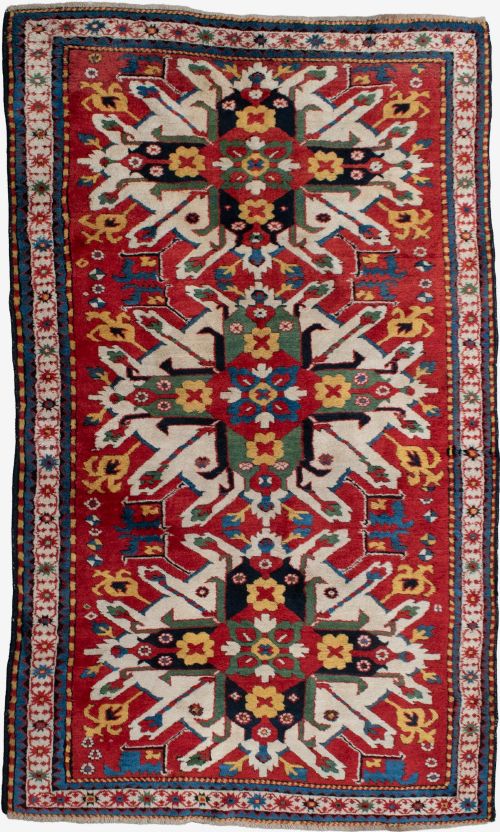
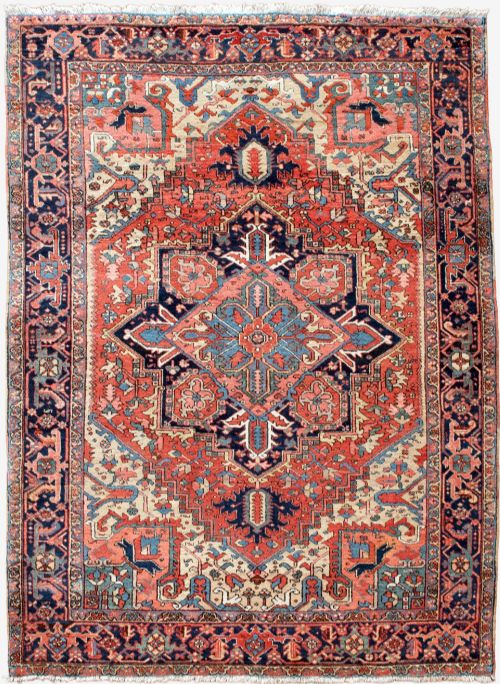
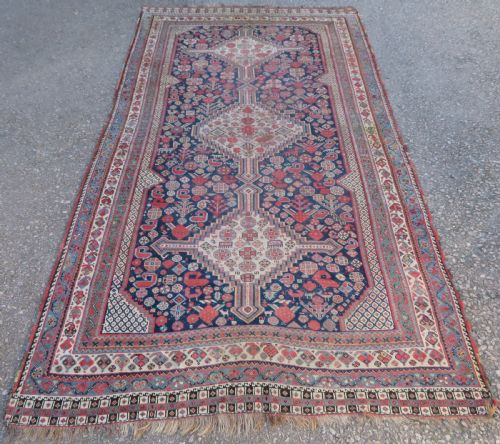
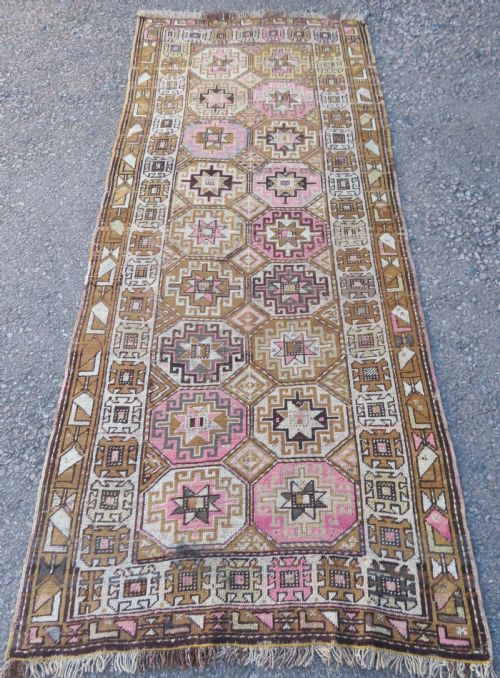
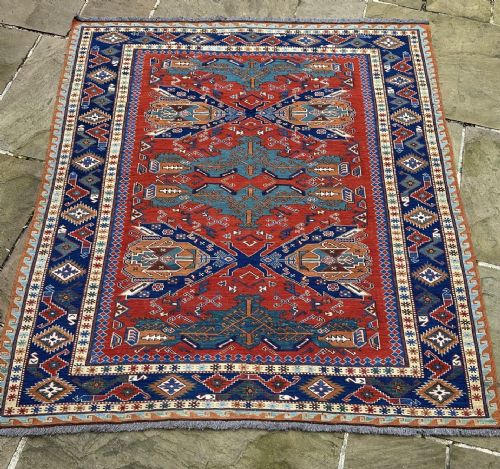
A traditional oriental wool carpet represents a rich tapestry of regional weaving traditions spanning the nineteenth and early twentieth centuries. These floor coverings range from expansive country house carpets and town workshop creations to nomad and village weavings. Buyers frequently encounter diverse regional identifiers in this category, encompassing Persian, Caucasian, Turkish, and Turkmen pieces.
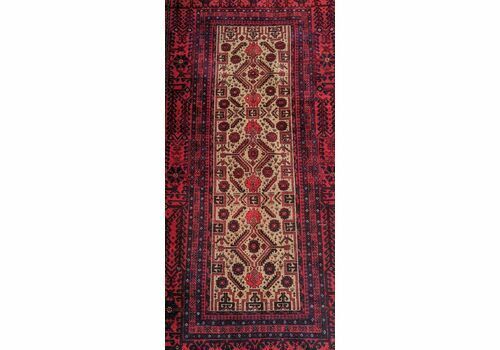
The assortment includes everything from small prayer rugs and narrow runners to large carpets suited for principal rooms. Pieces from centres like Tabriz, Heriz, Saroukh, and Oushak sit alongside tribal works from Baluch, Bakhtiar, and Kurdish makers. Each item carries specific stylistic markers tied to its geographic origin and period.
Dating primarily from the 1870s through the 1930s, these carpets display considerable variety in format and decorative vocabulary. Geometric medallions, all-over floral repeats, and architectural prayer niches define the visual landscape of the inventory. Selecting one depends on matching the scale, palette, and tribal or urban aesthetic to the intended interior space.
Materials and Construction Methods
Construction relies primarily on natural wool, cotton foundations, and occasionally silk highlights to delineate finer details. Weavers utilised hand-spun wool for its resilience and capacity to hold rich pigmentation over decades of use. Cotton typically forms the warp and weft threads that provide structural stability to the knotted pile.
Colour derives from natural dyes applied to the fibres before weaving, yielding nuanced variations in tone across the surface. Artisans knotted the wool by hand onto vertical or horizontal looms, employing different knot types specific to particular regions and nomadic tribes. This meticulous hand-weaving process ensures structural integrity and a dense pile capable of withstanding heavy foot traffic.
Factors Defining Quality
Quality in a traditional oriental wool carpet rests on the density of the knotting and the fineness of the materials selected. Tighter knots allow for sharper definition in intricate geometric and floral motifs, reflecting the skill of the artisan. The purity of the wool and the depth achieved through natural dyes further separate standard village output from master workshop productions.
Structural balance and the consistency of the weave contribute significantly to the overall merit of a textile. A well-executed piece maintains straight edges, a uniform pile height, and a harmonious palette that has aged gracefully. The integrity of the foundation threads and the preservation of the original borders indicate superior original manufacture and careful historical upkeep.
The Traditional Oriental Wool Carpet Glossary
- Prayer Rug
- A small carpet featuring a mihrab or arch design indicating the direction of Mecca, traditionally used for daily devotions. These pieces often display concentrated symbolic imagery within the central niche.
- Runner
- A long, narrow carpet format designed specifically for corridors, hallways, or staircases. They balance proportion and pattern along extended lengths.
- Natural Dyes
- Colourants extracted from plants, insects, and minerals rather than synthetic chemical processes. They age with a soft, complex patina over time.
- Soumak
- A flat-weaving technique where the decorative threads are wrapped over the warp threads rather than knotted. This method creates a sturdy, textured surface without a raised pile.
- Mihrab
- The arched architectural motif depicted on prayer rugs to symbolise a doorway or prayer niche. It forms the focal point of the carpet's composition.
Traditional Oriental Wool Carpet: Frequently Asked Questions
How do I clean an old wool carpet?
Professional immersion washing by a specialist in antique textiles is the safest method for removing deep-seated dirt without damaging fragile fibres.
Regular gentle vacuuming without a beater bar helps maintain the surface between professional cleanings.
Can I place these carpets in high traffic areas?
Sturdily constructed wool and cotton carpets withstand normal domestic foot traffic quite well when laid over a quality underlay.
Delicate silk highlights or extremely fine antique prayer rugs benefit from placement in lower-traffic settings to preserve their condition.
How do I identify a tribal rug from a town rug?
Tribal rugs typically feature bolder geometric patterns, asymmetrical designs, and thicker, more rustic wool from nomadic or village weavers.
Town rugs display finer, more symmetrical floral motifs, complex curved lines, and structured compositions originating from established workshops.
What does a mihrab design signify?
The mihrab represents the prayer niche in a mosque, pointing toward Mecca for devotional purposes.
In domestic settings, this architectural element transformed into a portable sacred space for daily prayer.