


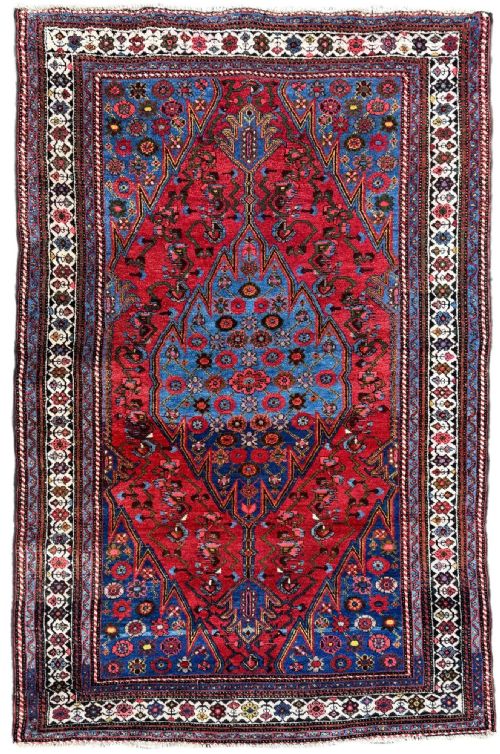
Blue and Red Persian Carpet
A blue and red persian carpet brings centuries of nomadic and village weaving traditions straight to the floor.
Blue and Red Persian Carpet
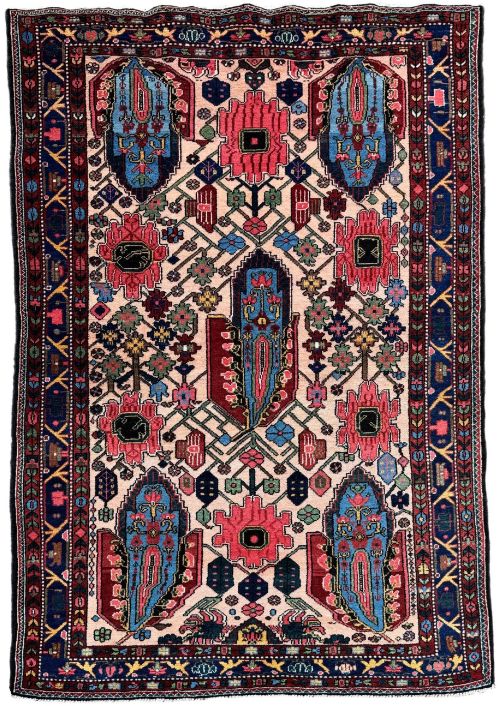
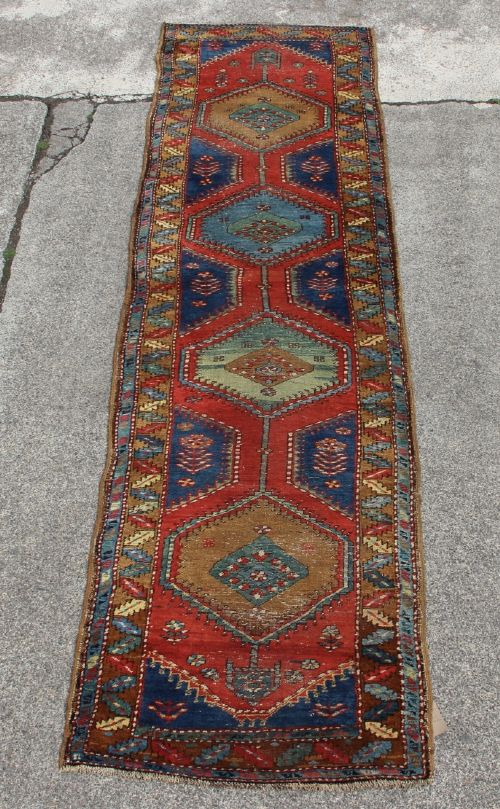
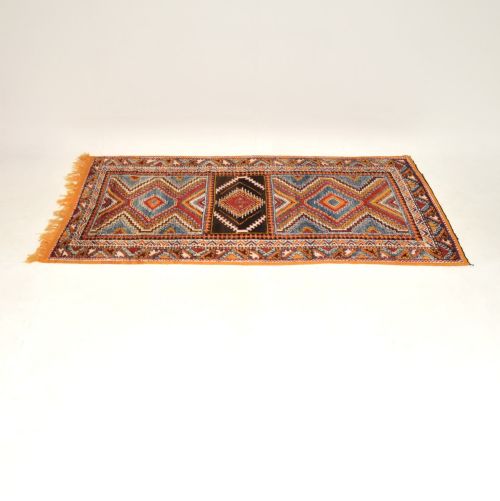
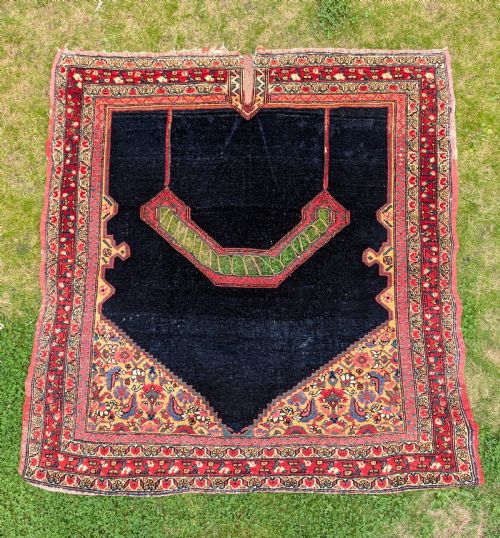
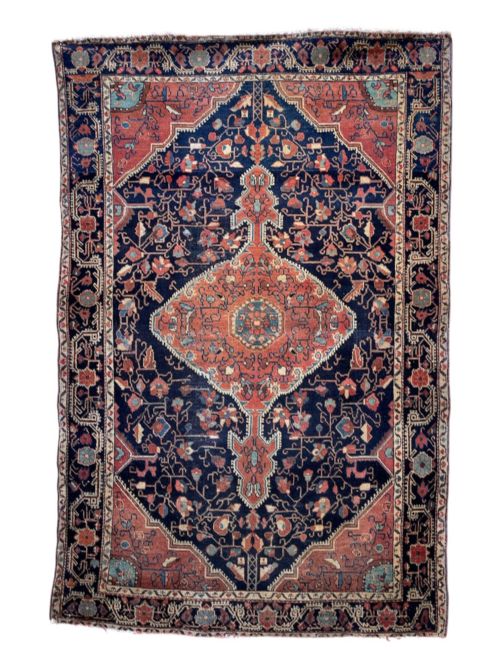
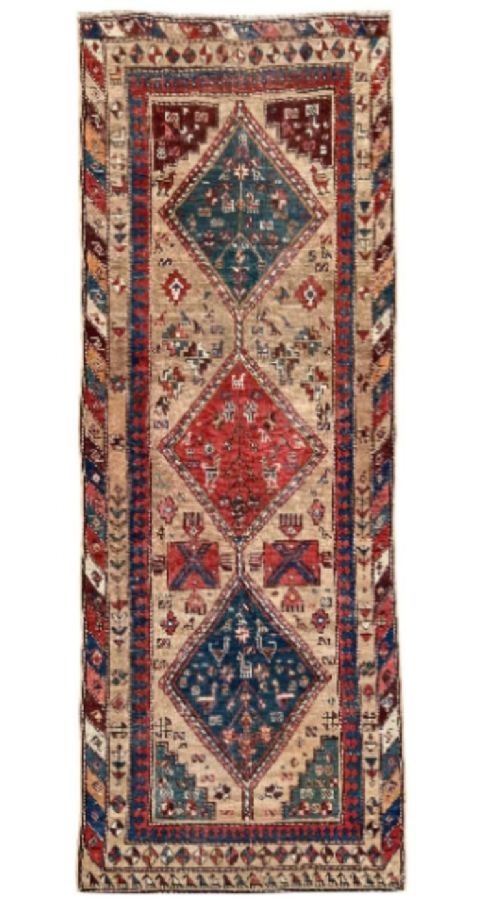
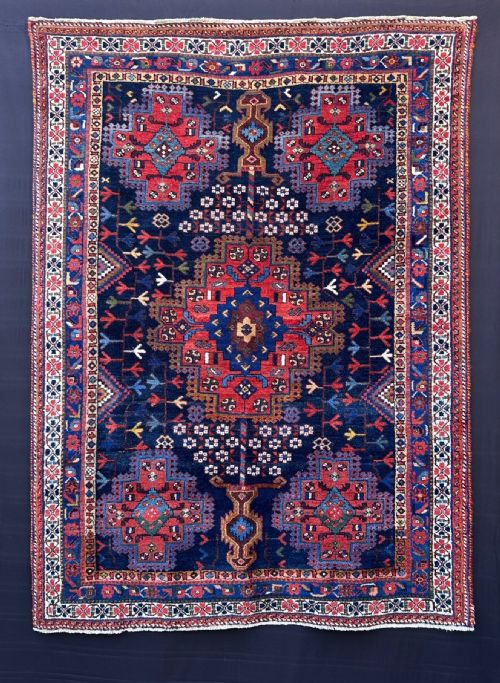
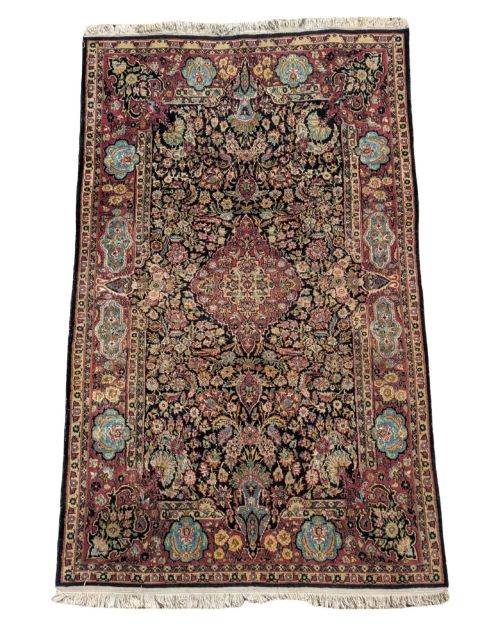
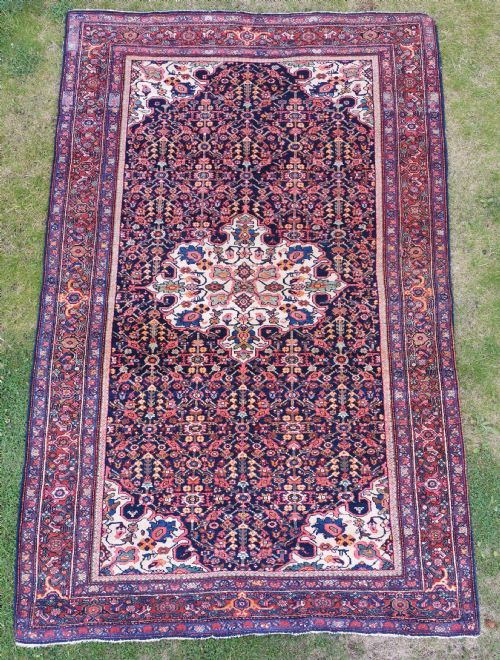
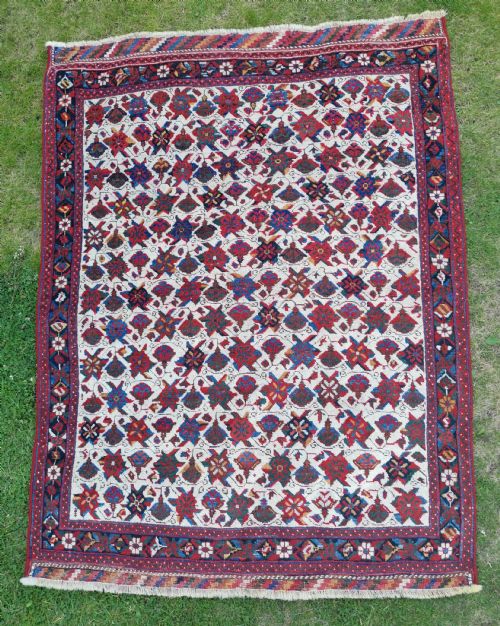
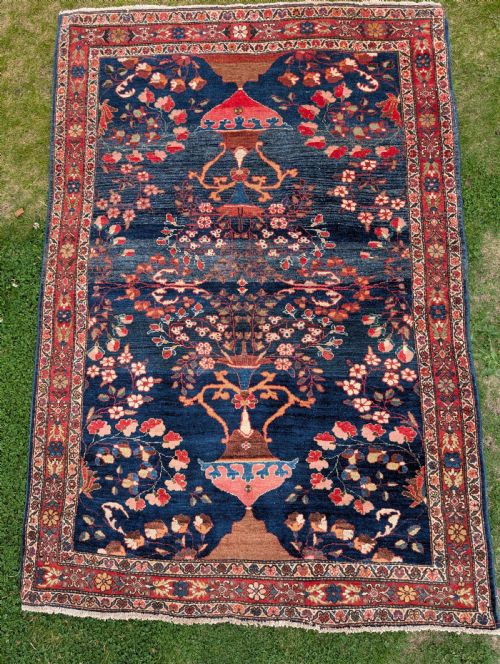
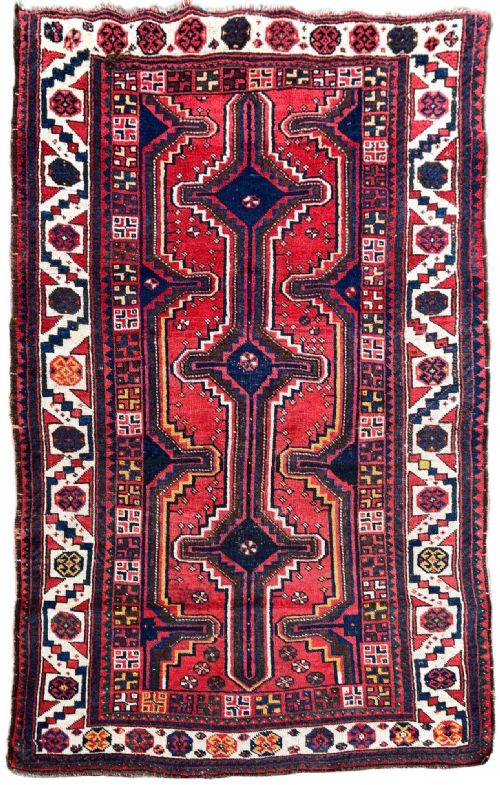
A blue and red persian carpet encompasses centuries of village and tribal floor coverings originating from distinct regions and weaving traditions. Buyers searching for a blue and red persian carpet typically encounter hand-knotted wool rugs and large carpets dating from the nineteenth and early twentieth centuries. These pieces display classic formats ranging from small area rugs and saddle covers to expansive Heriz and Serapi carpets.
The selection includes specific regional types such as Heriz, Bakhtiar, Afshar, Khamseh, and Jozan rugs. Each type carries characteristic geometric or medallion layouts executed in deep indigo blues and rich madder reds. These floor coverings function both as durable everyday surfaces and as historic textile art.
Materials and construction
Makers constructed these carpets primarily using hand-spun wool for the pile and cotton for the foundation warps and wefts, though some pieces incorporate silk highlights. Artisans tied individual knots by hand onto vertical looms, securing the rows with sturdy wool or cotton weft threads.
Dyers utilised natural materials to achieve the signature blue and red palettes, drawing indigo from plants and reds from madder root. This combination of hand-spun wool and natural dye creates a durable structure with a rich, varied surface texture.
Object forms on this page range from small saddle covers and runner rugs to large room-sized Heriz and Ferahan carpets.
Assessing quality
Quality rests upon the fineness of the knotting, the precision of the geometric or medallion design, and the clarity of the natural dyes. Tighter knot density and finer wool produce a crisper pattern and a more resilient pile that handles foot traffic gracefully.
The depth and saturation of the indigo blues and madder reds dictate visual impact, with superior pieces showing subtle variations in tone known as abrash. The integrity of the original selvedges and ends further separates standard village weaving from exceptional examples.
Khamseh Carpet·Heriz Carpet·Bakhtiar Rug·Senneh Saddle cover·Jozan Sarouk rug·Bakshiash Carpet
The Blue and Red Persian Carpet Glossary
- Abrash
- Natural tonal variation within a single colour field caused by variations in wool batches or dye lots. This subtle striping adds depth to the rug surface.
- Warp
- The vertical foundation threads that run lengthwise through the carpet from fringe to fringe. The knots are tied directly onto these structural cords.
- Weft
- The horizontal threads passed back and forth across the warp threads between rows of knots. They bind the structure together firmly.
- Medallion
- A large central ornamental motif placed in the middle of the carpet field. Many traditional designs revolve around this focal point.
- Selvedge
- The finished side edges of a rug formed by wrapping the outermost warp threads. Good selvedges protect the body of the weaving from fraying.
Blue and Red Persian Carpet: Frequently Asked Questions
How do I date a blue and red persian carpet?
Dating relies on examining the wool quality, the chemical or natural nature of the dyes, and the structural construction visible on the reverse. Stylistic indicators like specific medallion formats and border motifs also point towards distinct decades.
Nineteenth-century examples often display softer, more depressed foundations and organic dye variations, whereas later pieces from the early twentieth century utilise slightly different knotting densities and sharper palettes.
Where were these carpets originally woven?
Weavers produced these textiles across various regions of Persia, ranging from permanent village workshops in Heriz and Jozan to nomadic tribal territories in the south.
Each weaving group developed distinct structural traits and local motifs that distinguish an Afshar or Khamseh piece from a northern Heriz carpet.
Are these carpets suitable for heavy foot traffic?
Hand-spun wool piled onto sturdy cotton foundations makes these traditional rugs exceptionally durable for everyday use in hallways and living spaces. Their robust construction allows them to endure regular walking while maintaining their structural integrity.
Placing a proper underlay beneath the carpet prevents sliding and reduces friction against hard flooring.
How should I clean and maintain my carpet?
Routine maintenance involves gentle vacuuming without the beater bar engaged to prevent snagging the hand-knotted pile. Professional textile cleaners who specialise in antique oriental rugs should handle deep washing.
Keeping the carpet out of direct, prolonged sunlight preserves the natural indigo blues and madder reds from fading prematurely.