





Traditional Oriental Desk Lamps
Traditional oriental desk lamps bring historic craftsmanship and rich decorative styles to modern workspaces.
Traditional Oriental Desk Lamps
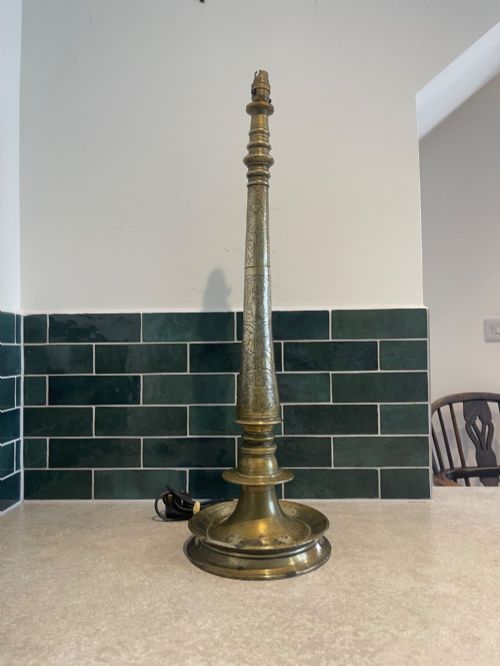
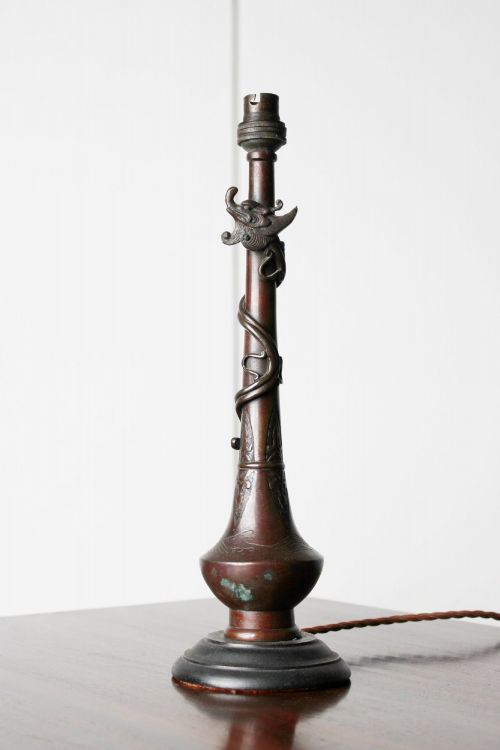
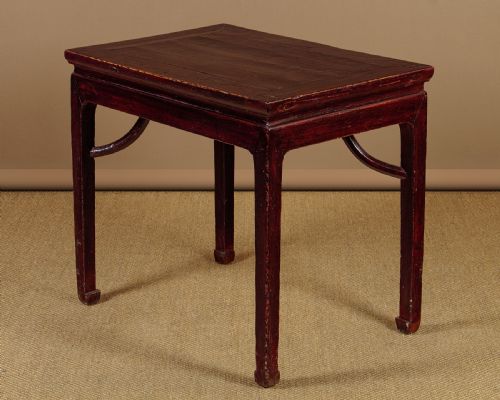
Traditional oriental desk lamps encompass a variety of lighting fixtures and converted vessels originating from eastern traditions, spanning periods from the Victorian era into the 1930s. When searching for traditional oriental desk lamps, buyers encounter diverse forms including vase lamps, lantern stands, and side tables utilised for illumination.
What varies in quality
Quality rests upon the execution of the hand painting, the refinement of the bronze or brass casting, and the integrity of the original porcelain or lacquer body. Superior examples display crisp detail in Satsuma, Imari, or blue and white ceramic decoration alongside substantial metalwork.
The sophistication of the conversion work and the preservation of the underlying nineteenth or early twentieth century object differentiate standard production from finer decorative pieces.
Materials span porcelain, bronze, brass, wood, lacquer, and silk across periods ranging from the Victorian era to 1930.
The Traditional Oriental Desk Lamps Glossary
- Chinoiserie
- European interpretation and imitation of Chinese artistic traditions and motifs, often applied to furniture and lamp bases. This style appears frequently across nineteenth-century decorative objects.
- Cloisonne
- Enamelling technique where thin metal wire is soldered to a metal base to form compartments filled with paste and fired. Pieces employing this method show intricate surface patterns.
- Imari
- Japanese porcelain decorated in underglaze blue and overglaze red, gold, and black, produced primarily for export. These vibrant ceramic bodies frequently form the basis of period lamps.
- Meiji Period
- Japanese historical era spanning from 1868 to 1912 characterised by distinct bronze work and fine artistic output. Items from this time include detailed figurative bases like elephant lamps.
- Satsuma
- Japanese pottery style featuring a crackle-glazed earthenware body decorated with elaborate enamels and gilt. Such vases are commonly converted into decorative lighting fixtures.
Traditional Oriental Desk Lamps: Frequently Asked Questions
Are these lamps converted from original vases?
Many listings combine historic porcelain vases, such as blue and white or crackleware examples, with lamp fittings.
This practice repurposes antique ceramic vessels into functional desk lighting while preserving the original decorative body.
What periods do these desk lamps represent?
The pieces span the nineteenth century through the early decades of the twentieth century, including Victorian and Edwardian examples.
Datings range from mid-nineteenth-century items up to pieces produced around 1930.
What materials are used in these lamps?
Makers utilised materials including porcelain, bronze, brass, wood, lacquer, and fabric or silk elements.
Metal components pair with ceramic bodies and wooden stands to form the complete desk lighting fixtures.