




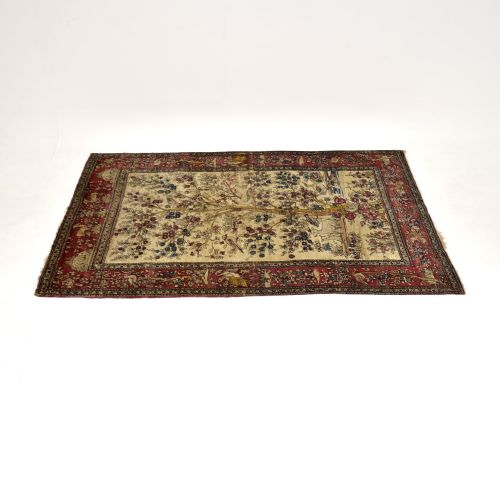
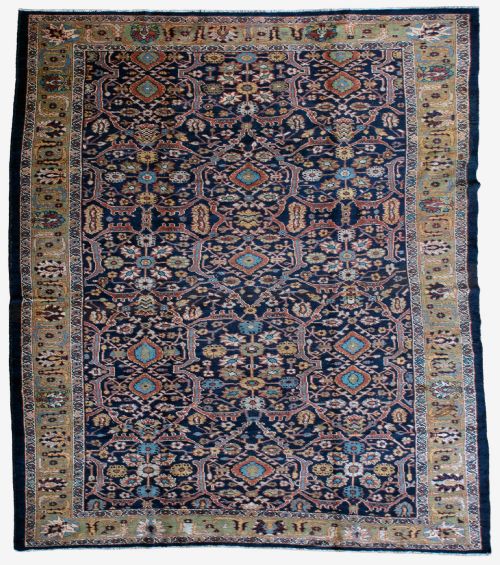
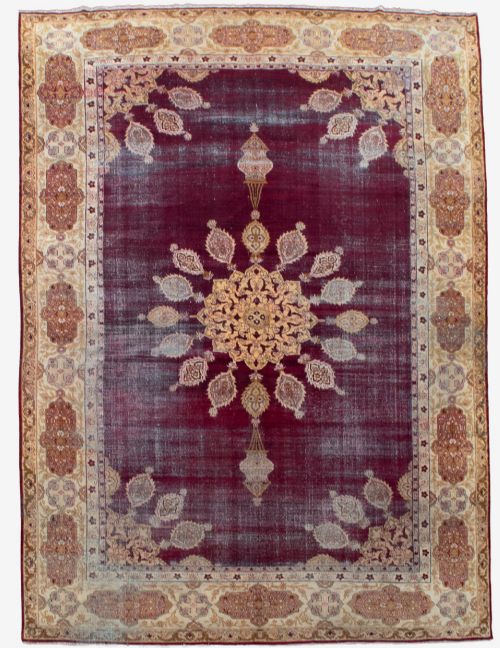
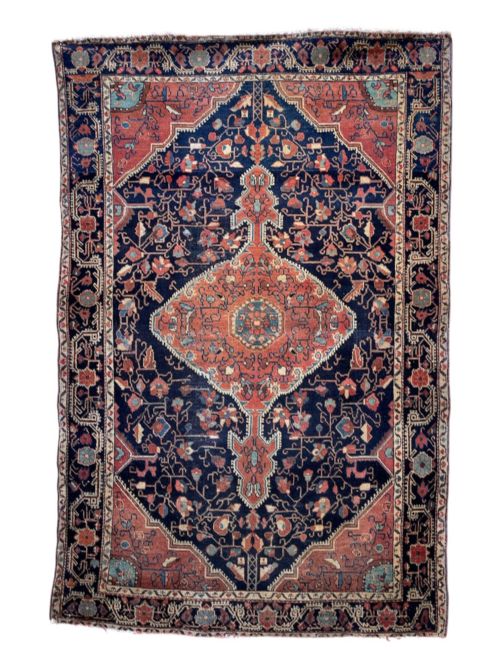
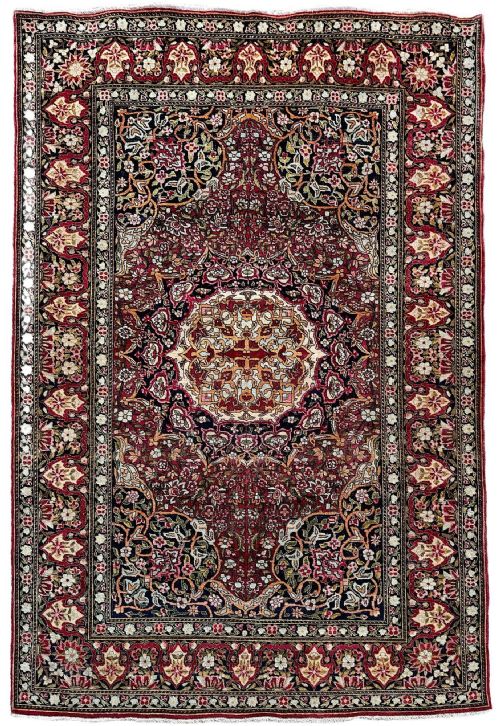
Traditional Oriental Area Rug
These traditional oriental area rugs bring enduring warmth and geometric design to a room.
Traditional Oriental Area Rug
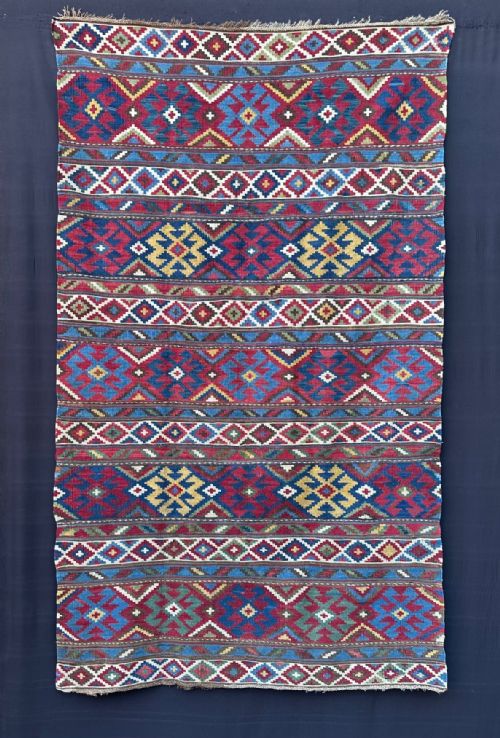
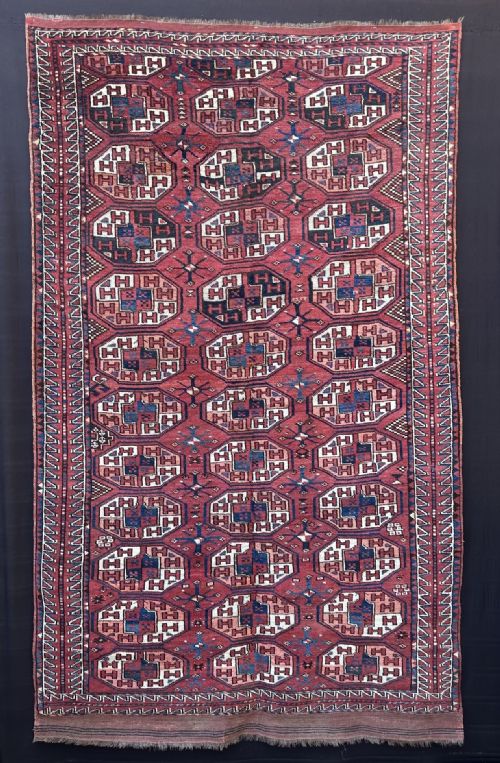
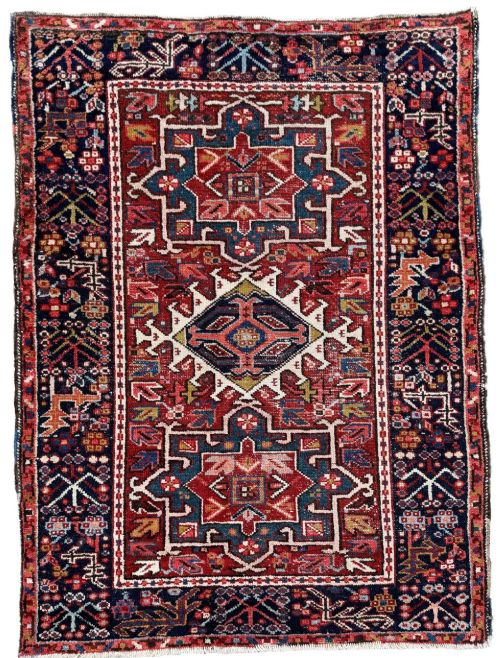
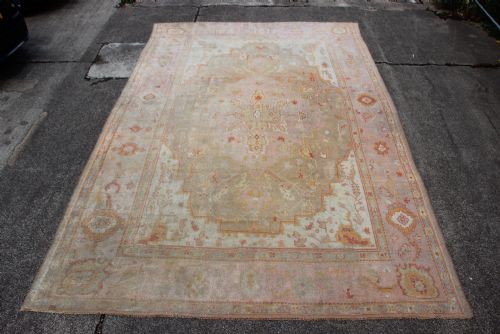
A traditional oriental area rug encompasses hand-knotted floor coverings originating from Persia, Anatolia, and Central Asia. These textiles range from room-sized carpets to smaller rugs featuring regional tribal motifs or classical city designs.
The selections available here date from the mid nineteenth century through to the early twentieth century. Pieces from this span include Persian Isfahan, Kashan, Bakhtiar, and Afshar examples, alongside Turkish Ushak and Ersari Beshir carpets.
How They Were Made
These floor coverings utilise wool for the pile and foundation structure, frequently combined with cotton for the warp and weft threads. Hand-knotting techniques create dense, durable surfaces designed to withstand generations of daily use.
Weavers employed natural and early synthetic dyestuffs to build complex regional palettes. Skilled hands constructed distinct tribal symbols and classical medallions directly into the fabric during the knotting process.
Traditional Oriental Area Rug Retail Price Guide 2026
Typical asking prices for traditional oriental area rug among the pieces listed under this phrase on Sellingantiques today, from the lower quarter to the upper quarter. They describe what is for sale here now, not the wider market.
The listings span five distinct decades from eighteen sixty to nineteen thirty, covering Persian, Anatolian, and Turkmen traditions.
What Varies in Quality
Knot density and structural tightness dictate the crispness of the woven pattern and the longevity of the pile. Finer examples achieve intricate detail through precise knotting over cotton foundations.
The depth and brilliance of the colour palette distinguish superior weaving workshops from standard production. Age-related wear alters the wool pile uniformly on high-grade textiles without obscuring the foundational geometry.
The Traditional Oriental Area Rug Glossary
- Warp
- The vertical threads stretched tightly on a loom before knotting begins. These form the structural foundation of the textile.
- Weft
- Horizontal threads passed between rows of knots to secure them in place. They stabilise the width of the rug.
- Pile
- The raised surface of a rug formed by the cut ends of knotted yarn. Its height and density define the texture underfoot.
- Medallion
- A central ornamental design motif placed in the middle of the field. Many traditional carpets centre their composition around this focal shape.
Traditional Oriental Area Rug: Frequently Asked Questions
How do I clean a wool rug?
Vacuum gently without a rotating brush bar to remove surface dust. Professional specialist cleaning remains essential for deep maintenance.
Avoid soaking the foundation or using harsh chemical detergents. Allow wet wool to dry flat away from direct heat sources.
Can I put these rugs under furniture?
Heavy furniture helps anchor large carpets in principal reception rooms. Ensure the weight distributes evenly across the flat weave.
Delicate antique foundations require smooth underlays to prevent friction against sharp wooden legs.
How do I date a carpet?
Examine the wear patterns across the wool pile and the construction materials used in the foundation. Natural dye variations often indicate nineteenth-century origins.
Compare the specific tribal or workshop motifs against documented regional weaving traditions from periods like eighteen eighty or nineteen twenty.
Are these rugs suitable for hallways?
Runner formats and smaller tribal rugs fit naturally into high-traffic corridors. Durable wool pile absorbs footsteps while protecting underlying timber floors.
Use a breathable non-slip underlay beneath the foundation to keep the textile stable on smooth hallway surfaces.