



Traditional Oil Landscape Artwork
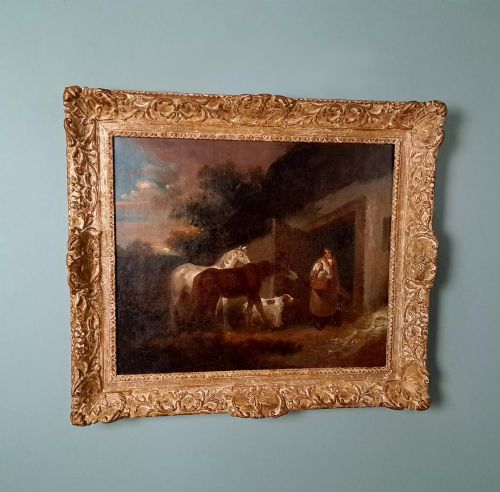
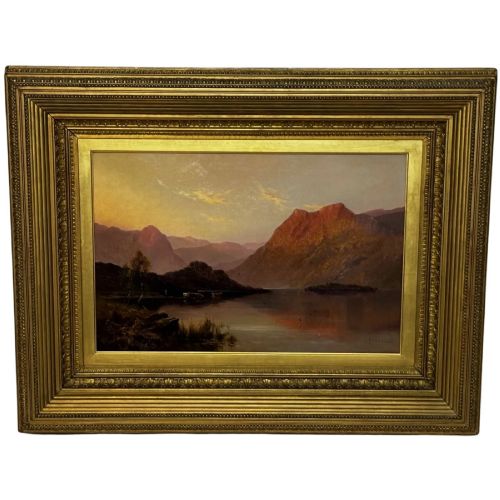
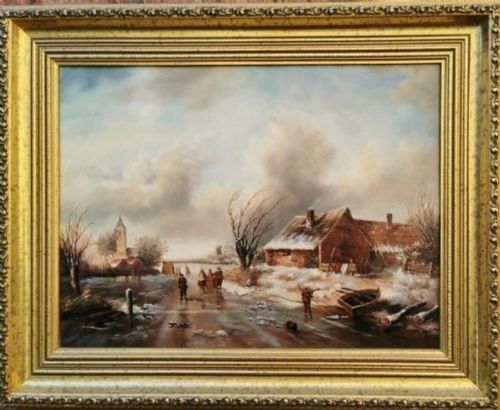
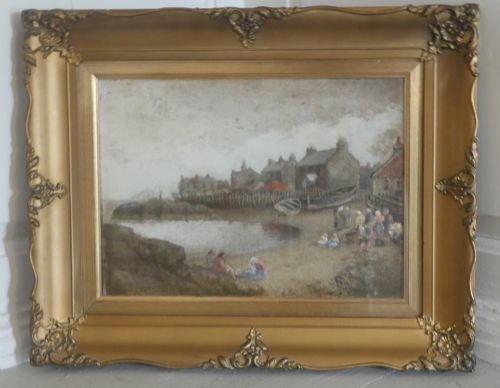
Traditional oil landscape artwork brings pastoral vistas, coastal scenes and rural life into interiors through centuries-old painterly traditions.
Traditional Oil Landscape Artwork
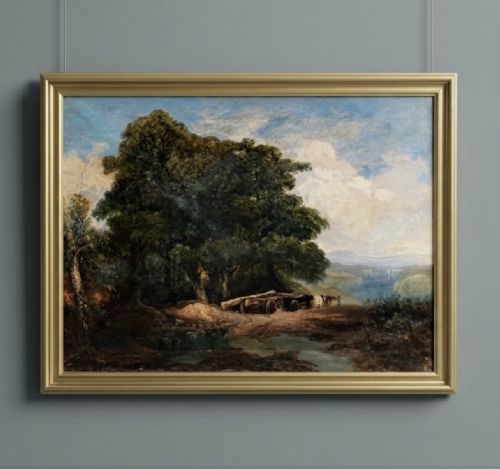
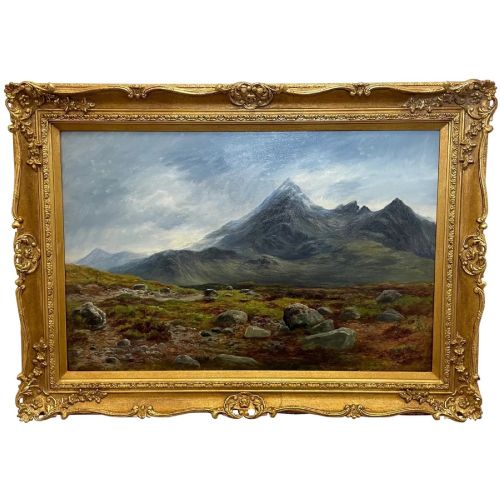
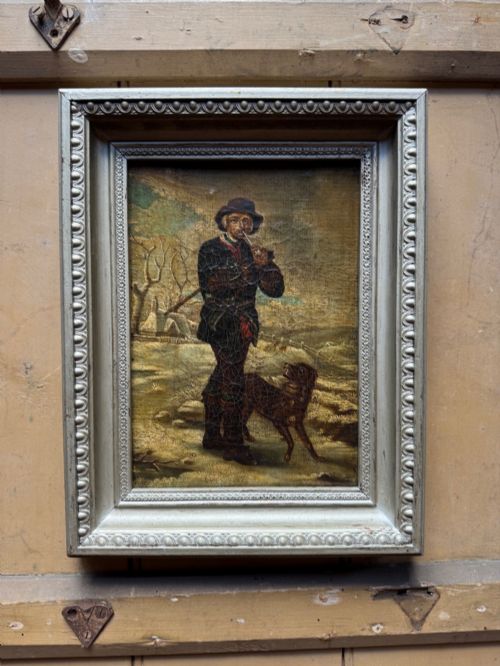
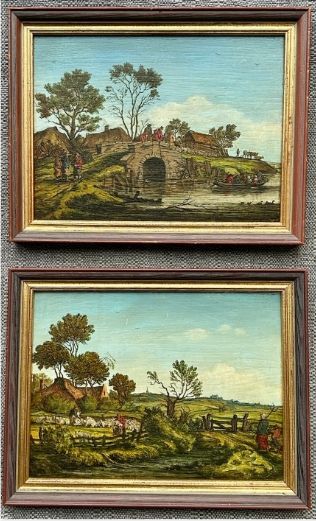
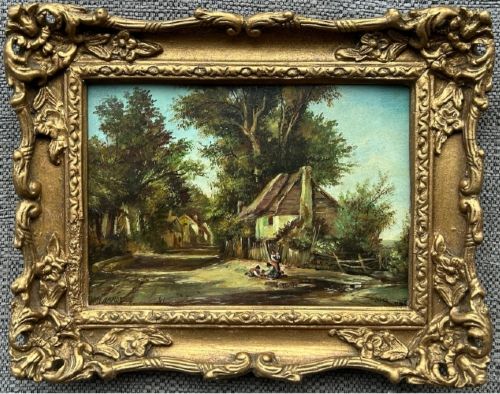
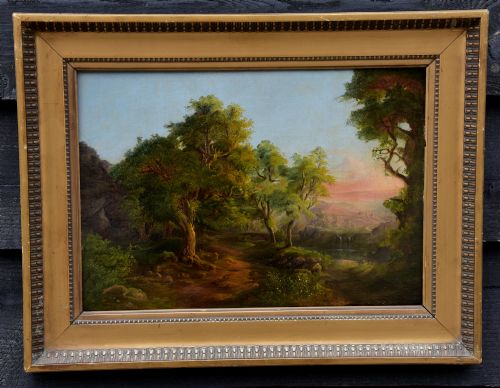
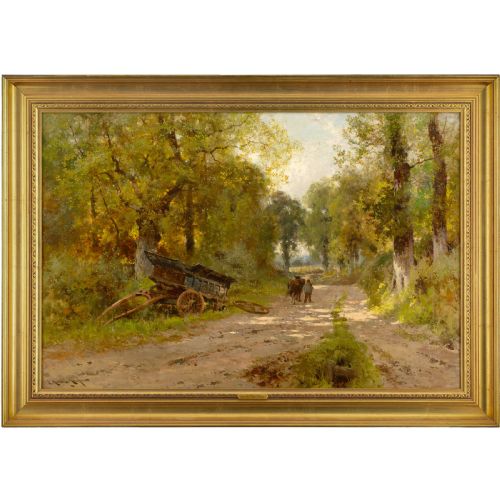
Traditional oil landscape artwork encompasses framed paintings depicting scenery, woodland, rivers, and rural figures executed in oil paint. Buyers examining this category encounter works ranging from expansive Victorian pastoral scenes to intimate twentieth-century views.
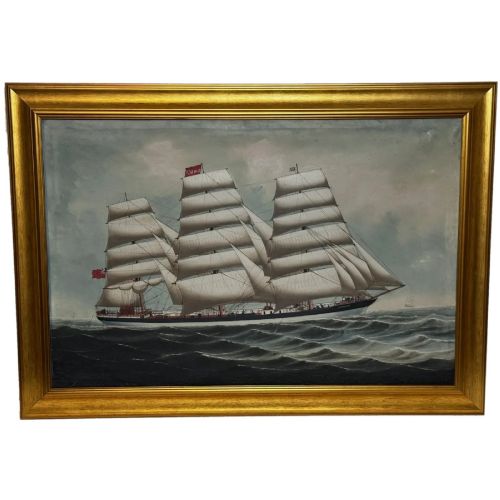
The pieces on this page originate primarily from the nineteenth and early twentieth centuries, featuring British, Scottish, and continental schools. Common subjects include highland cattle, harvest fields, coastal harbours, and quiet country paths.
How traditional oil landscape artwork was made
Artists painted primarily with oil paint on stretched canvas, wooden panels, or board supports. These materials allowed for rich layering, subtle blending of light, and textured application.
Many works retain their period frames constructed from wood, gesso, and gilt, which complement the depth and tone of the oil pigments.
Framing materials recorded in the listings include gesso, giltwood, and plain wood.
What varies in quality in traditional oil landscape artwork
Quality rests on the handling of light, atmospheric perspective, and anatomical precision in figures or animals. Superior works demonstrate confident brushwork and balanced composition that draw the viewer into the depicted space.
The preservation of the original paint surface and the craftsmanship of the period frame contribute to the overall integrity of the piece.
Richard Sebastian Bond·William Beattie-Brown·Tom Campbell·John Horace Hooper·Thomas Sidney Cooper
The Traditional Oil Landscape Artwork Glossary
- Oil on Canvas
- Pigments suspended in a drying oil medium applied to a woven fabric support. This combination provides durability and a textured surface for traditional painting.
- Wood Panel
- A rigid wooden support used by artists before canvas became standard. Panels offer a smooth, stable surface that preserves fine detail.
- Giltwood
- Wood carved and coated with a thin layer of gold leaf or metallic powder. It forms the decorative surface of many traditional frames.
- Gesso
- A plaster-like mixture applied to wood or canvas to prepare a smooth surface for painting or gilding. It provides a stable base for fine decorative finishes.
- Pastoral
- A genre of art depicting rural life, shepherds, and idealized country scenery. These works evoke a sense of tranquil isolation and agricultural heritage.
Traditional Oil Landscape Artwork: Frequently Asked Questions
What periods do these paintings date from?
The works span the eighteenth, nineteenth, and early twentieth centuries, reflecting changing aesthetic movements across British and European schools.
Victorian and Edwardian eras are heavily represented, alongside occasional Georgian and mid-twentieth-century examples.
What are the common subjects?
Subjects focus on the natural world, including highland scenes, woodland paths, coastal views, and agricultural labour.
Human figures and livestock frequently appear within these vistas to provide scale and narrative interest.
How should I hang an oil painting?
Oil paintings on canvas or panel require sturdy hardware suited to the weight of the frame and support.
Placement should avoid direct sunlight and extreme temperature fluctuations to protect the integrity of the oil paint and wood.
What supports were used for these paintings?
Artists utilised stretched canvas, wooden panels, board, and card as foundations for their oil pigments.
Each support affects the texture and preservation of the artwork differently over time.