
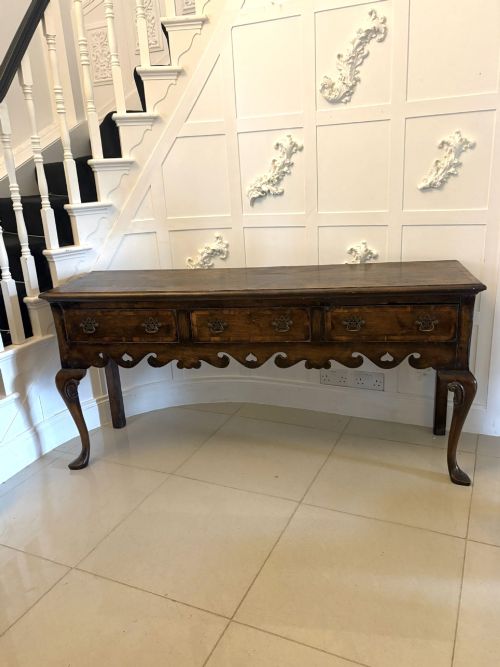
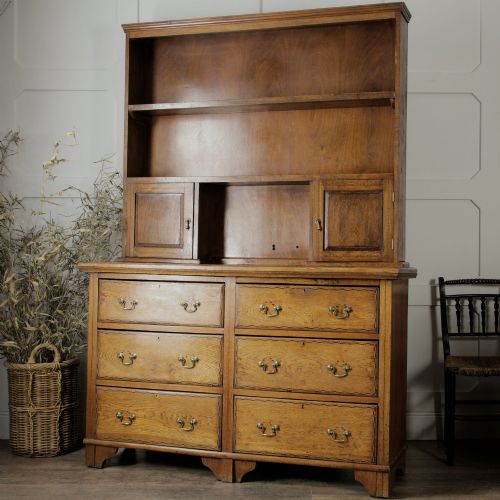


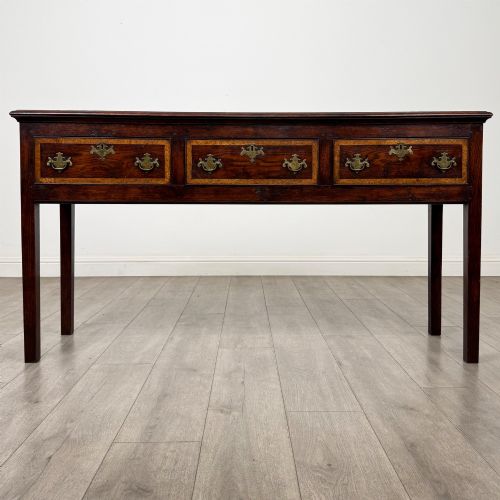
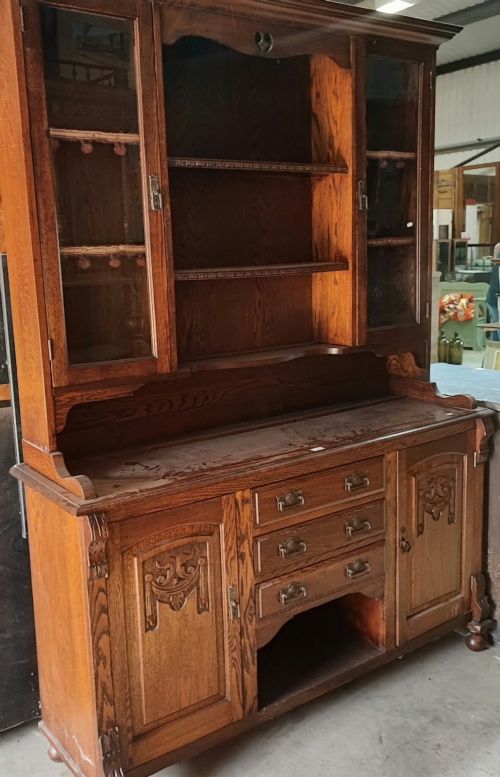
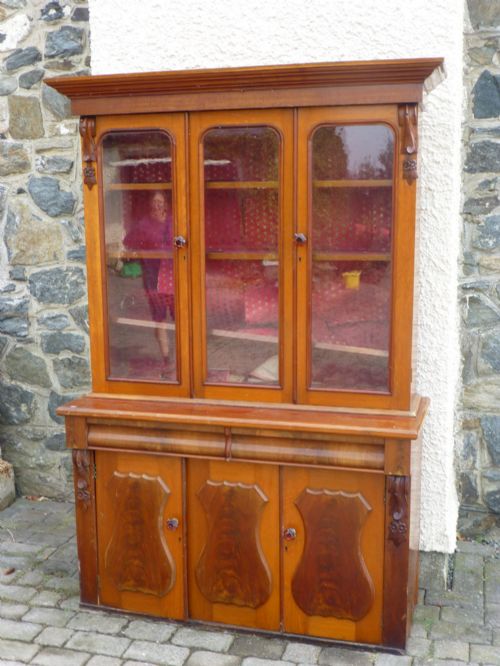
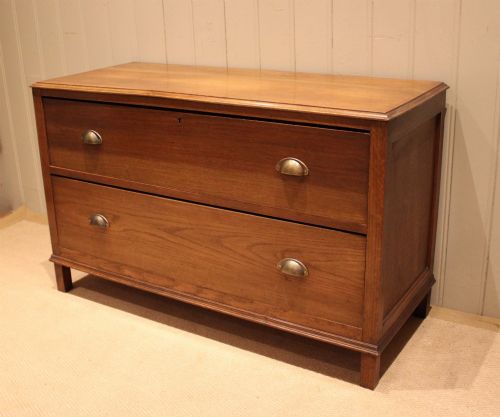
Traditional Oak Sideboard Dresser
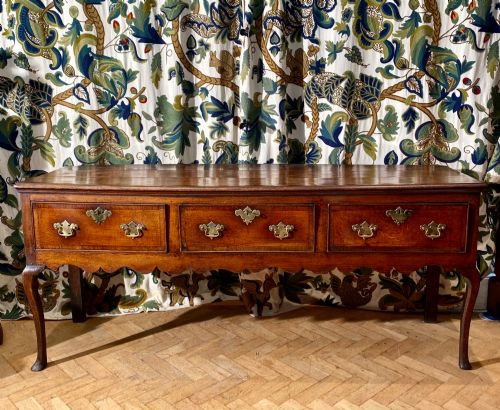
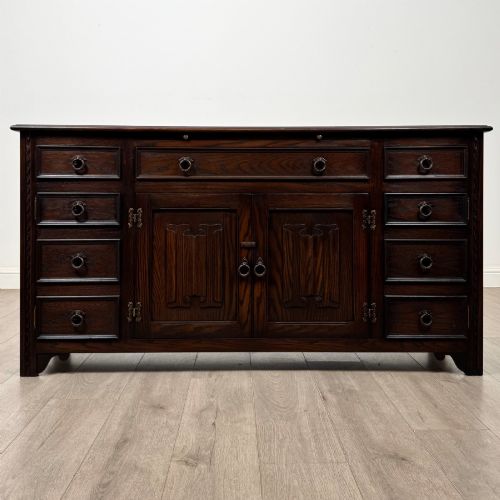
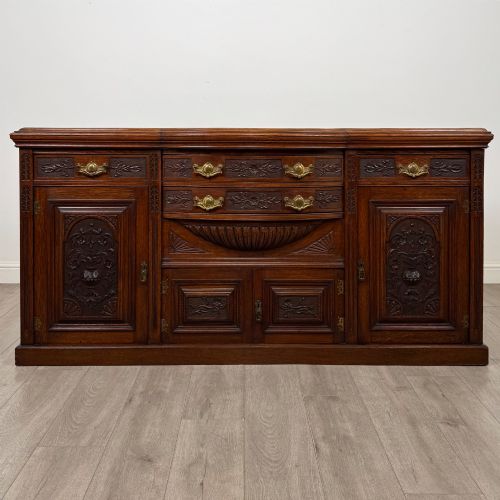
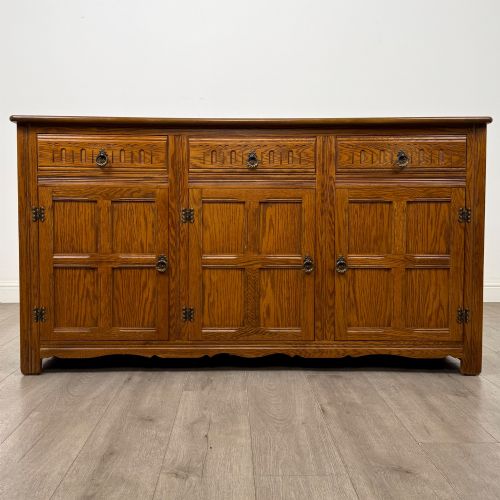
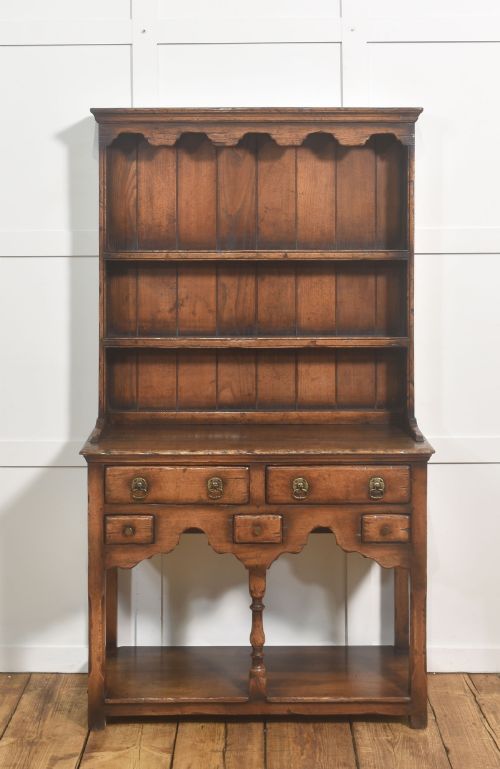
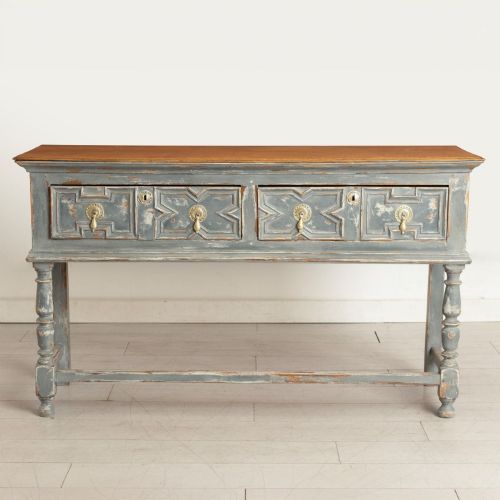
A traditional oak sideboard dresser combines utilitarian storage with display, offering deep drawers, potboard bases, and plate racks for a rustic interior.
Traditional Oak Sideboard Dresser
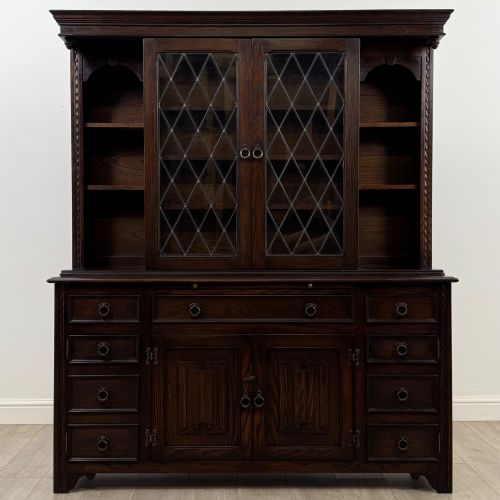
A traditional oak sideboard dresser is a utilitarian furniture form originating from centuries of domestic kitchen and dining use, combining base storage with upper display shelving or enclosed cabinets. Buyers searching for a traditional oak sideboard dresser will encounter forms ranging from open potboard bases to Welsh dressers with glazed bookcase cupboards and plate racks.
The pieces listed span the eighteenth century, Georgian, Victorian, and Edwardian periods, alongside revival styles such as Jacobean and Queen Anne. Regional variations include Lancashire dresser bases and Welsh cottage dressers constructed in solid oak.
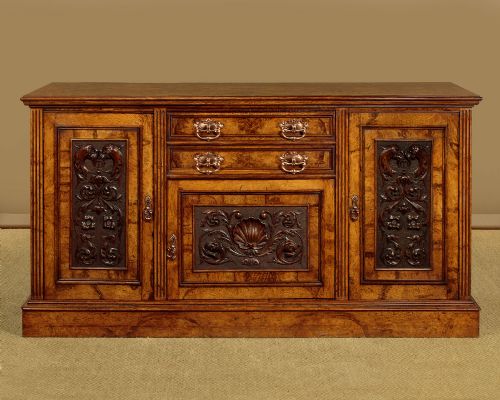
The most common formats on this page are low dresser bases with drawers and serving tables, alongside taller architectural combinations featuring upper plate racks or multi-door cupboards.
Judgement of Quality
Quality in these items is determined by the crispness of the timber selection, the depth of colour in the golden and tiger oak, and the integrity of the original construction. Superior examples retain their original brass or iron hardware and uncompromised structural timbers without extensive modern replacement.
Carved decoration separates standard utility pieces from finer items, where hand-carved panels, fielded drawer fronts, and moulded cornice details demonstrate greater craftsmanship from the Georgian and Edwardian periods.
Proportion and scale dictate the visual weight of the piece, with well-balanced potboard bases and harmonious plate rack heights commanding stronger presence than clumsily proportioned revival iterations.
Some nineteenth-century kitchen dressers retain faint traces of historical flour spills embedded deep within the unsealed oak drawer corners.
The Traditional Oak Sideboard Dresser Glossary
- Potboard dresser
- A dresser base featuring an open lower shelf elevated above the floor, traditionally used for storing pots and pans. This platform sits directly on the lower stretchers.
- Welsh dresser
- A form incorporating a base of drawers and cupboards surmounted by a plate rack or enclosed bookcase. It combines display space for ceramics with concealed storage.
- Enfilade
- A long sideboard or cabinet with a line of three or more doors sharing the same elevation. This form appears in continental European furniture traditions.
- Court cupboard
- A traditional enclosed cupboard with a recessed upper section supported by pillars. These pieces date primarily from revival periods and earlier vernacular design.
- Tiger oak
- Oak timber displaying distinct medullary ray figure patterns that resemble tiger stripes. This figuring is highlighted through quarter-sawing techniques.
Traditional Oak Sideboard Dresser: Frequently Asked Questions
What is a potboard dresser?
A potboard dresser is a form featuring an open lower platform beneath the main counter surface. This shelf was designed to hold heavy kitchen pottery off the damp floor.
Today, this lower board serves as an ideal display tier for baskets, large platters, or books.
How do I date an oak dresser?
Dating relies on examining construction marks, timber selection, handle hardware, and regional vernacular style. Eighteenth-century pieces show hand-cut joinery and pegged joints, whilst Edwardian revivals employ machine precision.
Secondary woods used inside drawer construction also provide clues to the period of manufacture.
Where should I place a dresser?
These pieces suit dining rooms, farmhouse kitchens, and large living spaces where generous surface area and storage are required. Dressers with plate racks benefit from solid walls capable of supporting their height.
Sideboard bases function effectively as serving tables or console storage units beneath artwork.
Are plate racks removable?
Plate racks on traditional Welsh dressers are often constructed as separate upper sections that rest upon the dresser base. This two-part construction aids transportation and positioning in rooms with lower ceilings.
Buyers should inspect whether the upper rack bolts securely to the rear of the base.