

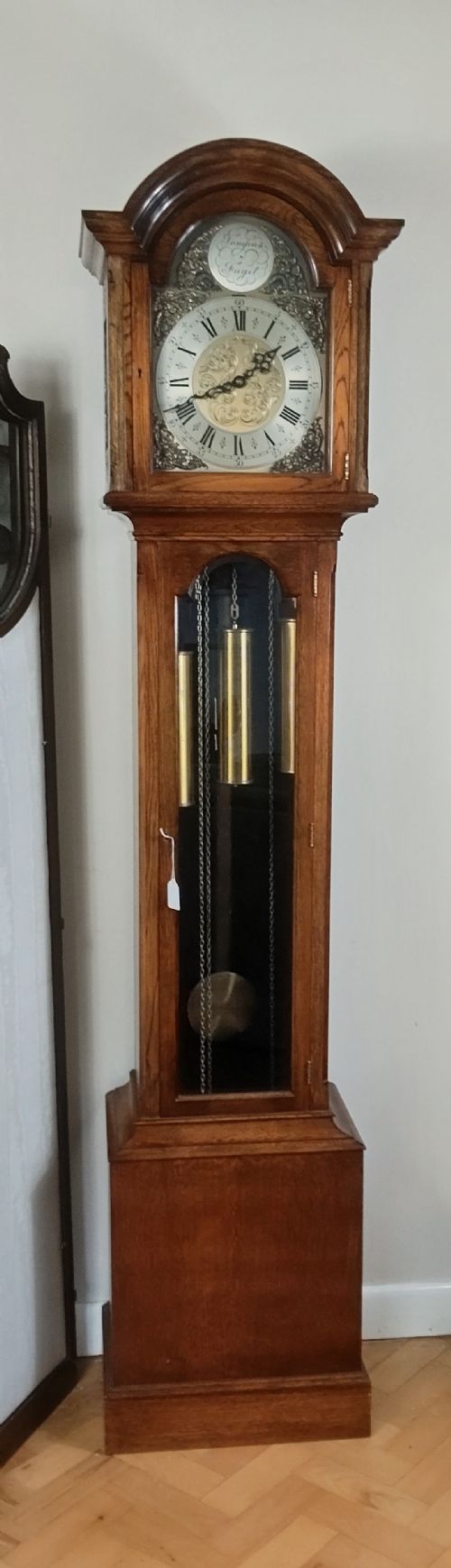


Traditional Oak Pendulum Clock
A traditional oak pendulum clock brings the rhythmic pulse of mechanical time into a room through timber and brass.
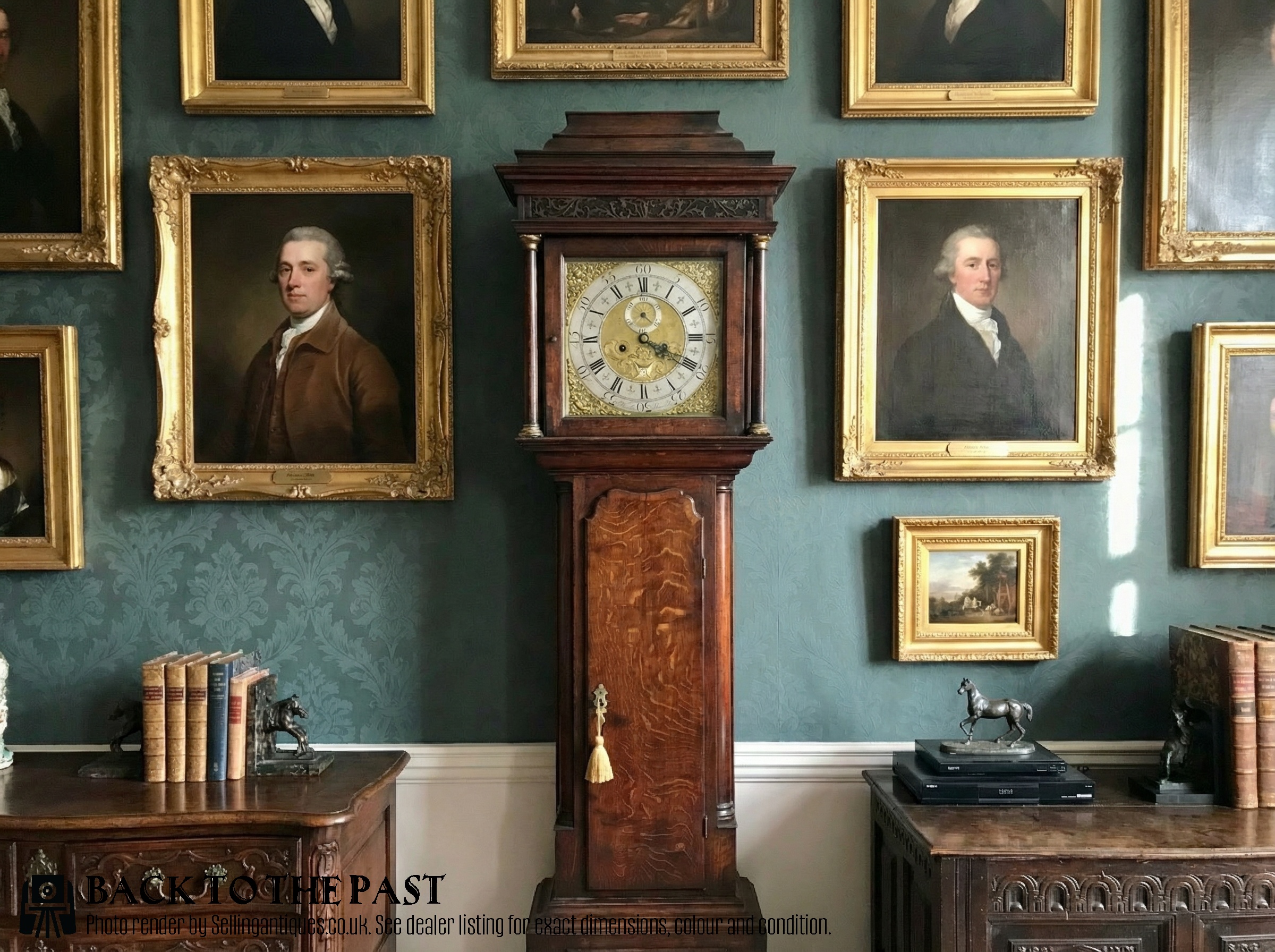
Traditional Oak Pendulum Clock
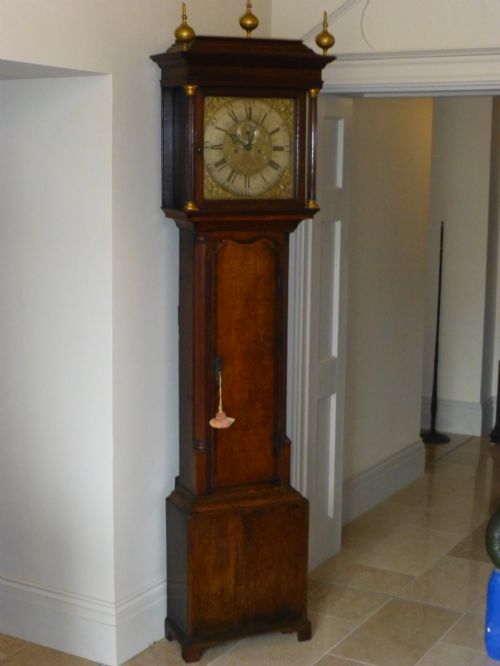
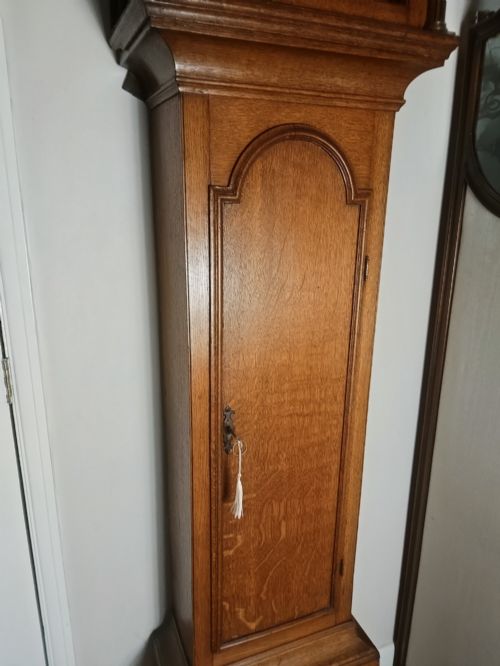
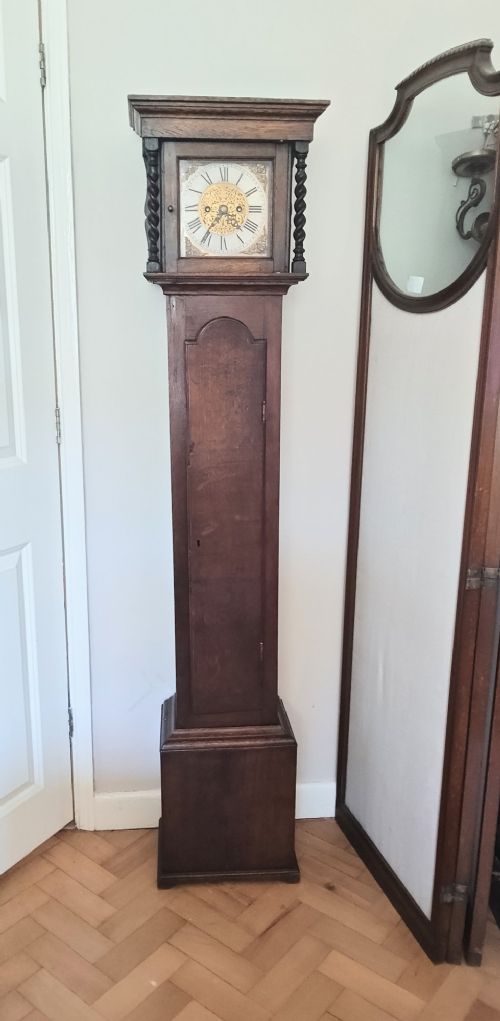
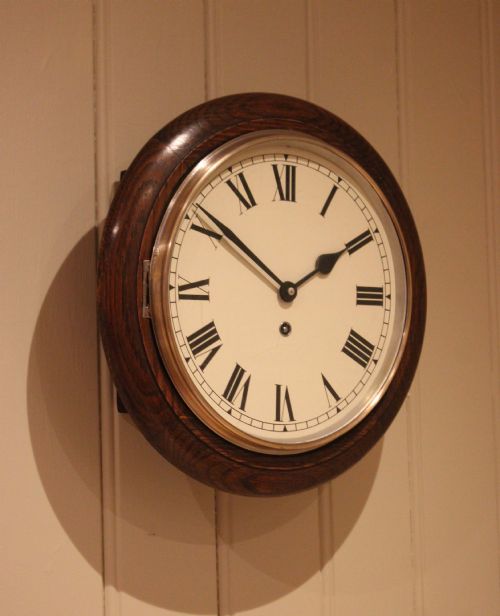
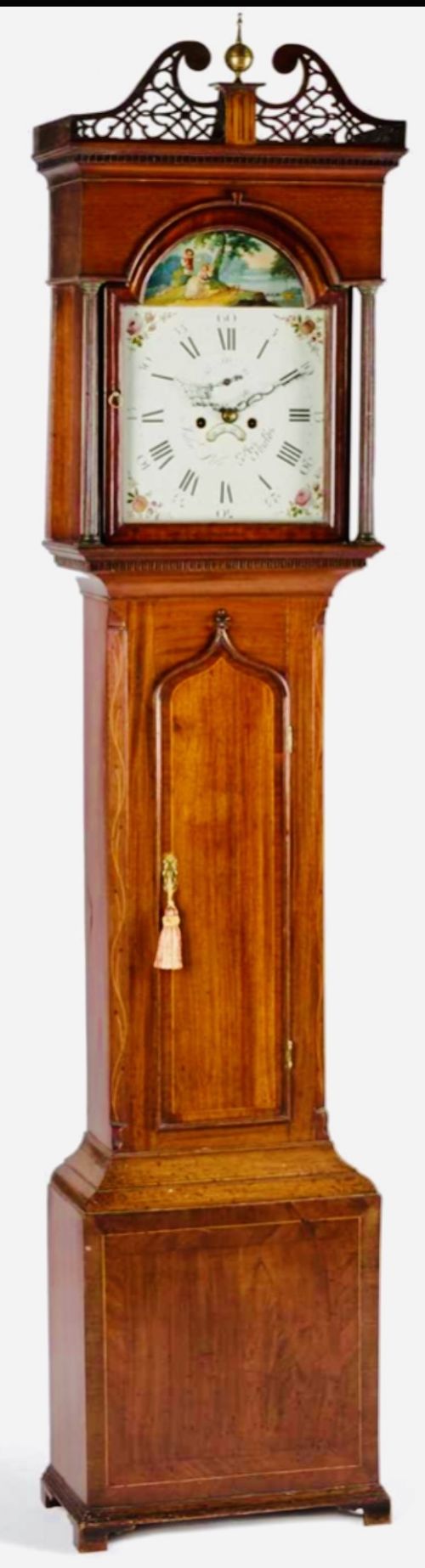
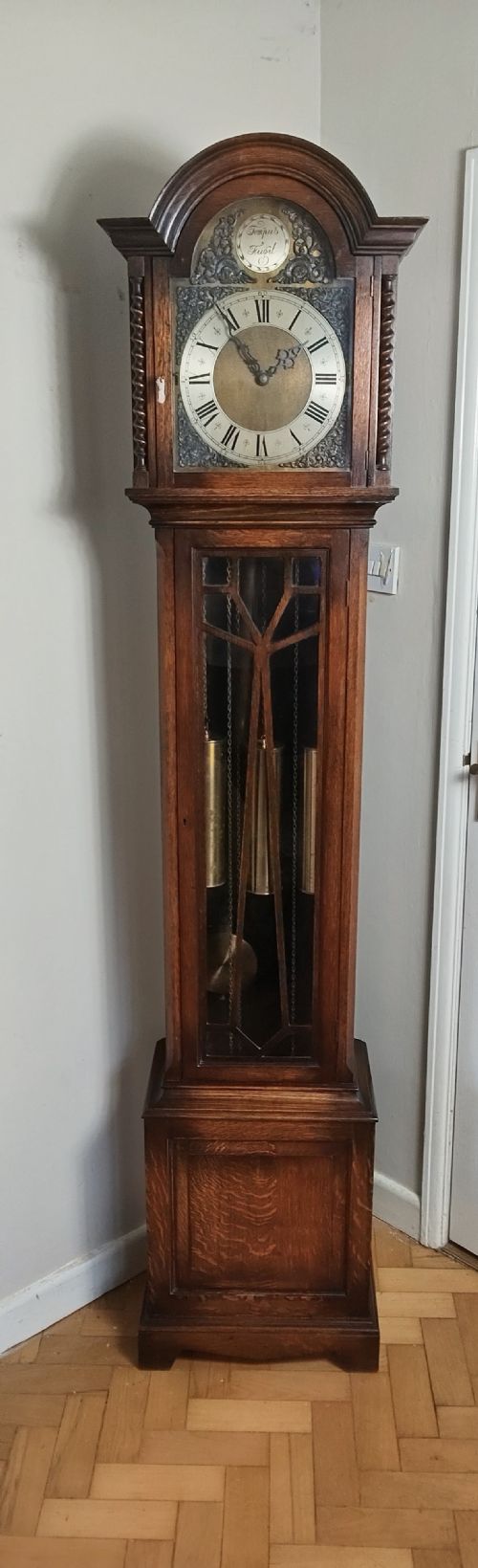
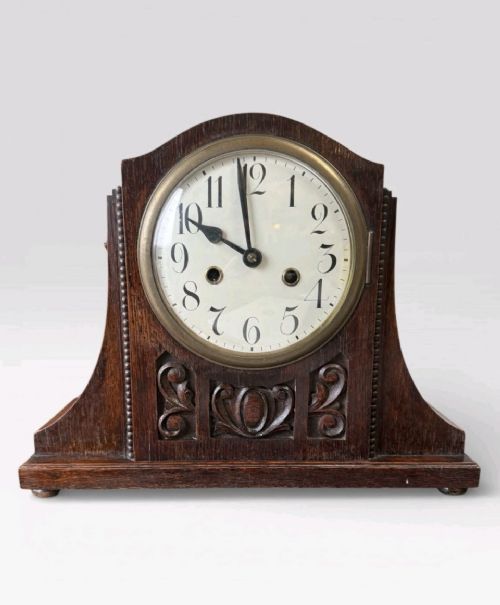
A traditional oak pendulum clock encompasses longcase clocks, grandfather clocks, wall clocks, and mantel clocks spanning periods from the eighteenth century through the twentieth century. Buyers seeking this phrase encounter tall floor-standing longcase examples most frequently, alongside wall-hung dial clocks and smaller mantel pieces.
The origins of these timepieces stretch from early Georgian provincial workshops to Edwardian and Art Deco production, incorporating Jacobean revival and Black Forest influences. Oak provides the primary structural timber, often supplemented by mahogany crossbanding, walnut, and painted or brass dial faces.
Materials and Construction
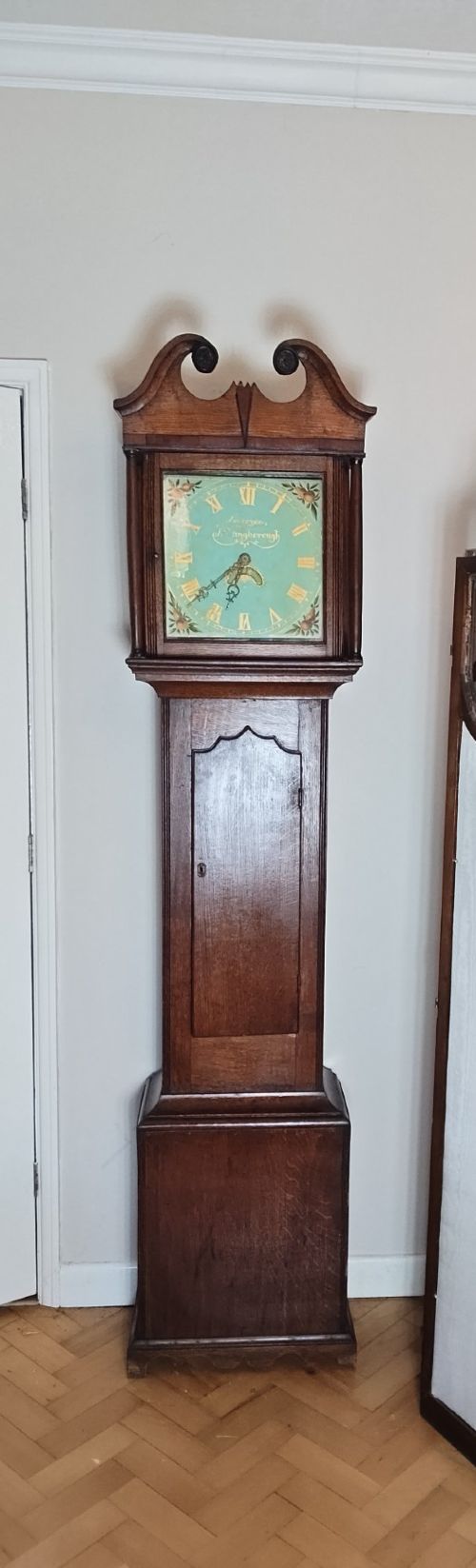
Cabinetmakers utilised solid oak and walnut for cases, occasionally adding mahogany banding, while movement makers fitted brass wheels, iron arbors, and glass face covers. Dials range from engraved brass to painted iron and enamel.
Mechanical movements rely on weight-driven pendulums or spring-driven mechanisms, housing strike-silent functions, quarter-chiming gear trains, and fusee movements to regulate precise timekeeping.
Some provincial clockmakers included strike-silent levers so households could sleep undisturbed while the pendulum kept swinging through the dark.
Craftsmanship and Proportion
Quality rests in the harmony of case proportions, the crispness of dial engraving, and the original pairing of movement to cabinet. Superior examples display refined secondary timbers like walnut crossbanding and well-documented maker signatures on the face.
Mechanical execution distinguishes finer pieces through complex chiming trains, strike-silent options, and clean train work that maintains steady pendulum motion without excessive friction.
Smith of Chester·David Craig·Henry Deykin·John Wylde·Richard Prew·Richard Alexander·James Coster·Samuel Young·Mappin And Webb·Harrods
The Traditional Oak Pendulum Clock Glossary
- Longcase clock
- A tall pendulum clock housed in a wooden floor-standing case, commonly called a grandfather clock.
- Dial clock
- A round-faced wall clock with a single pendulum or fusee movement designed for public or domestic display.
- Grandmother clock
- A smaller, more slender version of the traditional longcase clock produced during later periods.
- Crossbanding
- A decorative border of veneer laid across the grain of the primary oak timber.
- Fusee
- A conical pulley used in mechanical clocks to maintain even power as the driving spring unwinds.
Traditional Oak Pendulum Clock: Frequently Asked Questions
What is a traditional oak pendulum clock?
A traditional oak pendulum clock is a mechanical timepiece housed in an oak case that uses a swinging pendulum to regulate its gear movement. These pieces include floor-standing longcase formats, wall-mounted dial clocks, and smaller mantel clocks.
They rely on weights or springs to drive the mechanism, recording hours and minutes through dials made of brass, painted iron, or enamel.
How do I wind a longcase clock?
Winding a weight-driven longcase clock involves inserting a key into the winding holes on the dial face to draw the suspended weights back up toward the top of the case. Care must be taken not to over-wind the movement.
Most eight-day movements require weekly attention, while thirty-hour models need winding daily or at regular short intervals depending on the gear train setup.
Where should I place a grandfather clock?
A grandfather clock requires a stable, level floor away from direct sunlight, heating vents, and damp exterior walls to protect the wooden oak case and mechanical movement. Securing the tall case to a wall prevents accidental tipping.
Placement in a hallway or living space allows the pendulum beat and hourly strike to resonate clearly without disturbance from heavy foot traffic.
How do I tell an 18th-century clock from a later one?
Eighteenth-century clocks typically feature square brass dial plates, distinct regional maker signatures, and handmade brass movements fitted inside solid oak or crossbanded cases. Later nineteenth and twentieth-century examples often incorporate arched painted dials or different proportions.
Stylistic details such as Victorian carvings, Edwardian proportions, or Art Deco numerals help distinguish the era of manufacture from earlier Georgian pieces.