

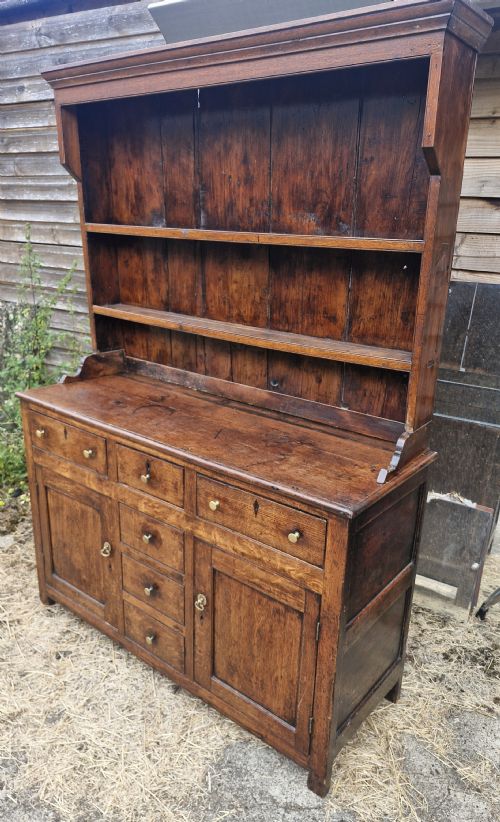

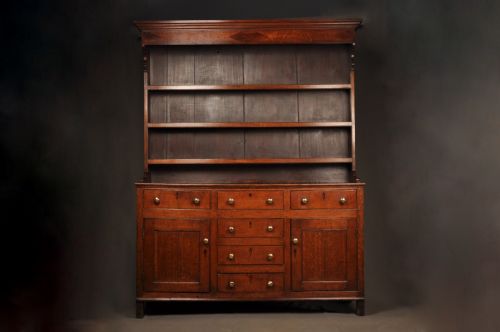
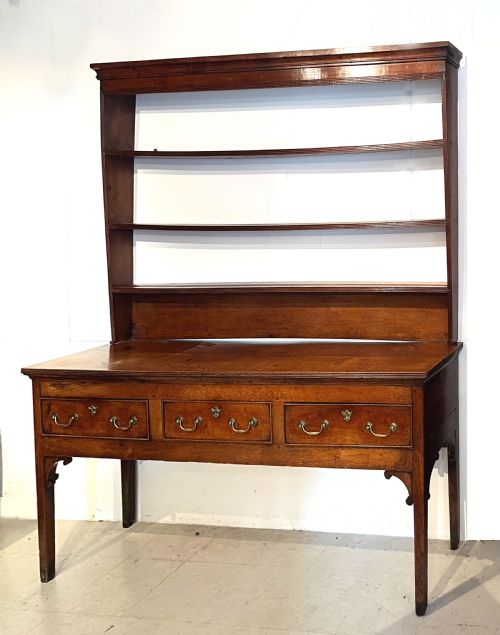


Traditional Oak Kitchen Hutch
A traditional oak kitchen hutch brings honest timber utility and centuries of storage history straight into a modern room.
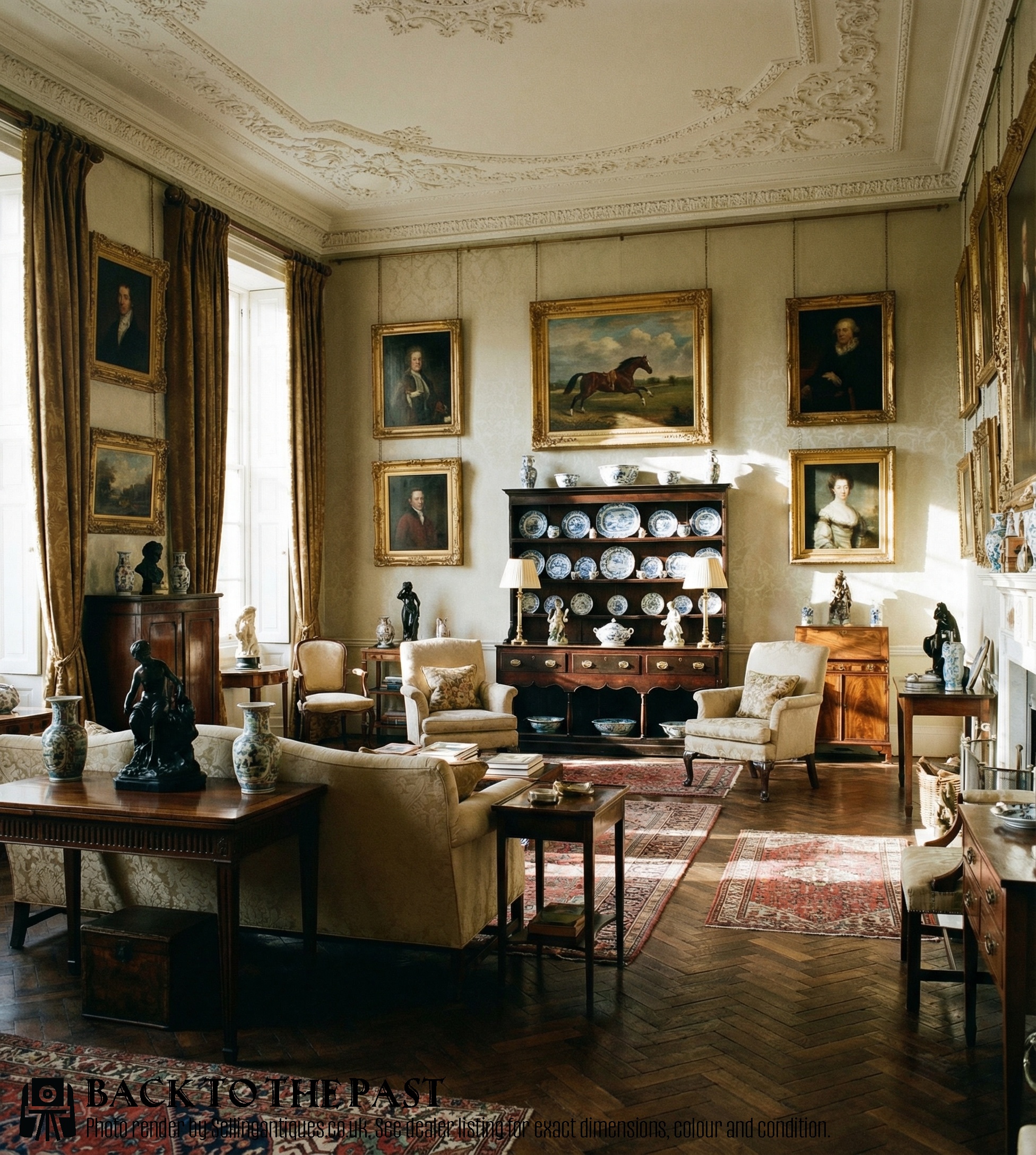
Traditional Oak Kitchen Hutch
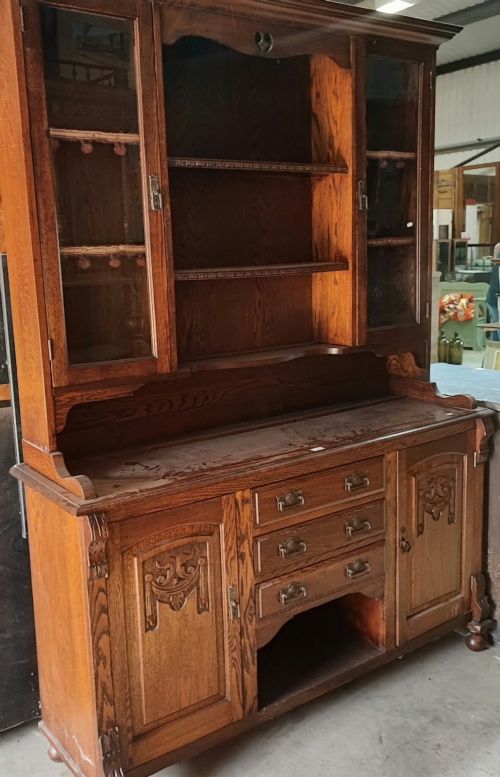
When you search for a traditional oak kitchen hutch, you are looking at substantial storage furniture primarily found as dressers, Welsh dressers, and two-part cupboards with plate racks. These pieces span periods from the eighteenth century through the Victorian era, Edwardian period, and into the early twentieth century.
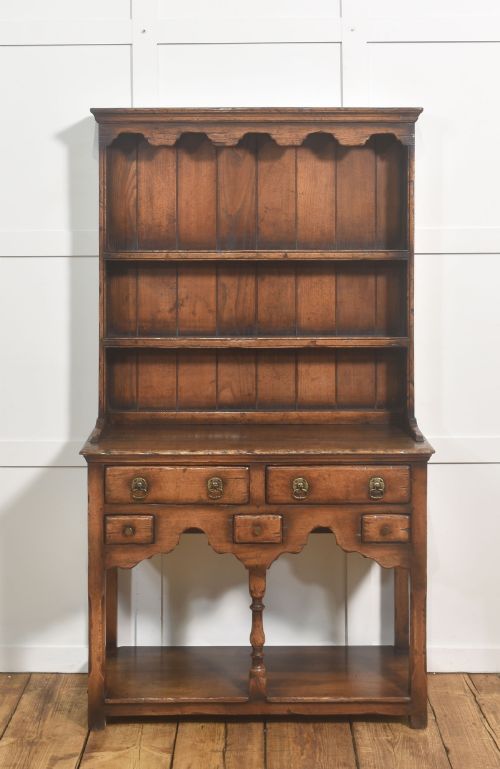
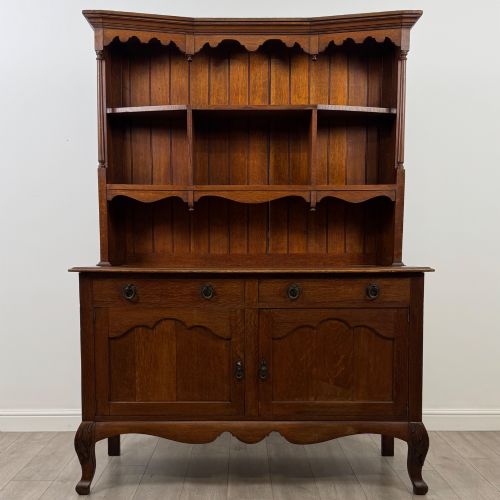
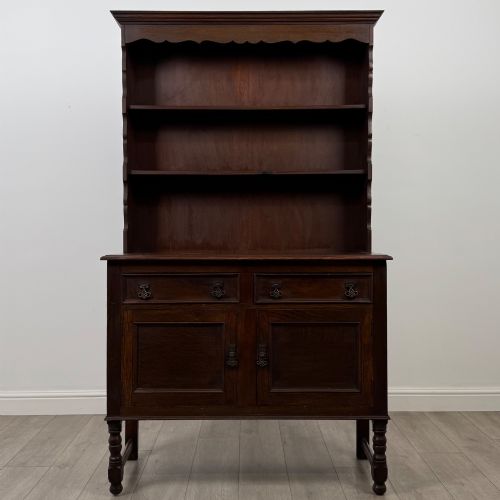
The version you are most likely to meet on this page is the classic oak dresser featuring an open plate rack or delph rack above base cupboards and drawers. Originating as functional farmhouse furniture, these pieces combine lower storage with upper display shelving.
Makers and regional workshops produced diverse regional variations, including Welsh cottages, Snowdonia designs, and Georgian country vernacular. They serve today as both functional kitchen storage and traditional focal points for dining rooms.
Materials and construction methods
Solid oak serves as the primary structural material, often paired with secondary woods like elm or pine for internal elements. Cabinetmakers utilised durable brass handles, iron hinges, and occasionally bone escutcheons or glass panels to finish the doors and drawers.
Construction techniques range from pegged mortise and tenon joints in earlier eighteenth-century examples to later industrial-era production. Surfaces display hand-carved details, Jacobean revival motifs, or glazed upper compartments depending on the period.
Listings feature timber varieties including oak, burr walnut, elm, and pine, spanning the eighteenth century to the 1930s.
Assessing quality in traditional dressers
Quality rests in the integrity of the timber, the retention of original plate racks, and the harmony of the proportions. Earlier eighteenth-century examples often display deeper patination and hand-tooled surfaces compared to later revival pieces.
The presence of original hardware, unaltered two-part construction, and regional details such as breakfront drawers separate standard utilitarian furniture from finer country workshop pieces.
The Traditional Oak Kitchen Hutch Glossary
- Plate rack
- An open shelving superstructure attached to the top of a dresser for displaying plates and crockery. It is sometimes referred to as a delph rack.
- Welsh dresser
- A traditional two-section form combining lower storage cupboards with upper open shelves originating from Wales. These pieces often feature pot-boards or extensive drawer arrangements.
- Pot-board
- An open lower shelf beneath a dresser base traditionally used for storing pots and pans. This feature is particularly characteristic of eighteenth-century country examples.
- Breakfront
- A cabinet design where the central section projects forward from the flanking outer sections. This arrangement adds architectural depth to the drawer configuration.
- Escutcheon
- A protective plate surrounding a keyhole, frequently fashioned from brass, bone, or iron. It prevents the wood around the lock from sustaining wear.
Traditional Oak Kitchen Hutch: Frequently Asked Questions
What is a traditional oak kitchen hutch?
A traditional oak kitchen hutch is a heavy timber storage unit, most commonly known in Britain as a dresser or Welsh dresser. It combines lower drawers and cupboards with upper open shelving designed to display kitchenware.
These pieces developed in rural farmhouses and cottages as practical storage solutions before evolving into decorative dining room furniture.
How do I date an antique oak dresser?
Dating relies on examining construction marks, joint types, timber patination, and stylistic details. Eighteenth-century pieces typically show hand-pegged joinery and deeper surface wear, while Victorian and Edwardian examples incorporate machine-sawn elements and revival ornamentation.
Regional styles and hardware styles also provide key chronological markers for narrowing down the decade of manufacture.
What is the difference between a dresser and a hutch?
In British vernacular furniture, a dresser usually denotes a base cabinet paired with an open plate rack for displaying ceramics. The term hutch often describes a simpler enclosed cupboard structure, though listings frequently group these forms together.
Both terms describe utilitarian storage furniture built around heavy timber construction.
How do I care for antique oak furniture?
Antique oak benefits from stable indoor humidity levels away from direct heat sources and strong sunlight. Regular dusting with a dry, soft cloth preserves the natural timber finish without stripping the historical patina.
Applying traditional beeswax occasionally helps nourish the dry grain and protects the surface from minor scuffs.