



Traditional Oak Dower Chest
A traditional oak dower chest provides substantial timber storage, bringing period character and practical linen containment to any interior space.
Traditional Oak Dower Chest
A traditional oak dower chest is a capacious storage piece, often referred to as a mule chest, coffer, or kist. These domestic items served households for generations, storing linens, garments, and dowry items.
The pieces appearing here span the seventeenth, eighteenth, and nineteenth centuries, including Georgian examples and revival styles. Regional variations such as Welsh vernacular work also feature amongst the selection.
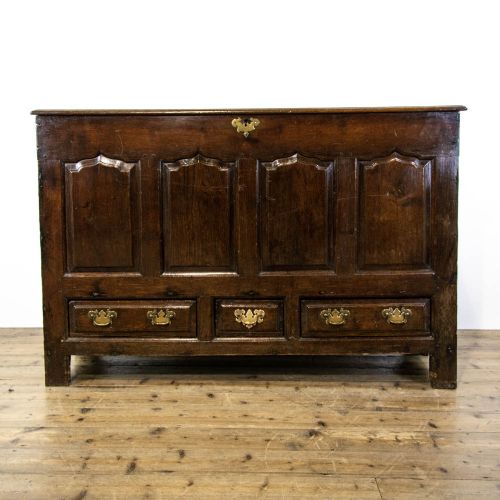
Most entries combine standard chest storage with lower drawer compartments, distinguishing mule chests from simple coffers. Proportions range from medium formats to large scaled examples suited for prominent placement.
What varies in quality
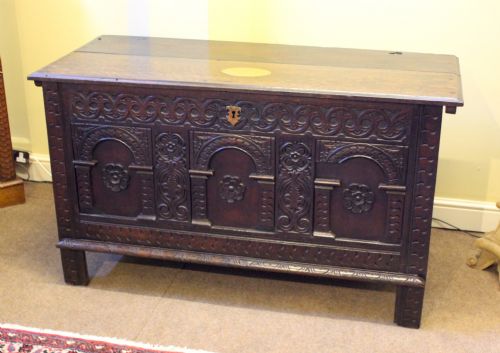
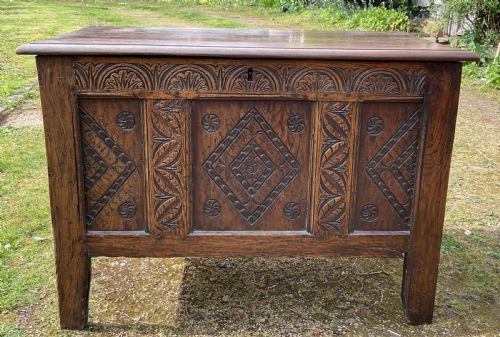
The refinement of the timber selection and the crispness of any carved detailing mark the distinctions across the range. Finer pieces demonstrate careful attention in panel assembly and the integration of secondary woods like burr elm.
Proportion and structural integrity define the standing of a piece, with earlier seventeenth and eighteenth-century examples carrying distinct historical weight compared to later nineteenth-century interpretations.
Traditional Oak Dower Chest Retail Price Guide 2026
Typical asking prices for traditional oak dower chest among the pieces listed under this phrase on Sellingantiques today, from the lower quarter to the upper quarter. They describe what is for sale here now, not the wider market.
Listings span from the seventeenth century through the Georgian era to the nineteenth century, utilising oak, burr elm, iron, and brass.
The Traditional Oak Dower Chest Glossary
- Mule chest
- A storage chest featuring one or more drawers built beneath the main compartment. This form evolved from the simple coffer to provide easier access to stored belongings.
- Coffer
- A heavy timber chest used historically for valuables and household goods. These pieces are typically constructed with solid panelled sides and heavy lids.
- Kist
- A traditional regional term for a chest or coffer, frequently encountered in Scottish and northern British contexts. They served identical domestic storage purposes to southern English equivalents.
- Panelling
- A method of construction where timber frames hold thinner central boards, allowing the wood to expand and contract safely with humidity changes. This technique prevents major splitting in large surfaces.
- Vernacular
- Describing objects made by local craftsmen following regional traditions rather than metropolitan academic designs. These pieces often display unique local quirks and construction methods.
Traditional Oak Dower Chest: Frequently Asked Questions
What is a dower chest?
A dower chest is a traditional storage piece historically used by a bride to collect household linens and garments for her marriage.
Over time, these chests became central items in homes for storing blankets, textiles, and family possessions.
How do I date an oak chest?
Dating relies on examining construction methods, timber characteristics, and stylistic details like carved motifs or hardware. Earlier pieces from the seventeenth century often show joined frame construction and hand-forged ironwork.
Later eighteenth and nineteenth-century examples incorporate different drawer configurations and softer patination developed through centuries of use.
Where were these chests used?
These chests functioned primarily in bedrooms and halls for storing heavy woolen blankets, spare clothing, and precious textiles.
Their robust construction also allowed them to double as seating benches within domestic spaces.
What is the difference between a coffer and a mule chest?
A standard coffer consists of a simple chest box accessed via a hinged lid on the top. A mule chest incorporates one or more drawers beneath the main storage cavity, combining chest and drawer utility.
This addition of lower drawers represents the primary structural evolution in these storage pieces.
How do I care for antique oak?
Antique oak benefits from stable indoor humidity and protection from direct sunlight to prevent timber movement and drying. Regular dusting with a soft cloth maintains the surface without requiring heavy polishing.
Occasional application of traditional wax helps nourish the timber and preserve its natural finish.