

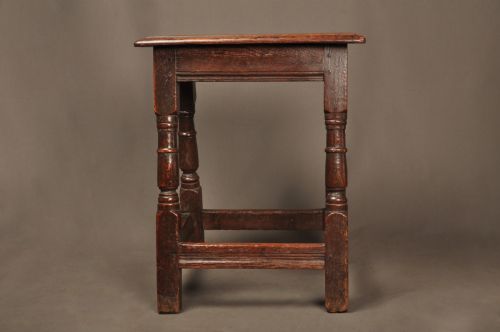


Traditional Oak Accent Stool
These traditional oak accent stool pieces bring centuries of honest English craftsmanship into a modern room, offering compact seating and sturdy side surfaces.
Traditional Oak Accent Stool
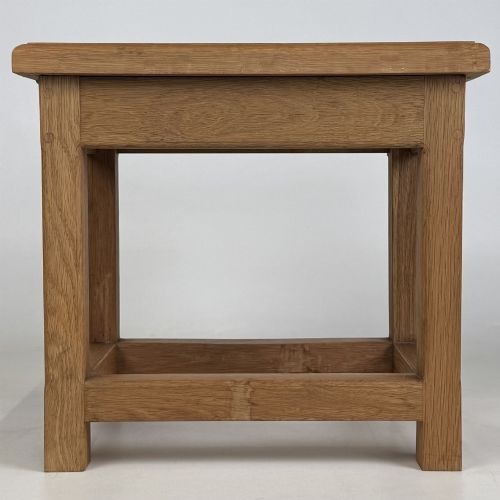
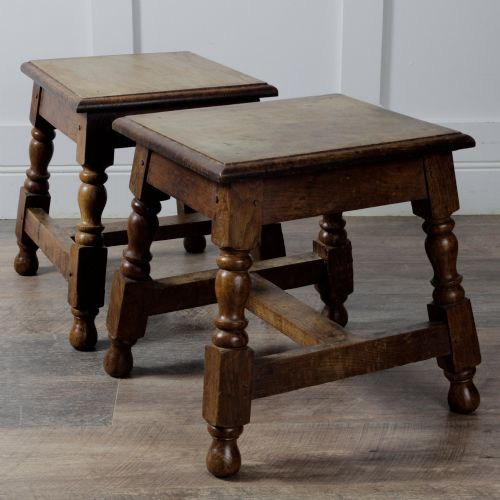
A traditional oak accent stool serves primarily as low seating or a compact side surface, drawing upon centuries-old British cabinet-making traditions. Buyers seeking a traditional oak accent stool will encounter sturdy forms designed for everyday utility, ranging from early jointed models to later revival interpretations.
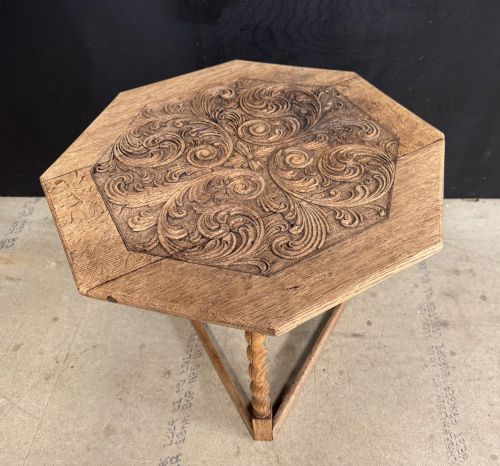
The inventory on this page spans several centuries, capturing periods from the seventeenth century through the Edwardian era and the twentieth century. Alongside standard stools, the selection includes related side tables and cricket tables that share similar domestic functions and material origins.
Regional vernacular pieces appear alongside formal revival styles such as Jacobean and Gothic Revival. These variations reflect how different makers interpreted basic seating and small tables across British households over generations.
How they were made
Construction relies heavily on solid timber, with oak forming the primary structure across most pieces. Secondary woods such as ash, elm, and yew wood appear in specific country vernacular seating, often paired with pollard oak for decorative tabletops.
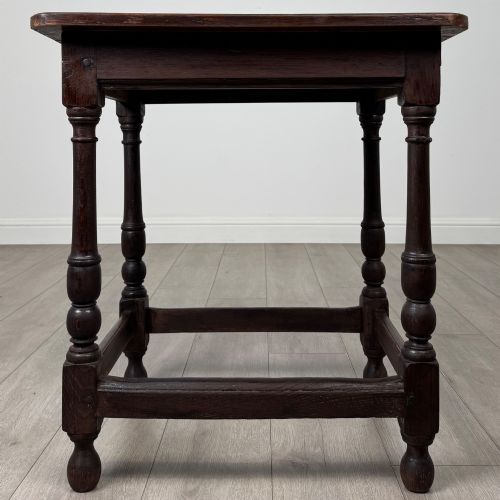
Joinery methods define the structural integrity of these items, utilising traditional pegged joints and turned or square legs rather than modern fasteners. Where appropriate, subtle brass details or carved elements accent the plain timber surfaces.
What varies in quality
The distinction between standard domestic items and superior examples lies in the crispness of the timber carving and the tightness of the original joinery. Heavier scantlings of solid oak and sophisticated turning on the legs elevate certain pieces above simpler utilitarian versions.
Proportion and surface patination also divide the range, as well-handled timber develops a rich, warm sheen through decades of use. Pieces that retain their original structural timber without extensive modern replacements command greater regard among collectors.
The Traditional Oak Accent Stool Glossary
- Joint stool
- A sturdy wooden stool constructed with mortise and tenon joints pegged together, commonly used for seating or as a small table in early British homes.
- Cricket table
- A small, lightweight occasional table typically featuring three legs and a circular top, designed to stand firm on uneven floors.
- Pollard oak
- Timber taken from trees that have been pollarded, producing a heavily figured grain pattern often utilised for tabletops and decorative panels.
- Jacobean revival
- A nineteenth-century style that imitates the heavy, ornamented furniture of the early seventeenth century, featuring turned legs and geometric carving.
- Vernacular furniture
- Domestic pieces made by local craftsmen using regional materials and traditional methods, rather than following metropolitan fashion trends.
Traditional Oak Accent Stool: Frequently Asked Questions
What is a joint stool?
A joint stool is a solidly built wooden seat constructed using pegged mortise and tenon joinery rather than nails or glue. These pieces date back to eras when timber framing techniques dominated furniture production.
They served multiple purposes in historic households, functioning as extra seating at the dining table, a stand for household objects, or even a platform for coffins during wakes.
How do I style an oak stool?
An oak stool fits easily into contemporary or traditional interiors as a bedside table, a plant stand, or a compact seat in a hallway. The neutral tones and natural grain of the timber complement stone, plaster, and textiles.
Positioning one beside a sofa provides an accessible surface for books or cups without overcrowding the room.
How do I date an antique stool?
Dating relies on observing tool marks, joint construction, timber shrinkage, and the style of turning on the legs. Earlier pieces often display hand-sawn surfaces and pegged joints, whereas later revival items show more uniform machine processing.
Comparing the wear patterns and the specific shade of the oak finish against known period examples helps narrow down the decade of manufacture.
Are these stools sturdy enough to sit on?
Most of these pieces were engineered for heavy daily use and remain structurally robust. Traditional jointed construction distributes weight evenly across the frame.
Checking the tightness of the legs and the condition of the stretchers ensures the piece will safely support everyday seating.