

Traditional Metal Single Bed
A traditional metal single bed brings period character and solid construction to a smaller bedroom.
Traditional Metal Single Bed
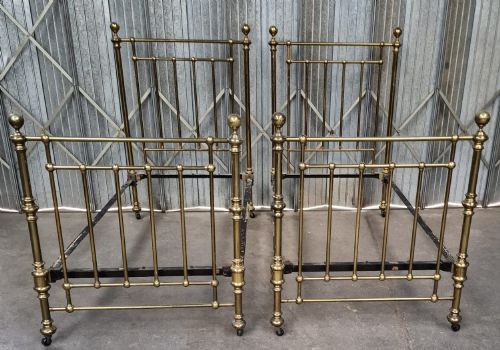
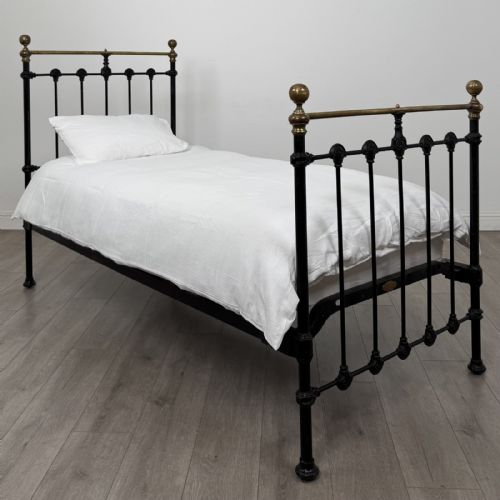
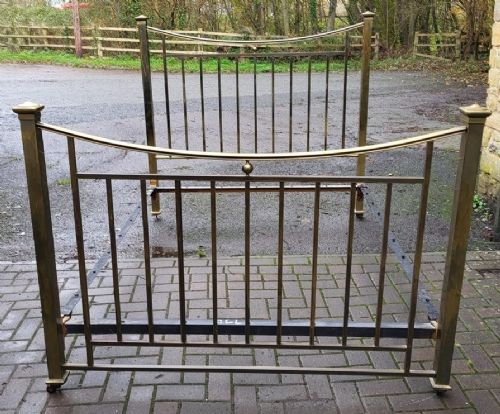
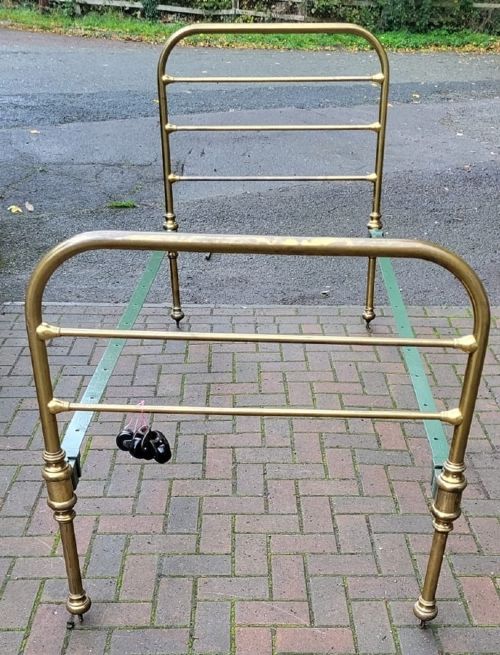
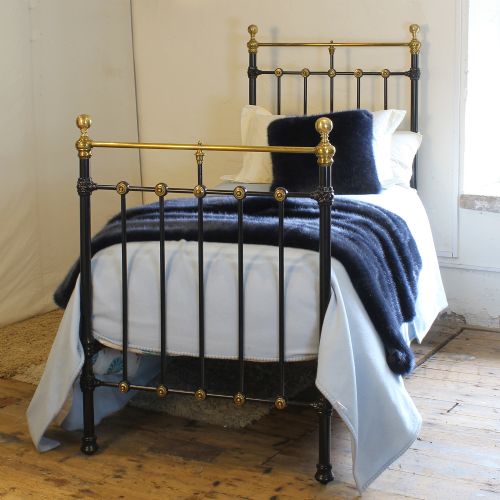
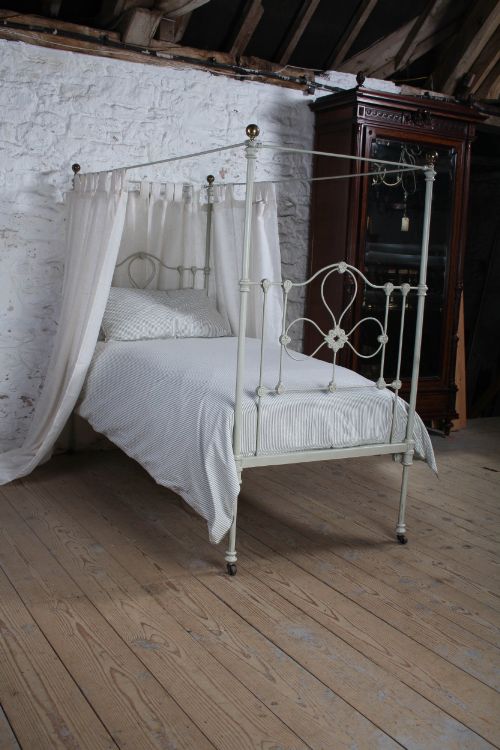
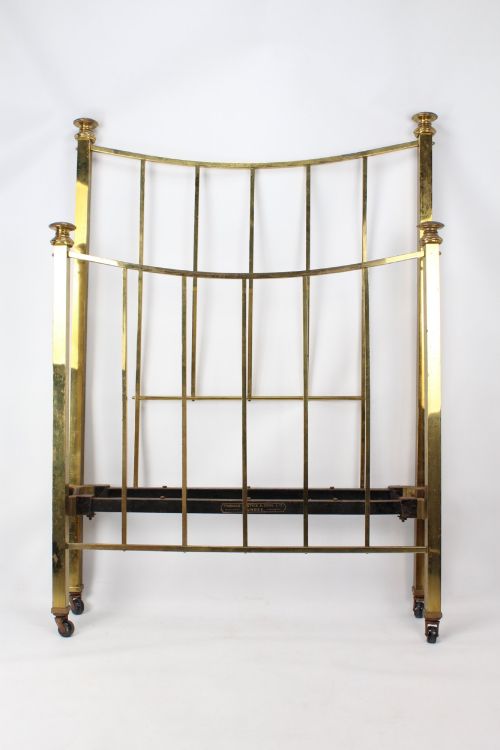
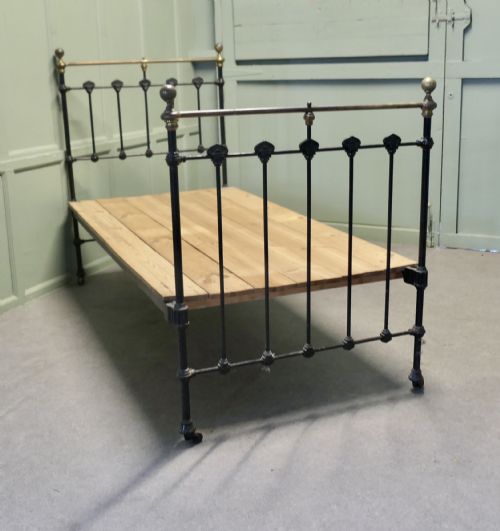
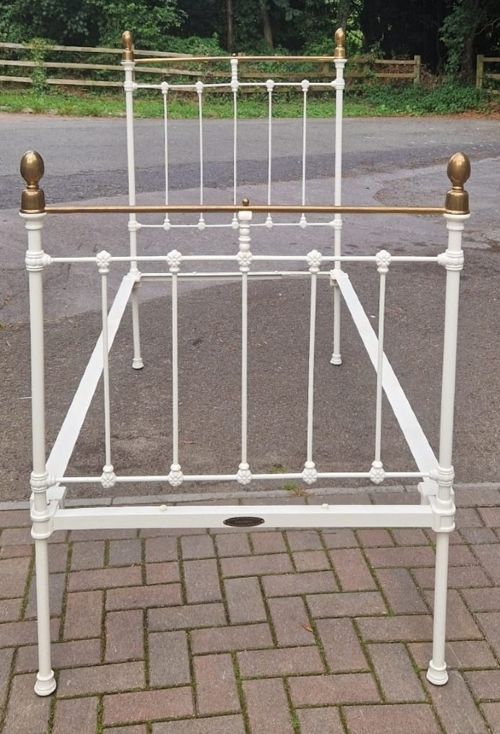
When you search for a traditional metal single bed, you are looking at nineteenth and early twentieth century sleeping furniture constructed from cast iron, wrought iron, and brass. These pieces range from simple utilitarian frames to decorative Victorian and Edwardian bedsteads featuring brass finials, ceramic castors, and hoop details.
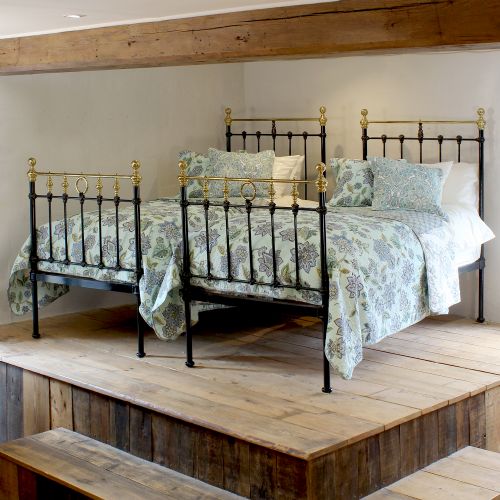
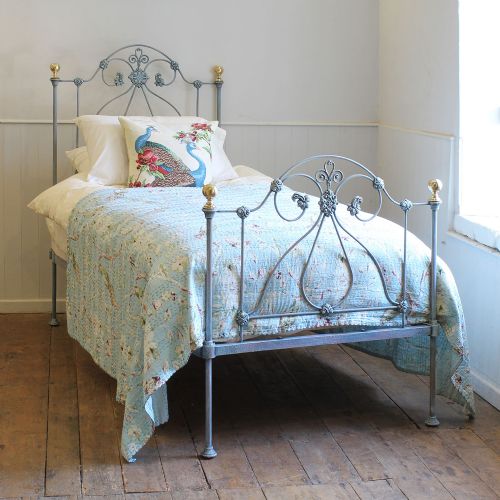
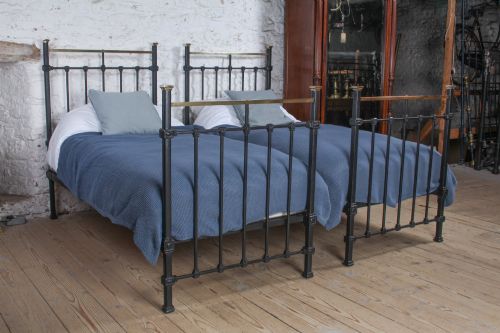
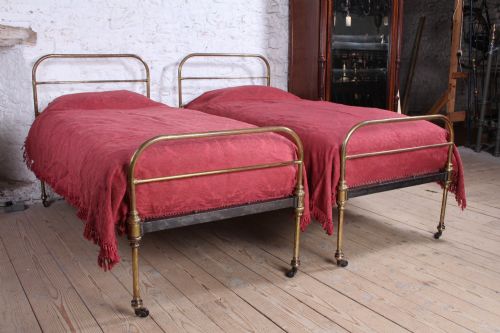
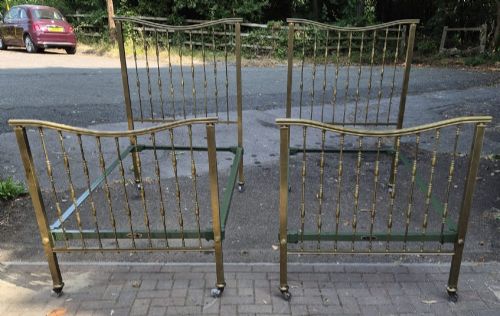
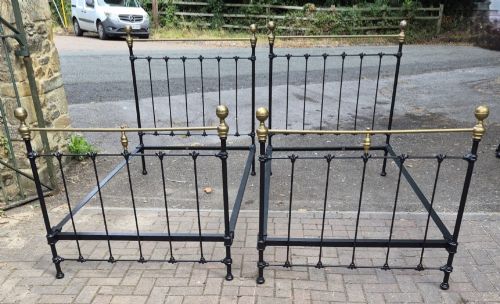
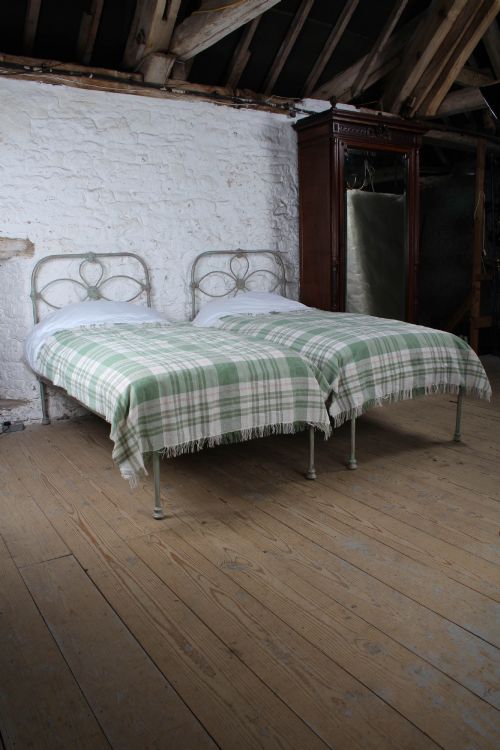
The selections available here lean heavily toward Victorian and Edwardian examples, alongside occasional Portuguese and French Belle Epoque pieces. Buyers frequently encounter single beds in black or white paint, blue verdigris, or polished brass, often found in matching pairs that can be joined together to form a wider sleeping platform.
Forms include standard single bedsteads, four poster variations, and no end designs suited for compact spaces. These beds combine the structural rigidity of heavy metal casting with decorative metalwork traditions spanning the 1850s to the 1920s.
Construction and materials
Makers utilised cast iron for the main structural frames and headboards, pouring molten metal into sand moulds to create rigid components and decorative motifs. Wrought iron was hand forged for specific structural bars and supports, yielding durable frames designed to withstand daily use over generations.
Brass elements, including tubing, spindle rails, and decorative finials, were attached to iron frameworks to provide contrast and visual warmth. Finishes applied to the metal surfaces included oil-based paints, protective ceramic coatings, and specialised treatments such as blue verdigris.
Joints and connections relied on sturdy metal dovetail wedges or bolts that allowed the headboards, footboards, and side rails to be dismantled for transport. Component parts frequently incorporated ceramic or wooden elements within the castors and decorative mountings.
Traditional Metal Single Bed Retail Price Guide 2026
Typical asking prices for traditional metal single bed among the pieces listed under this phrase on Sellingantiques today, from the lower quarter to the upper quarter. They describe what is for sale here now, not the wider market.
Several pairs of single beds advertised as capable of being joined suggest that nineteenth-century guests expected to coordinate their sleeping arrangements.
Assessing quality and craftsmanship
Quality in these beds rests upon the crispness of the iron castings and the weight of the brass components used in the construction. Finer examples display cleanly detailed brass decoration, well-fitted joints that remain square, and substantial metal gauge thickness rather than thin modern tubing.
The integrity of the original surface finish, whether deep black paint, cream enamel, or aged brass, separates standard examples from exceptional survivals. Maker attribution, visible in stamps from established firms like Hoskins & Sewell, Shoolbred, or R W Winfield, elevates the standing of a piece.
Proportion and decorative ambition also dictate the tier of the piece, distinguishing plain institutional frames from opulent French designs with hoop details or four poster configurations.
Hoskins and Sewell·Shoolbred·R W Winfield
The Traditional Metal Single Bed Glossary
- Brass finial
- A decorative terminal knob or cap screwed to the top of bed posts. These solid or spun brass elements provide a polished accent to the iron framework.
- Cast iron
- An iron-carbon alloy poured into moulds to create rigid structural bed components and intricate decorative details. It forms the heavy backbone of Victorian bedsteads.
- Wrought iron
- Iron beaten and shaped by hand while hot using blacksmithing techniques. This material offers high tensile strength for structural rails and supports.
- Verdigris
- A green or blue patina formed on brass or copper surfaces through atmospheric oxidation. On these beds, it appears as an intentional or aged decorative finish.
- Bedstead
- The complete structural framework of a bed, including headboard, footboard, and side rails, excluding the mattress and bedding. This term distinguishes the physical structure from the bed as a whole.
Traditional Metal Single Bed: Frequently Asked Questions
Will a standard modern mattress fit these antique single beds?
Many traditional metal single beds measure around three feet wide, but older lengths can vary slightly from contemporary standard sizes. Checking the internal length between the headboard and footboard ensures a modern mattress drops securely into the frame.
Some frames require wooden slats or modern base boards to support contemporary mattresses properly. Verifying the exact rail dimensions before purchase avoids fitting issues.
Can these antique single beds be joined together?
Several listings feature pairs of beds designed with matching dimensions and compatible side rails. These can be placed side by side and secured together to create a larger sleeping platform.
Sellers often note this capability when the side rails and headboard designs mirror each other precisely. This offers a practical option for guest rooms requiring flexibility.
How do I care for brass and iron bed frames?
Maintenance involves regular dusting with a dry cloth and gentle cleaning with non-abrasive products to protect painted or coated iron surfaces. Unlacquered brass components develop a natural patina over time that many collectors prefer to preserve.
Harsh chemical polishes should be avoided on antique painted finishes to prevent stripping the original colour. Checking and tightening joint bolts periodically keeps the frame structurally sound.
How do I determine the period of a metal bed?
Dating relies on stylistic clues, manufacturing techniques, and maker marks stamped into the iron or brass components. Mid-Victorian pieces often feature simpler iron construction, while late Victorian and Edwardian examples frequently incorporate more elaborate brass decorations and ceramic castors.
Design details like hoop joints or specific casting marks point toward particular decades between the 1850s and 1910s. Comparing construction methods against known dated examples provides the clearest guide.