



Traditional Mechanical Wall Clock
Traditional mechanical wall clock pieces are reliable timepieces driven by weights or springs, bringing period craftsmanship and dependable movement into a room.
Identifying a traditional mechanical wall clock
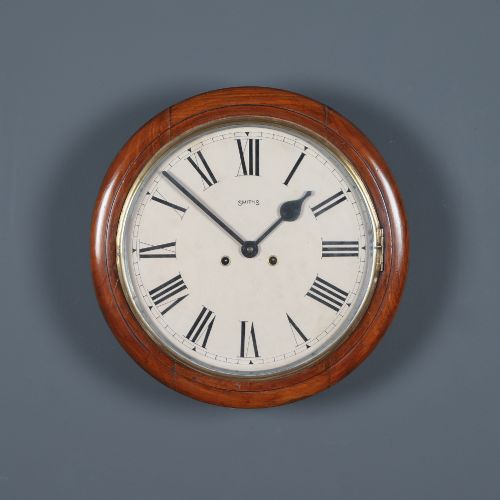
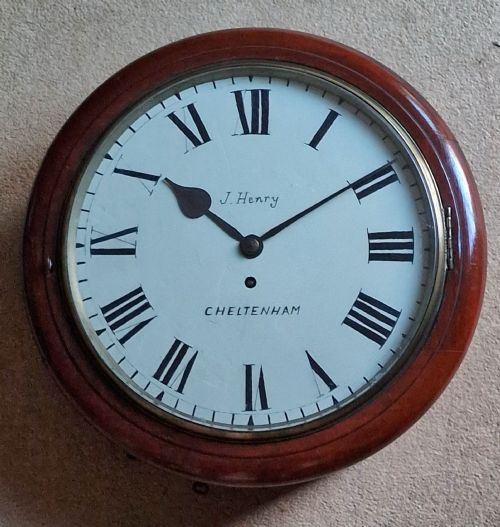
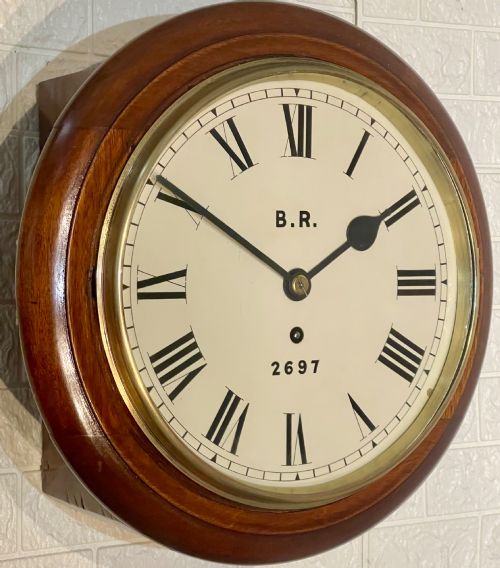
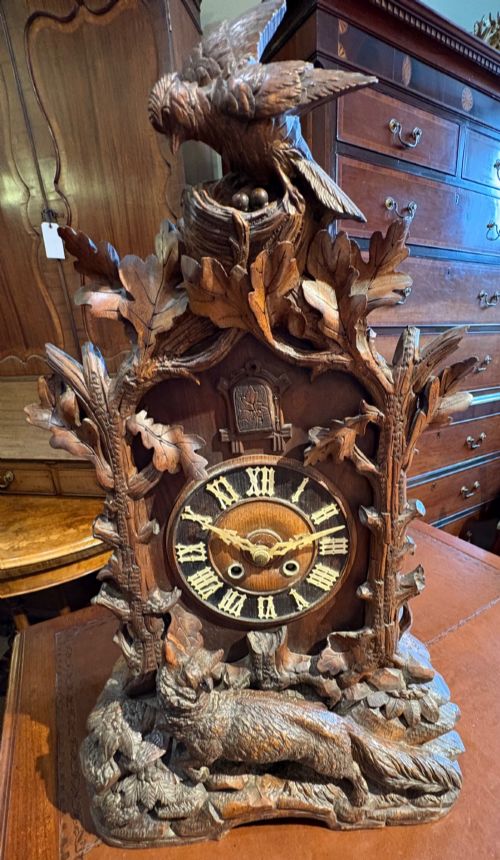
A traditional mechanical wall clock brings timekeeping into domestic and public spaces through weights, springs, and gears rather than electronic circuits. The selection on this page centres on dial clocks, drop dial clocks, and Vienna wall clocks.
The periods represented stretch from the Georgian era through the Victorian period, including pieces dated to eighteen eighty and the nineteenth century. Most examples take the form of wall-mounted dial clocks designed for clear visibility.
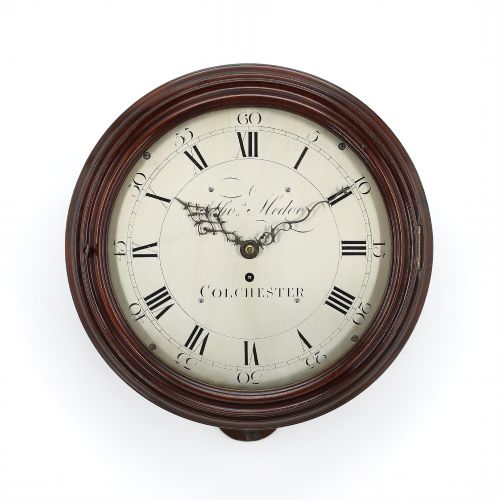
Makers such as Thomas Hedge of Colchester and J C Ralls of Clevedon appear on individual pieces, linking specific geography to horological history. Buyers encounter both mahogany and walnut cases alongside simpler variants housing painted metal dials.
Materials and construction methods
Cases utilise timber frames of mahogany, walnut, and ebonised wood, providing rigid housing for delicate inner movements. Glass protects the painted metal dials and brassbezels from dust and accidental contact.
The mechanical gear trains incorporate brass and steel components shaped to mesh with precision. Fusee movements and verge escapements regulate the unwinding force of the drive to maintain steady timekeeping.
Retail Price Guide 2026
Typical UK retail prices for traditional mechanical wall clock, calculated from the Sellingantiques database of over a million retail prices indexed since 2003. This retail price guide relies exclusively on Sellingantiques data; no external sources or auction records are used, so the figures do not describe the wider market.
Listings span the Georgian and Victorian periods, alongside nineteenth century examples.
Judging quality in mechanical wall clocks
The sophistication of the movement dictates the standing of a piece, distinguishing standard timepieces from those with complex fusee or verge mechanisms. Precision in gear cutting and the finish of brass components mark out superior horology.
Cabinetwork separates the ordinary from the exceptional, visible in the choice of figured mahogany or walnut veneers and the crispness of carved mouldings. Dials with clean painted numerals and well-made hands retain greater visual clarity and historical integrity.
Thomas Hedge of Colchester·J C Ralls Clevedon
The Traditional Mechanical Wall Clock Glossary
- Dial clock
- A wall clock featuring a prominent circular face, historically utilised in offices, stations, and large halls. These displays prioritise legibility from a distance.
- Fusee
- A conical pulley connected to the mainspring by a cord or chain, designed to equalise the torque as the spring unwinds. This mechanism ensures consistent power delivery to the gear train.
- Verge escapement
- An early type of escapement mechanism that controls the release of the gear train using a rocking palette and crown wheel. It represents traditional horological engineering.
- Drop dial clock
- A wall-mounted clock where the circular dial sits above a lower wooden case, often housing a pendulum bob. This case shape provides room for a longer drop while maintaining a compact upper profile.
Frequently Asked Questions
How do I wind a mechanical wall clock?
Wind the clock utilising the designated key inserted into the dial face, turning gently until resistance indicates the mainspring is fully tensioned. Overwinding can damage the internal mechanism.
Take care not to force the key past the stopping point. Regular winding at consistent intervals helps maintain steady timekeeping performance.
Where should I hang a wall clock?
Mount the clock securely onto a solid wall stud or utilise appropriate heavy-duty fixings suited to the wall material. Ensure the hanging surface is stable to prevent vibrations from disturbing the pendulum.
Keep the clock away from damp areas, direct sunlight, and extreme temperature fluctuations. A stable environment preserves both the wooden case and the metal movement.
Why does my mechanical clock lose time?
Changes in temperature, humidity, or the position of the pendulum can alter the operating speed of the movement. Minor adjustments to the pendulum bob regulate the beat.
Accumulated dust or dried lubricant within the brass gears will also slow the mechanism. Professional servicing restores proper freedom of movement.
How do I identify the period of a clock?
Examine the timber used in the case, the style of the painted metal dial, and the construction methods visible within the movement. Georgian and Victorian pieces exhibit distinct design conventions.
Signatures or inscriptions on the dial or movement backplate often name the maker and town of origin. Comparing these details against known horological records narrows the date range.