



Traditional Maritime Oil
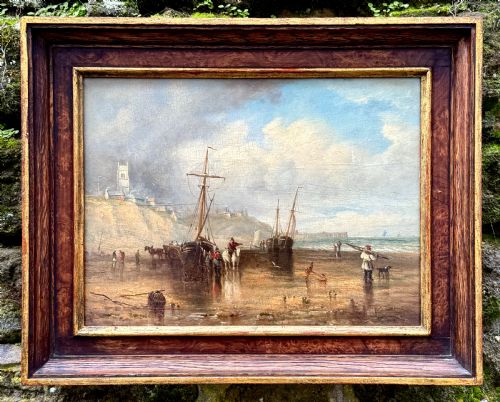
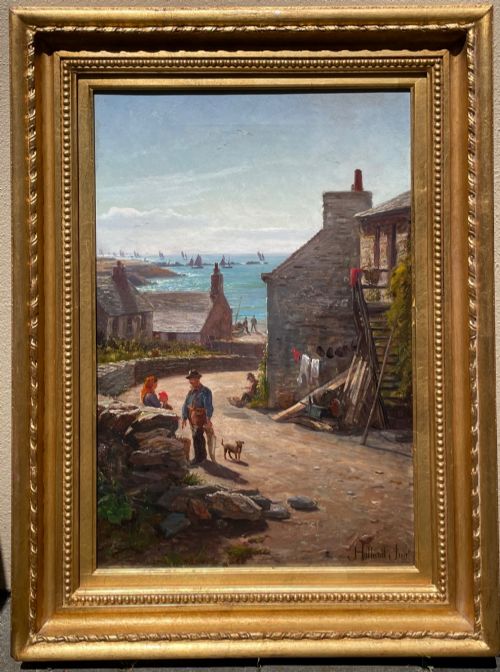
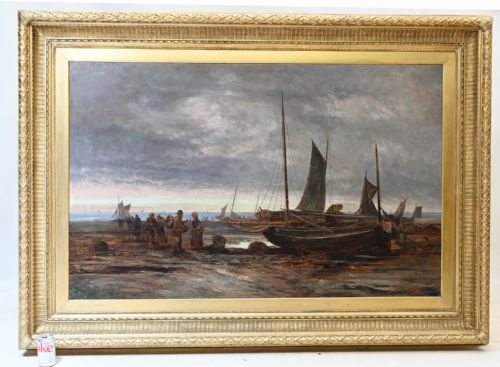
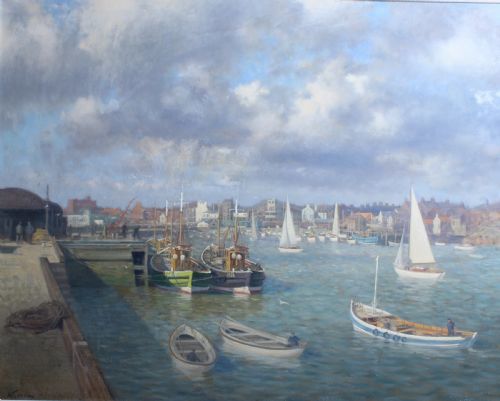
Traditional maritime oil paintings capture the movement of coastal waters and the grit of sailing ships on canvas.
Traditional Maritime Oil
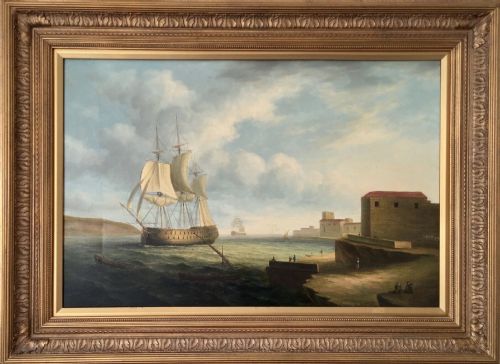
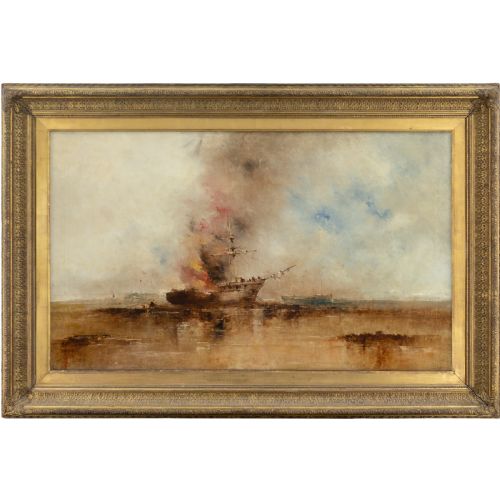
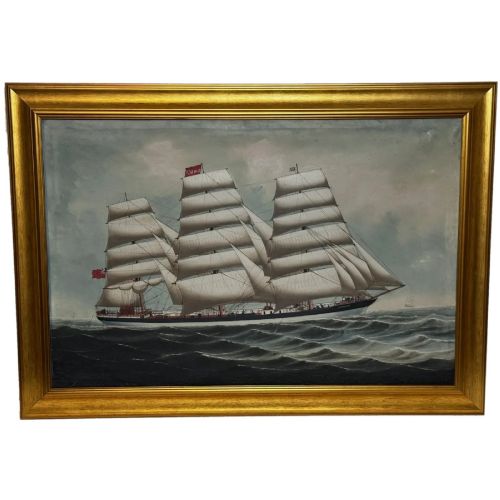
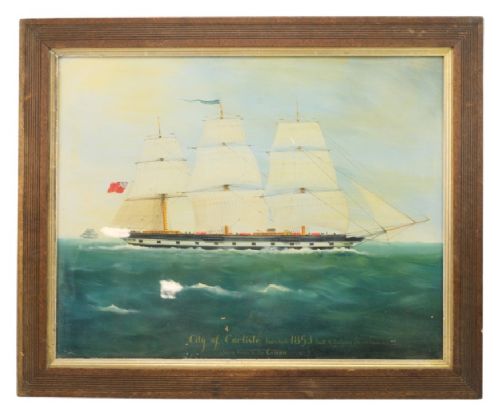
Traditional maritime oil pieces focus on harbours, warships, lighthouses and coastal scenes rendered during the nineteenth and early twentieth centuries.
Buyers encounter framed seascapes and harbour views created by named British and European artists working on canvas or panel.
Materials and methods
Artists built these traditional maritime oil paintings using oil paint applied to stretched canvas or wooden panels.
Many works retain their original giltwood or gilded wood frames, which complement the maritime subject matter.
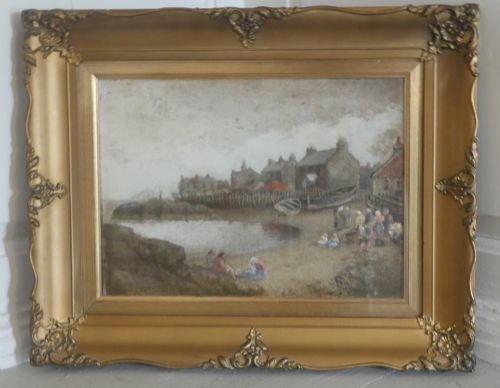
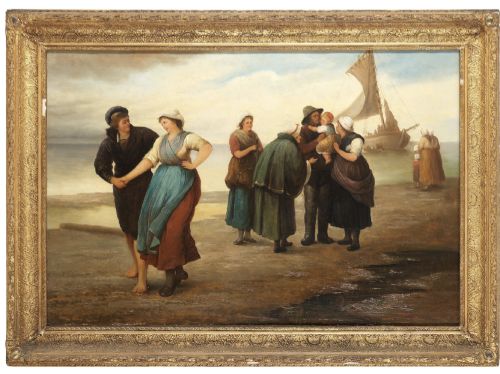
Amidst the grand warship portraits and stormy seas, an unexpected canvas depicts distinctly unruly children.
Judging quality in marine art
Quality rests upon the artist's ability to render the movement of water, the rigging of ships and the play of light across the sea.
Stronger works demonstrate confident brushwork and accurate topographical detail rather than formulaic composition.
Reginald Arthur Borstel·Edward Mills·Thomas Creswick·John Holland·Walter Goodin·William Edward Webb·James Kyd·Stanley Leader·George Shaw·Hendrik Willebrord Jansen·John Bell·William Pitt·James Webb·Dion Pears·Jane Vivian·George Henry Knight·John Callow
The Traditional Maritime Oil Glossary
- Seascape
- A painting depicting the sea, coastal views or marine vessels in motion. These works often focus on weather conditions and coastal topography.
- Panel
- A rigid wooden support used by artists instead of stretched canvas. Panels provide a firm surface for detailed brushwork.
- Giltwood
- Wood carved and covered with a thin layer of gold leaf. Antique frames utilise this finish to highlight the artwork.
- Canvas
- Heavy woven fabric stretched over a wooden frame to form a painting surface. It is the primary medium for traditional oils.
Traditional Maritime Oil: Frequently Asked Questions
What periods do these paintings date from?
The works span from the eighteenth century through the Victorian era up to the mid-twentieth century.
Most pieces originate from the nineteenth century, reflecting the height of marine painting traditions.
How were these marine paintings displayed?
Owners historically hung these artworks in formal reception rooms and maritime offices.
They are almost invariably housed in decorative giltwood frames suited to domestic display.
Are these works signed by the artists?
Many pieces bear signatures or attributions to known British and European painters.
Others represent the output of regional schools working in the traditional style.
What subjects appear in these seascapes?
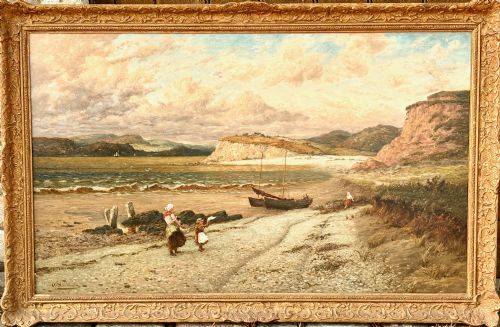
Common subjects include fishing trawlers in choppy seas, warships at anchor and busy harbour scenes.
Coastal landmarks such as lighthouses and piers also feature frequently.