







Traditional Marine Seascape Art
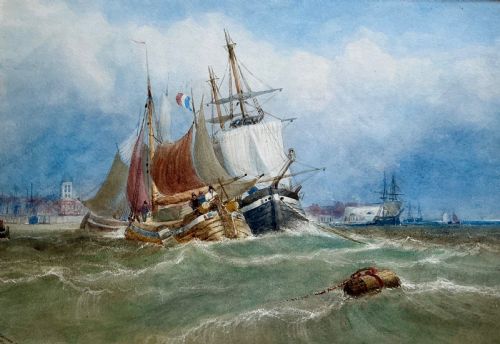
Traditional marine seascape art brings the movement of nineteenth-century harbours, warships, and coastal fishing fleets directly into your room.
Traditional Marine Seascape Art
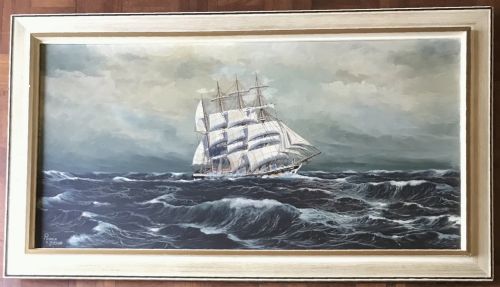
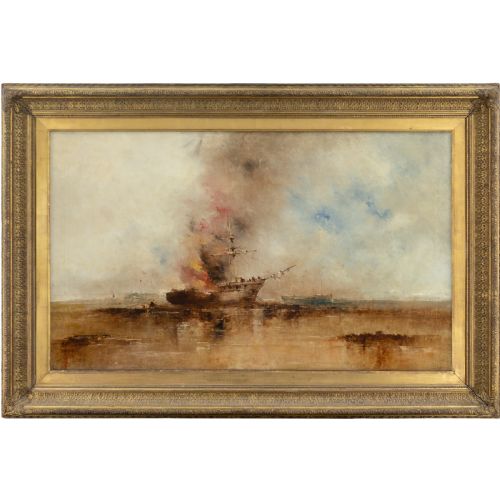
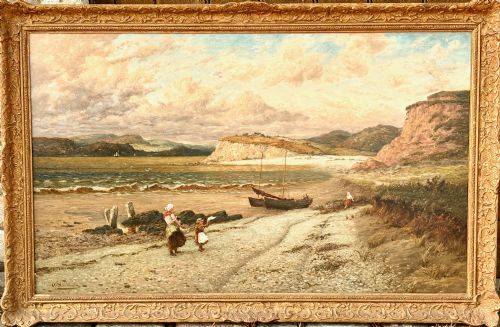
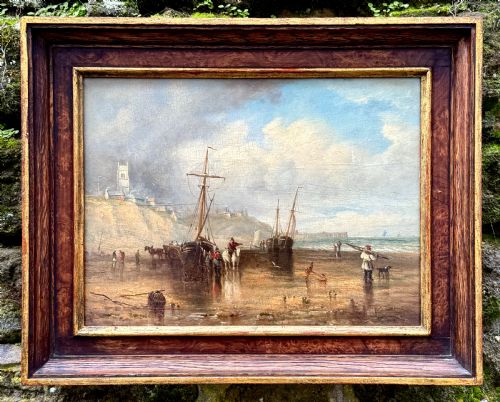
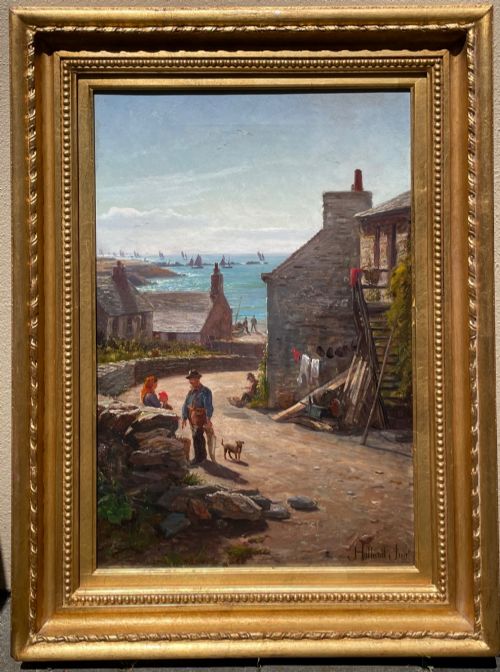
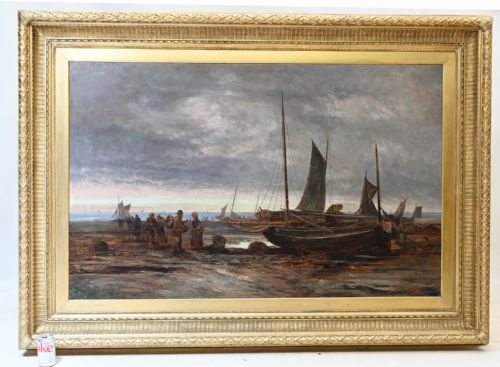
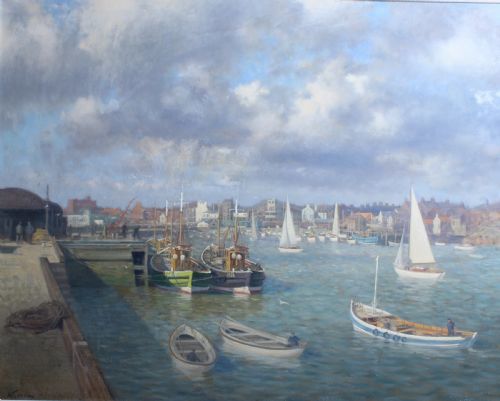
Traditional marine seascape art encompasses framed paintings depicting coastal waters, harbour scenes, naval vessels, and coastal shipping. The works range widely in scale, from intimate watercolours of Cornish ports to large nineteenth-century oils of stormy seas.
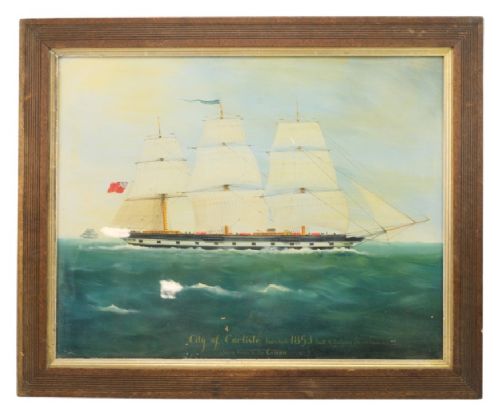
Most examples you will encounter date from the Victorian era up to the early twentieth century. These pieces frequently record specific locations such as St Ives, Scarborough, and the Isle of Man, or portray named ships and historical naval actions.
The dominant forms are oil paintings on canvas or board alongside watercolours on paper. Artists working in this genre captured both calm coastal lagoons and heavy seas with fishing trawlers or warships.
Materials and techniques
Painters relied principally on oil paint applied to canvas, wood panels, or stretched boards, building up rich textures to render turbulent water and skies. Watercolours executed on paper offered a more fluid medium for luminous coastal light.
Finished works were traditionally housed in wooden frames, frequently decorated with gilding or giltwood mouldings that enhanced the depth of the composition. Support panels were prepared to receive pigment while canvases were stretched across wooden frames.
Materials documented across the works include oil on canvas, watercolour on paper, gilded wood, and oil paint on board.
Distinctions in quality
Quality rests upon the artist's ability to handle light, water, and vessel perspective convincingly. Weaker works often render waves and rigging mechanically, whereas superior paintings display dynamic movement and precise maritime architecture.
The sophistication of the palette and the atmospheric depth of the sky separate standard decorative views from accomplished fine art paintings. Signed works by documented artists carry stronger compositional assurance.
William Banks Fortescue·Henry Barlow Carter·Thomas Rose Miles·Alfred Henry Vickers·John Callow
The Traditional Marine Seascape Art Glossary
- Seascape
- A work of art depicting the sea, coastal views, or maritime activities. These compositions focus primarily on water, weather, and marine environments.
- Maritime art
- Artworks that document ships, naval battles, harbours, and seafaring life. This broader category includes both specific vessel portraits and general coastal scenes.
- Oil on canvas
- Pigment suspended in a drying oil applied to a woven fabric support. This technique allowed artists to create rich textures and deep tones.
- Watercolour
- A paint consisting of water-soluble pigments applied to paper. It yields transparent washes well suited to atmospheric coastal light.
- Giltwood
- Wood carved and covered with a thin layer of gold leaf or gilt. It provided ornate framing for nineteenth-century paintings.
Traditional Marine Seascape Art: Frequently Asked Questions
How do I identify a nineteenth-century marine painting?
Examine the canvas stretcher, the framing style, and the pigments used. Nineteenth-century works often feature specific canvas textures and hand-carved giltwood frames that match the period.
Subject matter also provides strong clues, as many canvases record named nineteenth-century vessels, naval actions, or bustling Victorian harbour trade.
Where should I hang a large marine oil painting?
These works require sturdy wall space away from direct sunlight and damp conditions. Large nineteenth-century canvases command attention in principal reception rooms or hallways.
Ensure the hanging fixings match the weight of the heavy wooden frames often found on these pieces.
What is the difference between oil and watercolour marine art?
Oil paintings use heavy pigments on canvas or board to build rich textures and deep water effects. They usually require heavier protective frames.
Watercolours utilise pigment on paper under glass, offering lighter, more luminous atmospheric effects suited to quiet coastal views.
How do I care for antique canvas paintings?
Keep paintings in rooms with stable temperature and humidity levels to prevent the canvas from slackening. Dust frames gently with a soft dry brush without touching the painted surface.
Avoid using any liquid cleaners on the oil paint or watercolour paper.