


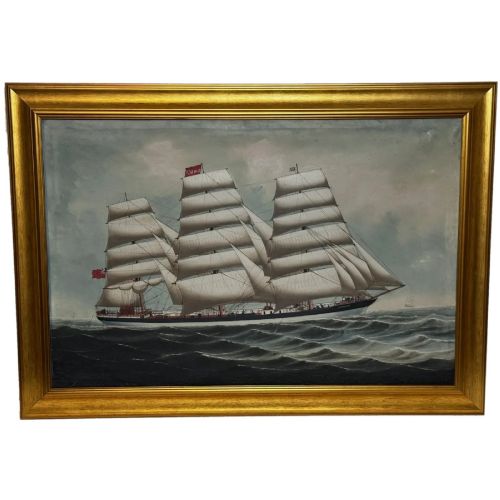
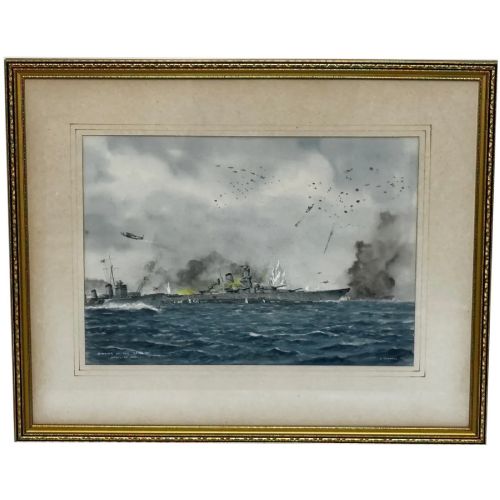
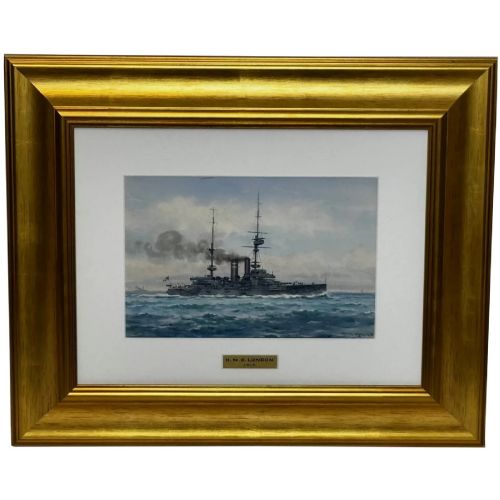
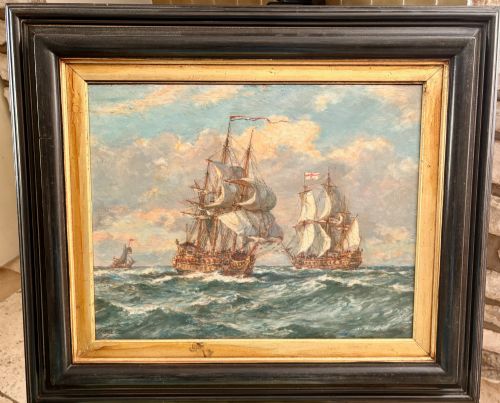



Vintage Vessel Artwork
Vintage vessel artwork captures maritime history through paintings of ships, seascapes, and naval scenes created across multiple centuries.
Vintage Vessel Artwork
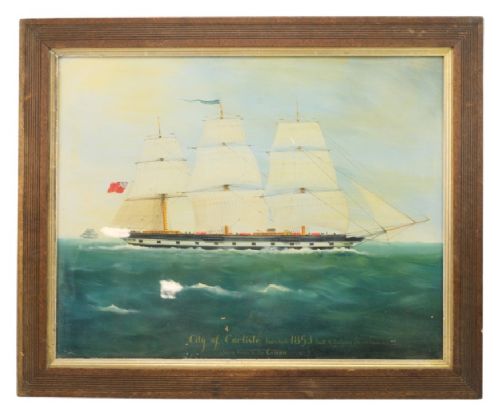
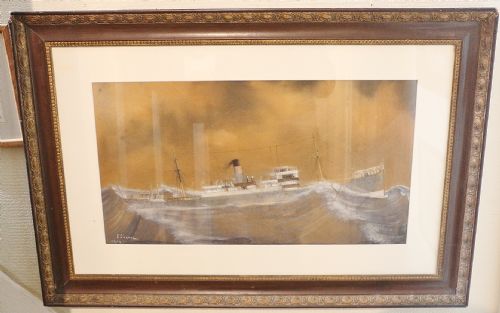
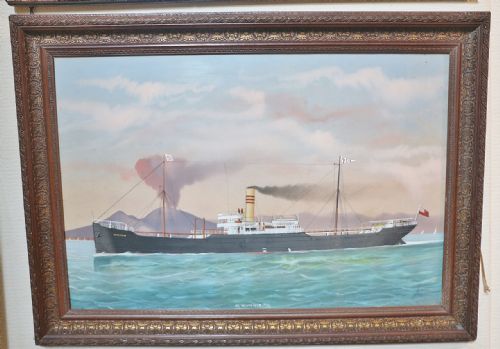
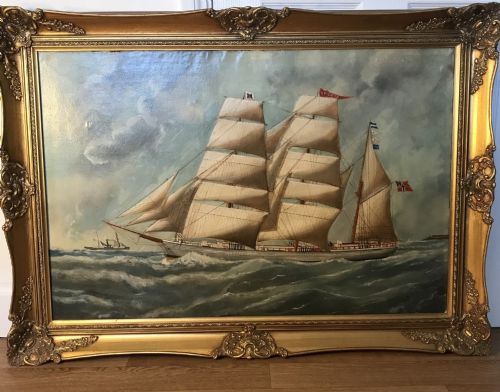
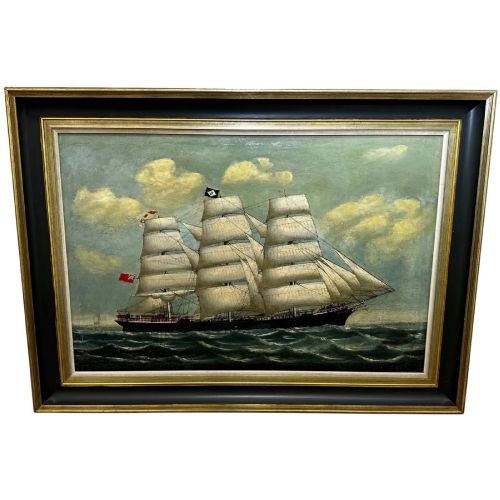
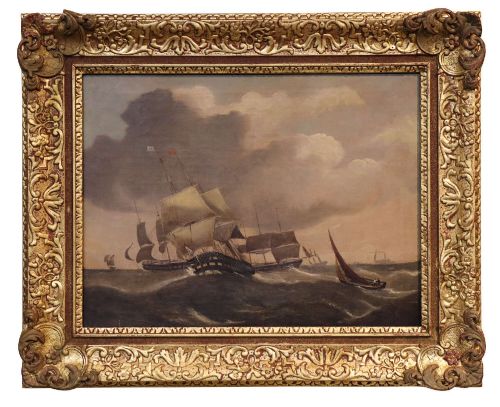
Vintage vessel artwork encompasses paintings, watercolours, and framed maritime scenes depicting ships, steamships, and naval battles. When you search for vintage vessel artwork, you encounter historical depictions ranging from nineteenth-century sailing ships to mid-century naval vessels. The pieces reflect a strong focus on maritime subjects, recording specific vessels and dramatic seascapes across generations.
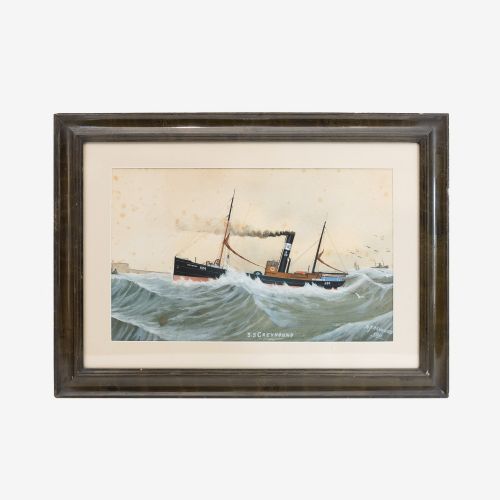
The selections available on this page lean heavily towards marine paintings executed in oil and watercolour. Many works document named vessels, including historic steamers, clippers, and ironclads, anchored in harbours or navigating heavy seas. Collectors find both professional maritime artists and accomplished English and continental school painters represented in these formats.
How they were made
Artists typically utilised oil paint on canvas or board, and watercolour or gouache on paper, to capture the movement of water and the intricate rigging of ships. These mediums allowed painters to render coastal light, stormy weather, and metallic hull details with precision. Many works are preserved in their original framed presentations, utilising wood and gilt finishes appropriate to their period.
Techniques range from tight pierhead portraits recording specific commercial steamers to impressionistic depictions of sea battles and fishing boats. Painters often combined observational accuracy regarding naval architecture with atmospheric treatments of sky and sea. The application of paint varies from smooth, detailed brushwork to heavy impasto capturing turbulent waves.
The selection includes formal naval portraits alongside stormy coastal scenes and detailed depictions of historical steamships.
What varies in quality
Quality in these maritime works rests upon the artist's grasp of naval architecture, perspective, and atmospheric conditions. Superior pieces demonstrate a confident command of water movement and convincing vessel proportions, while lesser works can feel stiff or generic. The reputation of the artist and the documentary value of the named ship elevate certain pieces above standard decorative marine art.
The condition of the canvas, paper, and original frame also dictates the standing of a piece within the range. Works that retain their original surface without heavy restoration hold greater appeal for collectors of naval history. Furthermore, the inclusion of specific historical context, such as documented voyages or naval engagements, distinguishes exceptional examples from ordinary depictions.
Reginald Arthur Borstel·Eric Tufnell·Frank Watson Wood·Bernard Gribble·F. Corpuz·Bernard Benedict Hemy·Alexander Harwood·Vincenzo D'Esposito·William Frederick Settle·George Shaw·Dion Pears·Gustave de Breanski
The Vintage Vessel Artwork Glossary
- Pierhead painting
- A genre of marine art depicting ships entering or leaving port, traditionally commissioned by captains or shipowners to record specific vessels accurately. These works often show precise details of the ship's rigging and flag arrangements.
- Impressionism
- An art style characterised by relatively small, thin, yet visible brush strokes and an emphasis on accurate depiction of light in its changing qualities. In marine art, this approach captures transient weather effects and shimmering sea surfaces.
- Gouache
- An opaque watercolour medium consisting of natural pigment, water, and a binding agent such as gum arabic. Artists utilised this to create matte, highly detailed ship portraits with solid areas of colour.
- Barque
- A sailing vessel with three or more masts having the fore- and mainmasts square-rigged and the mizzenmast fore-and-aft rigged. This rig frequently appears in nineteenth-century maritime paintings.
- Impasto
- A technique where paint is laid on an area of the surface in very thick layers, usually thicker than the brush stroke. Marine artists utilised this method to give physical texture to foaming waves and turbulent seas.
Vintage Vessel Artwork: Frequently Asked Questions
What is vintage vessel artwork?
Vintage vessel artwork consists of historical paintings and watercolours that record ships, marine scenes, and naval history. These pieces document everything from traditional sailing barques to twentieth-century steamships.
Collectors and historians value these works for their accurate portrayals of maritime architecture and coastal environments. They serve as visual archives of naval development and commercial shipping over past centuries.
How were marine watercolours protected?
Marine watercolours on paper were traditionally framed behind glass with protective mounts to shield the delicate pigments from dust and moisture. This framing preserved the fine details of rigging and wash techniques.
Many surviving pieces retain their period frames, which provide clues to the era in which the artwork was displayed. Proper framing remains essential for preventing paper degradation and fading over time.
How do I identify a ship in a painting?
Many maritime paintings include flags, pennants, or painted lettering on the hull or stern that name the vessel. Port records and shipping registers often match these identifiers to historical logs.
Artists frequently documented specific commercial vessels for shipowners or captains, ensuring the hull proportions and rigging matched the actual craft. Researching the listed shipping line or port background often reveals the exact vessel depicted.
Where were pierhead paintings displayed?
Pierhead paintings were commonly commissioned for shipping offices, maritime hotels, and the homes of ship captains or owners. They functioned as both pride of ownership and precise visual records of commercial fleets.
These works captured ships arriving at specific ports, making them significant local history documents as well as maritime art. Their creation often coincided with the launch or maiden voyage of a vessel.