



18th Century Naval Art
These pieces of 18th century naval art capture the grit and glory of maritime history, offering any collector a direct link to the age of sail.
18th Century Naval Art
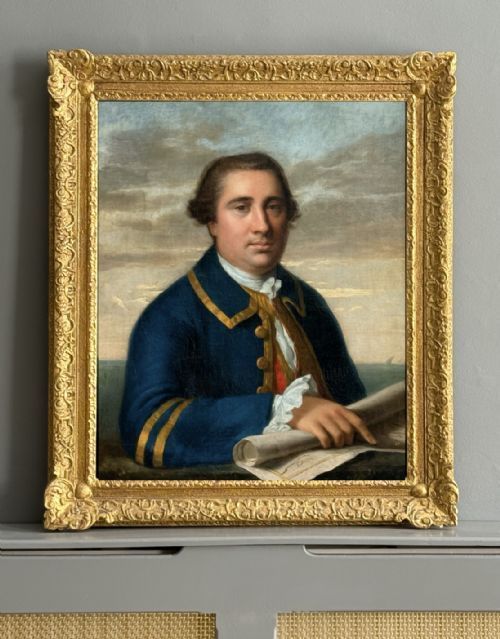
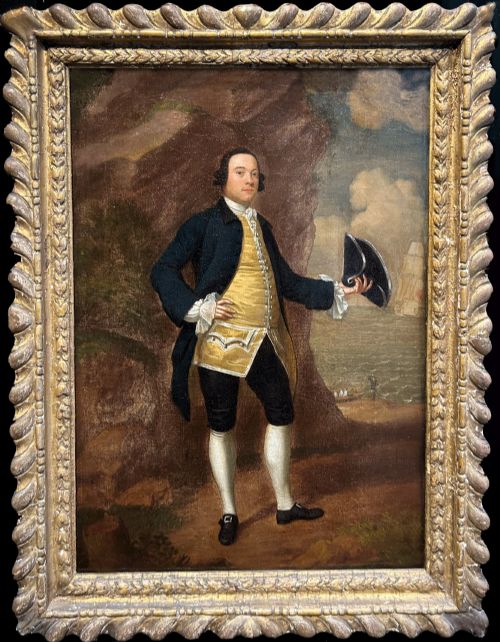
18th century naval art centres on maritime scenes, ship portraits, and notable figures of the sea from the Georgian era. Buyers searching for 18th century naval art will frequently encounter oil paintings on canvas alongside delicate portrait miniatures.
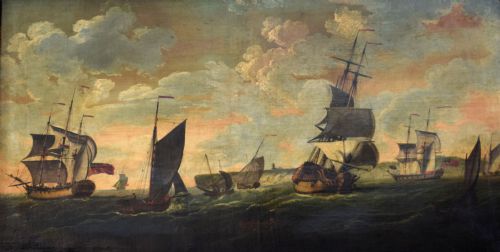
The selections span depictions of warships in combat, coastal shipping, and individual captains or admirals. Most works originate from the eighteenth century, featuring occasional pieces from the nineteenth century depicting earlier naval subjects.
Portraiture forms a significant strand of these listings, often capturing officers wearing uniforms or orders. Alongside these, seascapes showcase galleons, frigates, and naval engagements with cannon fire.
Materials and techniques
Artists of this era primarily applied oil paint to stretched canvas to create enduring maritime scenes and portraits. Some works utilise watercolour or specialised surfaces such as agate panels for miniature portraits.
Frames play a crucial role in presentation, with period examples incorporating giltwood or occasionally eighteen-karat gold. Pigments and brushwork reflect the traditional techniques of Georgian portraiture and marine painting.
Several naval captains in these portraits gaze into the distance as though perpetually judging the wind speed and spotting distant French frigates.
Factors of quality
Quality rests heavily on the fidelity of the maritime detail and the skill demonstrated in human portraiture. Works by identified hands or attributed masters display superior brushwork in rigging, uniforms, and facial expressions.
The preservation of the canvas and the originality of the frame influence the standing of a piece. Finer examples maintain crisp definitions in ships and clear provenance regarding the officers or vessels depicted.
Lemuel Francis Abbott·Francis Hayman·Sir Thomas Lawrence·Samuel Lane·Francis Holman·Robert Ker Porter
The 18th Century Naval Art Glossary
- Oil on canvas
- A traditional painting medium where pigments bound in oil are applied to a woven fabric support. This combination allows for rich blending and longevity.
- Portrait miniature
- A small, highly detailed painting, often executed on materials like agate or vellum. These intimate works frequently commemorate military or naval personnel.
- Giltwood
- Wood that has been treated with a thin layer of gold leaf. It is commonly found on period frames enhancing maritime paintings.
- Frigate
- A fast, medium-sized warship used extensively during the age of sail. They appear frequently in period coastal and battle scenes.
- Provenance
- The documented history of ownership of an artwork. It establishes authenticity and connects the piece to historical figures.
18th Century Naval Art: Frequently Asked Questions
How do I identify a genuine period maritime painting?
Examine the canvas preparation, stretcher construction, and pigment ageing typical of the eighteenth century. Maritime details such as rigging and uniform styles must match historical navy records.
Look for craquelure patterns consistent with age and inspect any inscriptions or signatures identifying the vessel or sitter.
Where should I hang a naval portrait?
Choose a wall away from direct sunlight and excessive humidity to protect oil paint and giltwood frames. A stable indoor climate prevents canvas warping and paint cracking.
Position the artwork at eye level where adequate ambient light reveals the fine details of uniforms and ship rigging.
What subjects appear in these marine artworks?
The works depict named naval officers, sea battles with warships, and coastal shipping scenes. Vessels range from single frigates to fleets engaged near the coast.
Individual portraits often highlight medals, swords, and uniforms denoting rank and service in the navy.
How do I care for an antique oil painting?
Dust the surface gently with a soft, dry brush without applying pressure to the paint layer. Avoid using chemical cleaners or water on the canvas.
Consult a professional conservator if the varnish darkens or if structural repairs to the canvas or frame become necessary.