
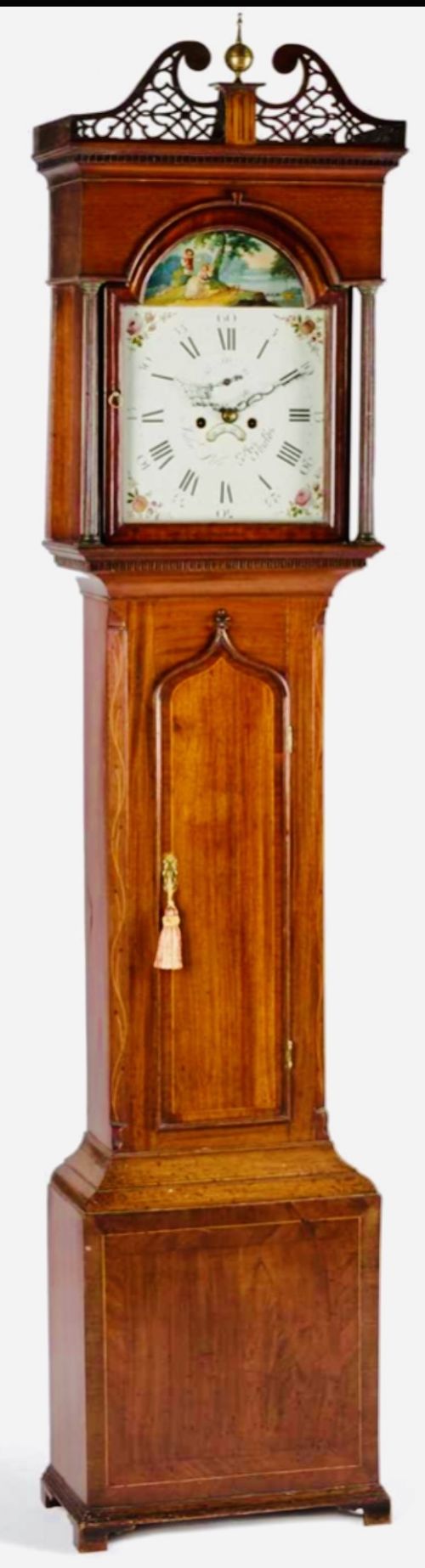
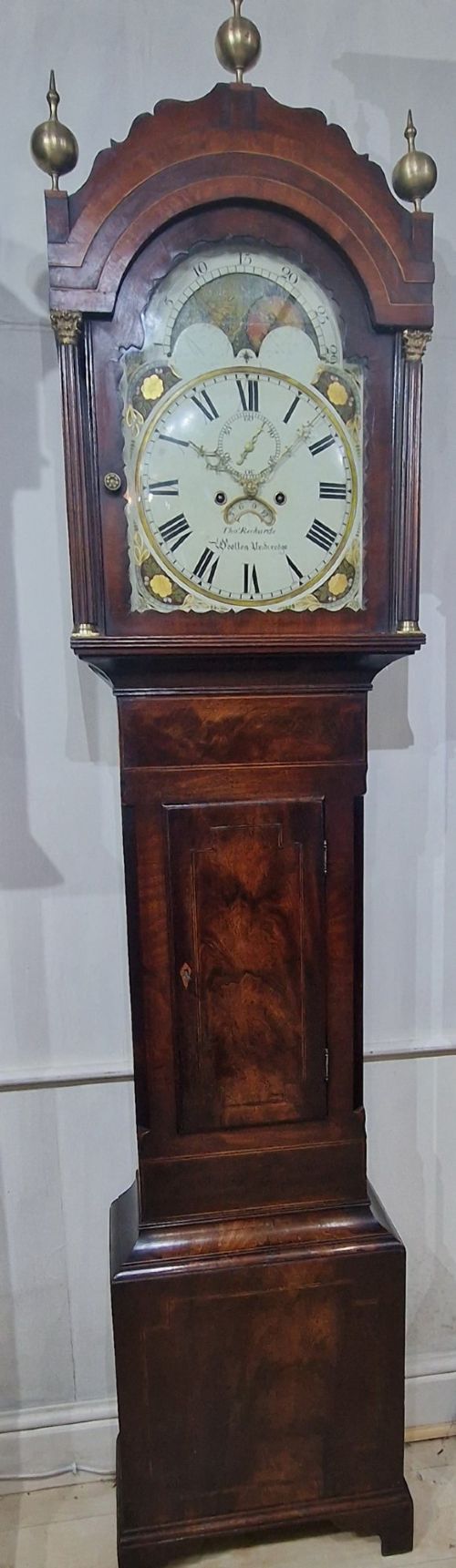

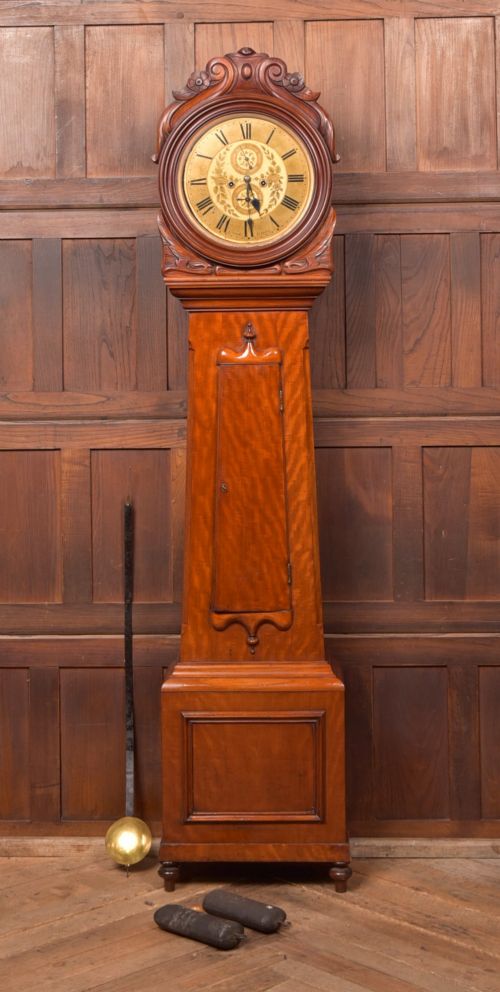
Traditional Mahogany Tall Clock
A traditional mahogany tall clock commands a room with architectural presence and precise mechanical life, marking hours through centuries.
Traditional Mahogany Tall Clock
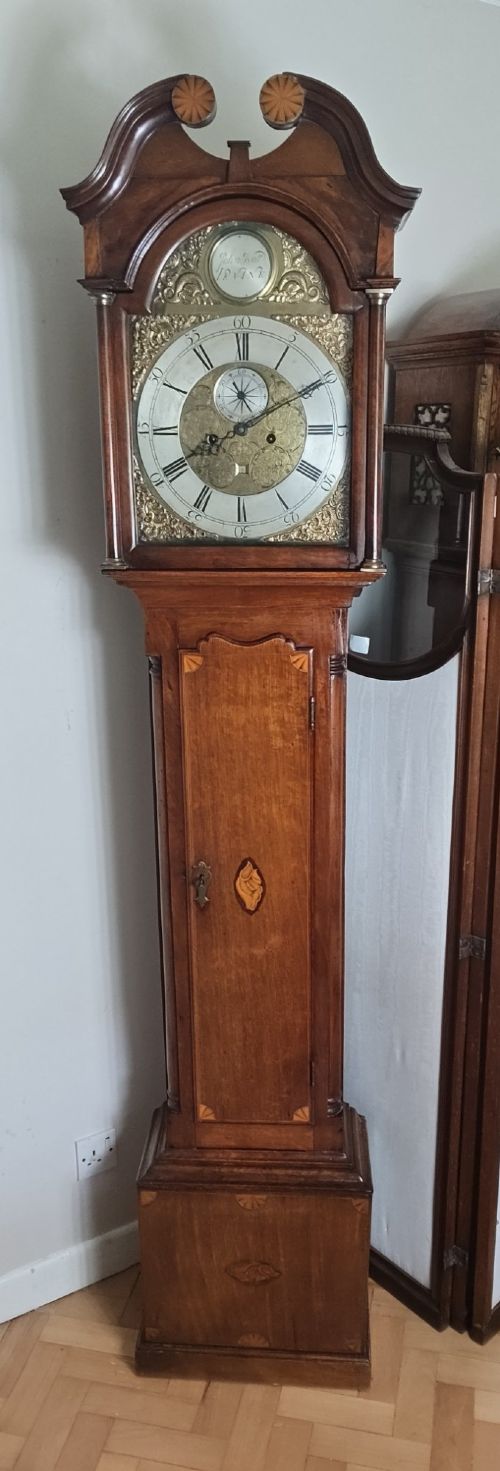
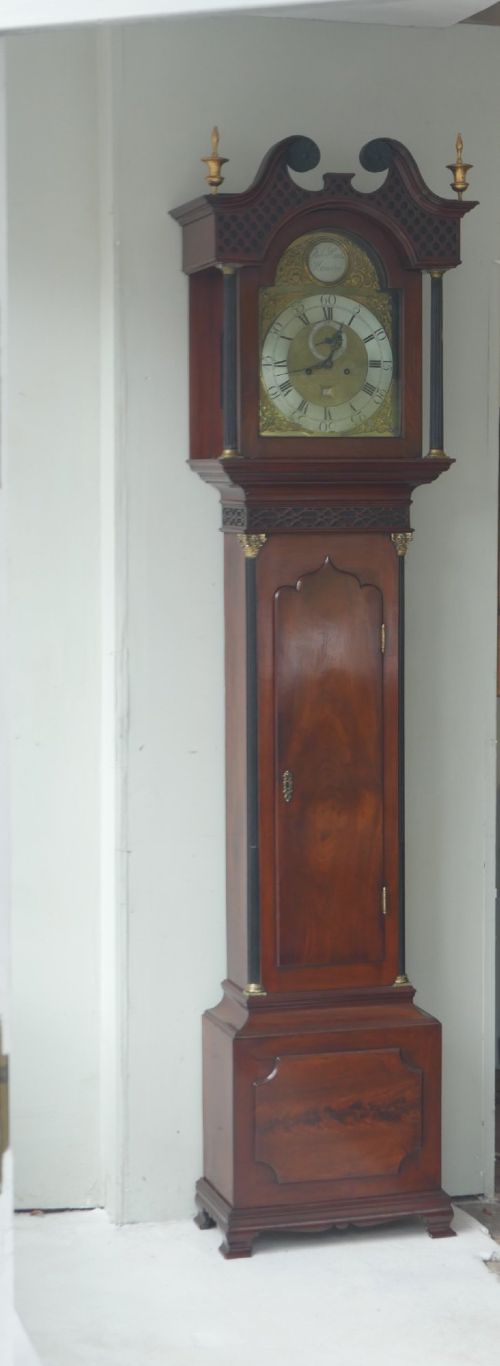
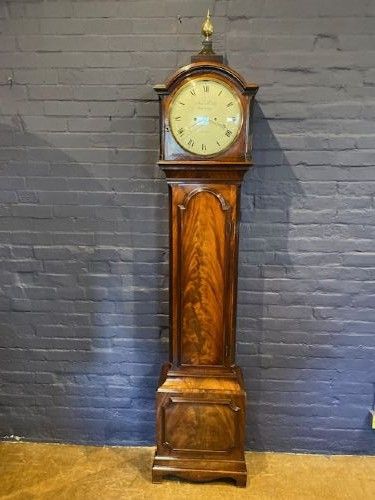
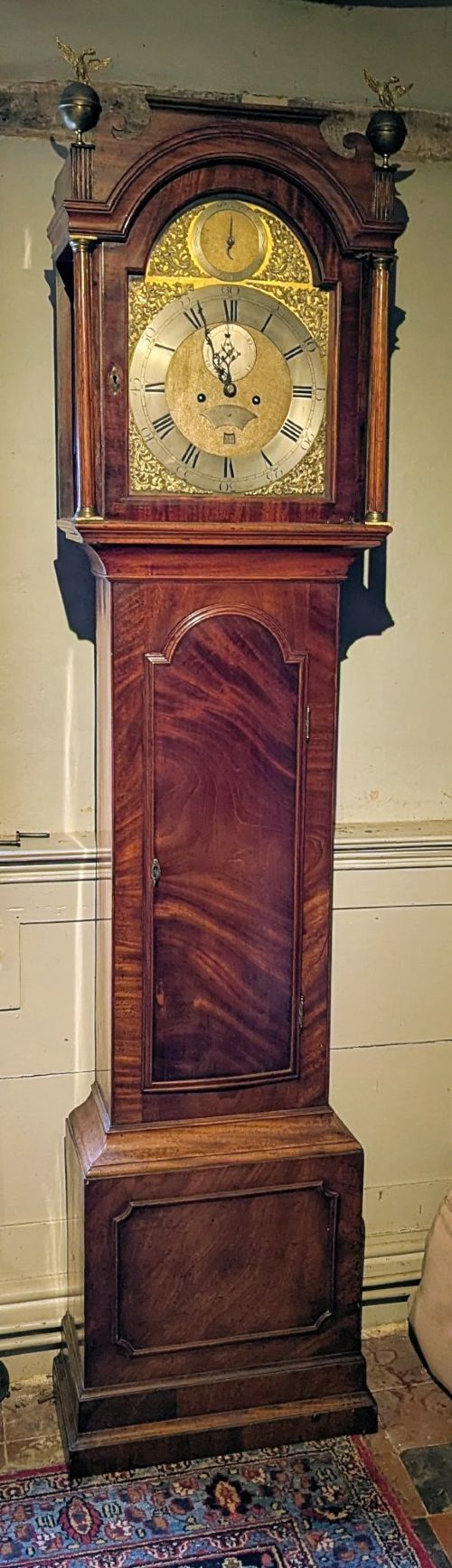
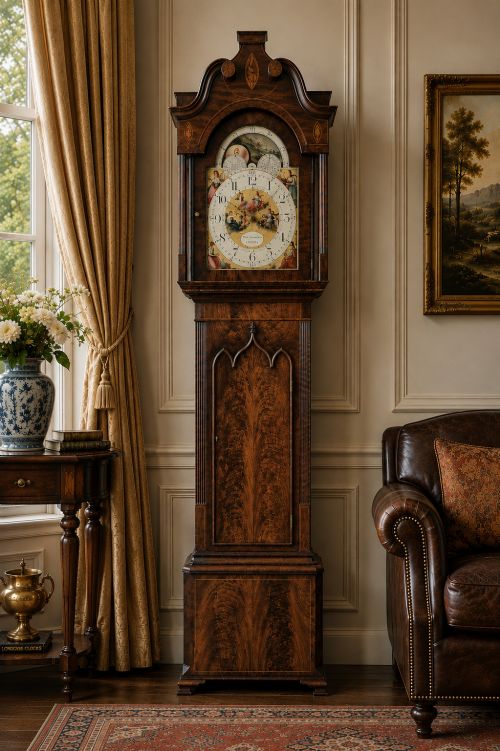
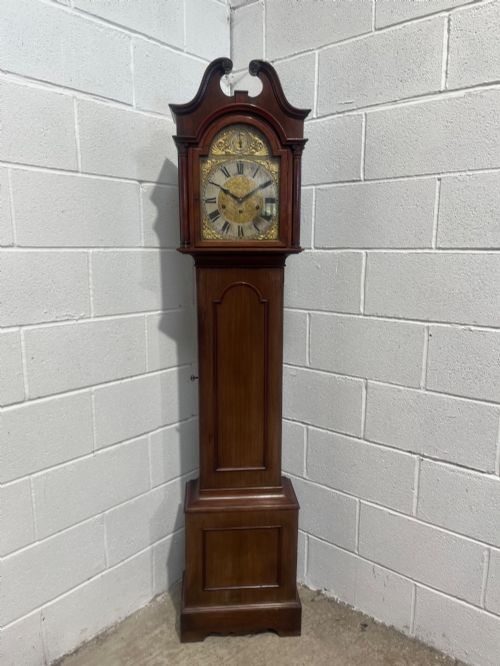
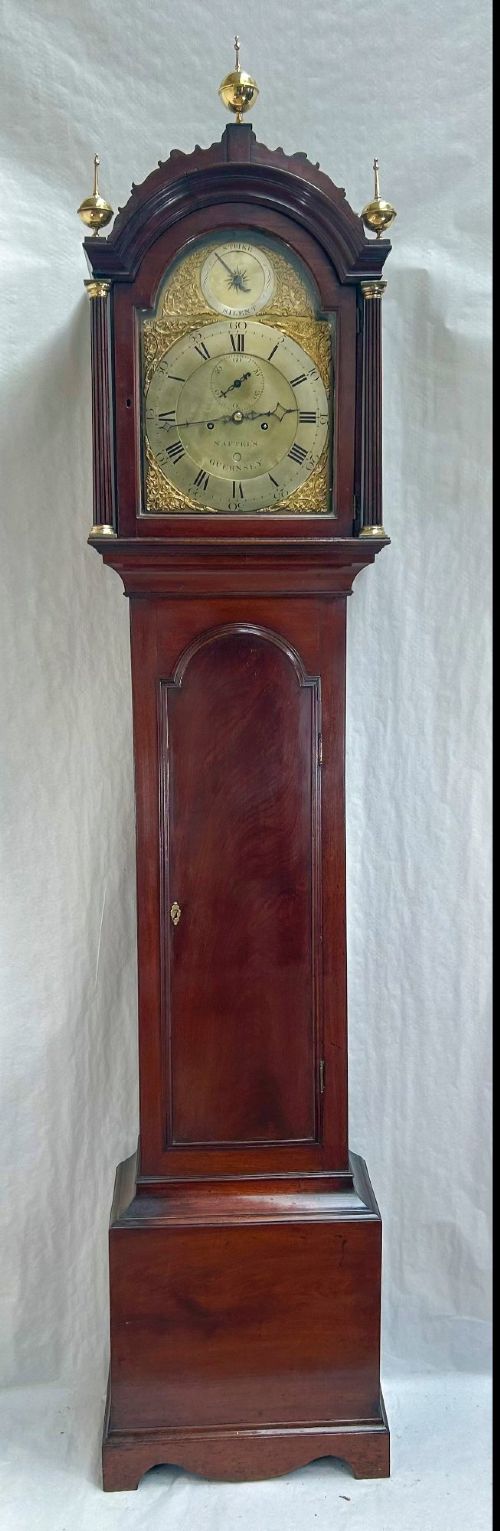
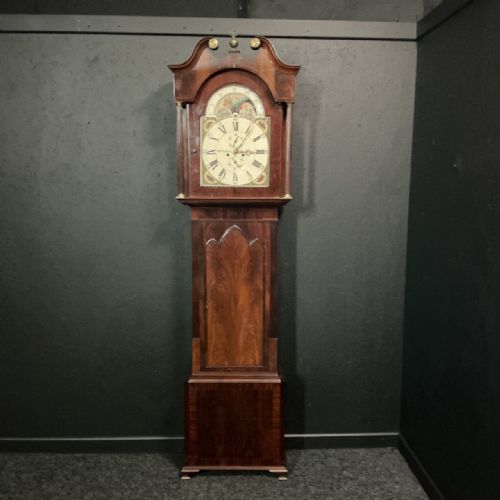
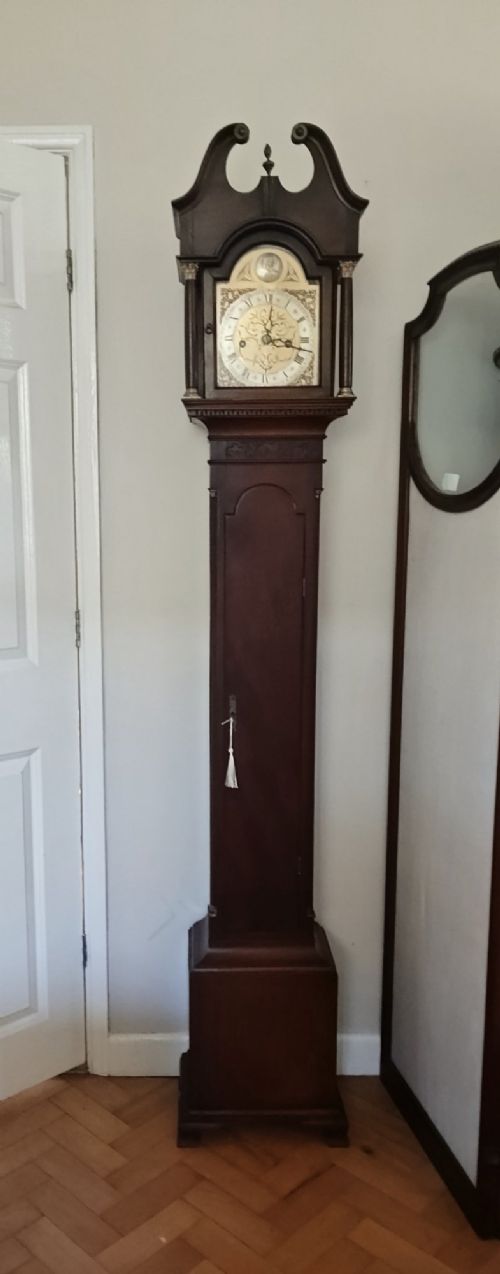
A traditional mahogany tall clock stands as a floor-standing timepiece housing a weight-driven movement within a wooden case. These pieces primarily date from the Georgian, Regency, and Victorian periods, alongside later Edwardian examples.
The objects span formal London productions to regional Scottish and provincial workshops. Formats range from standard longcase designs to drumhead variants and slim proportions.
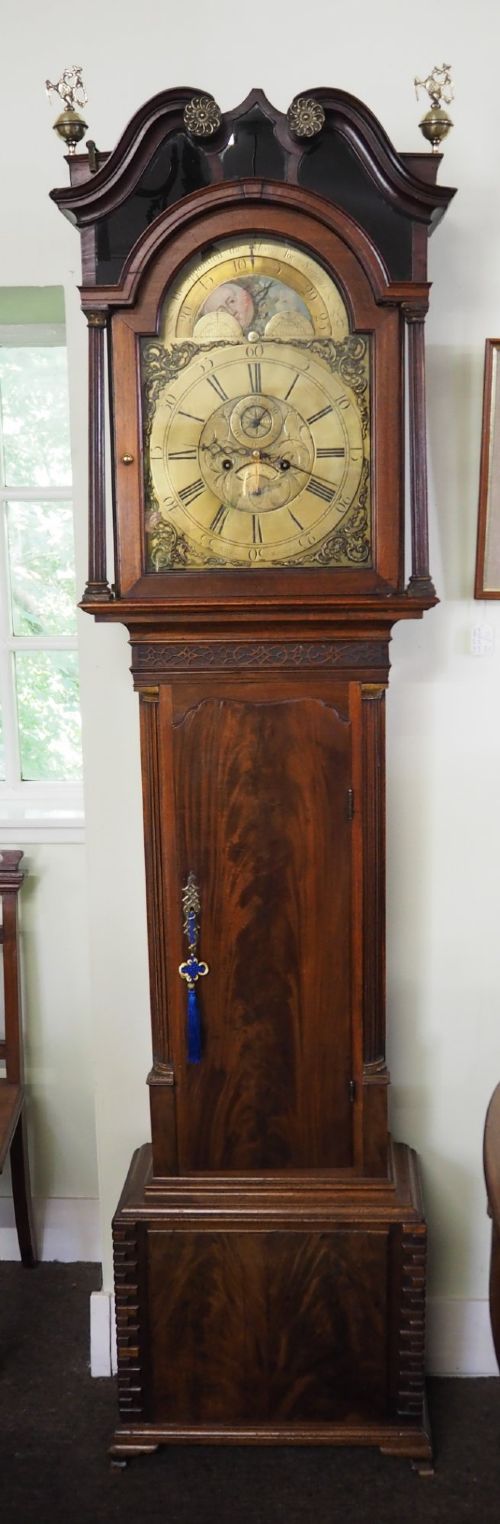
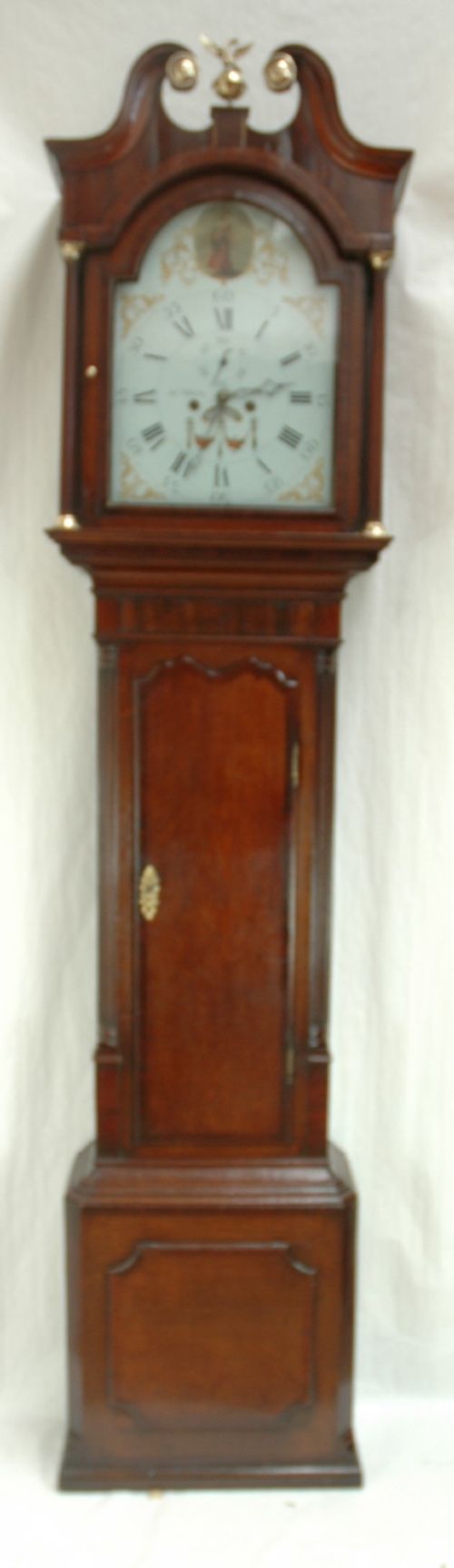
Mahogany predominates as the primary timber, frequently paired with oak secondary woods or banded details. Enamel, painted iron, and brass dials often feature moon rollers or strike-silent mechanisms.
How they were made
Cabinetmakers constructed the tall cases using solid mahogany and veneers, often incorporating crossbanding, paterae, and glass door panels to showcase the pendulum and weights.
Clockmakers built the mechanical movements from brass and steel, integrating eight-day gear trains, chiming mechanisms, and painted iron or brass dials.
Some provincial clocks feature painted dials with cheerful maritime scenes depicting ships tossing on painted iron waves.
What varies in quality
The refinement of the cabinetwork and the provenance of the maker separate standard provincial clocks from London masterpieces. Figured mahogany grain, crisp carving, and balanced proportions elevate certain examples.
Movement complexity dictates standard versus superior execution. Eight-day durations, moonphase complications, and strike-silent functions indicate higher grade manufacturing by accomplished makers.
James McCabe·Samuel Kellett of Bredbury·Andrew Thom·Henry Weedon London·Gillett and Johnston
The Traditional Mahogany Tall Clock Glossary
- Longcase clock
- A tall, weight-driven pendulum clock housed in a wooden floor-standing case. These instruments are also frequently called grandfather clocks.
- Moon roller
- A dial mechanism tracking the phases of the lunar month through a rotating painted disk. This complication required precise gear ratios behind the clock face.
- Paterae
- Small circular ornamental carvings applied to furniture surfaces in classical revival styles. They often accent the architectural hood or trunk door of a tall clock.
- Crossbanding
- A decorative border technique where veneer strips are laid perpendicular to the surrounding grain. This method frames door panels and bases with contrasting wood direction.
Traditional Mahogany Tall Clock: Frequently Asked Questions
How do I wind an eight-day tall clock?
Use the winding crank or key to raise the weights inside the trunk slowly and evenly. Take care not to overwind the movement past its natural stop.
Ensure the pendulum hangs plumb before setting the hands to the correct time. Move the minute hand only clockwise when adjusting the hour.
Where should I place a longcase clock?
Position the clock against an interior wall away from direct sunlight and temperature fluctuations. Wood cases and internal metal gears react to environmental shifts.
Set the case base on a firm, level floor to ensure the pendulum swings symmetrically. Uneven flooring causes the beat to become erratic and eventually stop.
How do I distinguish Georgian from Victorian models?
Georgian clocks generally display restrained classical proportions, architectural hood cornices, and brass dial plates. Mahogany grain tends to show deep, natural patination.
Victorian examples frequently introduce drumhead dials, Scottish regional characteristics, and heavier case mouldings. Painted iron dials become standard during the nineteenth century.
What is a moonphase dial?
A moonphase dial tracks the lunar cycle using a rotating disc painted with two moons. The mechanism advances once every half-day to display current phases.
This complication added significant cost and complexity, usually reserved for higher grade movements by skilled makers.