

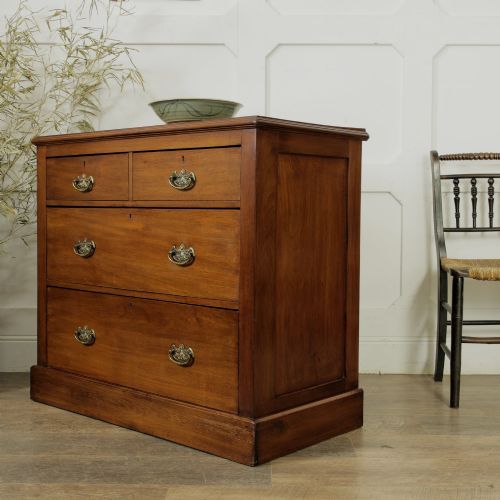
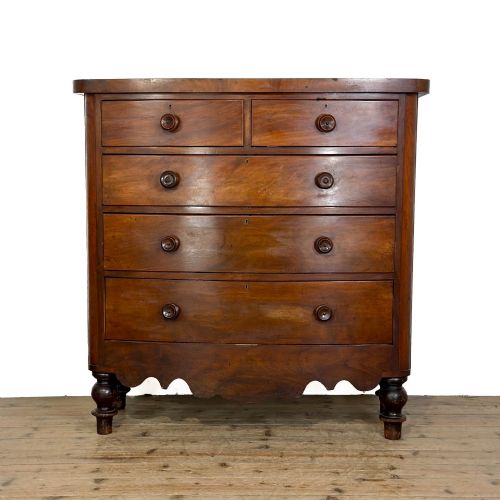
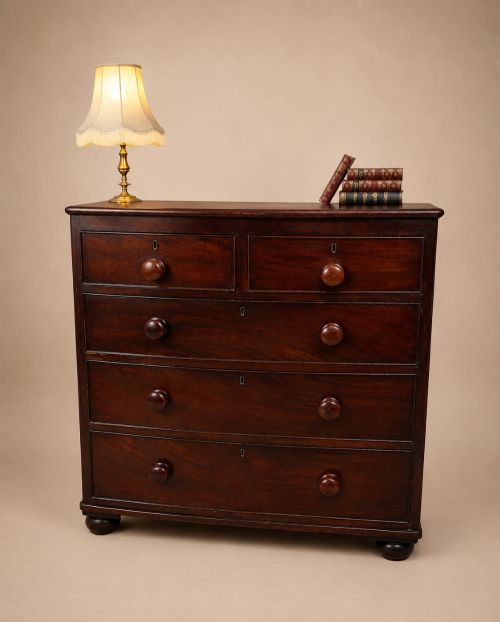
Traditional Mahogany Storage Chest
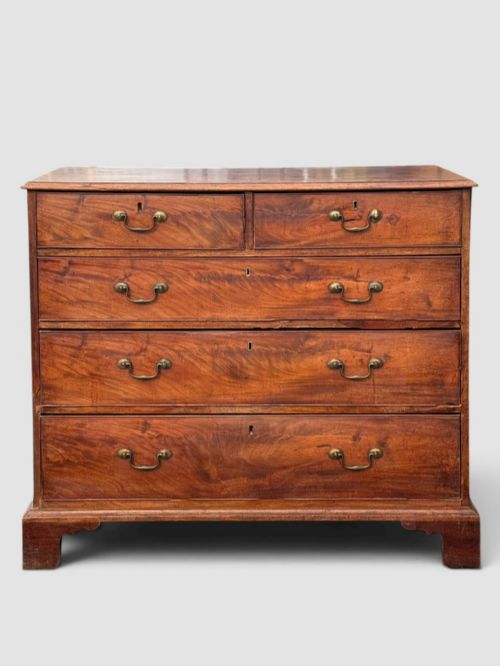
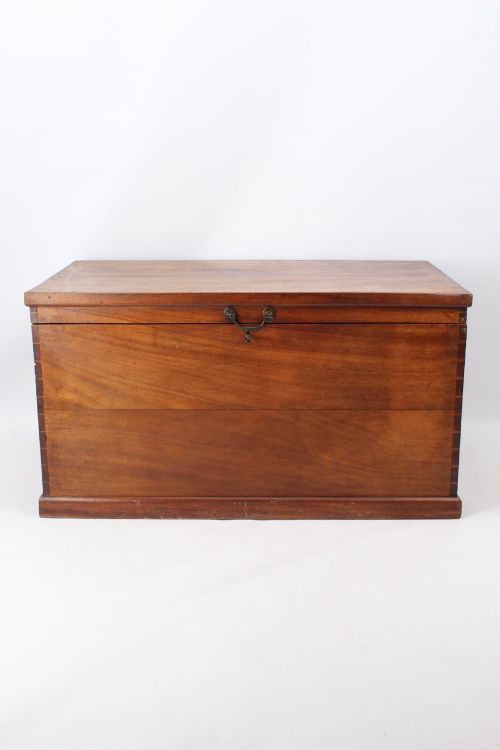
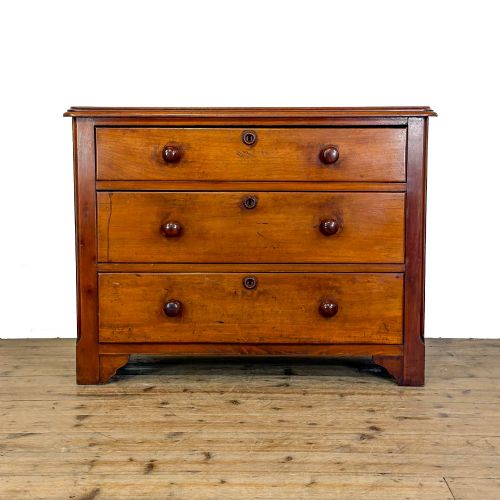
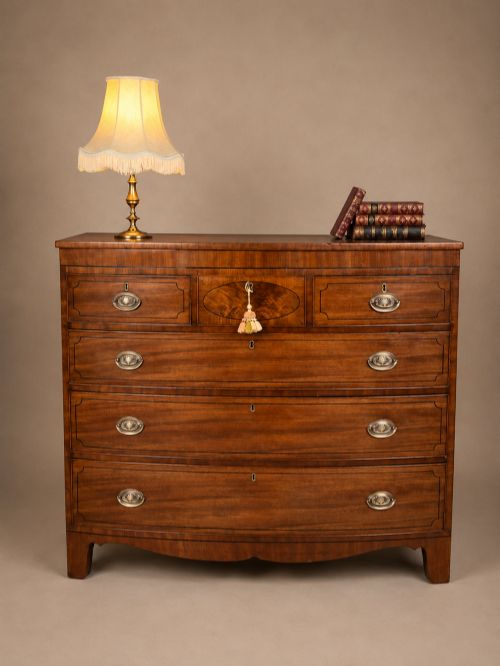
A traditional mahogany storage chest brings dependable timber and formal proportion into a room, offering deep drawers for daily utility.
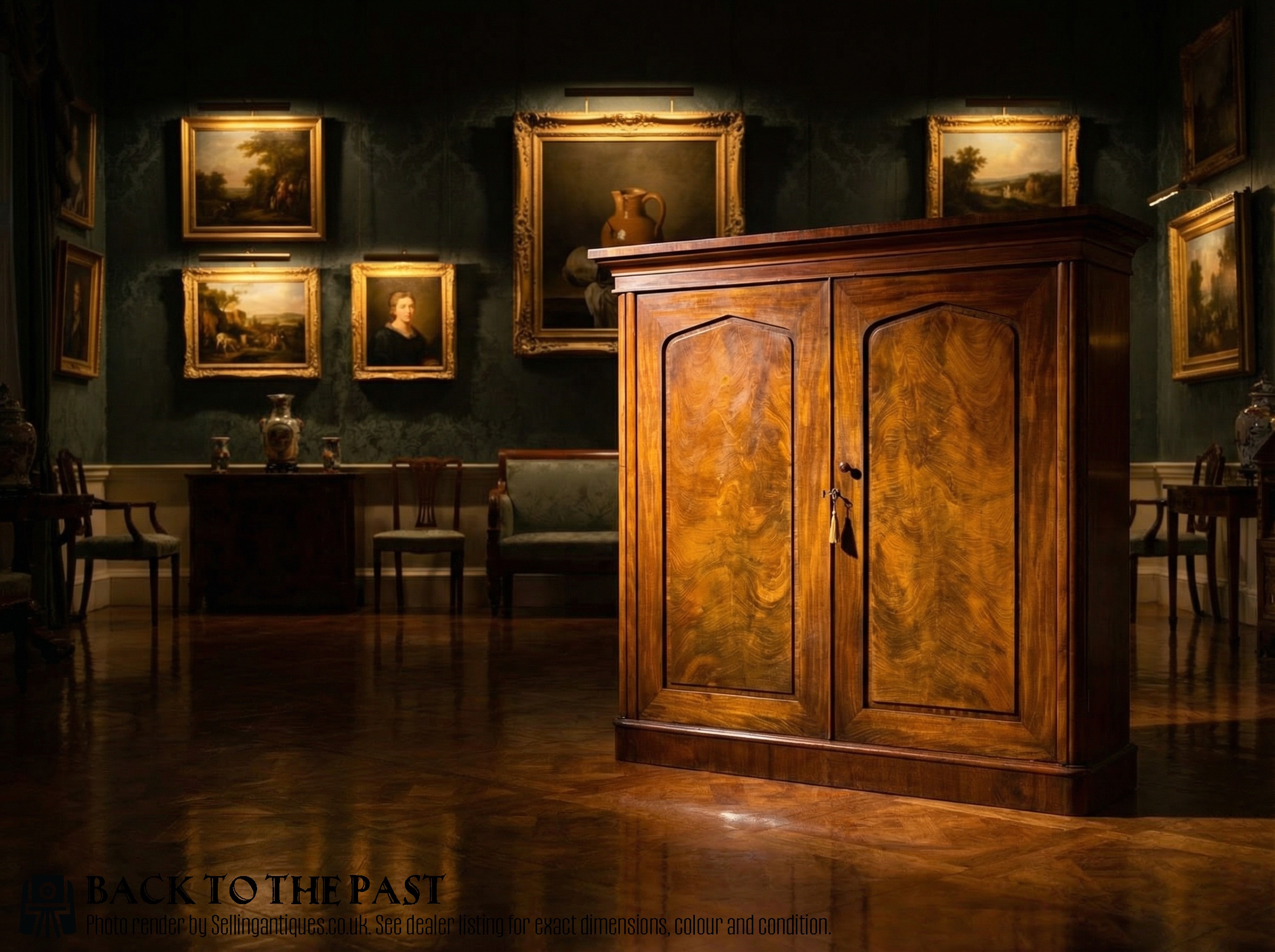
Traditional Mahogany Storage Chest
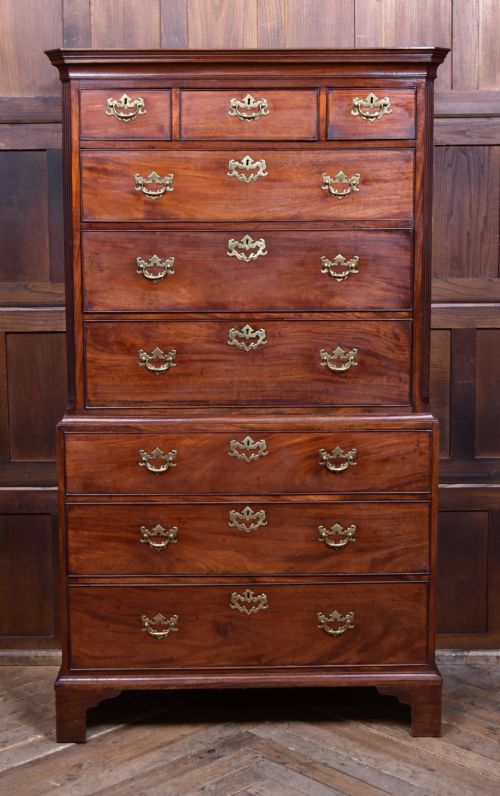
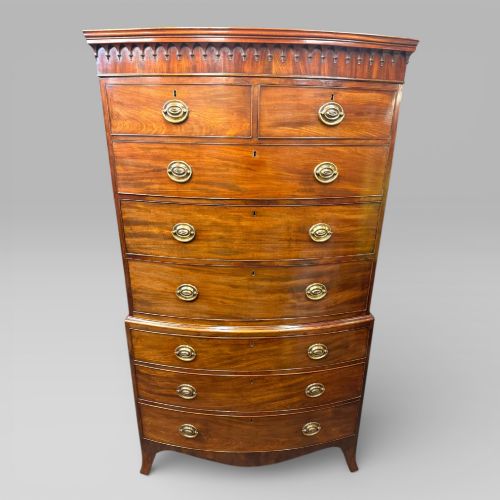
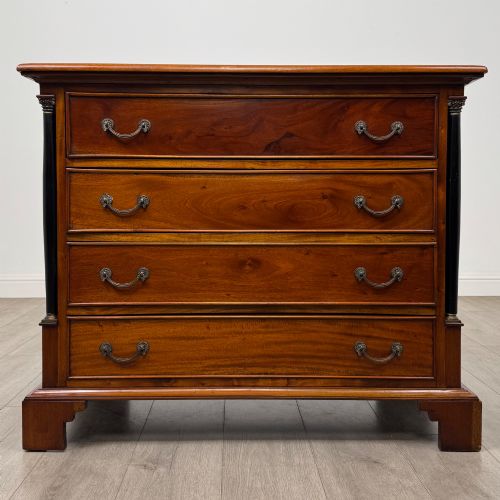
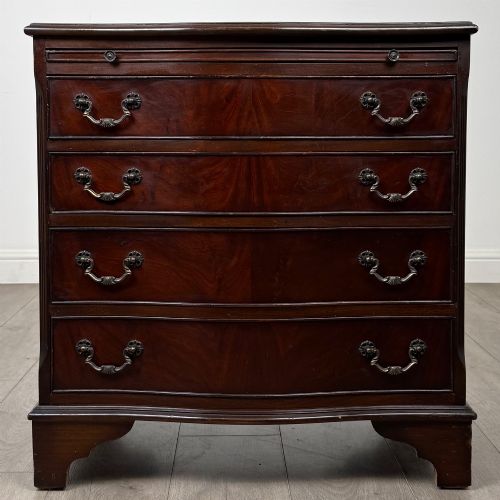
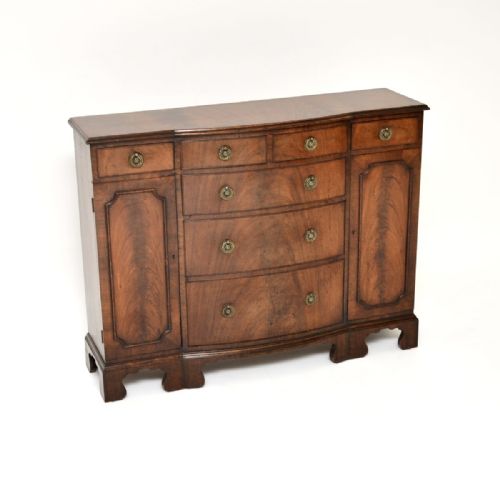
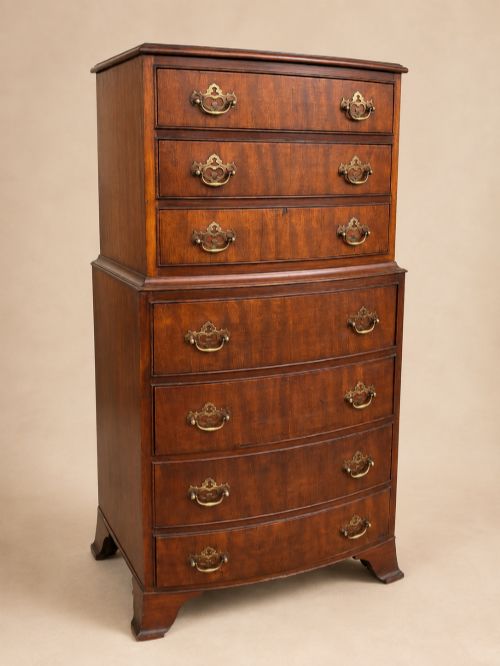
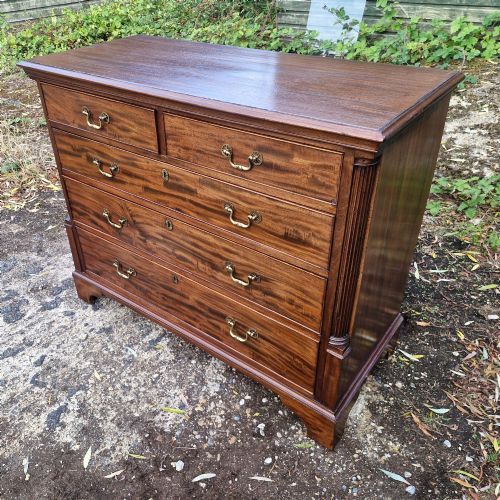
When you search for a traditional mahogany storage chest, you encounter case furniture spanning the eighteenth and nineteenth centuries alongside later revival pieces. The selection includes tall chest on chest formats, bow-front and serpentine drawer arrangements, and compact bedside tables.
Georgian and Regency examples sit alongside Victorian and Edwardian interpretations, demonstrating how cabinet-makers adapted proportions over generations. Most items on this page take the form of standard chests of drawers with brass hardware, though specialised formats like mule chests and tallboys also appear.
Timber selection and construction methods
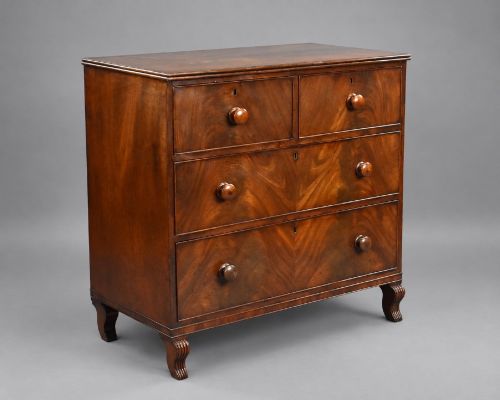
Workshops utilised solid mahogany alongside flame mahogany veneer to create figured drawer fronts with rich grain patterns. Secondary timbers such as pine and oak frequently support internal drawer linings and structural framing.
Cabinet-makers integrated brass handles and escutcheons into the timber designs, securing drawer boxes with traditional joinery methods suited to heavy daily use.
Listings feature mahogany, pine, and oak combined with brass hardware across Georgian, Victorian, and Edwardian periods.
Distinctions in construction and surface finish
The degree of refinement in the timber veneer work and the crispness of moulded drawer edges separate standard examples from finer productions. Superior pieces exhibit carefully matched grain patterns across multiple drawer tiers and well-proportioned bracket feet or plinth bases.
Hardware selection also dictates grade, with heavy cast brass handles contributing to the formal presence of a piece compared to simpler replacement fittings.
The Traditional Mahogany Storage Chest Glossary
- Bow-front
- A convex curved front profile popular on Georgian and Victorian chests of drawers. This shape softens the room layout while maximising internal storage capacity.
- Flame mahogany veneer
- A thinly sliced timber layer showing a flickering, highly figured grain pattern applied to primary surfaces. Workshops utilised this technique to create dramatic visual movement on drawer fronts.
- Mule chest
- A storage form combining a blanket chest cavity with one or more lower drawers. These pieces bridge the gap between traditional trunk storage and modern drawer chests.
- Crossbanding
- A border strip of veneer laid around the perimeter of a drawer front or top with the grain running perpendicular to the main panel. This decorative framing highlights the outline of the timber surface.
Traditional Mahogany Storage Chest: Frequently Asked Questions
How do I date a mahogany chest?
Dating relies on examining construction traits, timber thickness, and hardware styles across the piece. Georgian and Regency pieces often show hand-cut dovetails and specific drawer lining woods like oak.
Later Victorian and Edwardian examples introduce machine-sawn elements and different base mouldings while retaining the traditional mahogany surface.
Where should I place a tallboy?
A tallboy provides vertical storage, making it suitable for rooms with limited floor space. Placing the piece against a principal wall allows the height to balance other large furniture items.
Ensure adequate clearance in front of the piece so the multiple drawer tiers open fully without obstruction.
How do I maintain mahogany furniture?
Regular dusting with a dry, soft cloth prevents particle buildup on the polished timber surface. Avoid placing the chest in direct sunlight or near heat sources to protect the mahogany and veneer from drying out.
Applying a traditional wax polish periodically helps nourish the wood and maintain a gentle sheen.