


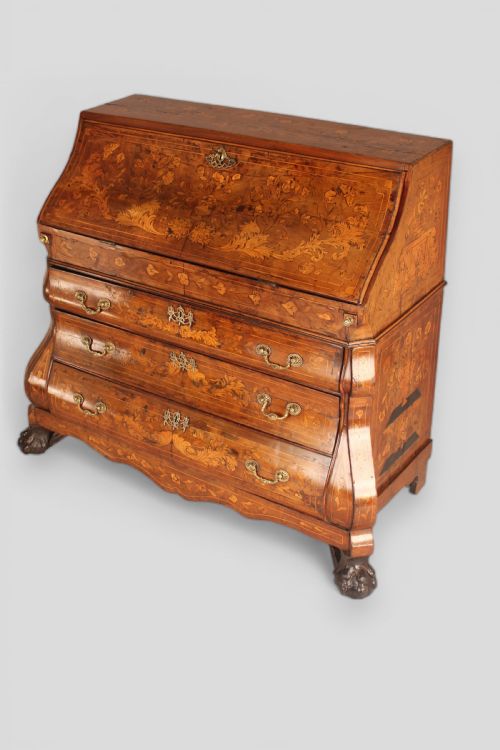


Carved Claw Foot Chest
A carved claw foot chest brings substantial presence to a room, offering deep storage through sturdy timber and bold support.
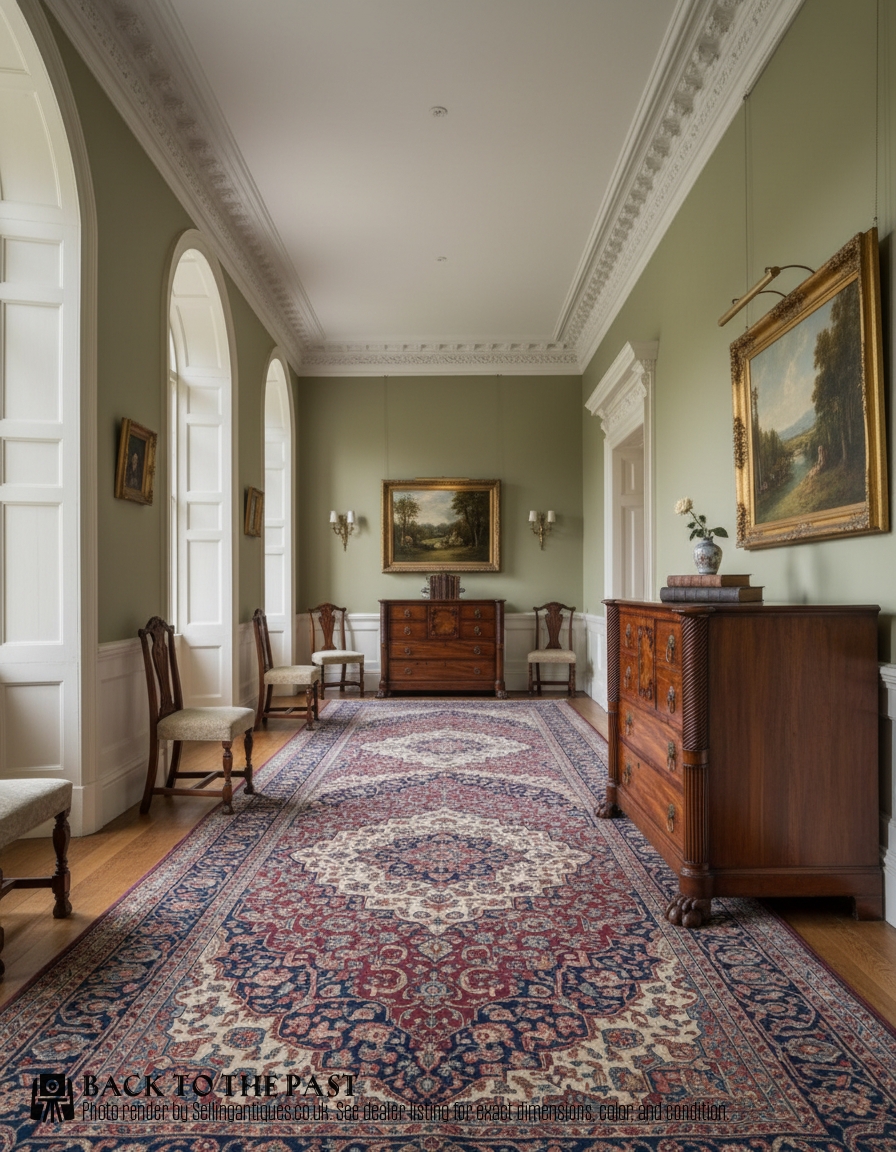
Carved Claw Foot Chest
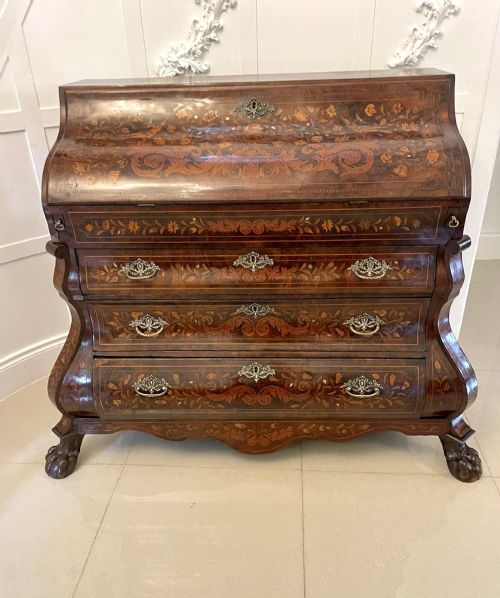
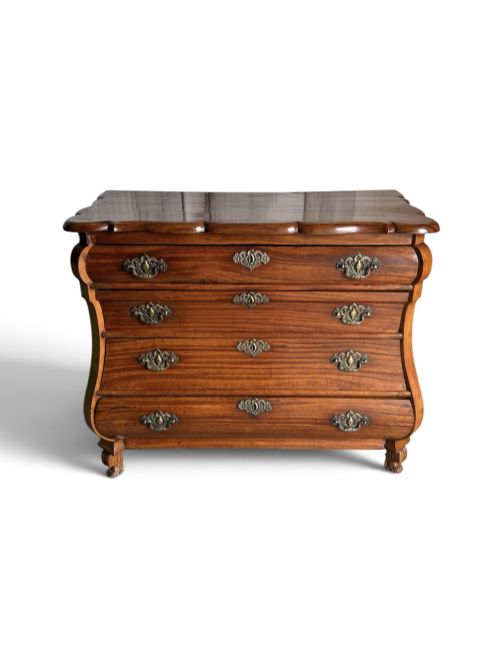
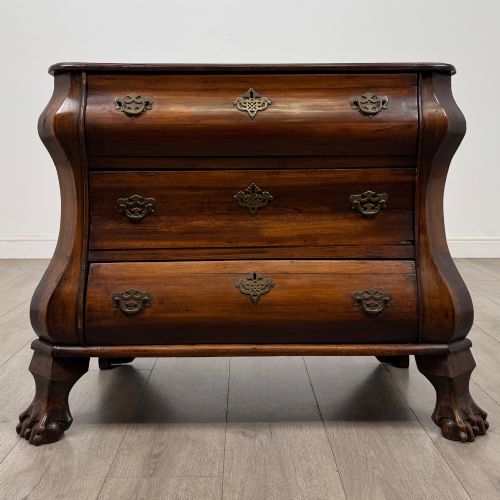
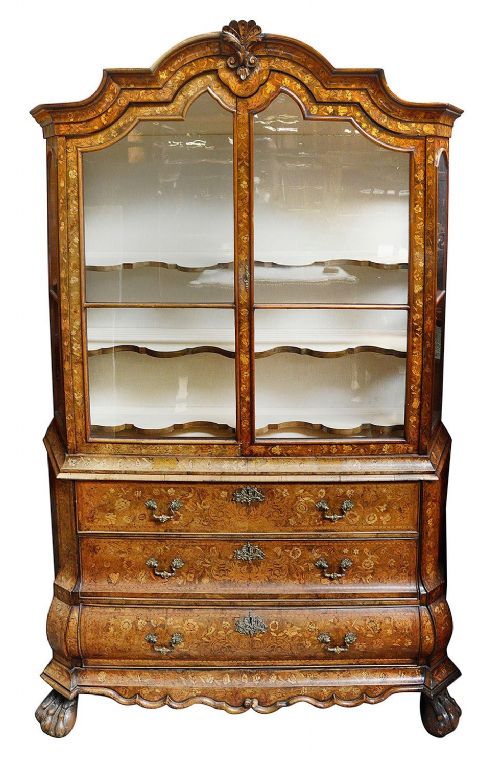
Most examples on this page date from the eighteenth century through the Edwardian era, incorporating styles such as Chippendale, Regency, and Dutch Baroque. These pieces function primarily as chests of drawers, cellarettes, or lowboys, resting on distinct paw or claw feet.
How they were made
Cabinetmakers utilised dense timbers such as mahogany, walnut, and burr walnut for the primary carcases, occasionally incorporating fruitwood marquetry, satinwood, and wood inlay for surface decoration. Brass hardware provides functional mounts and handles across many of the listed forms.
Construction techniques include solid timber framing and curved bombe shaping, paired with detailed carving on the feet. Glass panels appear on associated vitrines and display cabinets, while specialised items like cellarettes utilise robust joinery to hold heavy contents.
Several items stand on carved paws, bringing an unexpected touch of wildlife into the parlour.
What varies in quality
Quality separates along the precision of the timber selection and the execution of surface ornamentation. Finely figured burr walnut and intricate floral marquetry indicate higher workshop standards than plain surfaces.
The crispness of the carved feet and the harmonious proportions of the bombe shaping further distinguish finer examples. Structural integrity in the drawers and the condition of the inlay determine the overall standing of each piece.
Muirhead Moffat And Co
The Carved Claw Foot Chest Glossary
- Bombe
- A bulging, convex shape characteristic of continental furniture. This curved profile requires advanced woodworking skill to construct.
- Marquetry
- Decorative patterns formed by fitting together thin slices of wood veneer. Floral motifs frequently appear on eighteenth-century examples.
- Lowboy
- A small side table with drawers, often standing on tall legs. These pieces served functional roles in domestic interiors.
- Cellarette
- A freestanding container used for storing bottles of wine or spirits. Many examples from the Regency period feature sarcophagus forms.
- Linen Press
- A tall cupboard designed originally for storing household linens. They often incorporate sliding trays behind upper doors.
Carved Claw Foot Chest: Frequently Asked Questions
How do I identify a Regency chest?
Regency chests typically date from the early nineteenth century and display classical restraint in their lines. They frequently employ dark mahogany timbers with minimal, elegant brass mounts.
Foot design often includes lions paw supports, reflecting the classical revival tastes popular during that period.
Where were these chests used?
These pieces served practical storage functions in bedrooms, living spaces, and dining rooms across grand houses and domestic interiors. Cellarettes and wine coolers specifically supported dining and entertaining.
Larger linen presses and bureaus provided dedicated space for textiles and writing materials in private quarters.
How do I care for antique timber?
Maintaining antique mahogany and walnut requires stable room humidity and protection from direct sunlight. Gentle dusting with a dry cloth preserves the polished surface finish.
Avoiding harsh chemical polishes ensures the original wood grain and any delicate marquetry remain undamaged over time.