
Traditional Low Coffee Table
A traditional low coffee table brings ground-level timber presence to a room, offering practical surface space rooted in historic forms.
Traditional Low Coffee Table
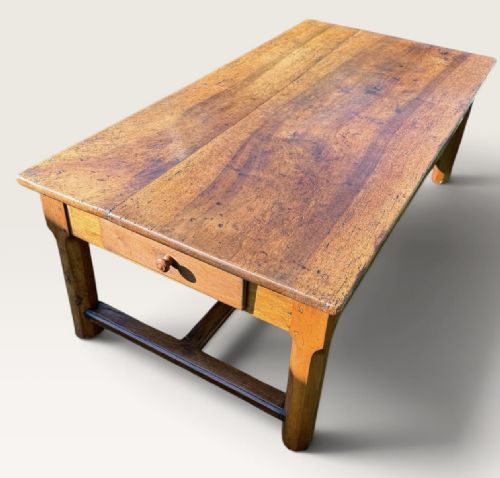
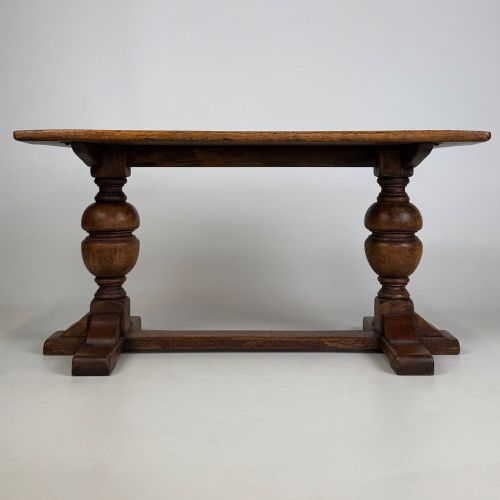
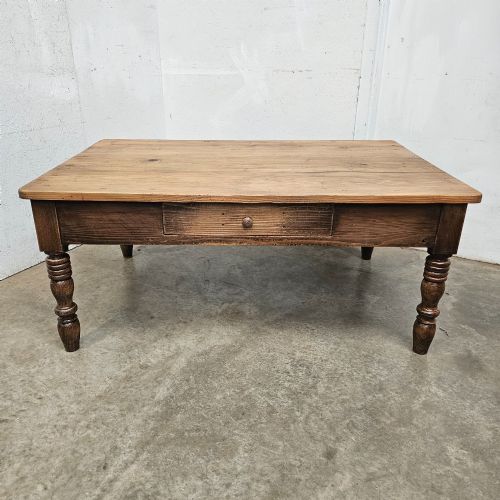
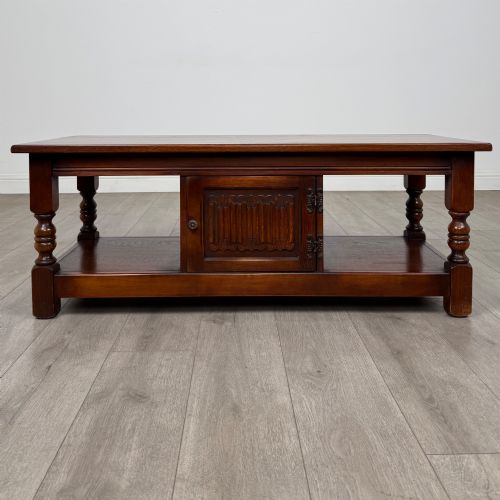
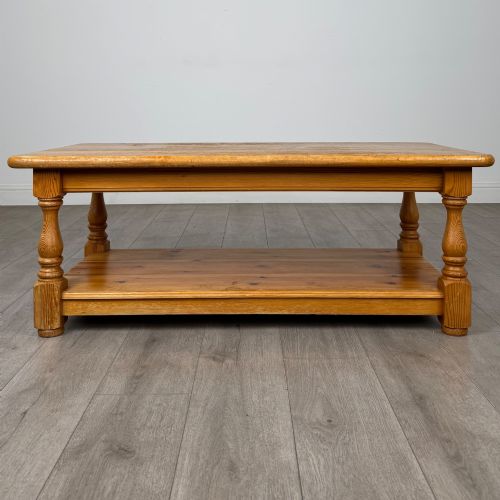
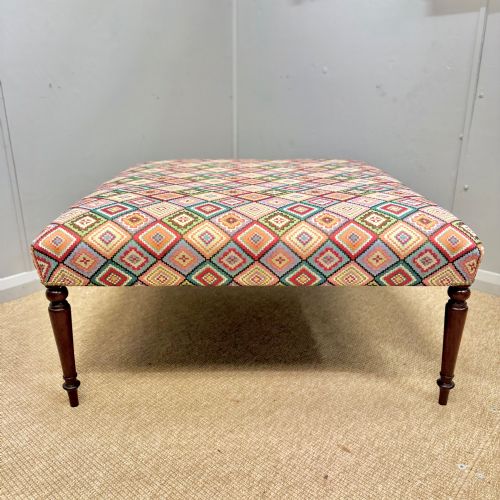
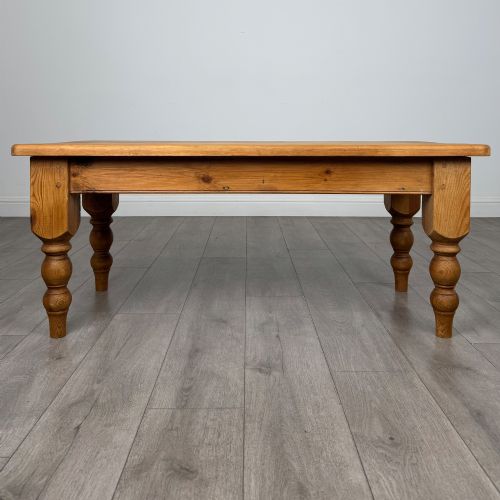
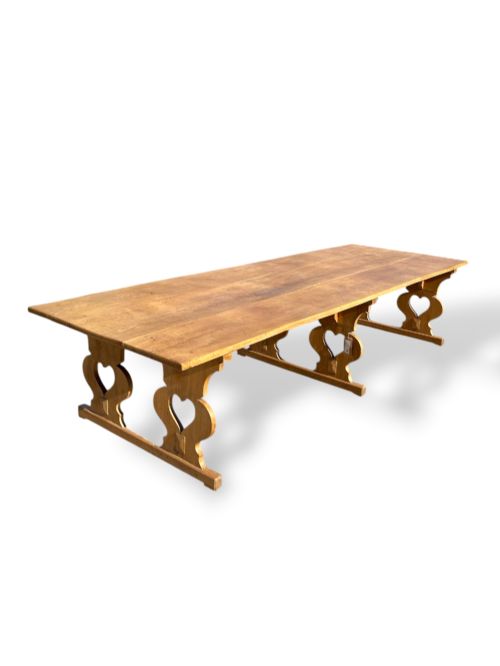
A traditional low coffee table encompasses various timber forms originating from the eighteenth, nineteenth, and early twentieth centuries, alongside distinct Chinese low furniture traditions. Buyers searching for a traditional low coffee table typically encounter pieces adapted from earlier side tables, wine tables, or opium tables, as well as purpose-built rustic farmhouse designs.
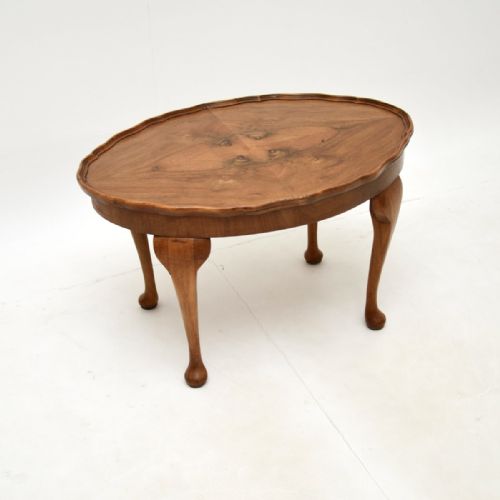
The selections span English oak, walnut, and pine alongside imported rosewood and padouk, reflecting domestic workshop production and international trade. Formats range from turned leg constructions and plank tops to pie crust edges and carved dragon details.
Materials and construction methods
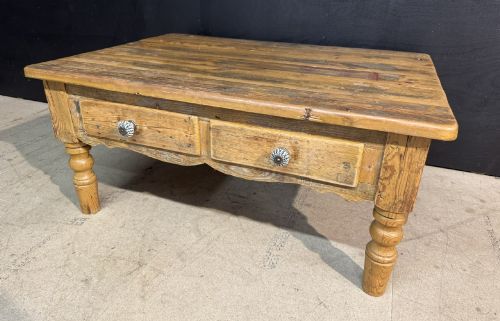
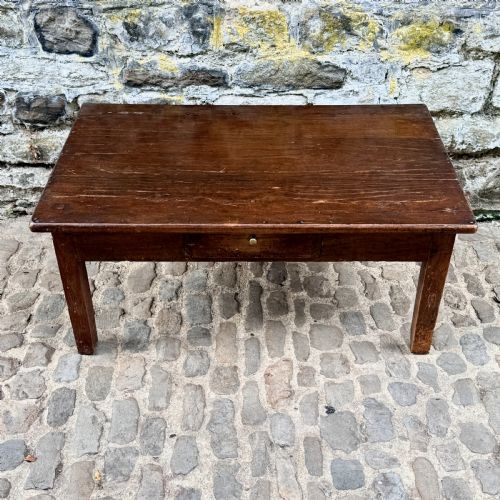
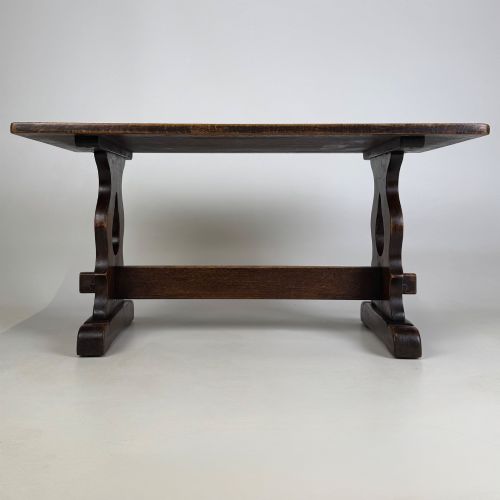
Cabinetmakers utilised durable hardwoods such as oak, walnut, mahogany, and elm, often pairing solid tops with pegged or turned legs. Regional workshops also employed native pine and chestnut for simpler farmhouse furniture, applying simple joinery techniques suited to daily utility.
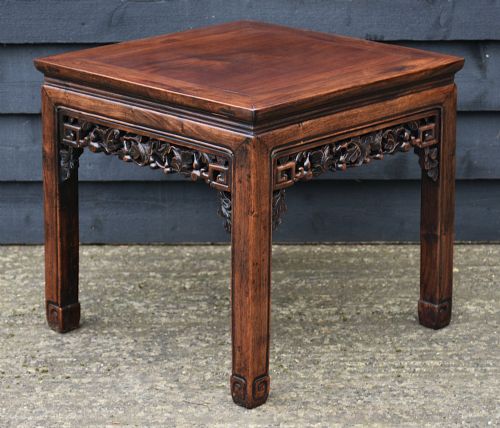
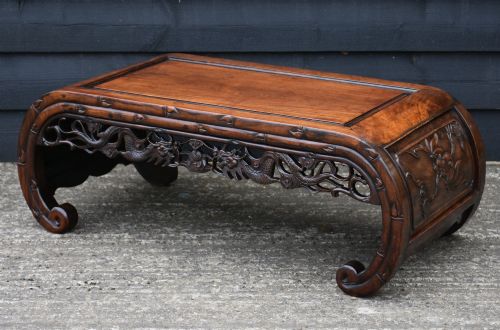
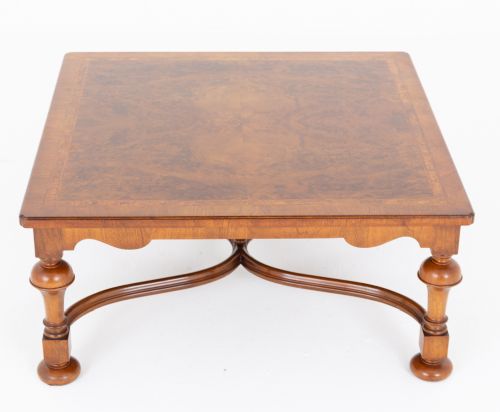
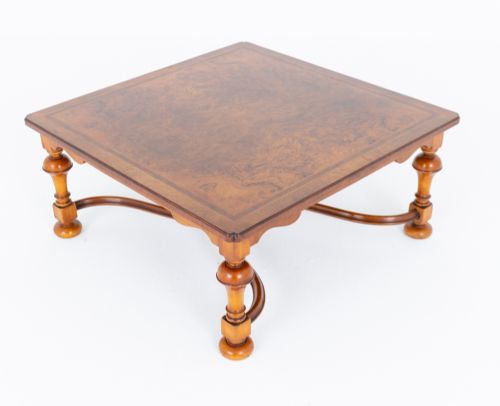
Asian ateliers constructed low tables from dense rosewood and padouk, frequently incorporating intricate carved ornamentation. Surface treatments included oyster veneering, leather inserts, and polished finishes that highlighted natural timber grains.
Several tables retain dragon details carved directly into dense rosewood.
Distinctions in construction and material quality
Quality separates examples built from dense figured timbers, such as burr walnut or select rosewood, from standard utility pieces in plain pine. The precision of turned legs, the integrity of joined planks, and the depth of carved detail dictate the refinement of each piece.
Proportion and adaptation history also matter, as many low tables originate from earlier taller forms that were subsequently lowered. Tables retaining their original structural proportions and untreated timber integrity represent the higher tier of the range.
The Traditional Low Coffee Table Glossary
- Opium table
- A low traditional Chinese table originally used for dining or resting. These pieces frequently feature recessed legs and subtle carved details.
- Pie crust
- A raised, decorative moulded edge carved into the perimeter of a circular table top. This woodworking technique appears on finer walnut examples.
- Oyster veneer
- Slices of branch wood cut transversely to display circular annual growth rings. This decorative surface treatment is characteristic of select period veneered furniture.
- Padouk
- A heavy, durable tropical hardwood prized for its deep reddish hue. It appears frequently in traditional Chinese low tables.
Traditional Low Coffee Table: Frequently Asked Questions
Are these tables converted from taller pieces?
Many low tables originate as side tables, wine tables, or stools that were lowered to function as coffee tables during subsequent periods. Evidence shows items specifically recorded as lowered wine or occasional tables.
This adaptation practice was common to meet changing domestic habits while preserving older timber frames.
What woods were used for these tables?
Makers employed a wide selection of native and exotic timbers depending on the regional style and period. Oak, walnut, mahogany, pine, elm, and chestnut predominate in European examples.
Asian workshops utilised dense tropical hardwoods such as rosewood and padouk for traditional low and opium tables.
How do I style a low coffee table?
Traditional low tables anchor a seating area by introducing natural timber textures close to the floor. Their subdued profiles suit both historic rustic schemes and more formal period rooms.
Pairing them with upholstered seating creates a balanced focal point for books, lamps, and decorative objects.
What distinguishes Chinese low tables?
Chinese low tables are characterised by specific forms like opium tables, often featuring recessed legs and traditional carved motifs such as dragons. They utilise dense rosewood or padouk materials distinct from European cabinet woods.
These pieces reflect centuries-old woodworking traditions centred on low-level seating and domestic utility.