




Queen Anne Style Coffee Table
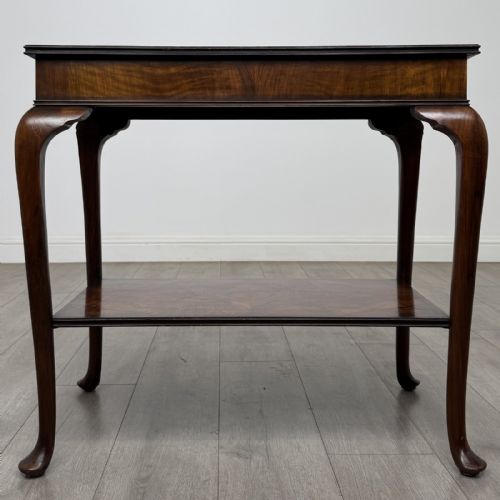
A queen anne style coffee table brings walnut timber and cabriole proportions into a modern sitting room.
Queen Anne Style Coffee Table
A queen anne style coffee table represents a revival form, drawing heavily on early eighteenth-century furniture designs translated into low table formats during the Edwardian era and the interwar decades. The selection centres predominantly on pieces produced around nineteen-twenty, nineteen-thirty, and the Edwardian period, alongside occasional nineteenth-century examples.
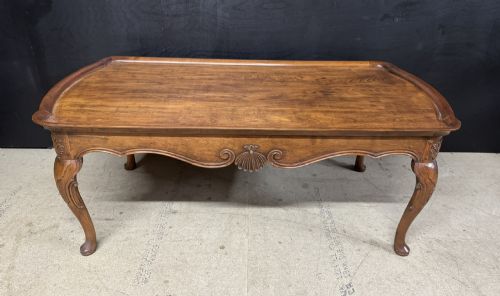
The primary forms appearing here include standard coffee tables, nests of tables, occasional tables, and side tables. Makers of the period reinterpreted traditional dining and tea table heights down to the low proportions demanded by twentieth-century sitting rooms.
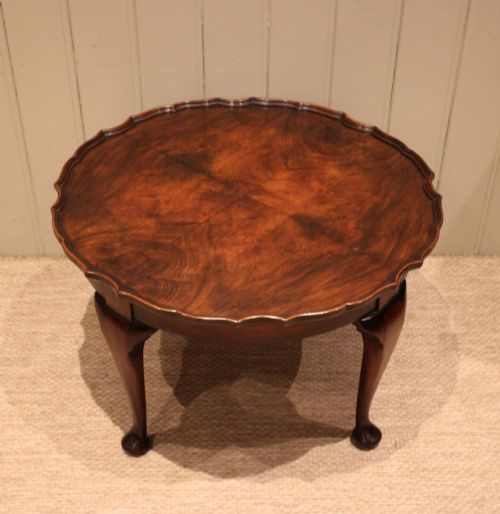
Visually, these items rely upon classic revival aesthetics, occasionally incorporating decorative chinoiserie lacquer work or pie crust edging. The typical piece marries period silhouette cues with the practical demands of a domestic surface.
Quality differences
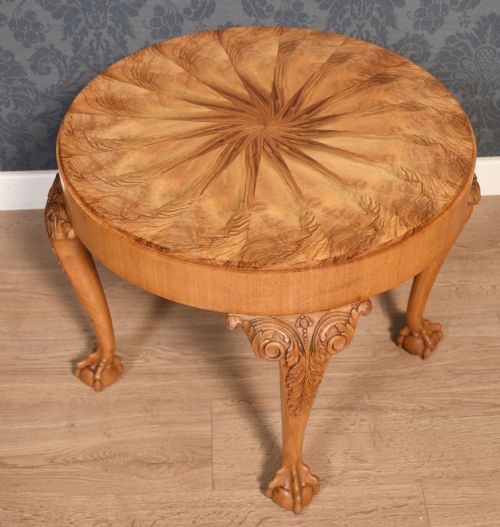
The degree of refinement in the timber veneer selection marks the primary distinction between standard production and finer examples. Tables utilising highly figured burr walnut across the top surface command greater visual presence than plain walnut alternatives.
Carving execution on the cabriole legs and frame edges reveals the maker's hand; crisp, deep detailing separates superior workshop output from simpler moulded or cast production. The integration of glass protective tops and multi-tiered nesting sets also demonstrates higher manufacturing ambition.
Queen Anne Style Coffee Table Retail Price Guide 2026
Typical asking prices for queen anne style coffee table among the pieces listed under this phrase on Sellingantiques today, from the lower quarter to the upper quarter. They describe what is for sale here now, not the wider market.
The archive and current items span the Edwardian period, nineteen-ten, nineteen-twenty, nineteen-thirty, and the nineteenth century.
The Queen Anne Style Coffee Table Glossary
- Cabriole leg
- A furniture leg that curves outward at the knee and tapers inward toward the ankle, ending in a pad or foot. This form originates from classical antiquity and defines the silhouette of these revival pieces.
- Burr walnut
- Timber taken from a tree growth or knot where the grain has swirled into intricate patterns. It is sliced into thin veneers to cover table tops.
- Chinoiserie
- European imitation and interpretation of Chinese artistic traditions, typically expressed through lacquer work and painted motifs on furniture surfaces. Edwardian and 1920s workshops revived this style for occasional tables.
- Pie crust edge
- A raised, scalloped carved rim around the perimeter of a circular table top. This decorative woodworking detail resembles the crust of a pie.
- Nest of tables
- A set of graduated tables designed to fit neatly beneath one another when not in use. They offer flexible surface space in compact sitting rooms.
Queen Anne Style Coffee Table: Frequently Asked Questions
What periods do these tables come from?
The pieces available date largely from the Edwardian era, nineteen-ten, nineteen-twenty, and nineteen-thirty, with occasional nineteenth-century examples appearing.
These dates reflect twentieth-century revival movements rather than the original reign of Queen Anne.
How do I identify burr walnut?
Burr walnut displays a dense, swirling grain pattern filled with small knots and organic eyes, differing from straight timber.
Craftsmen sliced this figured wood into thin veneers to create decorative patterns across table tops.
Were these made as coffee tables originally?
Most of these low tables originated during the early twentieth century when lower seating arrangements gained popularity in British homes.
Earlier formats were often tea tables or occasional tables subsequently adapted or built specifically to modern coffee table heights.
How do I care for a veneered walnut surface?
Walnut veneer requires protection from direct sunlight, excessive heat, and moisture to prevent the timber from fading or lifting.
Polishing with traditional wax helps maintain the lustre of the polished wood finish.