


Traditional Log Fire Grate
A traditional log fire grate anchors the hearth, bringing sturdy cast iron and wrought iron into the room to burn wood cleanly.
Traditional Log Fire Grate
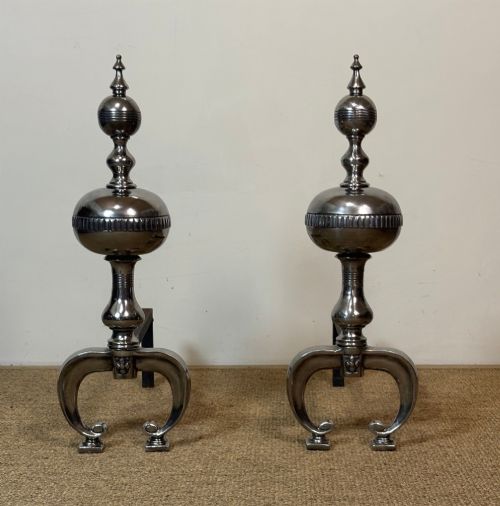
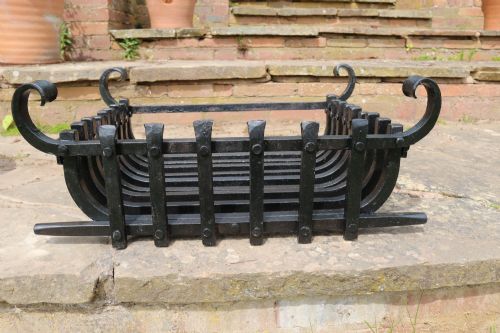
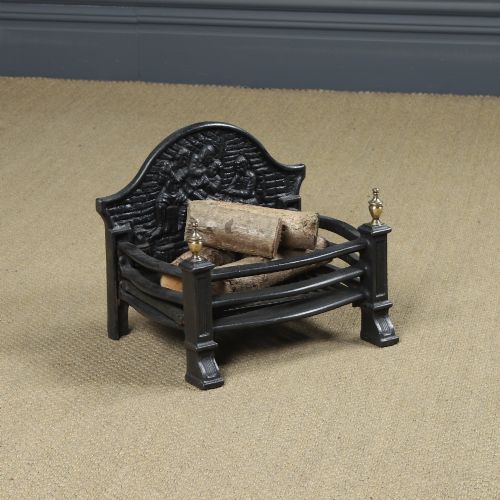
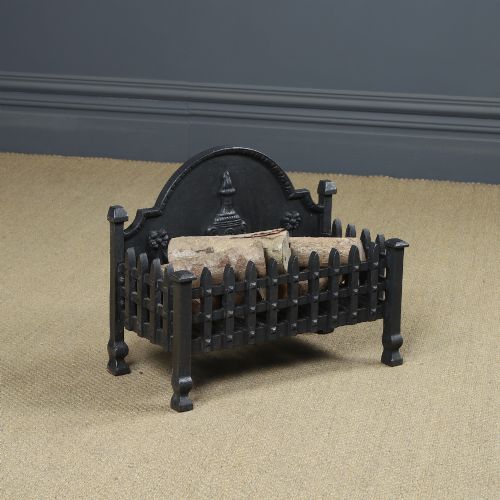
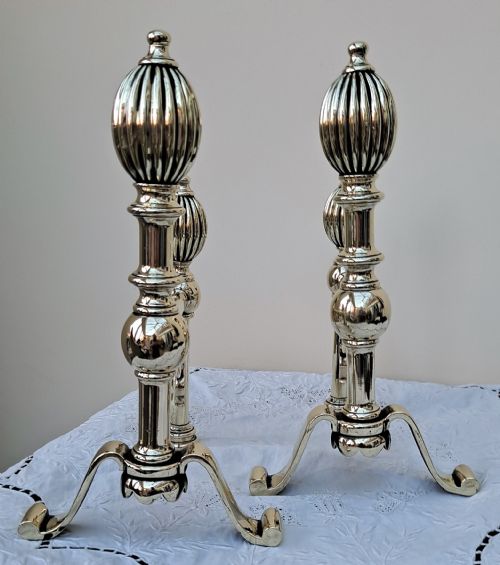
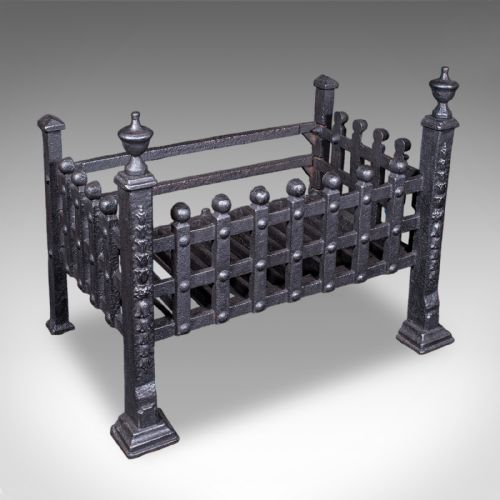
A traditional log fire grate is an open hearth fixture designed to hold firewood securely while allowing air to circulate beneath the burning logs. Buyers searching for a traditional log fire grate encounter freestanding fire baskets, heavy iron andirons paired with grates, and complete hearth sets featuring fire backs.
The selections span the Georgian, Victorian, and Edwardian eras, alongside later interpretations from the 1920s and 1930s built in historical revivals. Victorian cast iron fire baskets and wrought iron Arts and Crafts designs appear frequently among the pieces available now.
How they were made
Foundries shaped these items primarily from cast iron, wrought iron, and steel, often incorporating brass details for decorative finials and andirons. Molten metal poured into sand moulds created intricate motifs on fire backs and basket frames, while smiths hammered wrought iron into sturdy bars.
Firebrick lines the interior of specific grates to withstand intense heat and protect the metal structure from warping during continuous use. Assembly relies on heavy bolts and interlocking iron components designed to support substantial weight without failing.
Listings feature periods ranging from Georgian and Regency through Victorian, Edwardian, and 1930s revivals, constructed in cast iron, wrought iron, brass, and steel.
What varies in quality
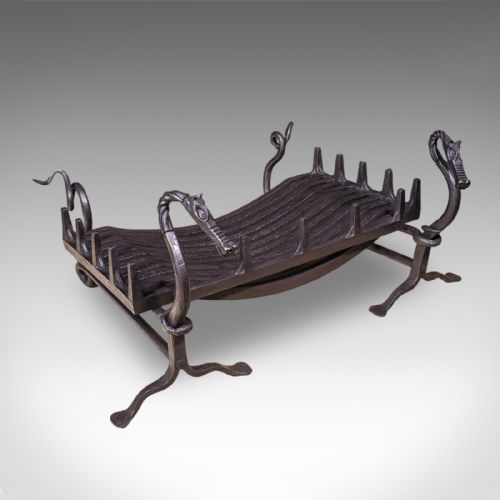
Substantial weight and metal thickness separate robust hearth pieces from lighter decorative alternatives. Castings with deep relief moulding and crisp dragon motifs or classical details demand higher skill than plain utilitarian plates.
The integration of matching elements, such as fire dogs paired with a dedicated grate and fire back, alters the coherence of a hearth set. Hand-forged wrought iron joints show the individual touch of the maker compared to mass-produced foundry output.
The Traditional Log Fire Grate Glossary
- Fire grate
- An iron basket or frame that holds burning fuel above the hearth floor. This allows ash to drop clear and air to feed the flames from below.
- Andirons
- Supporting metal pillars placed on either side of a hearth to hold logs or support a fire basket. They are also known as fire dogs.
- Fire back
- A heavy cast iron plate placed against the back wall of a fireplace. It protects the masonry and radiates heat back into the room.
- Neo Gothic
- A style reviving medieval architectural motifs such as pointed arches and quatrefoils. This ornamentation appears frequently on Victorian and 1920s cast iron grates.
Traditional Log Fire Grate: Frequently Asked Questions
How do I choose the right size fire grate?
Measure the width, depth, and height of your fireplace opening carefully before selecting a grate. Leave adequate clearance around the basket for air movement and safety.
Heavier inglenook pieces require substantial hearth space, whereas smaller proportions suit bedroom fireplaces or shallow openings.
Can I burn real logs in these antique grates?
Most traditional grates are built from heavy cast iron or wrought iron specifically to handle wood fires. Inspect the metal for structural integrity before lighting a fire.
Firebrick linings help protect older iron from thermal shock during prolonged use.
What is the difference between a fire grate and andirons?
A fire grate is a self-contained basket or frame that holds the logs. Andirons are paired vertical supports placed on the hearth, sometimes used alone to hold logs or paired with a separate grate.
Many period hearth sets combine both elements for a complete arrangement.
How do I date an antique fire grate?
Stylistic clues such as Victorian Gothic revival motifs, Edwardian casting patterns, or Georgian neoclassical lines help place a piece in its era. Manufacturing methods like hand-forged wrought iron versus later foundry casts also indicate the period.
Reference materials and historical design revivals from the 1920s and 1930s provide further context for reproduction styles.
How do I maintain cast iron fire accessories?
Keep the metal clean by brushing away ash and soot regularly to prevent moisture retention and rust formation. Apply suitable grates polish or stove blacking periodically to maintain the dark finish.
Avoid using harsh chemical cleaners that can strip the historic surface of the iron.