


Antique Hearth Fire Basket
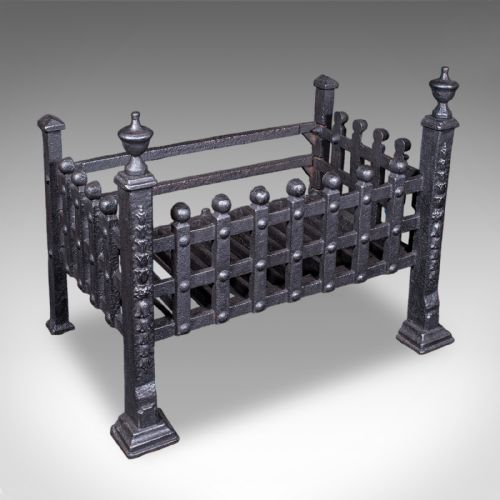
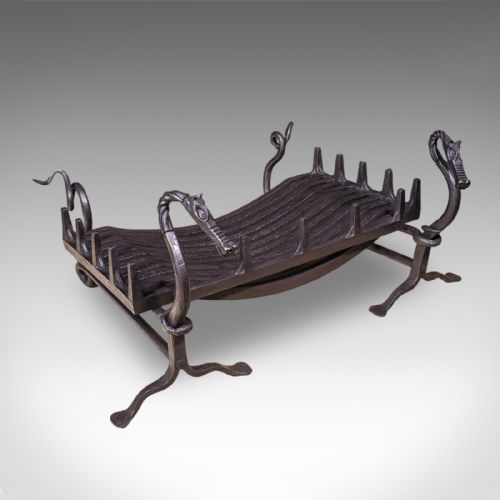
An antique hearth fire basket anchors a room with sculptural metalwork, providing an open grate for solid fuel burning.
Antique Hearth Fire Basket
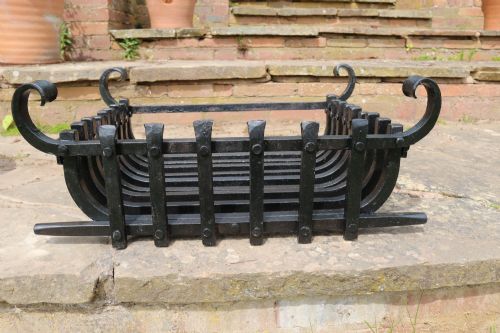
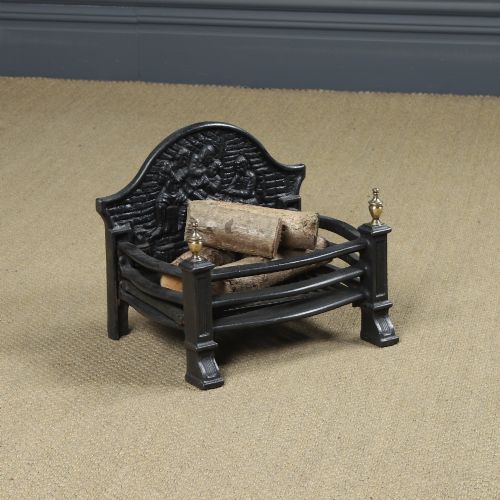
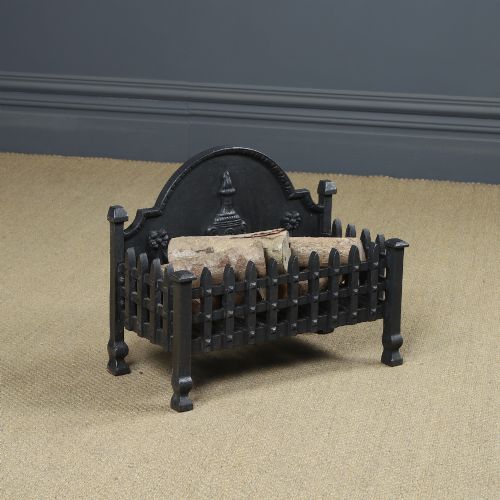
An antique hearth fire basket serves as a self-contained grate designed to hold coal or logs within an open fireplace. Buyers encounter examples ranging from austere Victorian cast iron forms to decorative Georgian designs featuring brass mounts.
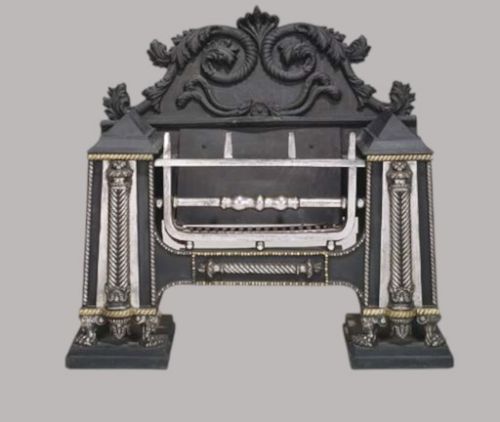
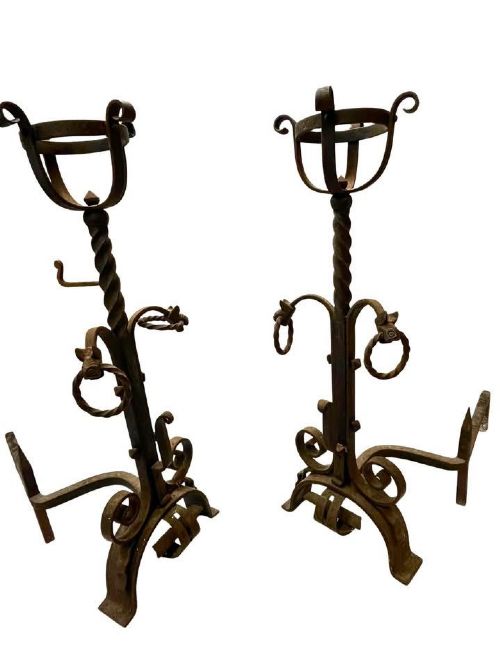
Many listings incorporate matching andirons, fire backs, or fenders to complete the hearth arrangement. Styles span from Gothic Revival and Neoclassical to Arts and Crafts interpretations produced into the twentieth century.
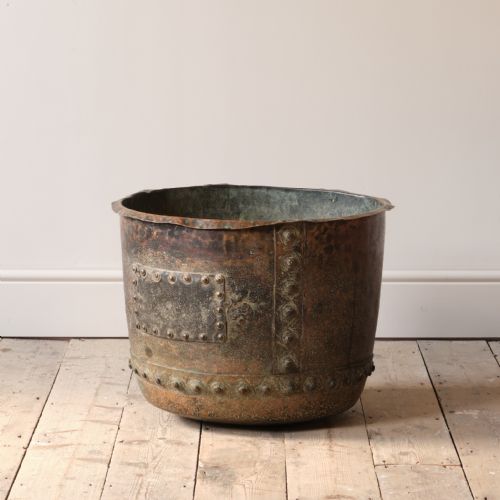
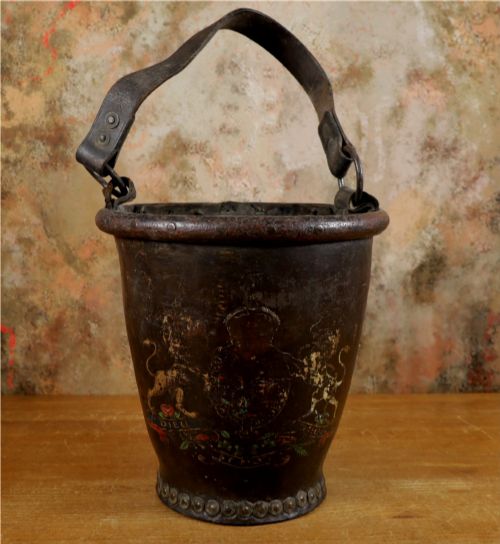
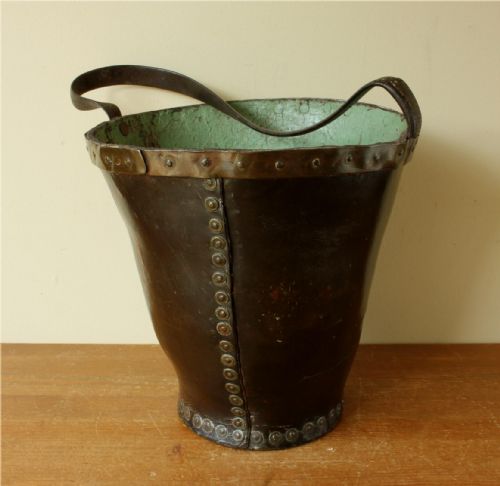
The category also encompasses related fuel storage containers such as copper log bins and studded leather fire buckets. These accessory pieces share the primary metals and period aesthetics of the grates themselves.
Materials and construction methods
Foundry work dominates the construction, utilising cast iron for heavy fire backs and structural grates that endure intense heat. Wrought iron provides pliable strength for hand-forged basket bars and decorative scrolls.
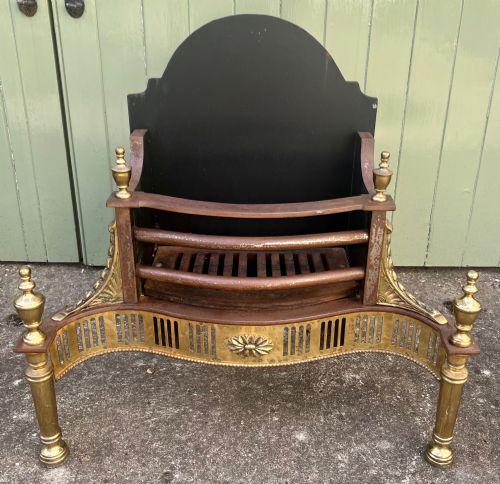
Bright polished or cast brass elements frequently accent the iron framework, particularly in Adam style and Regency pieces. Copper and studded leather appear primarily on fuel buckets and bins designed to sit beside the hearth.
Listings span the eighteenth, nineteenth, and early twentieth centuries, uniting cast iron, wrought iron, brass, copper, and leather.
Distinctions in craftsmanship and design
Superior examples display crisp, deeply struck surface ornament and well-balanced proportions that integrate structural iron with decorative brass work. Lesser pieces rely on simplified castings with softer detailing and thinner metal sections.
The integration of complete matching sets, including authentic andirons and fire backs, elevates the historical cohesion of a fireplace assembly. Material thickness and the rigidity of assembled joints further separate standard utilitarian grates from high-status items.
The Antique Hearth Fire Basket Glossary
- Fire basket
- A metal receptacle designed to hold burning fuel within a hearth, allowing air to circulate beneath the fire. These units sit independently or integrate with fixed grates.
- Andiron
- A horizontal support raised on legs, used in pairs to hold logs in an open fireplace. They often accompany fire baskets to complete the hearth display.
- Hob grate
- A fireplace grate featuring solid side plates or hobs for warming kettles or food. They appear frequently in Georgian and Regency interiors.
- Fire back
- A heavy cast iron plate placed at the back of an open fireplace to reflect heat into the room and protect the masonry wall. They frequently display heraldic or neoclassical motifs.
- Register grate
- A fireplace incorporating a movable plate or valve to regulate the draught and control the flow of smoke up the chimney.
Antique Hearth Fire Basket: Frequently Asked Questions
How do I install a fire basket?
Most antique hearth fire baskets are free-standing units designed to sit directly upon the hearth floor or on low legs within an existing fireplace opening. Proper clearance and a sound chimney are essential before lighting any solid fuel fire.
Some larger configurations require supporting andirons or a secure fire back behind the main basket structure. Professional installation ensures adequate stability and safe draught management.
Can I burn real wood in these grates?
Many of these cast and wrought iron grates were originally built to burn coal or wood depending on their period and depth. Inspecting the firebars and internal firebrick lining helps determine the appropriate fuel type for safe burning.
Using properly seasoned logs prevents excessive smoke and protects historical metal surfaces from unnecessary thermal stress. Modern users often choose to utilise gas log sets or maintain the piece strictly as a decorative focal point.
How do I clean cast iron and brass?
Regular maintenance involves removing ash accumulation with a soft brush and applying a light protective coating of grate polish or oil to iron surfaces. Avoid harsh chemical cleaners that can strip historical patinas from the metal.
Brass components respond well to gentle dusting and occasional cleaning with a mild, non-abrasive metal polish where a brighter finish is desired. Keeping the metal dry prevents oxidation in unused hearths.
What is the difference between Georgian and Victorian styles?
Georgian and Regency fire baskets emphasise symmetrical neoclassical lines, often incorporating bright brass urns, swags, and delicate pierced aprons. These designs reflect classical architectural proportions popular during the eighteenth and early nineteenth centuries.
Victorian and Edwardian examples tend toward heavier cast iron construction, drawing on Gothic Revival or eclectic nineteenth-century ornamentation. They frequently feature robust surface textures and integrated structural fire backs.