


Georgian Iron Fire Grate
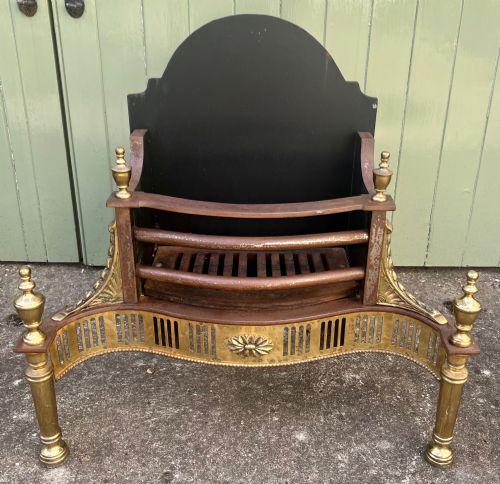
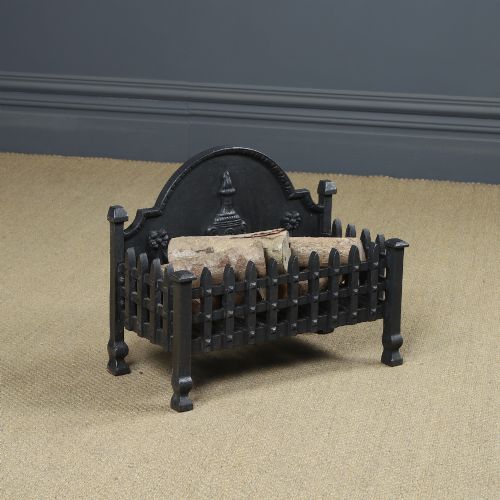
A georgian iron fire grate brings architectural weight and functional warmth to a period hearth, forged from cast iron, wrought iron, and steel.
Georgian Iron Fire Grate
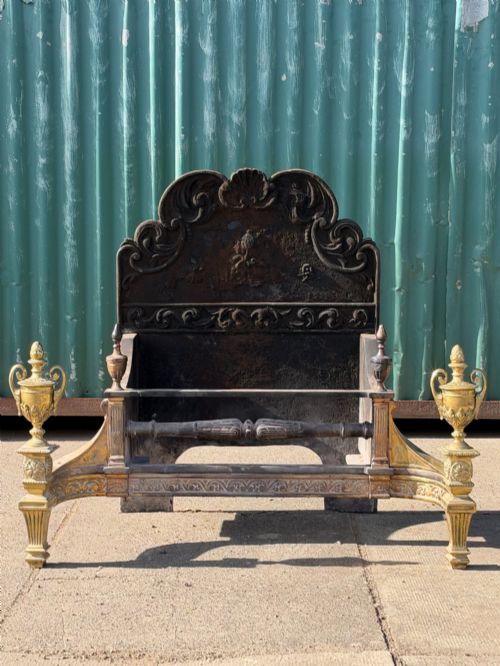
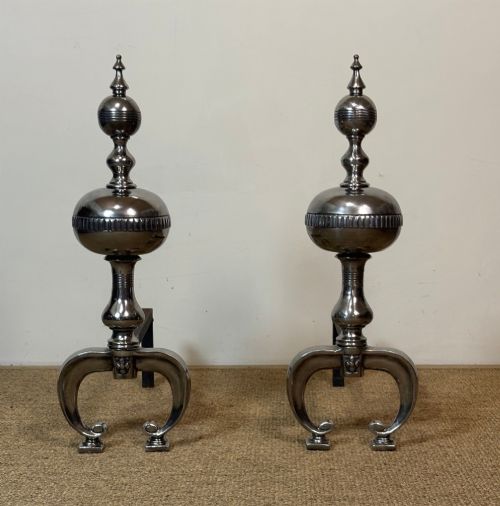
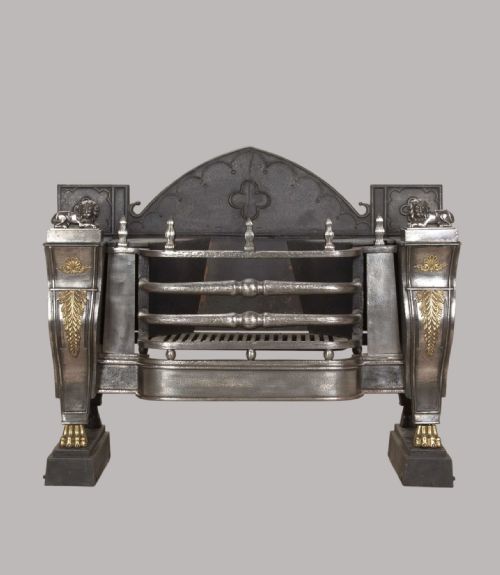
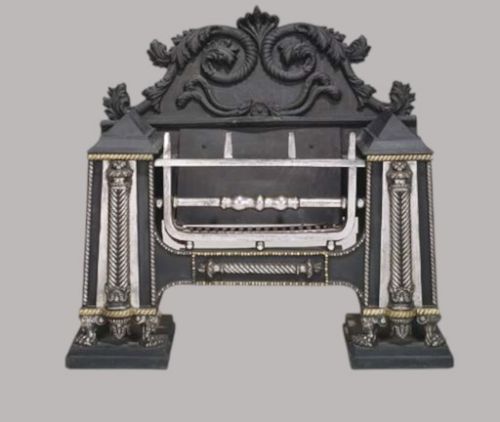
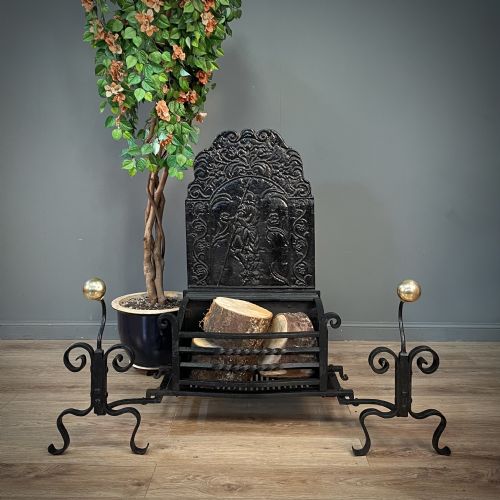
When you search for a georgian iron fire grate, you encounter robust hearth furniture designed to hold burning fuel safely within an open fireplace. The selection spans distinct forms including open fire baskets, hob grates, register grates, and fire dogs.
You are most likely to meet cast and wrought iron hob grates and open fire baskets originating from the Georgian, Regency, and nineteenth century periods. These examples frequently incorporate brass detailing or classical ornamentation such as Adam style motifs.
The objects serve as the functional centrepiece of a period chimney breast, combining sturdy metalwork with decorative backplates and firebricks. Many pieces reflect later revivals, bridging eighteenth century classical design with nineteenth century manufacturing techniques.
Materials and Construction
The construction relies primarily on heavy cast iron and wrought iron, frequently paired with steel components and fitted firebricks to withstand intense heat. Metal elements are shaped through casting and forging, producing robust baskets and grates capable of supporting coal or wood.
Certain grates arrived with built-in hobs, proving that eighteenth-century ancestors took their tea-making very seriously indeed.
Assessing the Craftsmanship
Quality rests in the crispness of the cast metal details and the harmony of mixed materials like brass and steel. Superior examples demonstrate refined classical proportions, balanced ornamentation, and substantial metal thickness that denotes durability.
Finer pieces display intricate neoclassical or Adam style enrichment rather than plain utilitarian casting. The distinction lies in the architectural integrity of the design and the careful integration of wrought iron elements with robust fire baskets.
The Georgian Iron Fire Grate Glossary
- Hob grate
- A type of fireplace grate featuring flat side shelves, known as hobs, used for heating kettles or food.
- Fire basket
- An open metal basket designed specifically to hold coal or wood logs securely within a hearth.
- Register grate
- A metal fireplace insert equipped with an adjustable flap or damper to control the draught up the chimney.
- Fire dog
- One of a pair of heavy metal supports used to hold logs in an open fireplace, often preceding the enclosed grate.
Georgian Iron Fire Grate: Frequently Asked Questions
What is a hob grate?
A hob grate is a traditional fireplace design featuring flat iron shelves on either side of the central fire basket. These flat surfaces were historically used for boiling kettles and keeping food warm.
Such grates are commonly associated with the Georgian and Regency periods, combining practical utility with classical decorative fronts.
How do I choose the right size?
Selecting the correct size requires careful measurement of your existing fireplace opening's width, height, and depth. You must ensure the iron basket or grate fits securely within the hearth space without obstructing the flue.
Consider the proportions of the mantelpiece and the surrounding room to maintain visual balance.
What is the difference between cast and wrought iron?
Cast iron is poured into moulds while molten, allowing for intricate decorative patterns and sturdy structural forms. Wrought iron is heated and hammered by hand into shape, resulting in fibrous, tough metalwork suited for load-bearing bars.
Many period pieces combine both materials to achieve structural resilience alongside ornate detailing.
How do I care for an iron fire grate?
Maintenance involves keeping the metal clean from ash accumulation and treating the surface with appropriate black lead or stove polish to prevent rust. Avoid using harsh chemical cleaners that can strip the historic finish.
Regular gentle brushing keeps the cast and wrought iron surfaces stable in a domestic setting.