
Traditional Library Bookcase
A traditional library bookcase organises heavy volumes and brings architectural weight to a room.
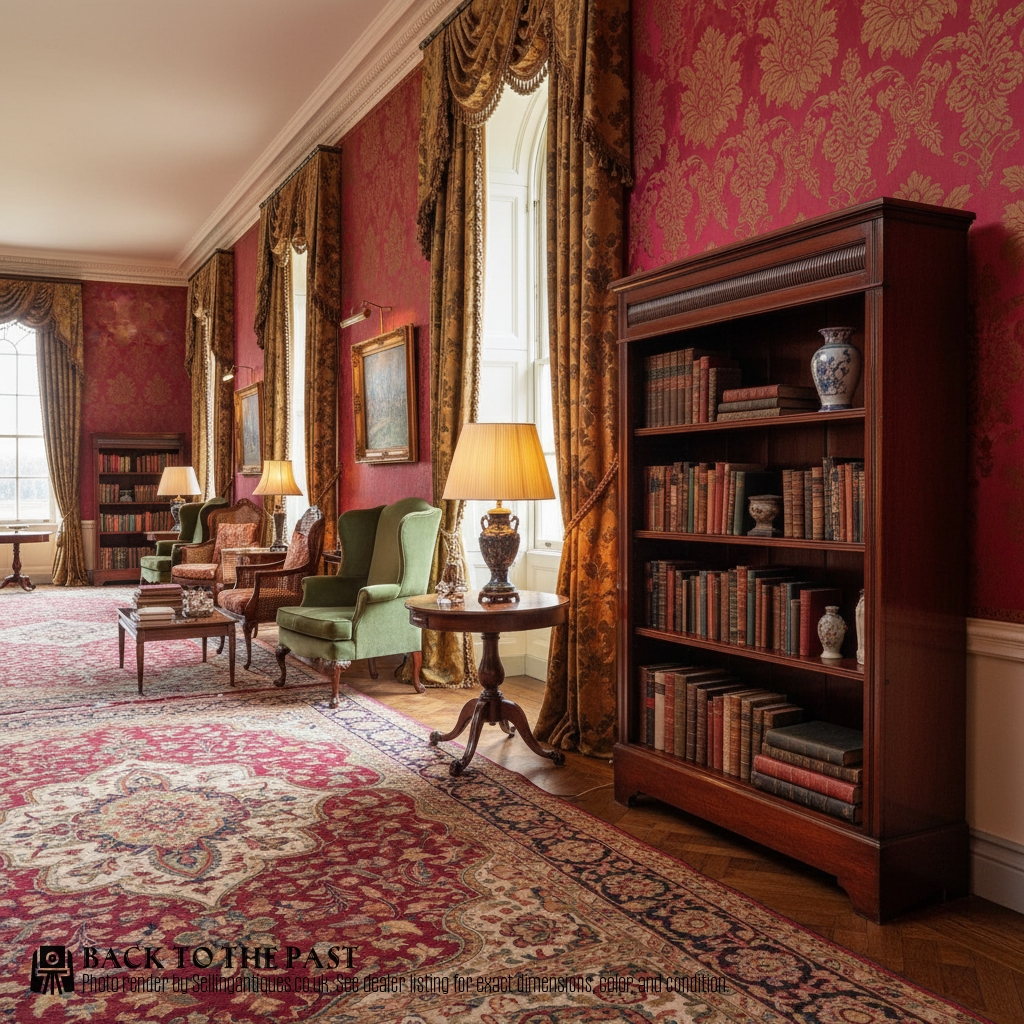
Traditional Library Bookcase
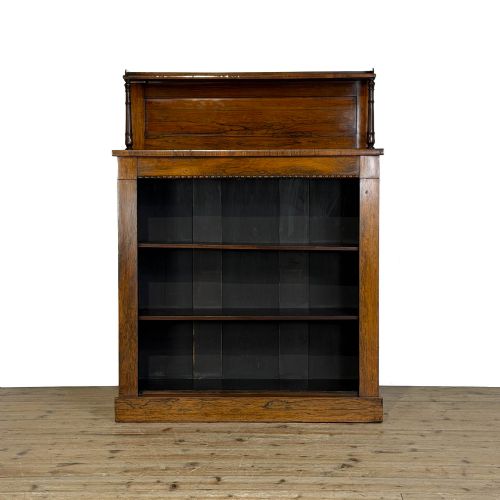
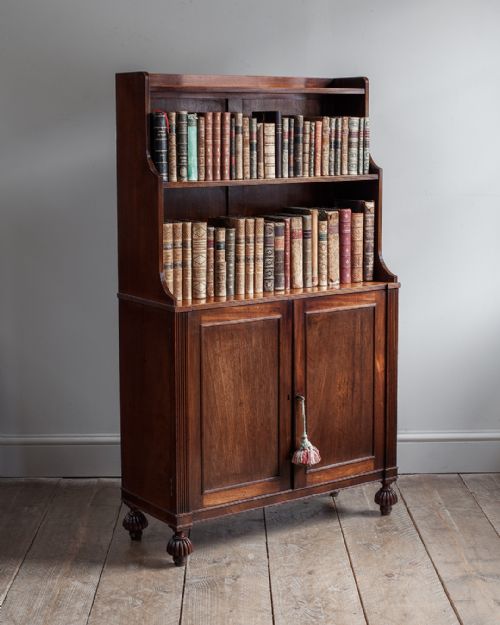
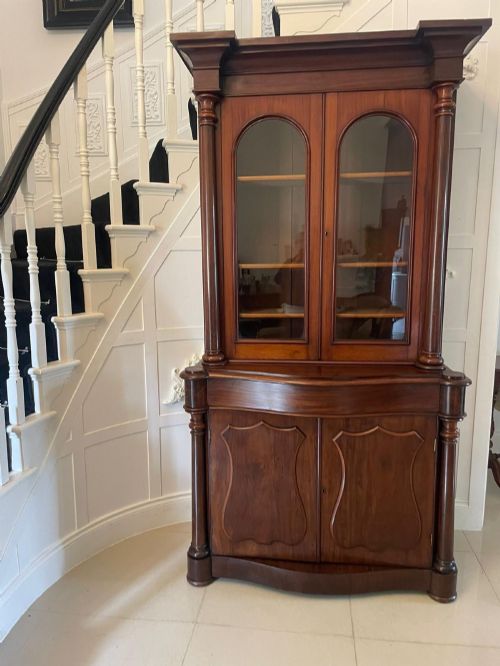
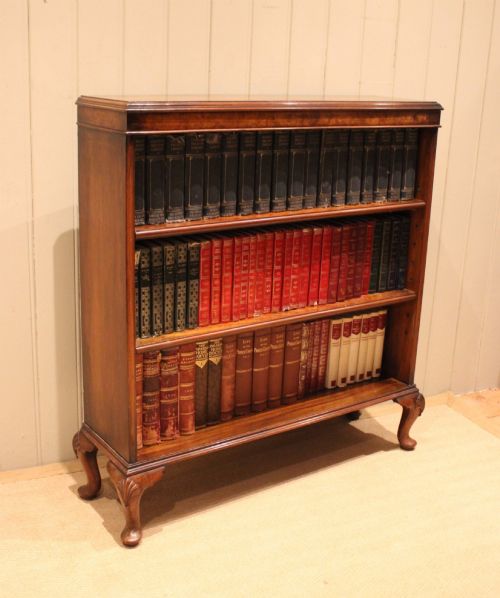
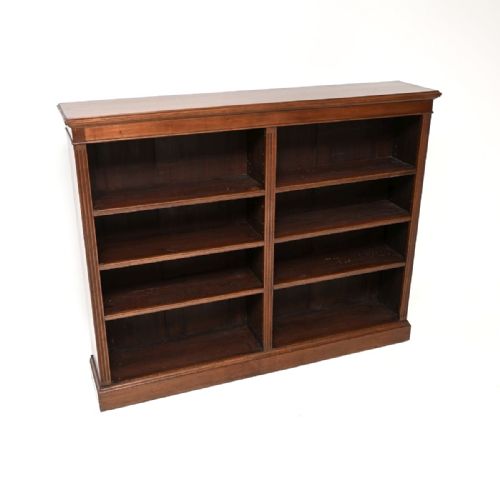
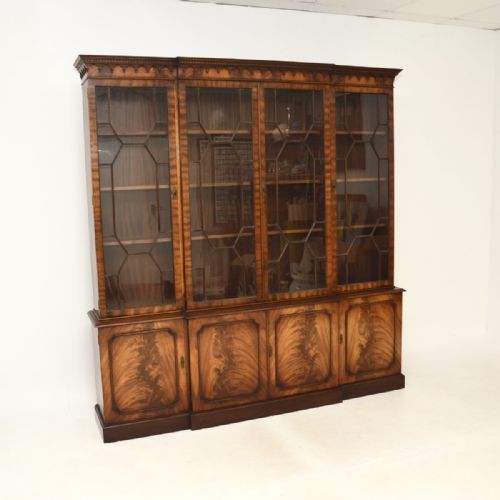
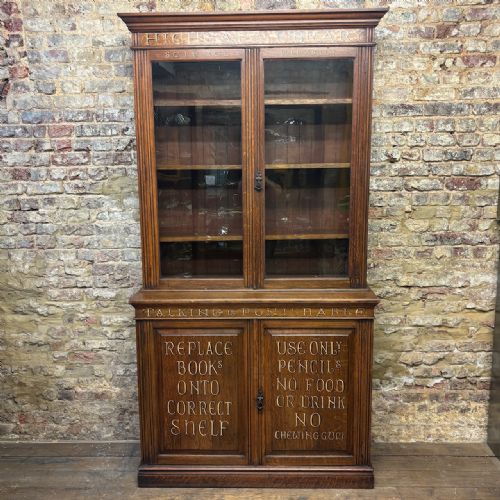
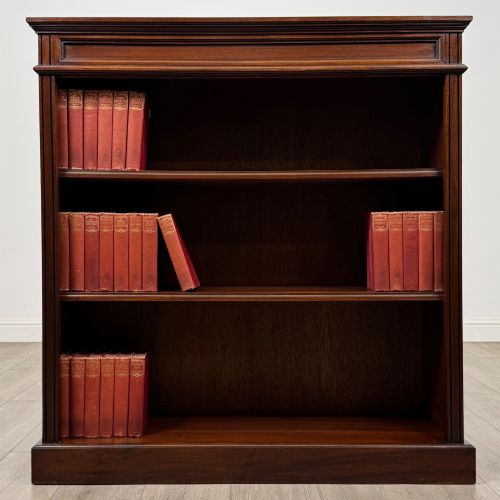
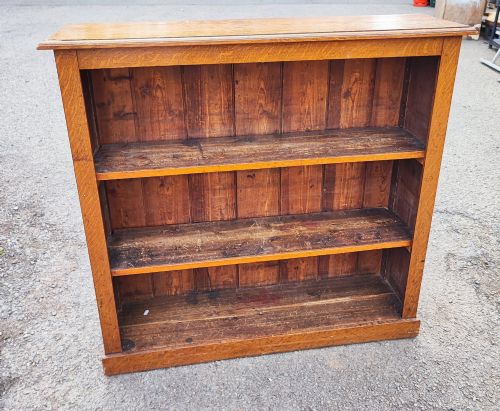
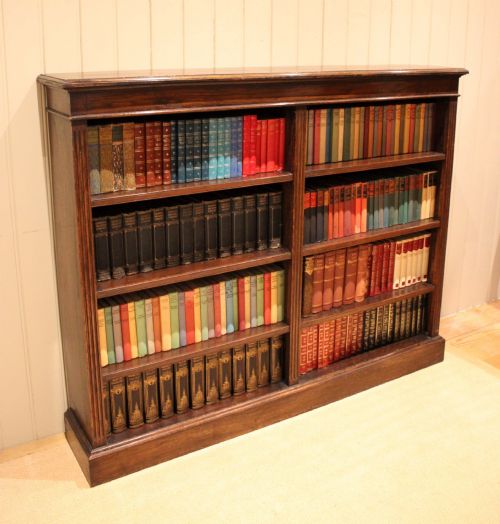
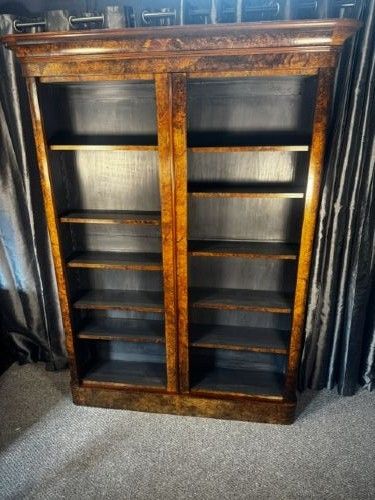
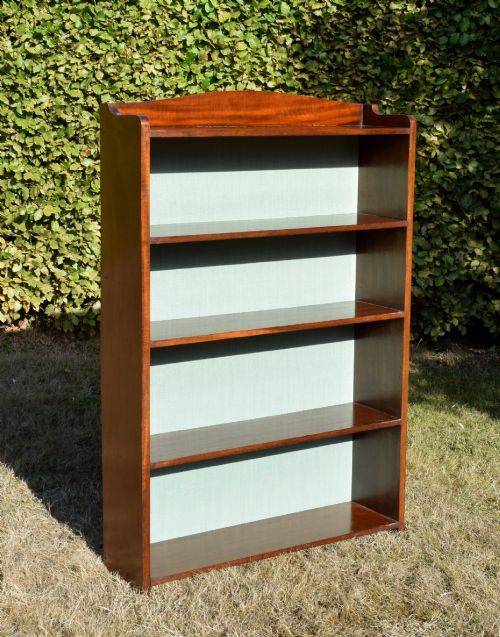
When you search for a traditional library bookcase, you encounter substantial storage furniture designed to house extensive collections of books. The pieces on this page span several decades and centuries, originating from periods such as the Victorian and Edwardian eras, as well as the Regency and Georgian styles.
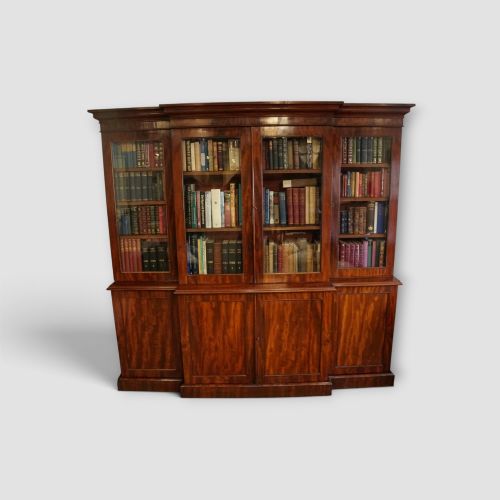
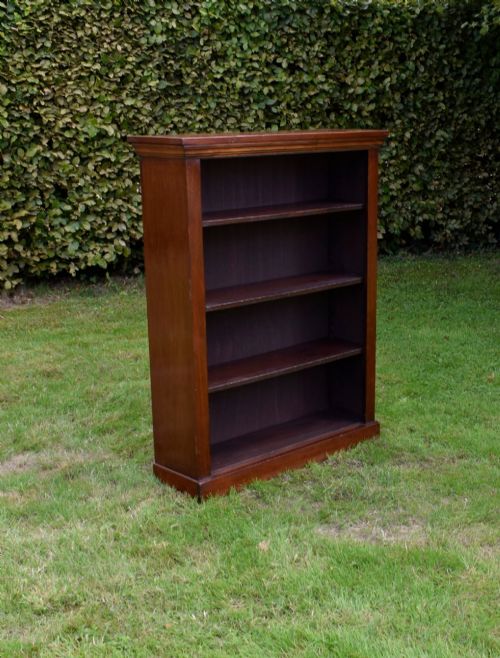
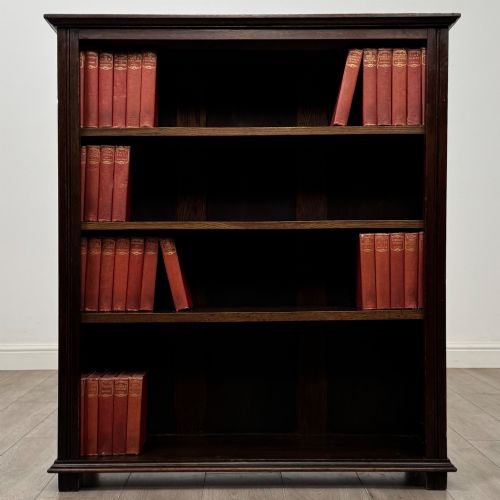
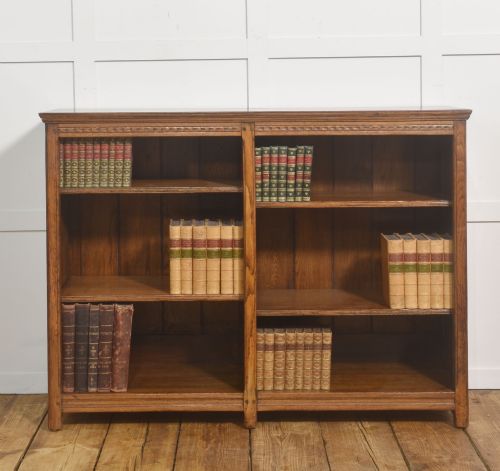
Open formats predominate, alongside breakfront designs and stacking barristers. Formats vary from large oak library editions to neat walnut or mahogany pieces featuring adjustable shelves for practical utility.
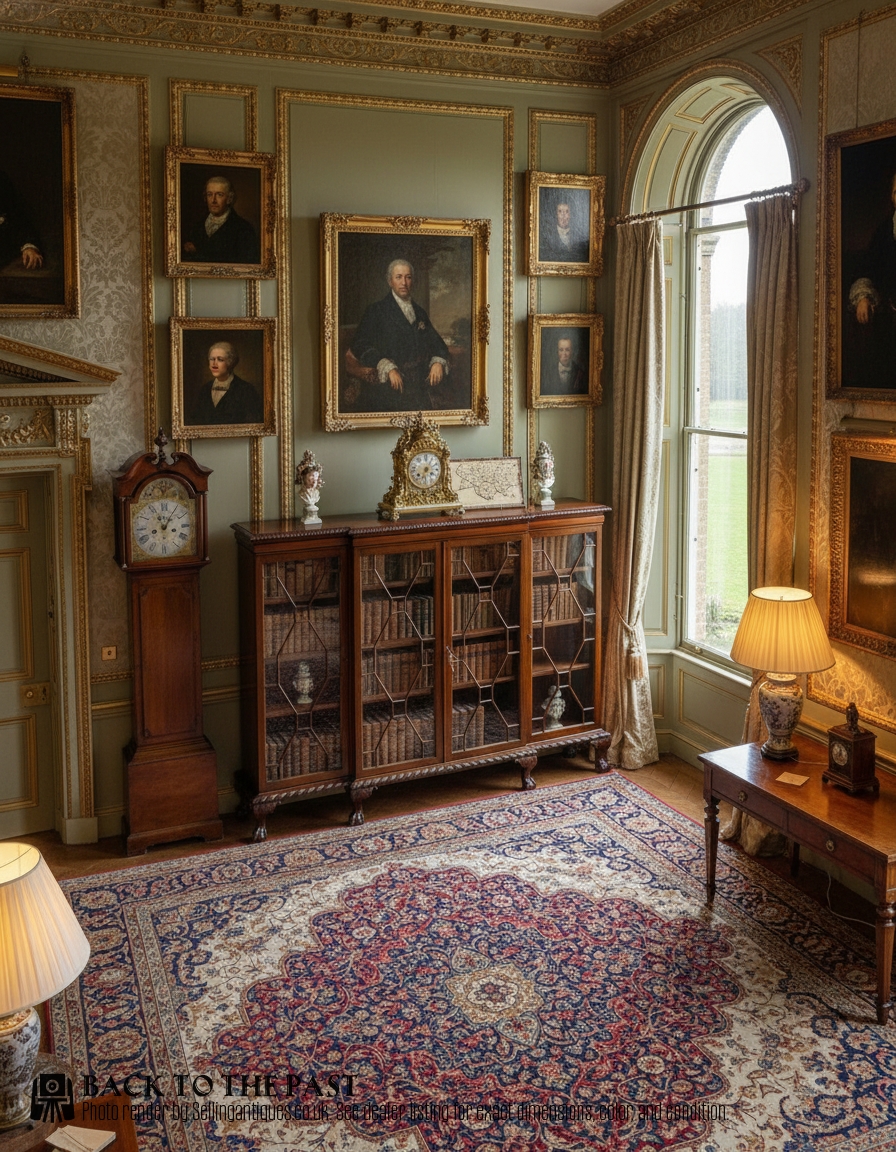
Materials and Construction
Cabinet makers utilised dense hardwoods including mahogany, oak, walnut, burr walnut, and rosewood, occasionally employing pine for functional carcasses. Glass panels protect sensitive volumes in enclosed versions, while brass fittings secure doors and adjustable shelf mechanisms.
Construction methods range from breakfront configurations to modular stacking sections. Wax and polished finishes highlight the natural grain of the timber across the Victorian, Edwardian, and 20th century examples.
Traditional Library Bookcase Retail Price Guide 2026
Typical asking prices for traditional library bookcase among the pieces listed under this phrase on Sellingantiques today, from the lower quarter to the upper quarter. They describe what is for sale here now, not the wider market.
Listings feature timbers including mahogany, oak, walnut, burr walnut, rosewood, pine, and brass, spanning the Victorian, Edwardian, and Regency periods.
Quality and Distinction
The distinction between standard utility items and superior examples lies in timber selection and timber preparation. Figured veneers such as burr walnut and carefully matched mahogany elevate the visual presence of a piece compared to plain pine or standard oak.
Refined craftsmanship shows in the integration of adjustable shelving systems, breakfront proportions, and the crispness of classical revival details. Substantial scale and balanced joinery separate grand library editions from smaller domestic variants.
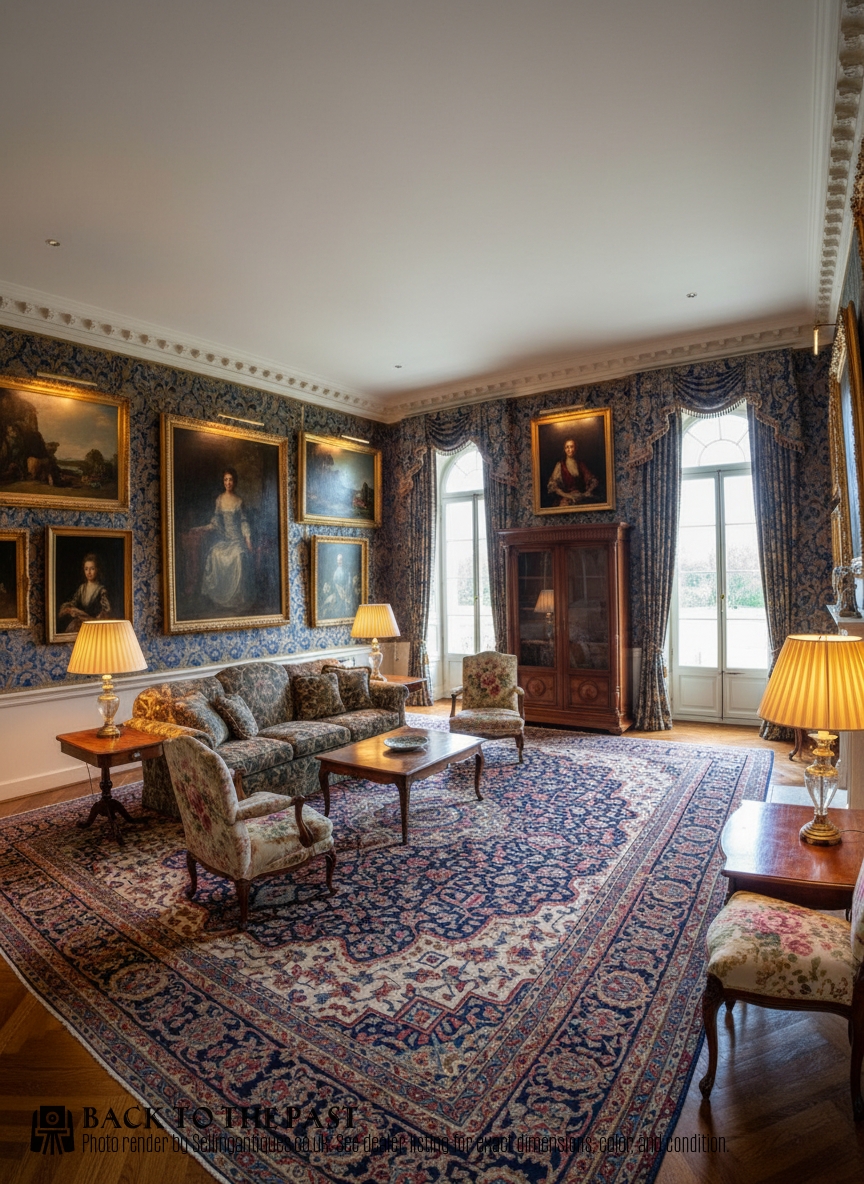
The Traditional Library Bookcase Glossary
- Breakfront
- A piece of furniture featuring a central section that projects forward from the flanking outer sections. This configuration adds architectural depth to large library bookcases.
- Adjustable shelves
- Shelving supported by pegs, racks, or ratchets that allows vertical movement to accommodate books of varying heights. This is a common feature in quality library pieces.
- Barrister bookcase
- A modular bookcase featuring multiple stacking sections with glass-fronted doors that lift and slide upwards into the cabinet. These appeared in the early 20th century.
- Open bookcase
- A shelving unit without doors that provides immediate access to the volumes stored within. These appear frequently in oak, mahogany, and walnut across Victorian and Edwardian listings.
- Burr walnut
- Timber taken from the burl growth of a walnut tree, exhibiting intricate, swirling grain patterns. Cabinet makers used it for decorative veneer on high-status furniture.
Traditional Library Bookcase: Frequently Asked Questions
How do I adjust the shelves?
Most period library bookcases utilise wooden rack-and-pinion systems or brass studs to hold shelves at different heights.
You simply lift the shelf, reposition the supports within the vertical slots, and lower the timber back into place.
Are these bookcases suitable for heavy books?
Solid mahogany and oak library bookcases are exceptionally sturdy and easily support rows of heavy volumes.
Adjustable shelving systems distribute weight evenly across internal vertical uprights designed for extensive collections.
How do I identify an Edwardian bookcase?
Edwardian bookcases generally date from the early 20th century and often feature lighter golden oak or mahogany timbers.
Their design tends to be slightly simpler than heavily carved Victorian pieces, though they retain traditional proportions.