
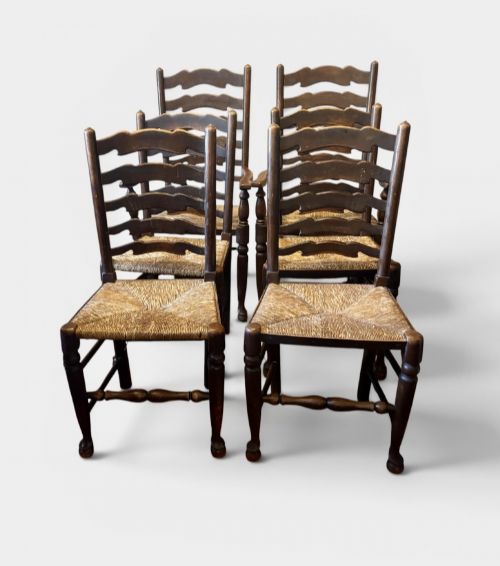


Traditional Ladder Back Seat
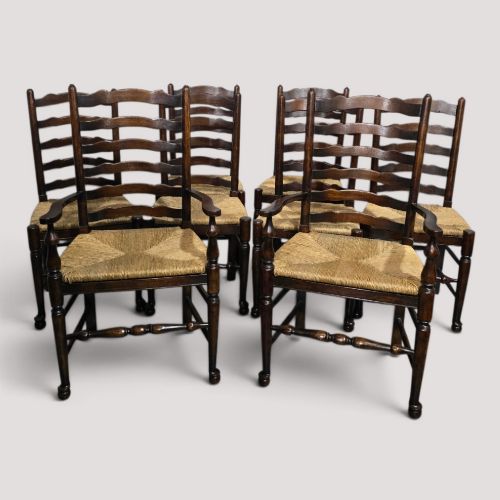
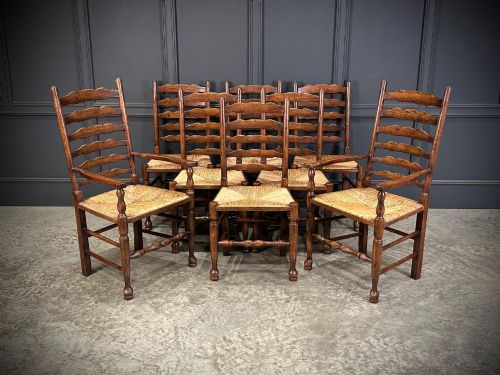
A traditional ladder back seat offers honest vernacular woodworking spanning the eighteenth century to the Arts and Crafts period.
Traditional Ladder Back Seat
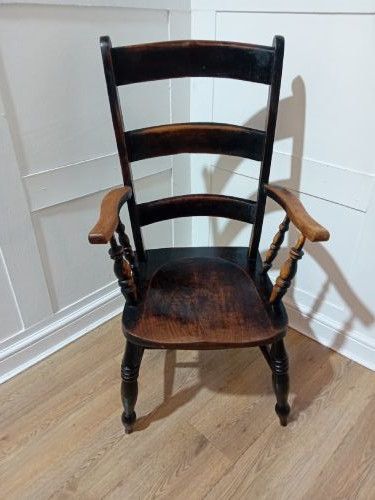
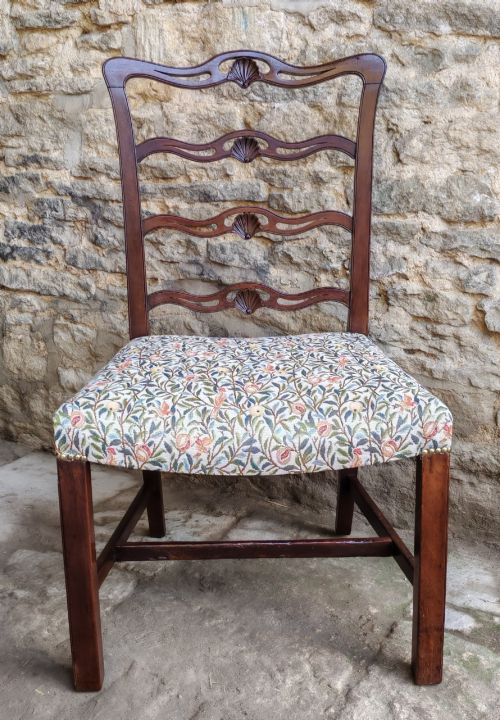
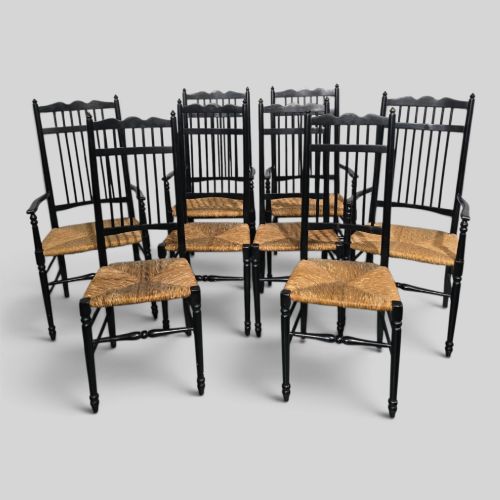
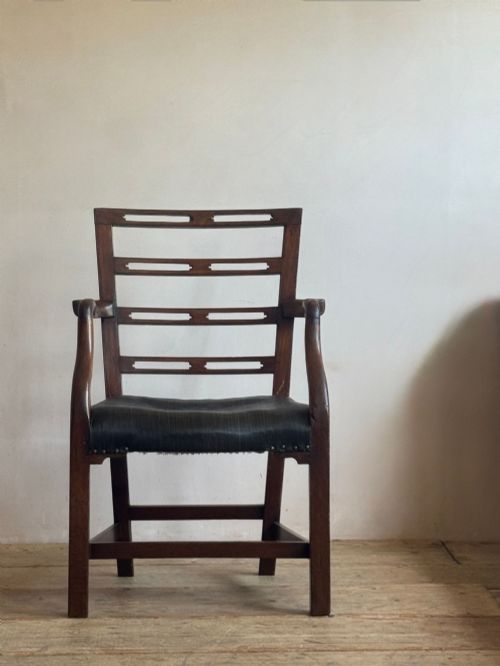
When searching for a traditional ladder back seat, buyers encounter vernacular dining chairs, armchairs, rocking chairs, and settees originating from English, French, and Dutch rural traditions. The pieces span periods from the eighteenth century through the Georgian and Victorian eras into the nineteen-thirties, with Arts and Crafts interpretations appearing frequently.
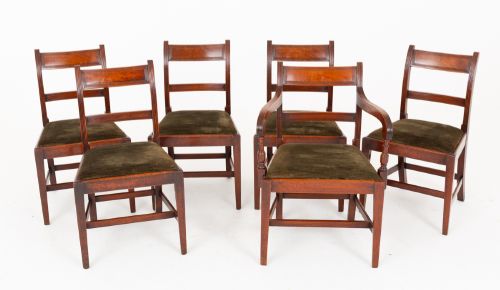
Single dining chairs and large sets appear alongside open armchairs and child variants like high chairs and rocking chairs. Oak, ash, and mahogany form the primary framework supporting woven rush or fabric seating surfaces.
Materials and construction methods
Craftsmen utilised native timbers such as oak, ash, elm, and beech for structural frames, turning spindles on lathes and shaping horizontal back slats by hand. Mahogany also appears in refined Georgian and revival dining chair production.
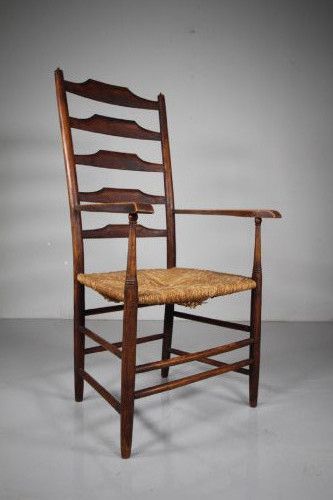
Seats utilise woven rush or upholstered pads covered in fabric or velvet. Joinery relies on traditional pegged mortise and tenon methods to secure the upright posts and horizontal rails.
Small hands once gripped the rungs of miniature high chairs and children's rockers preserved among these full-sized country seats.
Distinctions in craftsmanship and finish
Quality rests in the integrity of the timber selection and the precision of the turned members forming the frame. Finer examples display harmonious proportions across large matched sets rather than minor irregularities.
The preservation of original surface finishes and early rush seating surfaces elevates a piece above later restorations or replaced components. Structural rigidity in the joints determines long-term utility.
Philip Clissett·Dicon Nance·Lawrence Neal·Edward Gardener·Liberty and Co
The Traditional Ladder Back Seat Glossary
- Ladder back
- A chair design featuring horizontal arched slats resembling the rungs of a ladder between the vertical uprights. This form characterises vernacular country seating across several centuries.
- Rush
- Dried marsh grass woven tightly to create a durable seating surface. It appears on traditional country chairs and Arts and Crafts examples.
- Vernacular
- Objects made by local artisans following regional traditions rather than strict academic style guidelines. These pieces prioritize utility and local materials.
- Spindle back
- A chair back constructed from numerous thin turned vertical rods rather than horizontal slats. Variations include Lancashire and Windsor farmhouse types.
Traditional Ladder Back Seat: Frequently Asked Questions
How do I clean a rush seat?
Keep rush seating dry and clean it gently with a soft brush to remove dust. Avoid using excess water, which can make the natural fibres brittle.
Applying occasional light moisture can help maintain the flexibility of older plant materials, but harsh chemical cleaners must be avoided entirely.
Are these chairs suitable for daily dining?
Many solid timber frames prove robust enough for regular daily use around a kitchen or dining table. Check the stability of the joints and the tension of the woven rush before placing heavy demands on older pieces.
Adding appropriate pads can protect fragile antique textiles or woven surfaces from excessive wear during meals.
How do I tell Georgian from Victorian examples?
Georgian pieces often employ fine mahogany and display lighter, more formal proportions linked to cabinetmaker designs. Victorian and later country versions tend to utilise sturdy ash or oak with heavier turned members.
Regional vernacular pieces continued traditional local methods well into the nineteenth century, sometimes blurring strict stylistic boundaries.
What is an Arts and Crafts ladder back?
Arts and Crafts examples draw inspiration from earlier vernacular designs, emphasising simple construction, visible materials, and handcrafted integrity. Makers associated with this movement revived traditional rush seating and plain timber frames.
These pieces often date from around nineteen hundred to the nineteen-thirties, reflecting a renewed interest in handmade domestic objects.