
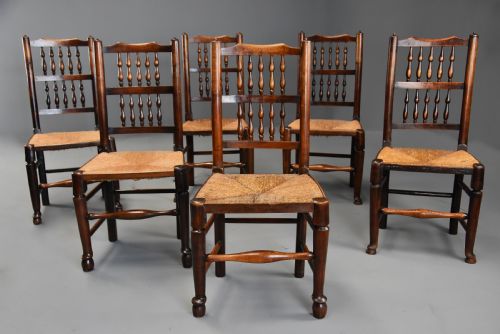
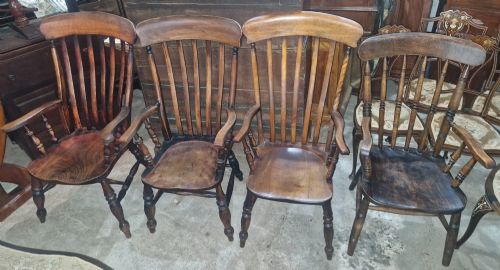
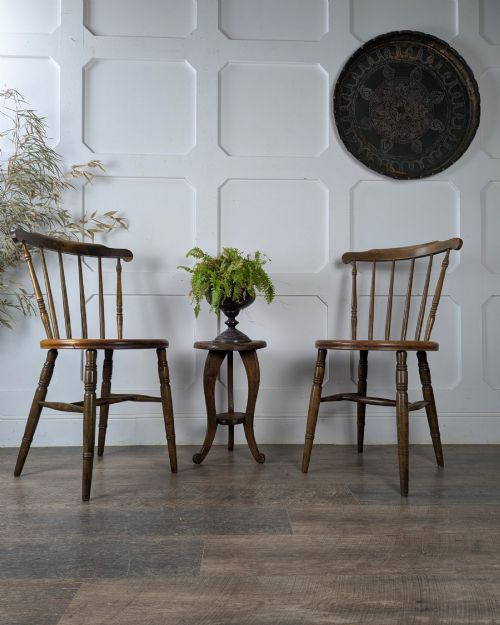
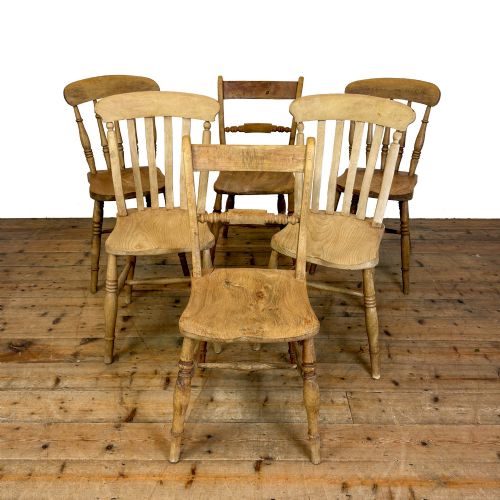
Traditional Kitchen Seating
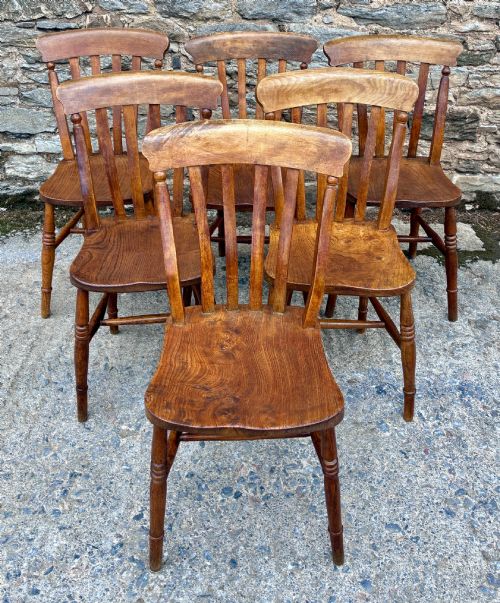
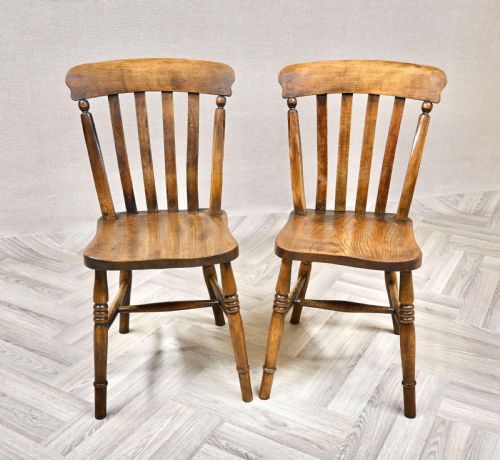
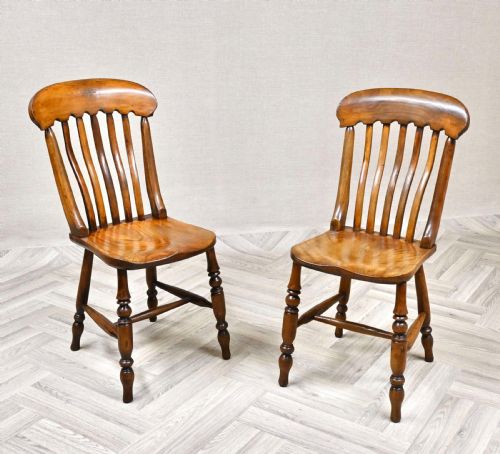
Traditional kitchen seating brings together sturdy elm, beech and oak chairs, benches and stools built for daily domestic life.
Traditional Kitchen Seating
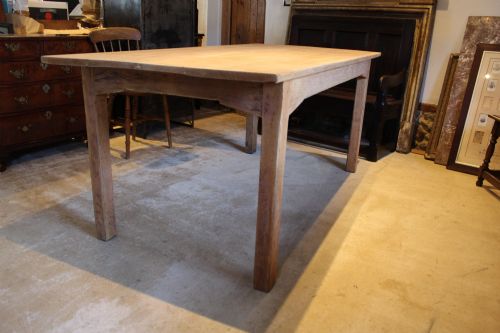
Traditional kitchen seating encompasses sturdy chairs, benches, stools and tables designed for everyday domestic use in rural and farmhouse settings. When searching for traditional kitchen seating, buyers encounter robust dining chairs, armchairs, bar stools and refectory tables intended for practical service.
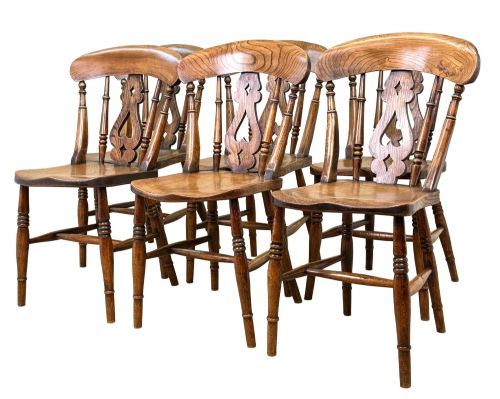
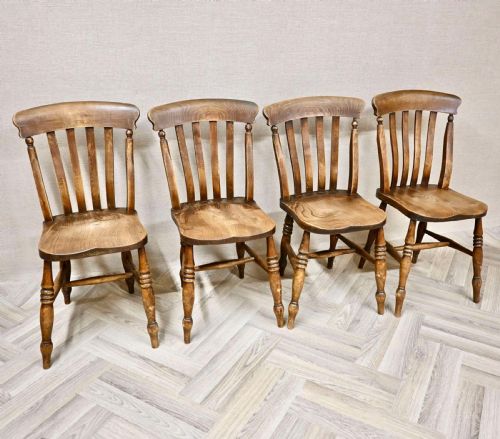
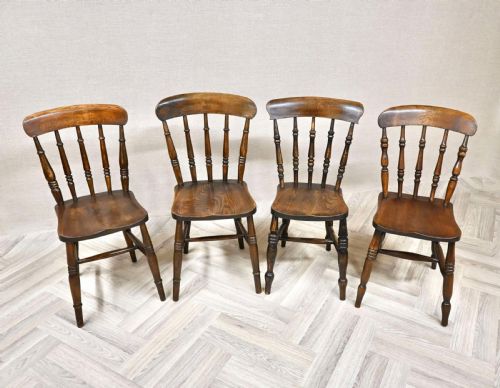
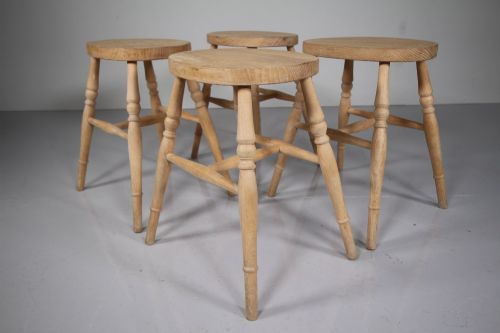
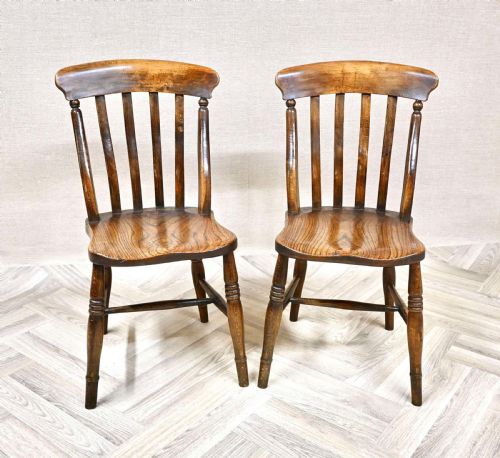
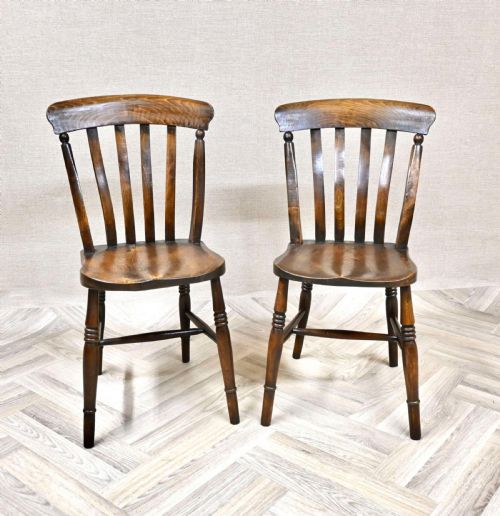
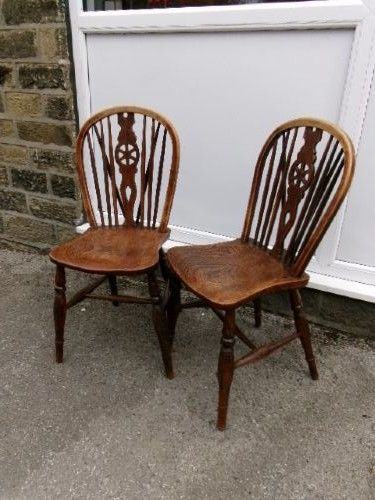
The pieces appearing here span from the early nineteenth century through the Edwardian era and into the early twentieth century. Windsor designs, ladderback forms and rush-seated stools dominate the selection, reflecting English country and rustic farmhouse styles.
How they were made
Maker workshops built these pieces using native timbers such as elm for solid seats, ash and beech for bent spindles, and oak or pine for structural frames and tables. Craftsmen employed traditional turning and steam-bending techniques to shape hoop backs, stick backs and wheel backs.
Joinery relied on mortise and tenon construction alongside wedged through-tenons to ensure durability under daily household strain. Seats were frequently shaped from single slabs of solid elm or woven from natural rush.
Traditional Kitchen Seating Retail Price Guide 2026
Typical asking prices for traditional kitchen seating among the pieces listed under this phrase on Sellingantiques today, from the lower quarter to the upper quarter. They describe what is for sale here now, not the wider market.
Some Windsor chairs retain the subtle saddle scoops worn smooth by generations of farmhouse dining.
What varies in quality
Quality depends upon the selection of timber and the integrity of the original construction rather than decorative ornamentation. Pieces fashioned from dense elm seats paired with well-turned ash spindles demonstrate superior structural resilience.
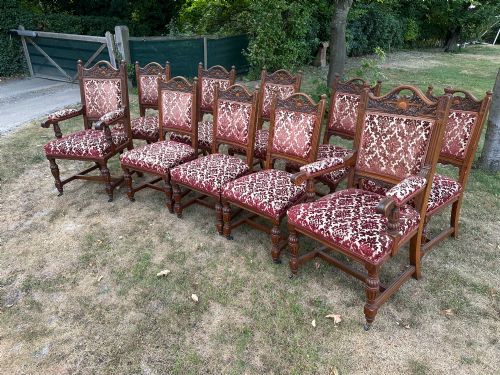
The retention of original surface patination and tight, uncompromised joinery distinguish finer examples from heavily restored or altered counterparts. Matched sets command greater appreciation than assembled harlequin groups, though both serve practical dining roles.
Worksop
The Traditional Kitchen Seating Glossary
- Windsor chair
- A wooden chair built with a heavy solid saddle-shaped seat into which the legs and back canted spindles are separately inserted. This construction method provides exceptional strength.
- Lathe back
- A chair back featuring turned spindles shaped on a woodturning lathe. These vertical members support the top bow or crest rail.
- Rush seat
- A seating surface woven from dried marsh rushes twisted into cords. It offers a resilient and traditional platform for dining chairs and stools.
- Harlequin set
- A collection of dining chairs that share a similar vernacular style and period but vary slightly in minor design details. They were often gathered together over time.
- Refectory table
- A long, narrow dining table traditionally utilised for communal meals in large halls or farmhouses. These heavy oak tables feature sturdy trestle or four-leg frames.
Traditional Kitchen Seating: Frequently Asked Questions
What defines a Windsor kitchen chair?
A Windsor chair is characterised by a solid wooden seat into which the legs and back components are tenoned directly. This method creates a rigid and enduring frame suitable for heavy kitchen use.
Most examples utilise mixed timbers, combining elm seats with ash or beech spindles and bending rails. Their robust design made them staples in nineteenth-century country homes.
How do I identify a harlequin set?
A harlequin set consists of chairs that match in general period, timber and vernacular style while showing minor variations in turning or back design. Families often gathered these sets gradually rather than purchasing them all at once.
Such sets offer a cohesive country aesthetic without the strict uniformity of factory-produced dining suites.
Are rush seats durable for daily dining?
Rush seats woven from natural dried marsh vegetation offer surprising resilience and comfort for daily use. They flex slightly under weight while retaining their structural tension.
To preserve them, owners should avoid placing these chairs in excessively damp environments and protect the woven cords from sharp impacts.
How can I date nineteenth-century kitchen chairs?
Dating relies on observing construction marks, timber selection and tool evidence left by the maker. Nineteenth-century examples often display hand-turned spindles and adzed elm seat bottoms with distinct tool ridges.
Earlier pieces tend to feature heavier proportions and simpler lines, while later Victorian and Edwardian versions incorporate refined turning techniques.