
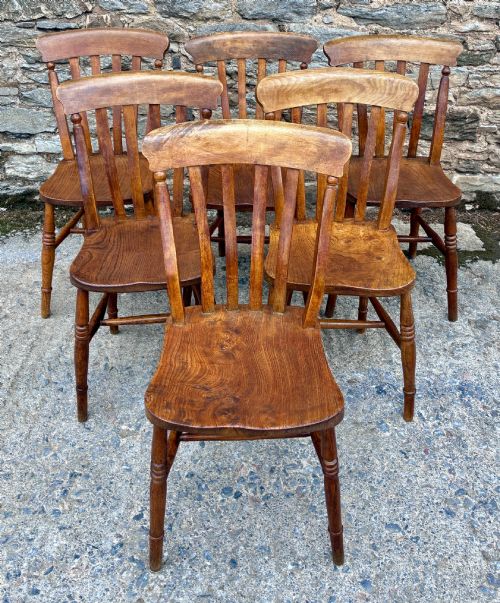
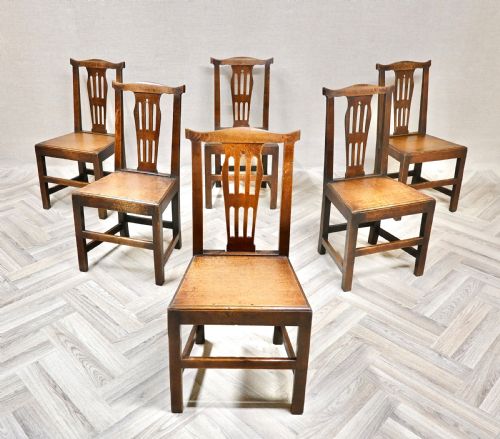
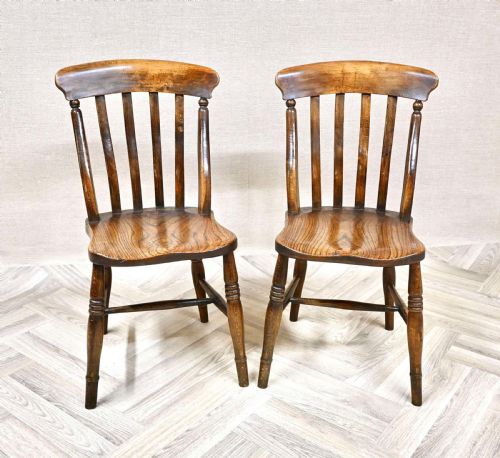
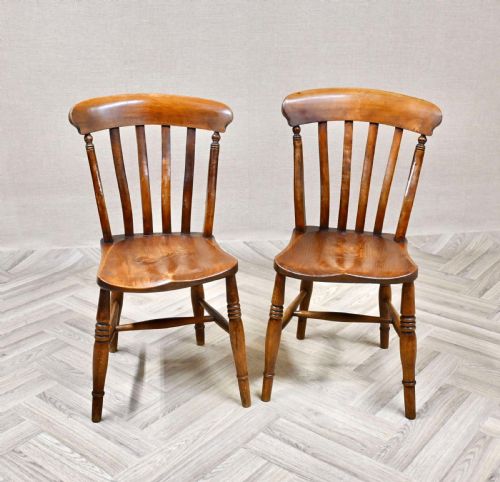
Rustic Country Side Chairs
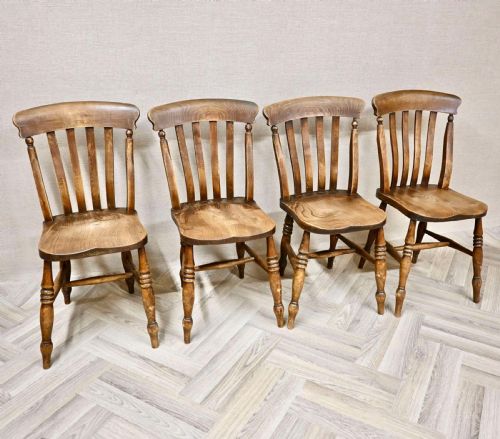
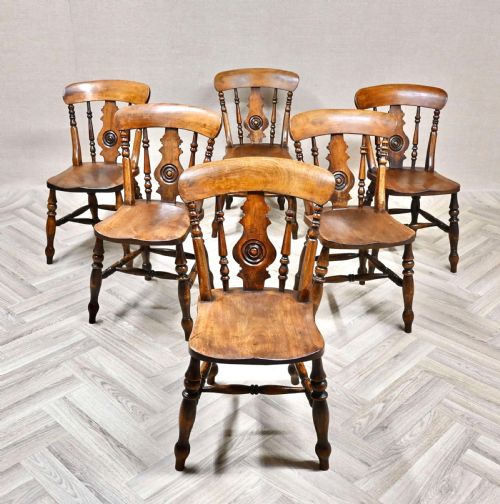
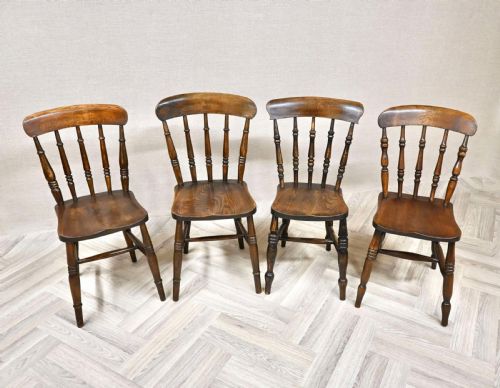
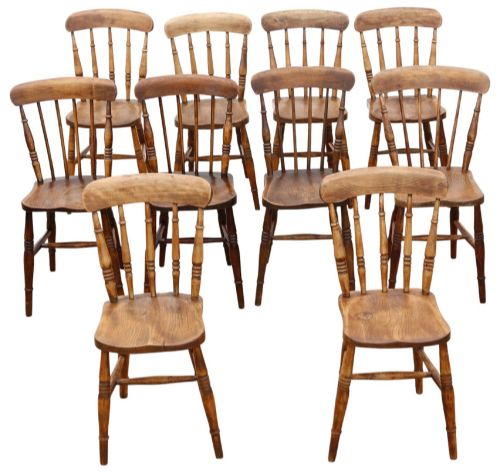
These rustic country side chairs bring honest vernacular character to a farmhouse table, shaped by regional makers using local timber.
Rustic Country Side Chairs
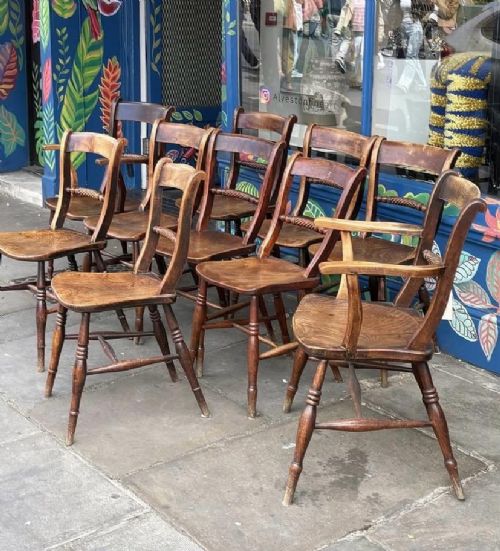
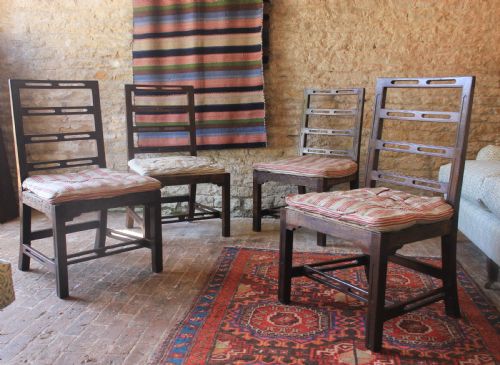
Rustic country side chairs encompass straightforward seating made for everyday domestic use in farmhouses, cottages and kitchens rather than formal parlours. When searching for rustic country side chairs, a buyer typically encounters sturdy wooden seating designed without arms, well-suited for tucking around a kitchen or dining table.
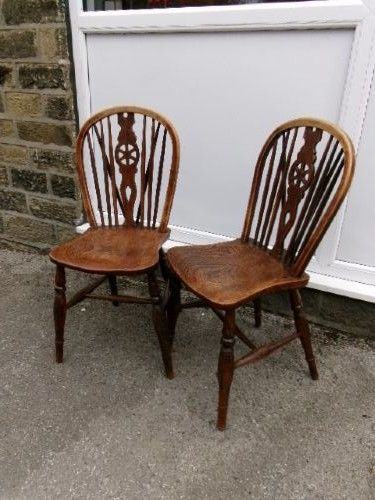
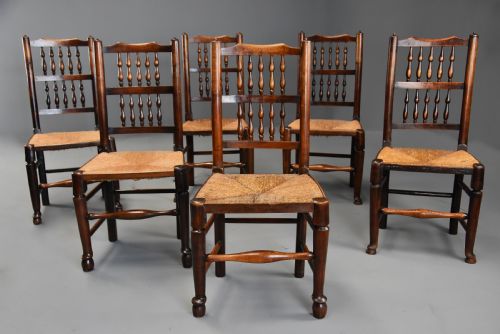
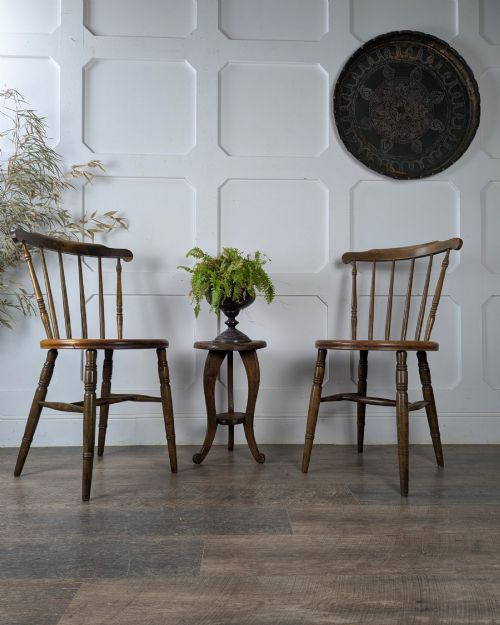
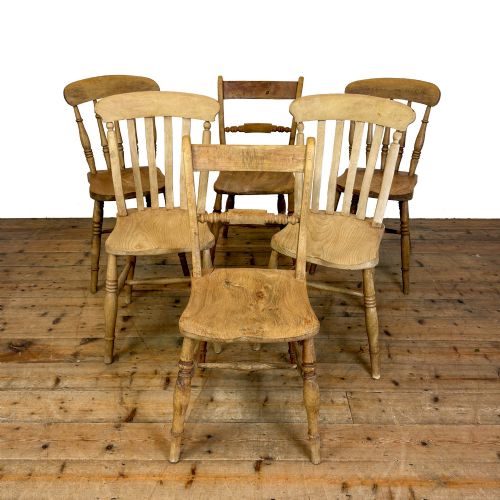
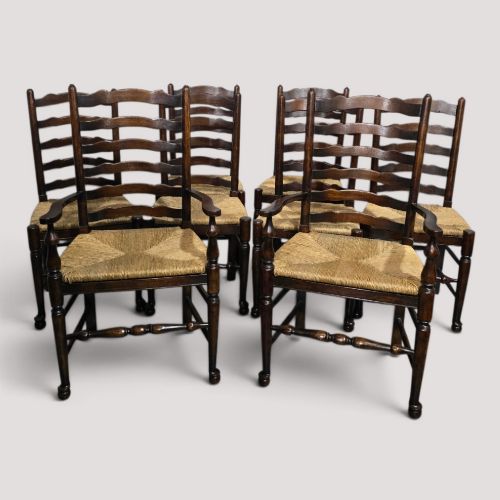
The selections span various forms including Windsor chairs with distinct back designs like wheelbacks, stick backs and lathe backs, alongside traditional ladder backs and spindle backs. These pieces originate primarily from the eighteenth and nineteenth centuries, reflecting the enduring utility of English country vernacular furniture.
How they were made
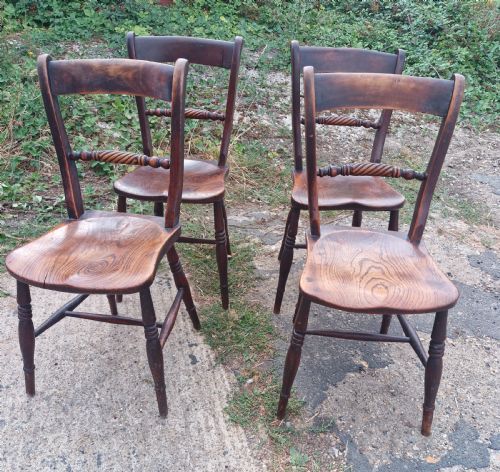
Maker-joiners utilised locally available timbers, frequently combining woods within a single piece to suit structural demands. Elm seats commonly pair with beech, ash or oak for the spindles, legs and frames, providing a resilient foundation for daily use.
Construction techniques relied on traditional woodturning and steam-bending to shape backs and supports, occasionally incorporating rush for seating pads. Simple pegged joints and saddle-shaped solid timber seats demonstrate the practical engineering behind these utilitarian items.
The listings show pieces constructed primarily from elm, oak, beech, ash and rush across the eighteenth, nineteenth and early twentieth centuries.
What varies in quality
Quality in these chairs rests upon the depth of the timber's grain and the integrity of the original construction rather than elaborate decoration. Pieces featuring well-sculpted elm seats and balanced proportions demonstrate superior craftsmanship from regional workshops.
Harlequin sets and matched groupings differ in how harmoniously the individual chairs relate to one another in timber tone and wear. A rich, warm patina acquired through generations of use elevates the visual presence of a chair above a dry or stripped surface.
The Rustic Country Side Chairs Glossary
- Harlequin set
- A collection of chairs assembled to match in style or period while differing slightly in individual detail. Such groupings were commonly gathered over time for farmhouse dining.
- Windsor chair
- A wooden chair featuring a solid carved seat into which the legs and back spindles are independently tenoned. They often include steam-bent bow backs for added support.
- Ladder back
- A chair back constructed with horizontal slats or rails positioned between two vertical uprights. This traditional form appears frequently in oak, ash and beech.
- Patina
- The surface sheen and colour developed on wood over decades of handling, cleaning and exposure to light. A deep patina indicates age and gentle domestic use.
- Vernacular furniture
- Domestic objects made by local tradesmen using regional traditions and materials rather than following metropolitan fashion. These items prioritise direct utility and local availability.
Rustic Country Side Chairs: Frequently Asked Questions
What defines rustic country side chairs?
These chairs are unpretentious wooden seats produced for rural homes, kitchens and farmhouses without elaborate ornamentation. They rely on local timbers and straightforward construction methods intended for heavy everyday service.
Most examples date from the eighteenth and nineteenth centuries, exhibiting regional variations in back design and wood choice that reflect local vernacular traditions.
How do I mix mismatched chairs?
Assembling a harlequin set involves finding chairs with shared characteristics such as similar height, wood types or overall proportions. Mixing ladder backs or Windsor variations creates an informal, layered dining arrangement.
Maintaining a consistent timber tone or finish across the group helps unify pieces that vary slightly in back design or spindle count.
Which woods were used?
Makers selected timbers based on their strength and local availability, frequently combining multiple woods within a single chair. Elm was heavily favoured for solid seats due to its resistance to splitting, while ash, beech and oak provided rigid framing and slender spindles.
Occasional pieces utilise fruitwood or pine, showing the varied materials accessible to regional joiners.
How do I date an old chair?
Dating relies on examining construction marks, tool traces, timber shrinkage and the composition of the joints. Hand-turned spindles and deep saddle seats often point towards earlier nineteenth or eighteenth-century production.
Wear patterns around the footrests and the character of the surface patina further indicate the passage of time.