

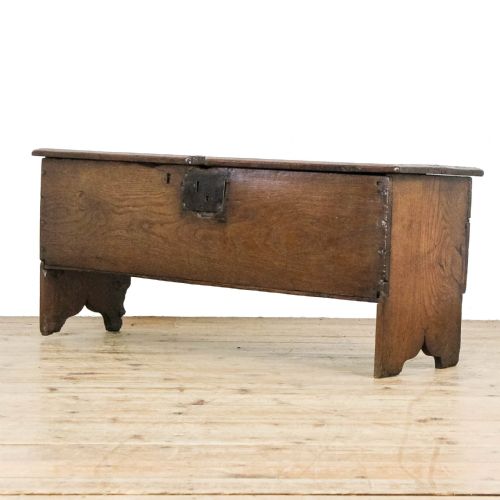


Traditional Iron Bound Chest
A traditional iron bound chest offers rugged utility and enduring character, forged from sturdy wood and secured with heavy metal work for practical storage.
Traditional Iron Bound Chest
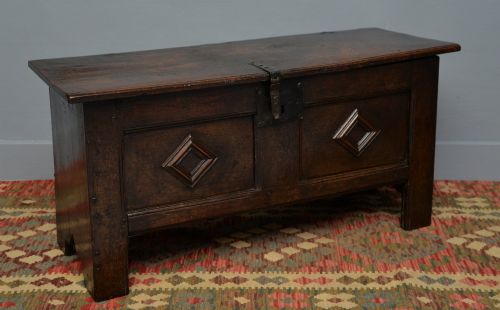
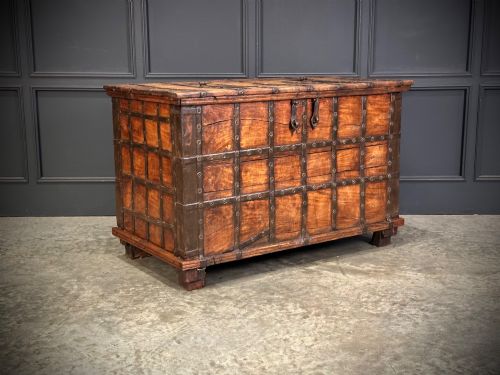
A traditional iron bound chest combines robust timber construction with visible metal reinforcement, creating a resilient storage solution built to withstand heavy use. These pieces range from rustic pine trunks to oak sword chests and travel carriers.
The selections on this page feature examples spanning from the seventeenth century through to the Edwardian period, with nineteenth century items appearing frequently. Origins stretch across British, Scandinavian, Indian, and Japanese traditions.
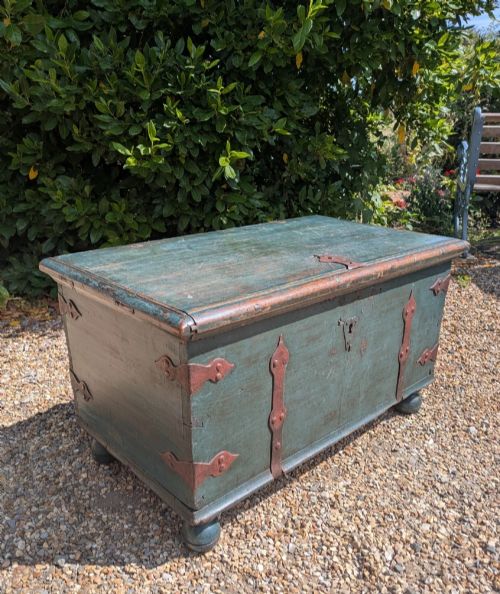
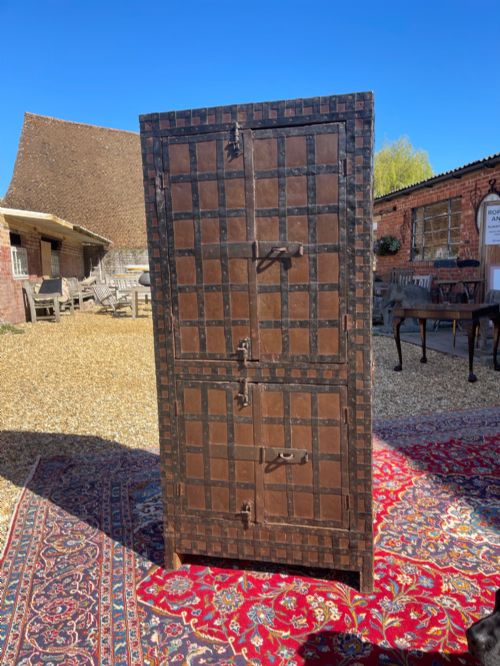
Forms vary from blanket boxes and sword chests to travel trunks and tansu cabinets, often displaying painted finishes alongside natural wood grains. Each piece serves as both a practical container and a striking focal point in a room.
How They Were Made
Constructed primarily from pine, oak, teak, and cedar, these containers rely on solid timber joints to support heavy contents. Metal elements such as iron and wrought iron are utilised for strapwork, bands, and protective corners.
Blacksmiths hand forged the iron straps and hinges, fastening them directly to the wooden bodies with iron nails or rivets. Surfaces were often left natural, waxed, or finished with decorative paintwork depending on regional folk art traditions.
Traditional Iron Bound Chest Retail Price Guide 2026
Typical asking prices for traditional iron bound chest among the pieces listed under this phrase on Sellingantiques today, from the lower quarter to the upper quarter. They describe what is for sale here now, not the wider market.
One travel trunk bears the literal stamp of H D Dean, ensuring posterity knows precisely whose hands packed for the journey.
What Varies in Quality
The integrity of the timber frame and the completeness of the original metal hardware dictate the standing of each piece. Superior examples retain their hand forged iron strapwork and hinges intact without replacement parts.
Depth of character shows in the preservation of original painted surfaces and natural patina accumulated through decades of use. Skill in the joinery and the complexity of the metal bracing separate utilitarian boxes from finer regional artefacts.
The Traditional Iron Bound Chest Glossary
- Strapwork
- Flat strips of iron or metal fastened across the exterior of a chest to reinforce the wooden structure. This technique provides both physical strength and decorative contrast against the timber.
- Tansu
- A traditional Japanese mobile storage chest constructed from woods like cedar. These pieces often feature specialised internal compartments and elaborate metal mountings.
- Coffers
- A heavy wooden box traditionally used for safekeeping valuables and documents. They typically feature solid lids and robust locking mechanisms.
- Folk Art
- Objects created within a specific cultural tradition using local materials and vernacular techniques. Painted Swedish boxes fall squarely into this expressive decorative category.
- Hand Forged
- Metalwork shaped manually by a blacksmith using heat and hammering techniques. This process leaves subtle tool marks that distinguish bespoke hardware from mass produced iron.
Traditional Iron Bound Chest: Frequently Asked Questions
What were traditional iron bound chests used for?
These chests served primarily for secure storage and transport of personal belongings, valuables, weapons, or household provisions. Their sturdy construction protected contents from dampness, pests, and the hazards of travel.
Over time, many transitioned from utilitarian cargo containers to decorative furniture pieces used for holding blankets, linens, or daily clutter within the home.
How do I clean a painted wooden chest?
Maintenance requires gentle dusting with a soft, dry cloth to remove surface particles without disturbing fragile paintwork or dry wooden surfaces. Avoid harsh chemical cleaners, modern detergents, or excessive moisture that can strip historic finishes.
Applying a microcrystalline wax can protect exposed unpainted timber, but painted surfaces generally need only careful, minimal intervention to preserve their patina.
Can I use an iron bound chest as a coffee table?
Many sturdy trunks and blanket boxes possess flat tops that make them suitable surface alternatives for living spaces. Their internal storage capacity provides a practical hidden space for magazines, blankets, or remote controls.
Ensure the lid is stable and level before placing items on top, and protect the wood from direct heat or moisture rings.