



Traditional Horse Hunting Artwork
Traditional horse hunting artwork captures the energy of the field through oils, watercolours and prints spanning the nineteenth and twentieth centuries.
Traditional Horse Hunting Artwork
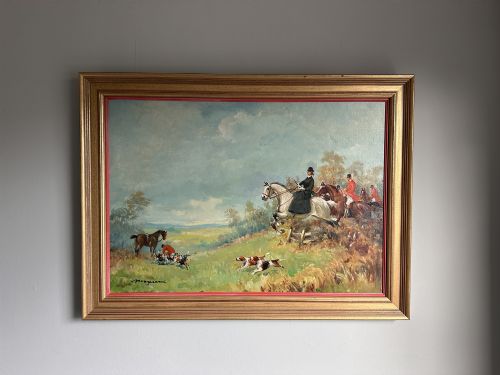
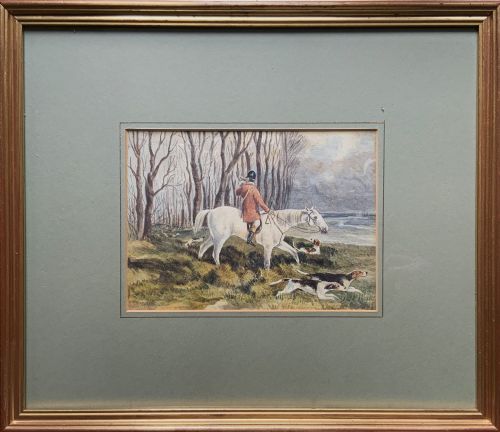
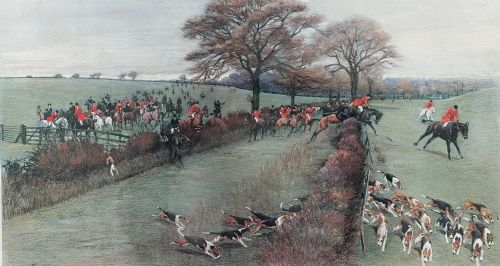
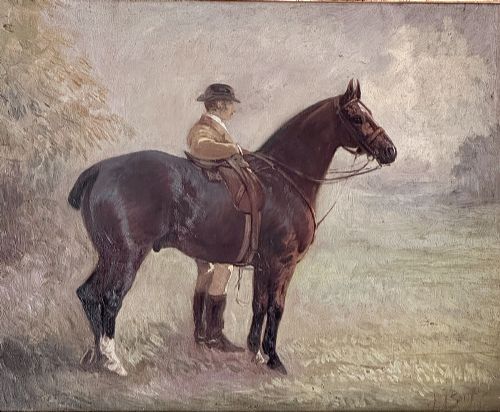
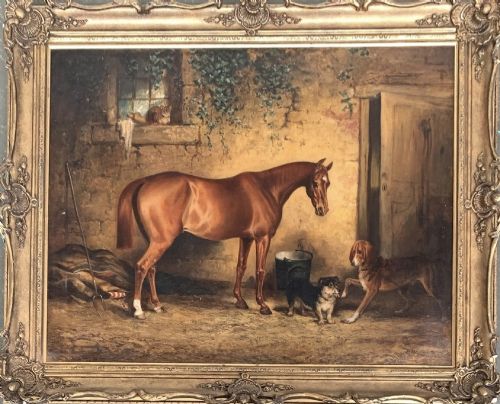
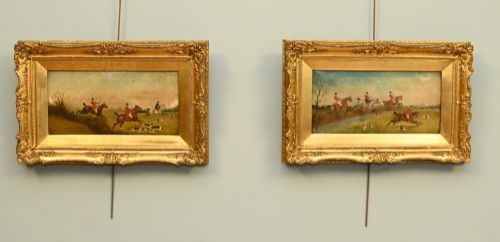
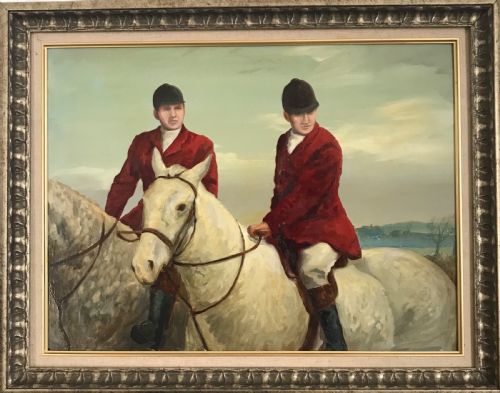
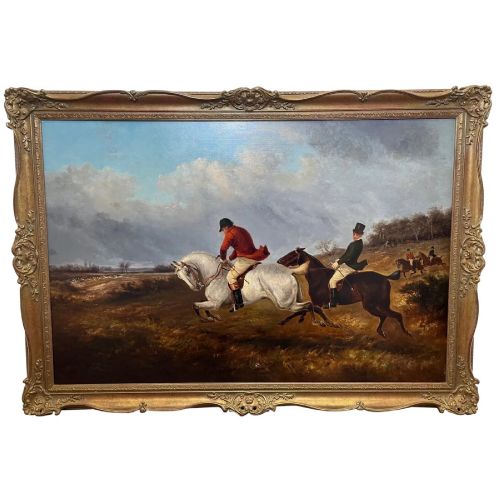
Traditional horse hunting artwork encompasses oil paintings, watercolours, drawings and prints depicting equestrian scenes, hounds and riders in the British countryside. These pieces record historical meets, dramatic gallops and pastoral hunts from the nineteenth and twentieth centuries.
The most common examples on this page are oil paintings on canvas and framed prints from the Victorian era. Works range from intimate watercolours to large compositions housed in gilt wood frames.
Evaluating Quality
Quality rests upon the artist's ability to render the anatomy of horses and hounds with anatomical accuracy and dynamic movement. Superior works capture the atmosphere of the hunt and the individual character of both riders and animals.
The finesse of the brushwork and the condition of the original canvas or paper support distinguish finer examples from standard decorative prints.
Traditional Horse Hunting Artwork Retail Price Guide 2026
Typical asking prices for traditional horse hunting artwork among the pieces listed under this phrase on Sellingantiques today, from the lower quarter to the upper quarter. They describe what is for sale here now, not the wider market.
Materials recorded across these listings include paper, wood, oil on canvas, glass, gilt wood, oil paint and watercolour.
Thomas Smythe·Basil Nightingale·Philip Henry Rideout·Michael Lyne·Charles Faulkner·John Frederick Herring Jnr·John Sanderson-Wells·Charles Clifford Turner·Heywood Hardy·Charles Johnson Payne Snaffles·Guillaume Urban Régamey·George Goodwin Kilburne·Edward B Herberte·Wilfred Bailey
The Traditional Horse Hunting Artwork Glossary
- Aquatint
- An intaglio printmaking technique that produces areas of tone resembling watercolour washes. It was often employed for nineteenth-century sporting prints.
- Chromolithograph
- A colour lithographic technique used to produce multi-coloured prints. This method allowed affordable reproduction of detailed paintings.
- Gilt Wood
- Wood that has been treated with gold leaf or gilt paint. Frames of this material frequently accompany nineteenth-century oil paintings.
- Full Cry
- A hunting term describing hounds in active pursuit of the quarry with vocal cries. It denotes the most energetic moment of the chase in visual art.
Traditional Horse Hunting Artwork: Frequently Asked Questions
What periods do these artworks come from?
The pieces span the nineteenth and twentieth centuries, with significant representation from the Victorian and Edwardian eras. Dates range from early nineteenth-century canvases to mid-twentieth-century watercolours and prints.
Most items align with traditional British sporting art movements of the eighteen-hundreds and nineteen-hundreds.
Are these items original paintings or prints?
The selection includes both original works and prints. You will find unique oil paintings on canvas, original watercolours and pencil drawings alongside period engravings and lithographs.
Each listing specifies the medium, distinguishing hand-painted oils from antique prints and photographs.
What subjects are depicted in the scenes?
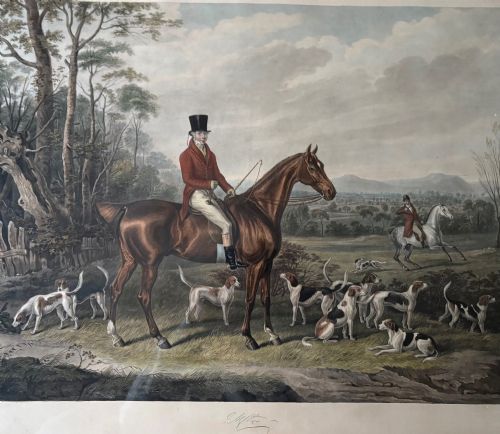
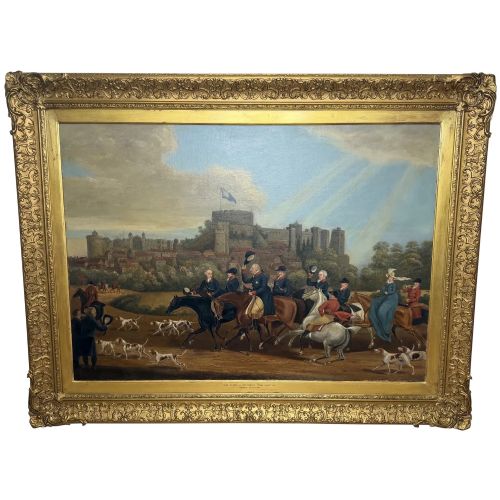
The artworks depict various aspects of equestrian sport, including mounted riders, packs of hounds, meets, and galloping hunts across countryside landscapes. Specific scenes record historical hunts such as the Berkeley Hunt.
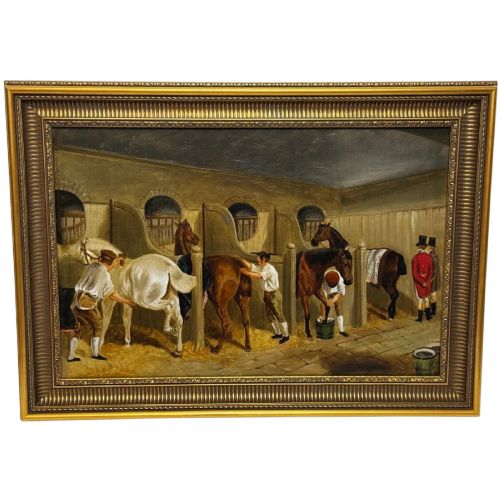
Compositions range from quiet portraits of hunters in stables to high-energy pursuits in full cry.