
Canvas Equestrian Wall Art
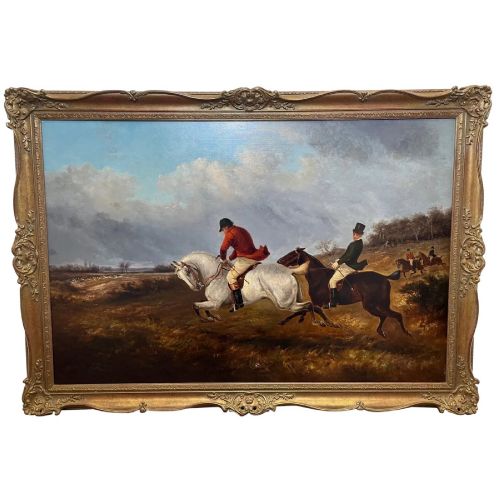
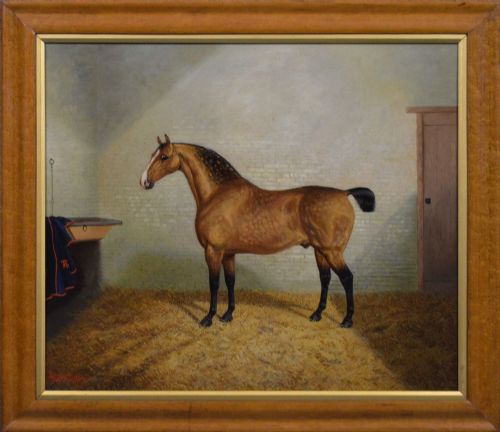
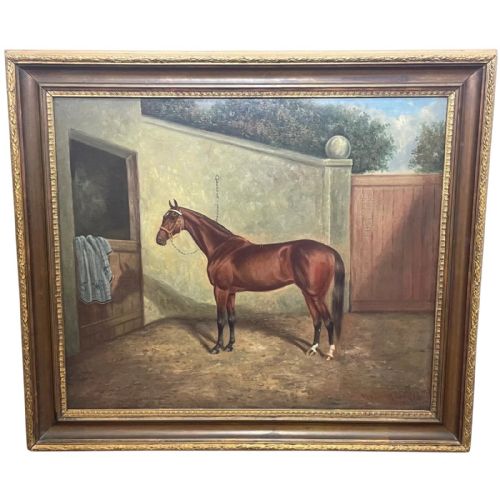
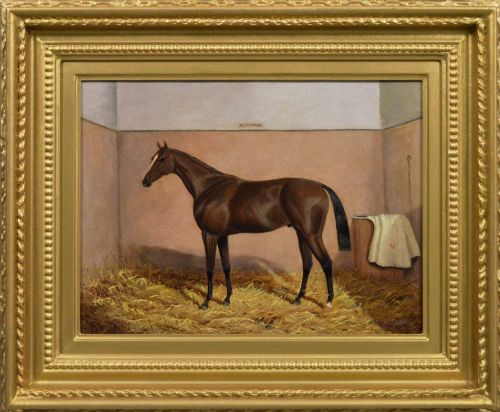
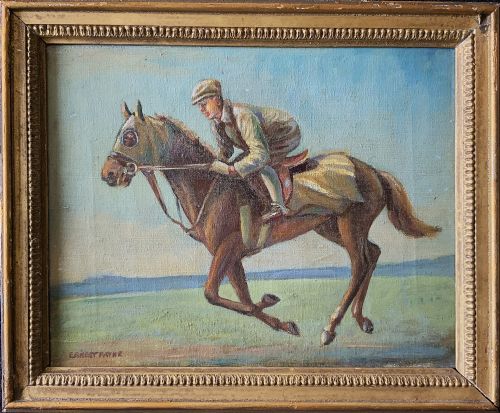
Canvas equestrian wall art brings the energy of the nineteenth-century stable and the racecourse directly into your living space through period oil paintings.
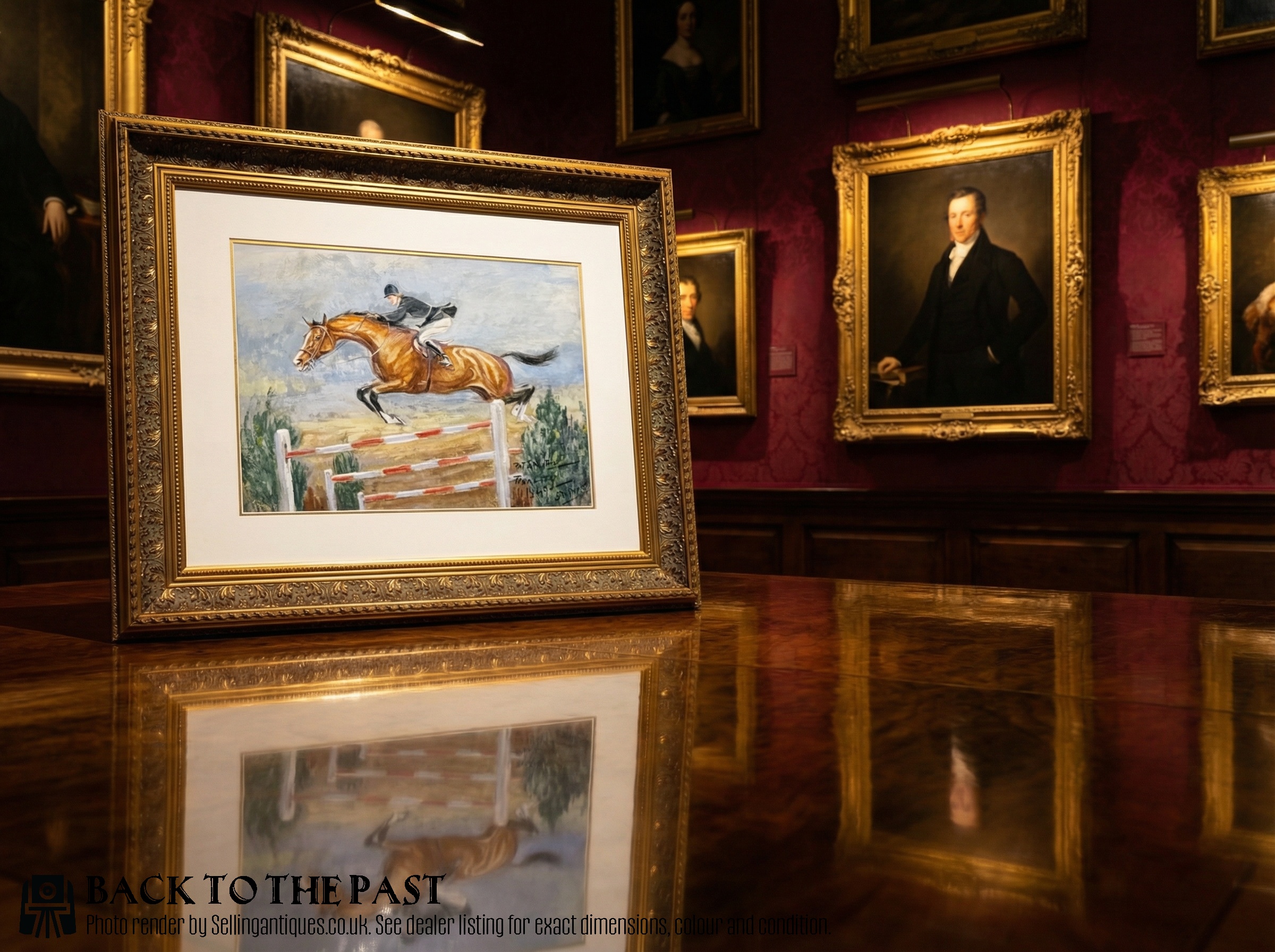
Canvas Equestrian Wall Art
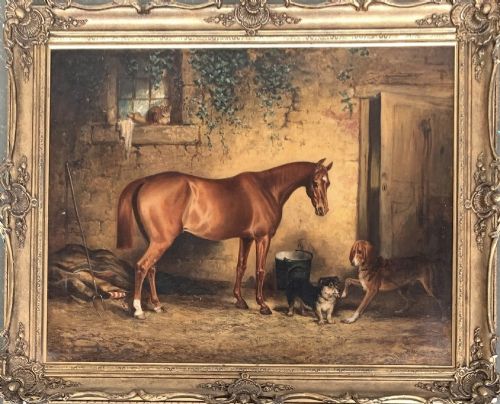
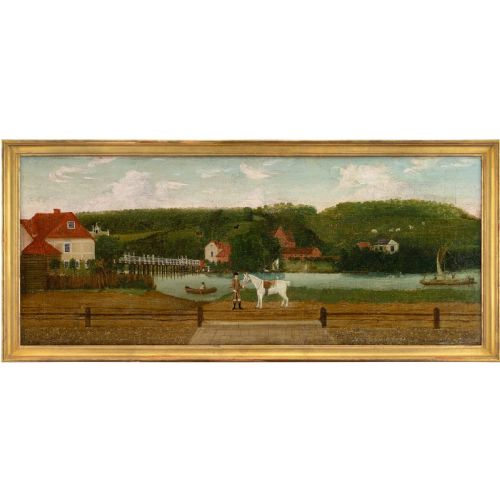
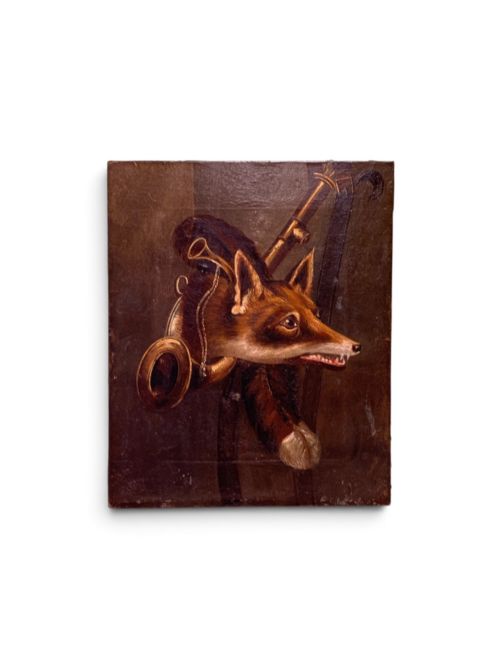
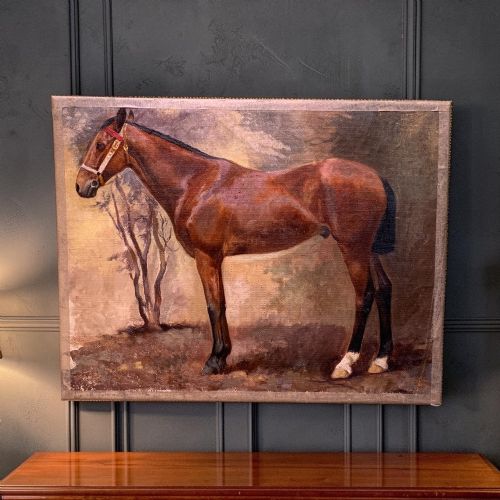
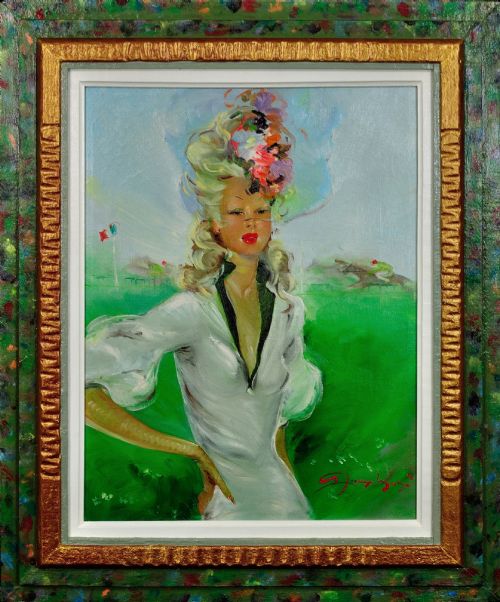
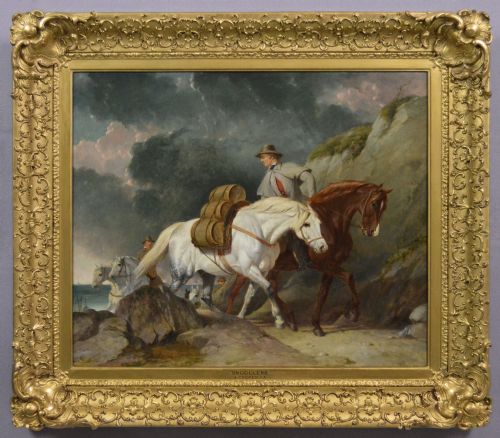
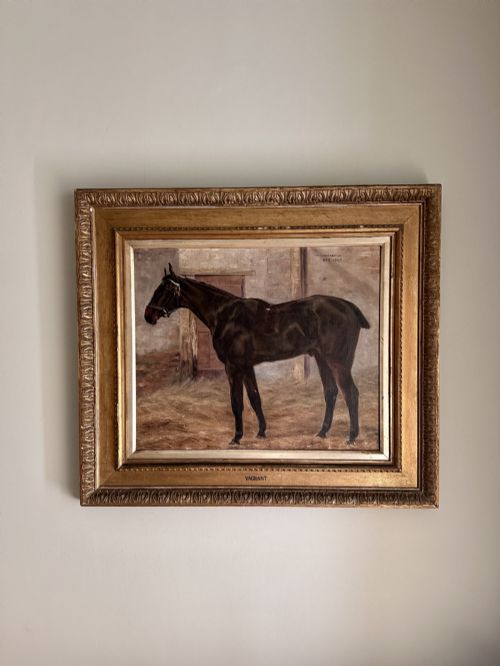
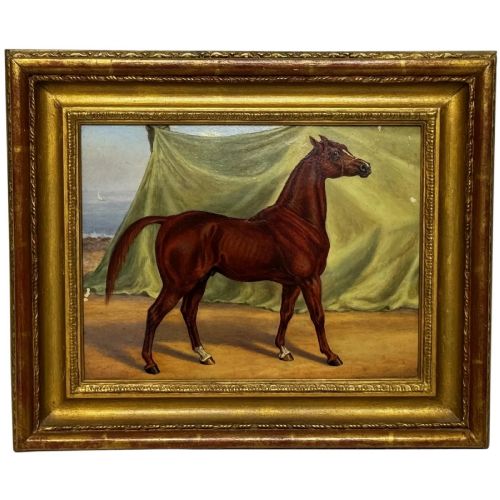
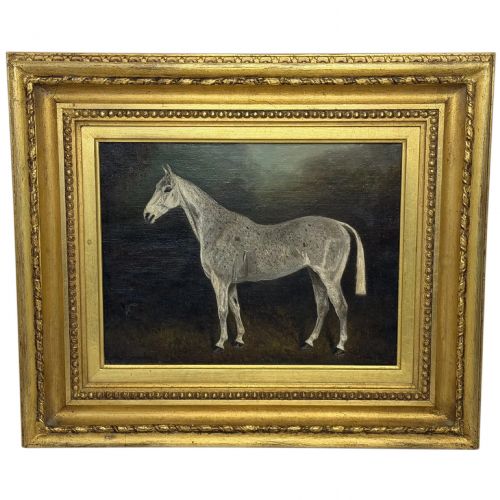
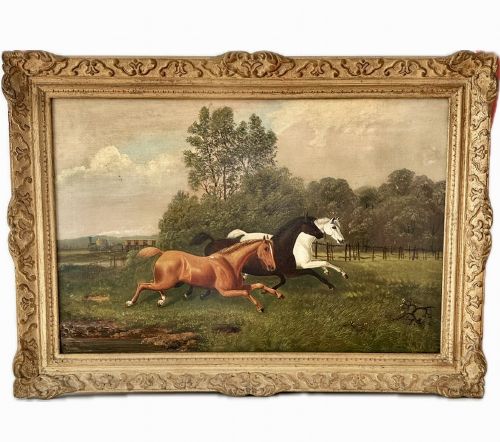
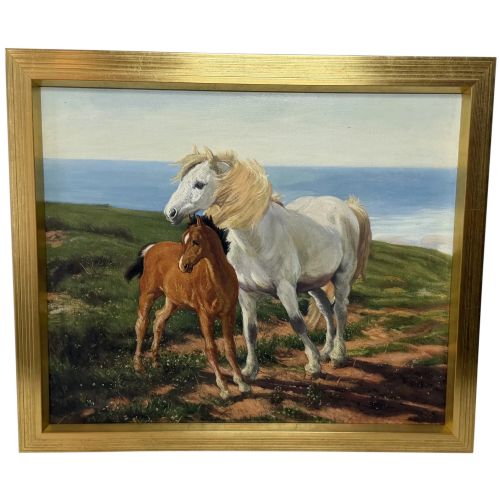
Canvas equestrian wall art encompasses traditional oil paintings depicting horses, riders, hounds, and sporting scenes spanning the Georgian, Victorian, and mid-century periods. You will encounter individual portraits of named racehorses alongside broader hunting landscapes and rural working scenes.
The works originate from British and European schools, recording specific animals, historic race winners, and rural estates. These paintings document the central role of the horse in nineteenth and twentieth-century social life through direct observation.
Pieces range from intimate studies of stable interiors to large framed canvases designed for country houses. The selection relies heavily on nineteenth-century oil paintings, complemented by early twentieth-century examples.
Materials and technique
These works are executed in oil paint applied to woven canvas supports, utilising the rich pigment depth and blending capabilities characteristic of traditional fine art painting. Artists built up subjects through layered glazes and opaque applications to capture the musculature of horses and the texture of coats.
Many paintings retain their original or period wooden frames, often finished in giltwood that enhances the warm tones of the oil palette. The combination of stretched canvas and heavy timber framing ensures structural stability across centuries.
Listings feature oil paintings on canvas spanning from the early nineteenth century through to the mid-twentieth century.
Distinctions in quality
Quality rests upon the artist's anatomical accuracy in rendering the horse and the convincing integration of the animal within its landscape or stable setting. Superior examples capture individual temperament and movement rather than relying on generic equine formulas.
The handling of light, brushwork finesse, and the preservation of the original paint surface determine the standing of a piece within the field. Provenance linking a work to known estates or documented race winners adds distinct historical weight.
Henry Barraud·Thomas Smythe·Albert Clark·Abraham Cooper·John Ferneley Senior
The Canvas Equestrian Wall Art Glossary
- Oil on Canvas
- A traditional painting technique where pigments bound in drying oil are applied to a stretched cloth support. This combination allows for subtle tonal gradations and long-term durability.
- Giltwood
- Timber, such as pine or oak, that has been decorated with a thin layer of gold leaf or metal powder. It provides a reflective, ornate border common in period frames.
- Equine Portrait
- A specialised painting genre dedicated to recording the likeness and physical attributes of a specific horse. These works often include the animal's name or racing achievements.
- Sporting Art
- Genre painting that depicts rural sports, hunting, racing, and animals associated with field sports. This tradition flourished in Britain throughout the eighteenth and nineteenth centuries.
Canvas Equestrian Wall Art: Frequently Asked Questions
How do I hang a heavy framed canvas?
Heavy oil paintings require secure picture hooks fixed directly into wall studs or heavy-duty wall anchors designed for the weight of the timber frame. Ensure the hanging wire and D-rings on the reverse are rated to support the entire load.
Position the centre of the canvas at approximate eye level to maintain correct visual balance within the room.
Where should I place equestrian art?
These paintings suit libraries, studies, and hallways where traditional furnishings complement the rich oil pigments and gilt frames. Avoid placing them in areas subject to high humidity or direct sunlight, which can damage the canvas and paint layers.
Stable temperatures help prevent the canvas and wooden stretcher from expanding and contracting.
How can I date an equestrian painting?
Dating relies on stylistic clues, clothing styles of any figures depicted, stretcher construction, and signatures or inscriptions on the reverse of the canvas. Nineteenth-century works often feature distinct canvas stamps from artists' colourmen.
Historical records of named racehorses or estates can also narrow down the year of execution.