


Framed Sporting Horse Print
These framed sporting horse print examples capture the thunder of the hunt and the turf across centuries of equine art.
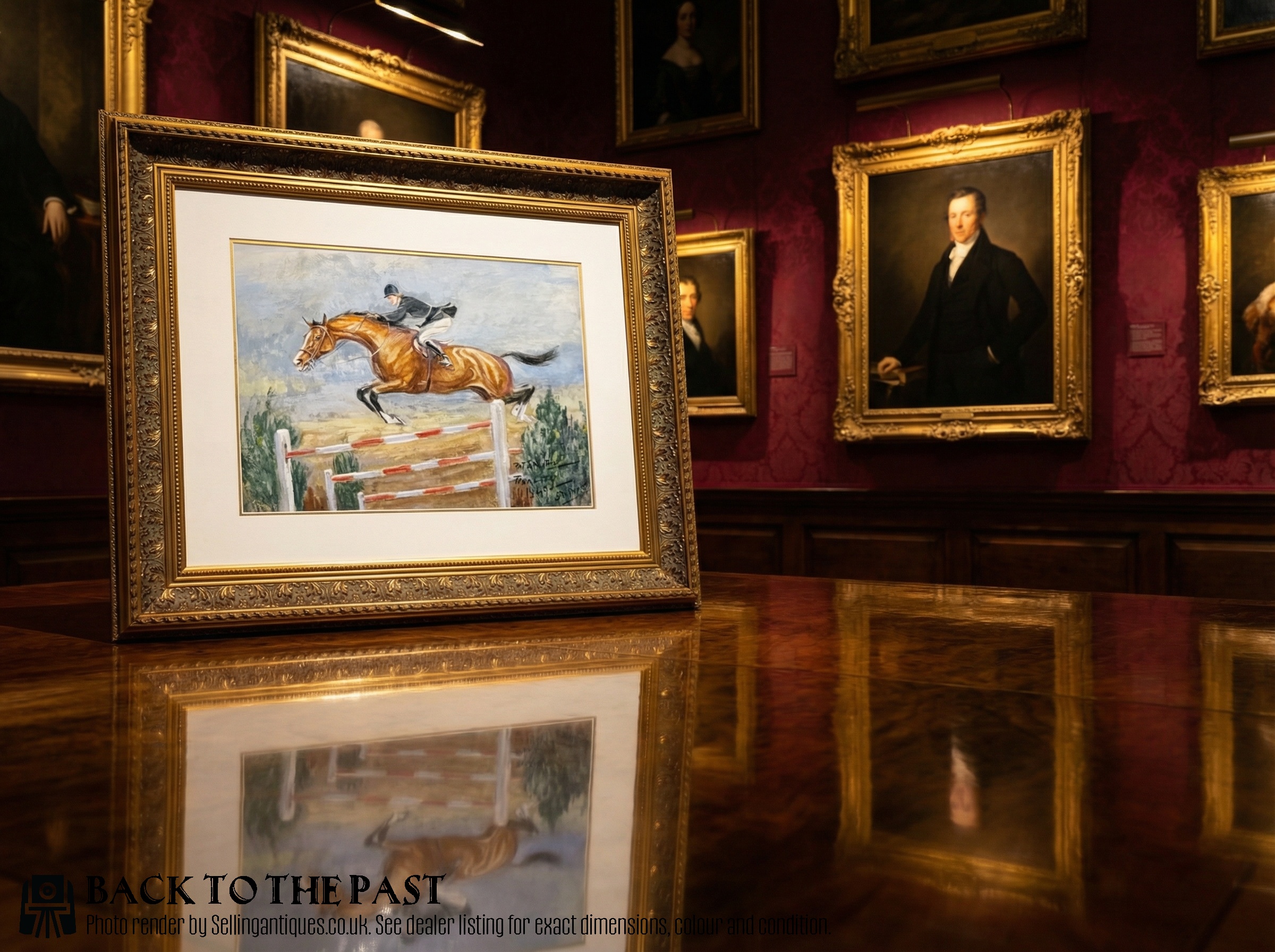
Framed Sporting Horse Print
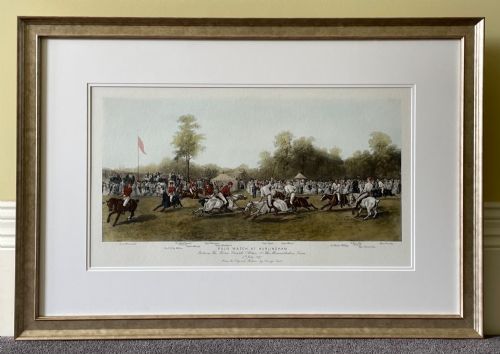
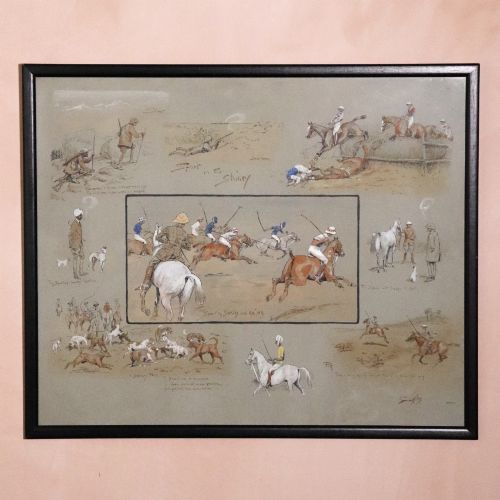
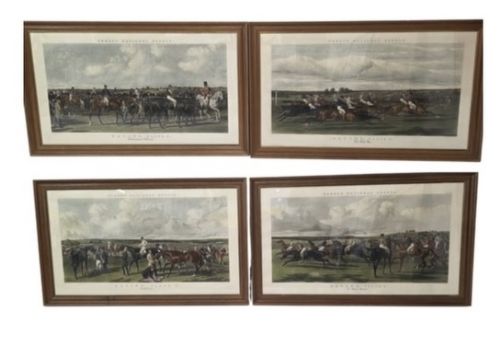
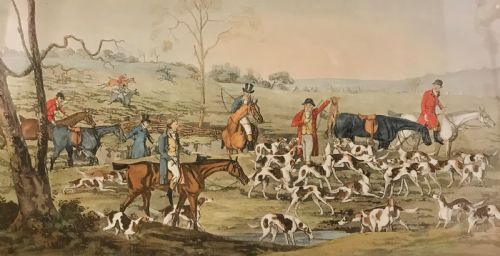
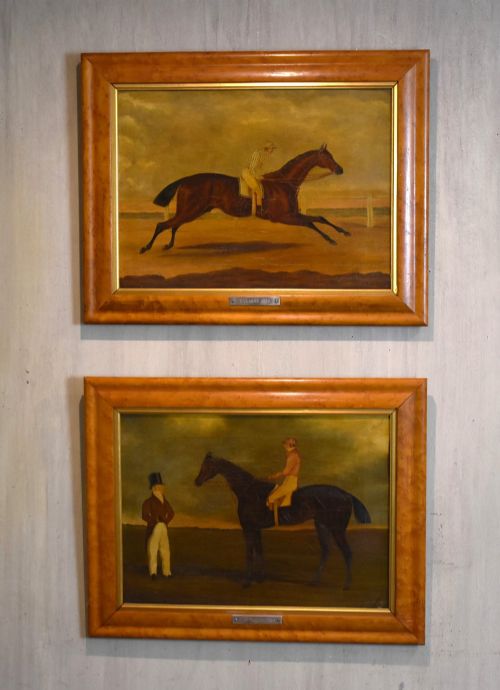
A framed sporting horse print encompasses historical depictions of racing, hunting, and polo housed behind protective glass within traditional frames. Buyers find diverse iterations ranging from early nineteenth century hand coloured engravings to mid twentieth century chromolithographs and original watercolours.
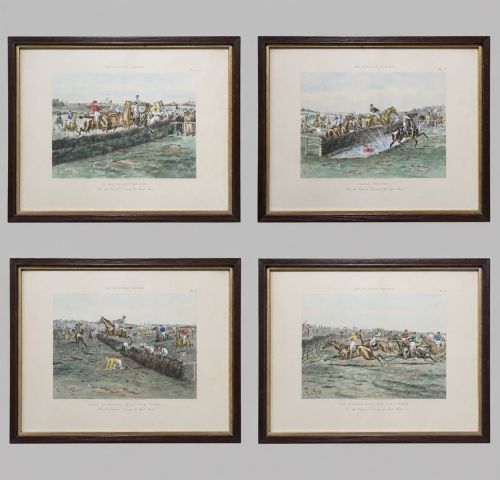
The selection frequently includes works after established artists like Henry Alken and John Frederick Herring Snr, alongside military and steeplechase subjects. Victorian and Edwardian examples dominate the selection, often presenting subjects in matched sets or singular portrait formats.
How they were made
Techniques span hand coloured engravings, aquatints, and lithographs printed on quality paper using traditional ink methods. Many plates receive careful watercolour washes applied by hand after the initial printing process.
The resulting artworks are secured within timber housings, frequently incorporating gilt wood mouldings and eglomise glass borders to complement the aesthetic of the period.
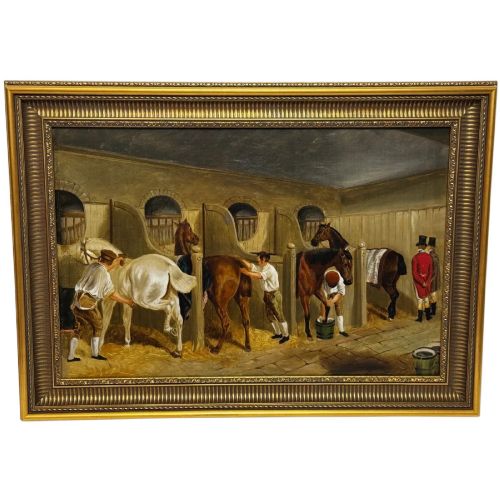
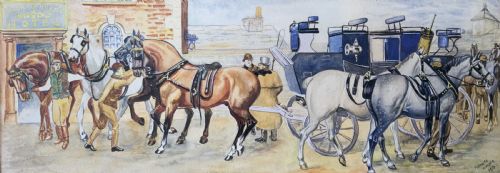
The listings feature works executed across paper, canvas, and glass, utilising ink, watercolour, and oil.
What varies in quality
Visual strength depends upon the clarity of the printed line and the vibrancy of any hand applied pigments. Impressions pulled early from the printing plate retain sharper details than later or worn editions.
The preservation of the paper support and the integrity of the original framing elements influence the overall presentation. Complete sets matched in tone and mounting hold distinct appeal compared to disparate assembled groups.
George Finch Mason·John Frederick Herring Snr·John Rattenbury Skeaping·Anne Goldthwaite·Abraham Cooper·Charles Faulkner·Alfred Wheeler·John Atkinson·Isaac Cullin·Charles Johnson Payne Snaffles
The Framed Sporting Horse Print Glossary
- Aquatint
- An intaglio printmaking technique that produces tonal areas resembling watercolour washes. It achieves subtle gradations of light and shade behind the etched lines.
- Chromolithography
- A planographic colour printing process utilising multiple limestone blocks. Each stone applies a different ink hue to build a dense chromatic image.
- Engraving
- A method of cutting design lines directly into a metal plate with a burin. The recessed grooves hold ink to transfer sharp details onto paper.
- Lithography
- A printing technique based on the mutual repulsion of oil and water. Artists draw upon stone surfaces to produce fluid pictorial reproductions.
- Eglomise
- A process of applying cold gilding and painting to the reverse face of glass panels. It creates a reflective, decorative border around the central image.
Framed Sporting Horse Print: Frequently Asked Questions
What periods do these prints cover?
The available selection spans from the eighteenth century through the Georgian, Victorian, and Edwardian eras into the mid twentieth century. Most pieces originate from the nineteenth and early twentieth centuries.
Production methods shifted over these decades from hand coloured copperplate engravings to mass lithographic publishing. Each era brought distinct printing technologies and framing fashions to sporting imagery.
How should I hang them at home?
Consider grouping matched sets in symmetrical arrangements along hallways, studies, or dining rooms. Single larger oils and watercolours command attention when centered on independent wall spaces.
Keep frames away from direct sunlight to protect vulnerable paper supports and watercolours from fading. Stable room humidity prevents timber frames and mounting boards from warping.
Are these works original prints?
Many examples are period printed impressions created during the lifetime of the artist or shortly thereafter. Some pieces represent original watercolours and oil paintings rather than multiples.
Catalogues distinguish between original prints pulled from plates, hand painted watercolours, and later reproductive editions. Inspecting the paper texture and ink application reveals the method of production.
How do I identify a Victorian hunting print?
Victorian examples often depict fox hunting sequences, steeplechases, or coaching meets with detailed narrative captions. The paper typically displays age toning consistent with nineteenth century manufacture.
Publishing details printed beneath the image area frequently record the original release date and publisher. Stylistic markers include traditional scarlet coats and rural British landscapes.