
Framed Equestrian Painting
Framed equestrian painting captures the enduring power of horses and the precision of sporting art through centuries of brushwork.
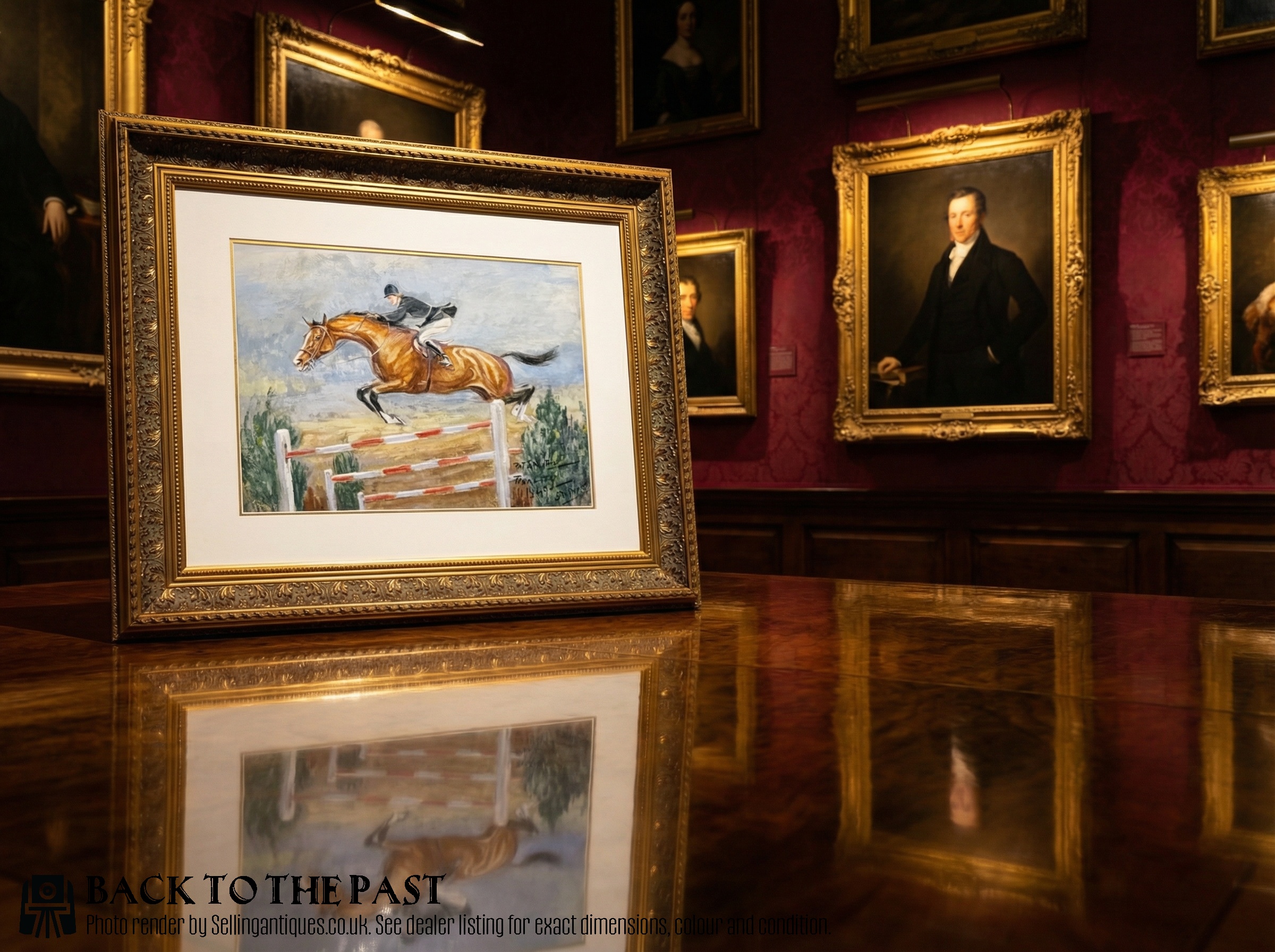
Framed Equestrian Painting
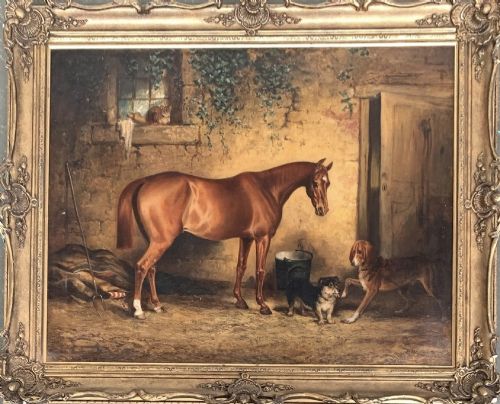
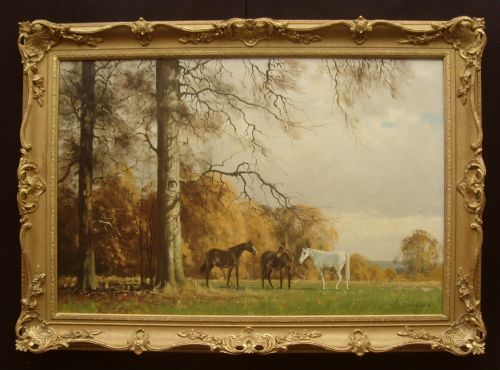
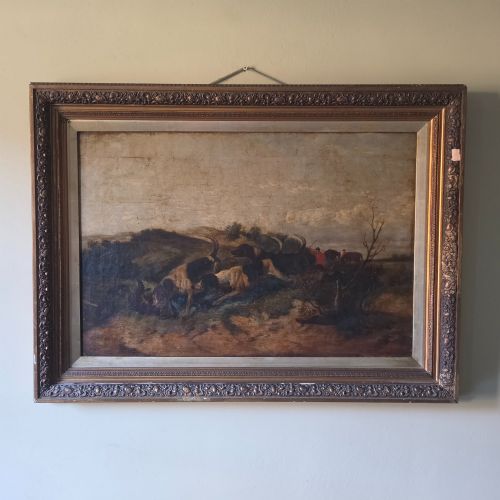
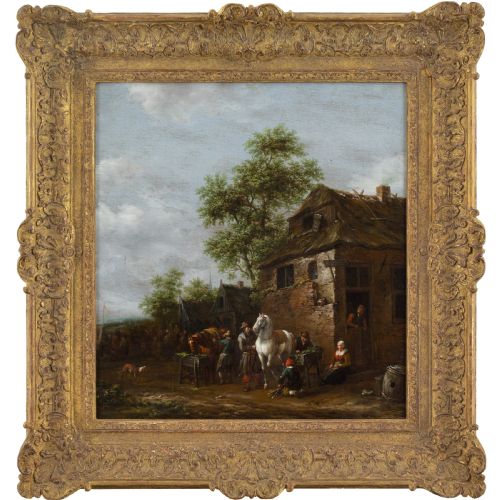
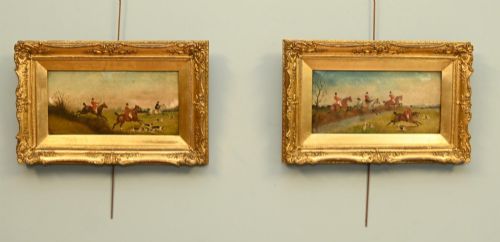
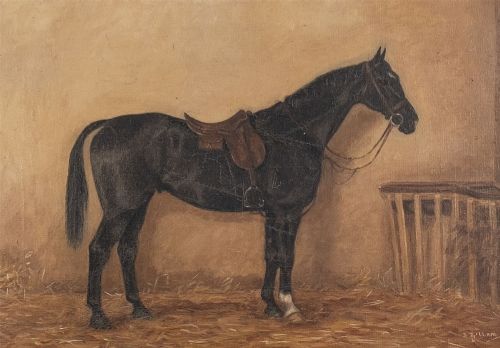
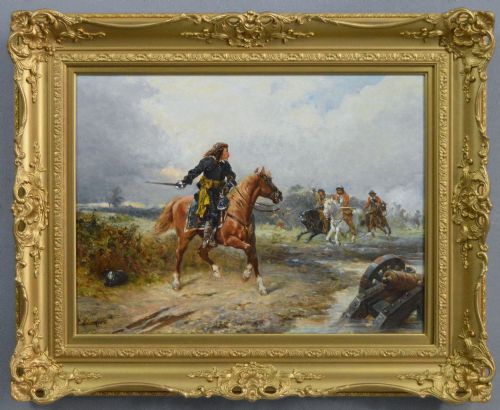
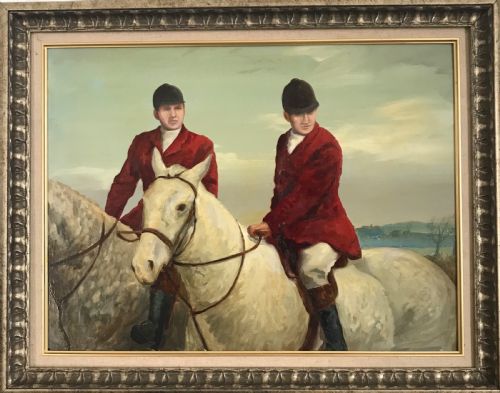
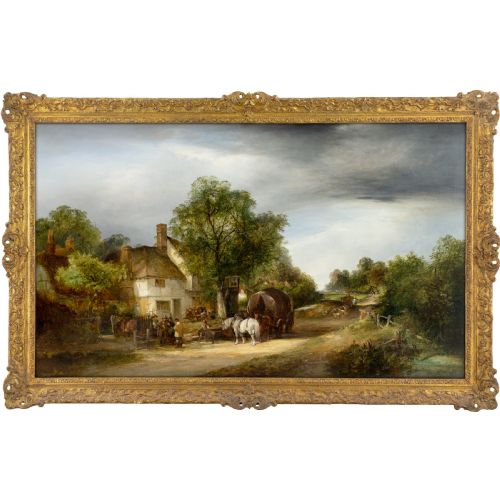
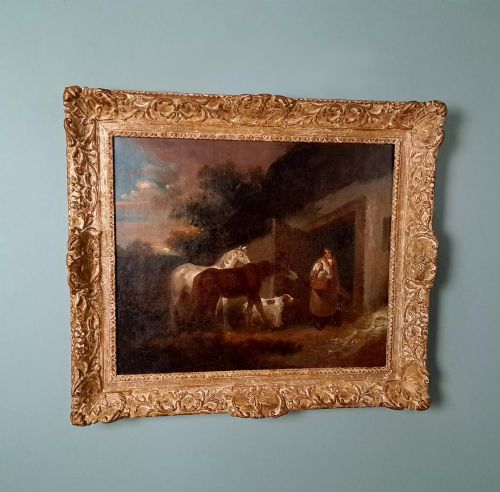
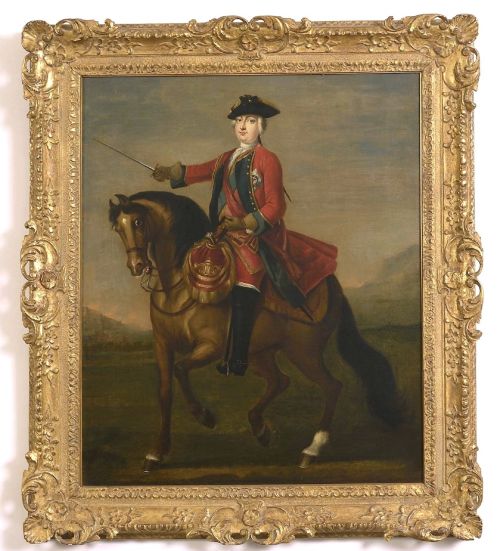
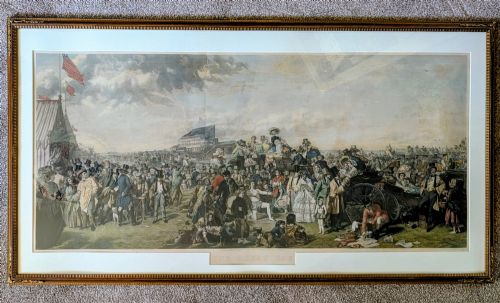
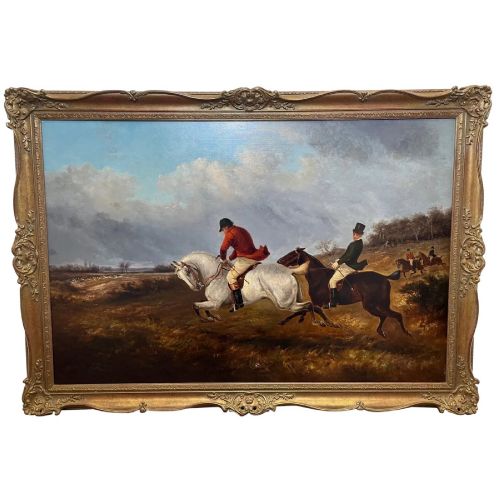
A framed equestrian painting brings together the subjects of horses, racing, and hunting within traditional wall art formats. You are looking at works that span from early Georgian studies to mid-century compositions.
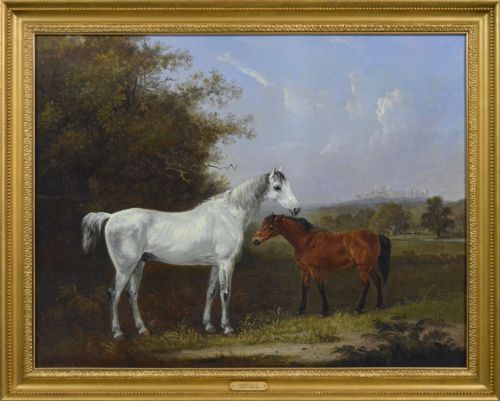
The most common pieces on this page are oil paintings on canvas set within decorative frames, alongside watercolours and pastels on paper.
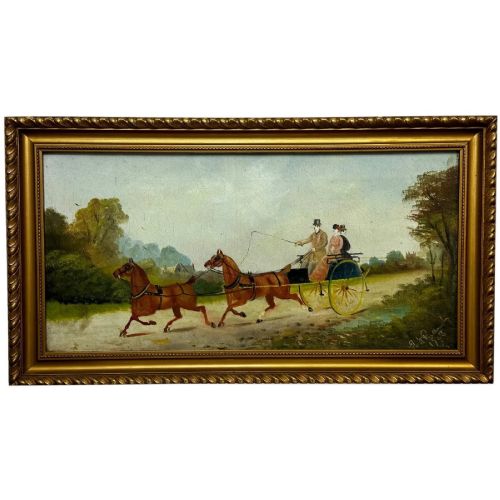
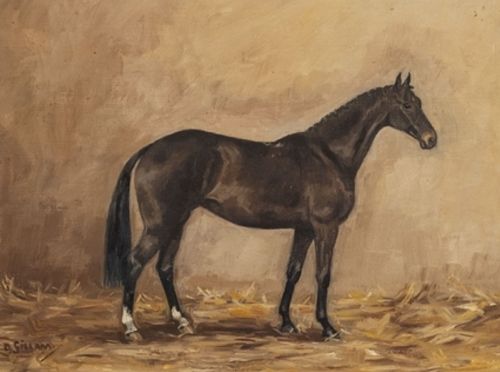
These works record specific animals like named racehorses and hunters, as well as broader sporting scenes involving riders, coaches, and hounds.
Materials and Construction
Painters applied oil paint directly onto stretched canvas or wooden panels, utilising rich pigments to render the muscular form and coat of the horse. Watercolours and pastels on paper offer a lighter alternative, often preserved beneath protective glass.
Frames play a structural and aesthetic role, constructed primarily from wood and finished with giltwood or simple oak moulding to suit the period of the artwork.
Several horses depicted here outran their contemporaries to win prestigious races, ensuring their portraits survive centuries later.
Assessing Quality and Hand
Quality rests in the anatomical accuracy of the horse and the ability of the painter to convey movement, weight, and light across the animal's hide. Stronger works demonstrate a deep understanding of equine anatomy rather than a stiff, formulaic rendering.
The handling of the background - whether a detailed stable interior, a sweeping landscape, or a bustling racecourse - also separates routine depictions from masterworks by established sporting artists.
William Joseph Shayer Senior·Thomas Smythe·Albert Clark·Frederick Albert Clark·Henry Barraud·Fred Fitzpatrick·Ernest Payne·Edward Priestley·Thomas Walker Bretland·Philip Rideout
The Framed Equestrian Painting Glossary
- Equestrian art
- Depictions of horses as the primary subject, encompassing racing, hunting, portraits, and working animals.
- Giltwood
- Wood carved and coated with a thin layer of gold leaf, commonly used on traditional picture frames.
- Oil on canvas
- Pigment mixed with drying oil applied to a woven fabric support, standard for fine art portraits.
- Sporting art
- A genre dedicated to depicting bloodsports, racing, and rural pastimes, particularly popular in British painting.
Framed Equestrian Painting: Frequently Asked Questions
How do I date an equestrian painting?
Dating relies on stylistic clues in the brushwork, the clothing and hats of any riders, and the framing materials used.
Signatures, stretcher construction, and inscriptions on the reverse of the canvas often provide further confirmation.
Where should I hang a framed horse painting?
These works suit traditional reception rooms, studies, or hallways where lighting can be controlled to prevent glare on the canvas or glass.
Keep them away from direct sunlight and excessive moisture to protect the oil paint and paper supports.
What is the difference between an oil and a watercolour?
Oils use pigment suspended in drying oil on canvas or panel, offering deep colours and a textured surface that withstands ageing well.
Watercolours use water-soluble pigments on paper, creating a translucent finish that requires framing under glass for protection.
Are these paintings always signed by the artist?
Many works bear visible signatures, monograms, or contemporary inscriptions on the front or back identifying the painter and the subject.
Unsigned pieces remain common, requiring attribution based on technique, palette, and stylistic comparison to known hands.