
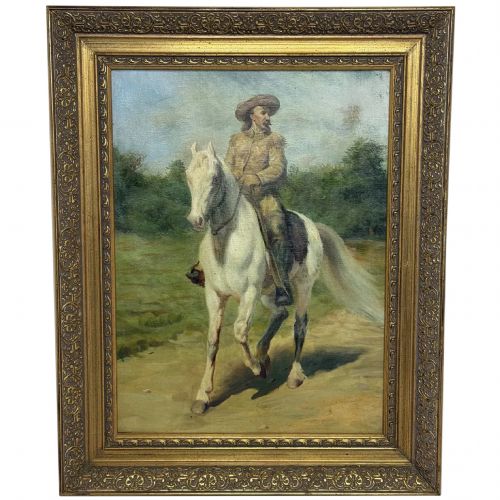


Mid Century Equestrian Artwork
Mid century equestrian artwork captures the dynamic energy of horses, racing, and riding through paintings and drawings.
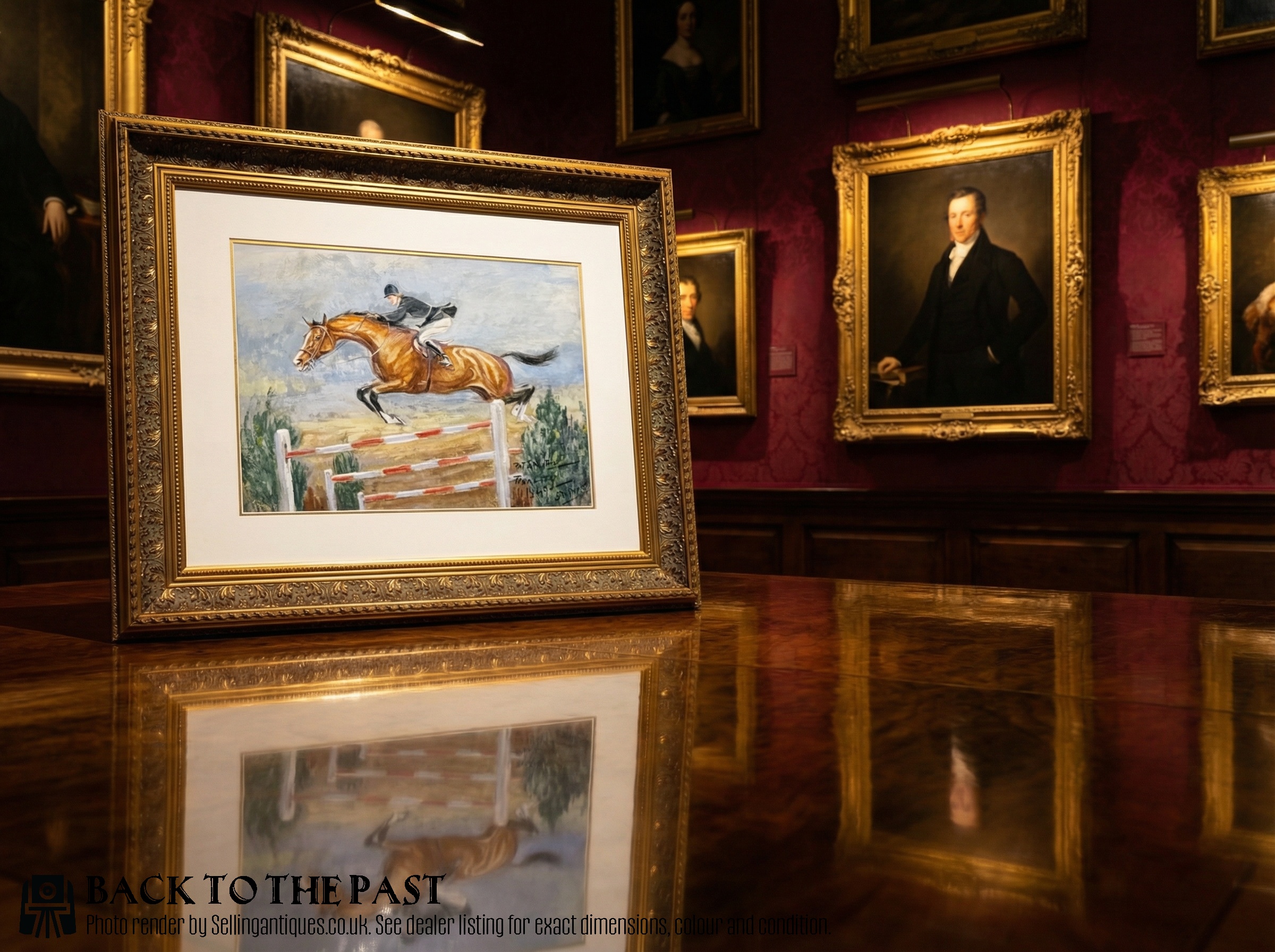
Mid Century Equestrian Artwork
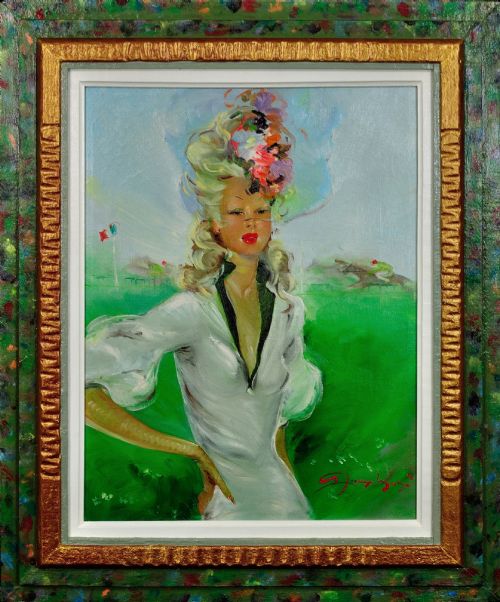
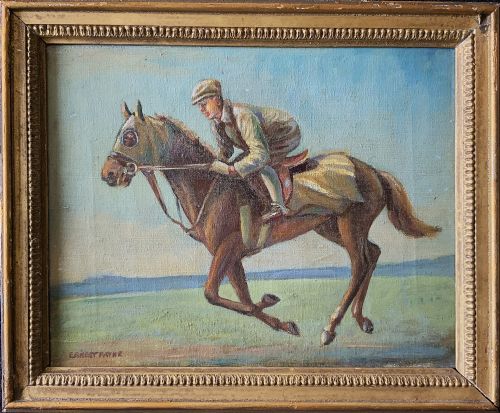
Mid century equestrian artwork encompasses oil paintings, watercolours, and drawings focusing on horses, racing scenes, and riding subjects. These pieces range from British sporting art to French expressionist racing views and mid-century western subjects.
Buyers will encounter framed oil paintings on canvas alongside pastel drawings on coloured paper and pencil sketches. Subjects vary from racehorses and jockeys to showjumpers, ponies, and hunting scenes with foxhounds.
How they were made
Artists worked primarily in oil paint on canvas or wood panels, alongside watercolours, gouache, and pastel on paper. Many pieces are framed, utilising glass to protect works on paper.
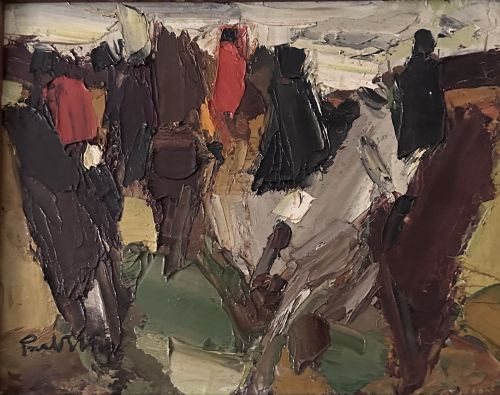
Techniques range from detailed equestrian realism to dynamic expressionism, capturing movement through confident brushwork and chalk lines.
Listings span periods from the nineteenth century through the 1930s, 1940s, 1950s, and 1960s, utilising oil paint, canvas, paper, and wood.
What varies in quality
Quality rests upon the artist's ability to render the anatomy and motion of the horse convincingly. Works by established named painters demonstrate superior draughtsmanship compared to anonymous studies.
The choice of medium and the preservation of the canvas, paper, and original frame influence the overall distinction of each piece.
Ernest Payne·John Rattenbury Skeaping·Harry Freckleton·Hazel M Barnett·Gabriel Dauchot·Michael Lyne·Tom Carr·Molly Maurice Latham
The Mid Century Equestrian Artwork Glossary
- Oil painting
- A painting executed in pigments bound in a drying oil, commonly applied to canvas or wood.
- Watercolour
- A painting method where the paints are made of pigments suspended in a water-based solution, typically worked on paper.
- Gouache
- A water-based paint consisting of pigment and other inert material designed to be opaque.
- Expressionism
- A modernist style where the artist depicts subjective emotions and dynamic energy rather than strict photographic realism.
Mid Century Equestrian Artwork: Frequently Asked Questions
What subjects appear in mid century equestrian artwork?
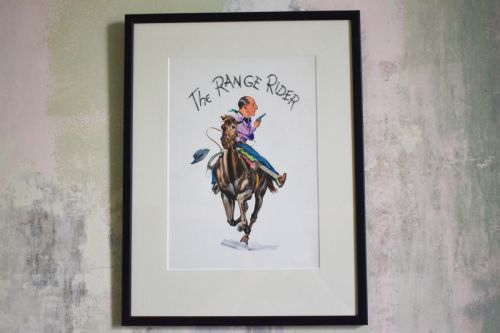
These works feature racehorses, jockeys, showjumpers, hunting scenes with foxhounds, and rodeo riders. Portraits of specific horses and ponies also appear frequently.
Scenes range from French racecourses to Welsh pastures and American western subjects.
Which materials are common in these pieces?
Artists utilised oil paint on canvas and wood panels. Works on paper include watercolours, gouache, pastels, and pencil drawings.
Many pieces retain their original frames, sometimes incorporating glass for protection.
How do I identify the period of the artwork?
Dates are often established through signatures, inscriptions, or framing styles associated with the mid twentieth century. Pieces typically reflect modern British, French, or western artistic approaches of that era.
Earlier nineteenth century pieces also appear occasionally within the selection.
How should I display framed equestrian artwork?
Hang these framed paintings and drawings away from direct sunlight to protect pigments and canvas or paper supports. Stable indoor humidity levels help preserve both the artwork and vintage frames.
Ensure wall fixings match the weight of the framed canvas or glass-fronted paper pieces.