





Framed Horse Hound Picture
A framed horse hound picture captures the enduring appeal of the chase, bringing historic equestrian sport and canine energy straight to your walls.
Framed Horse Hound Picture
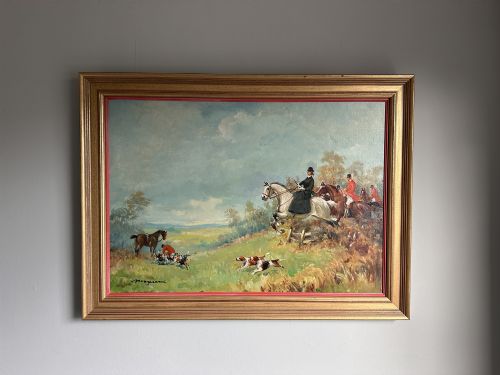
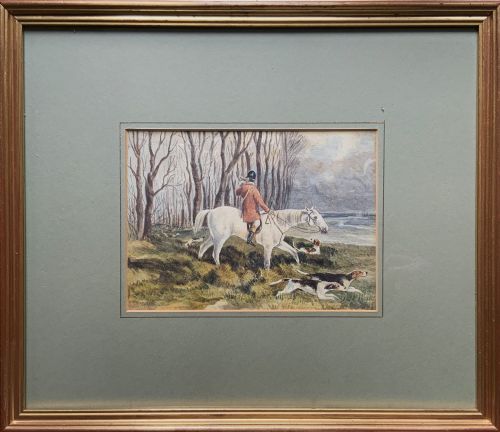
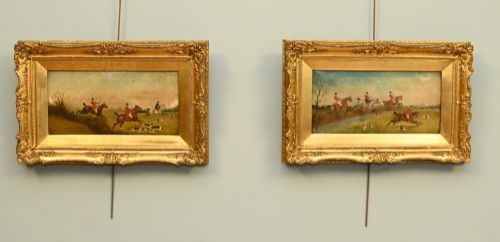
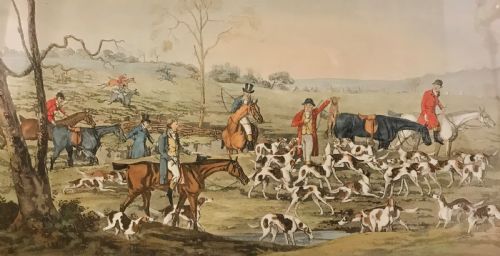
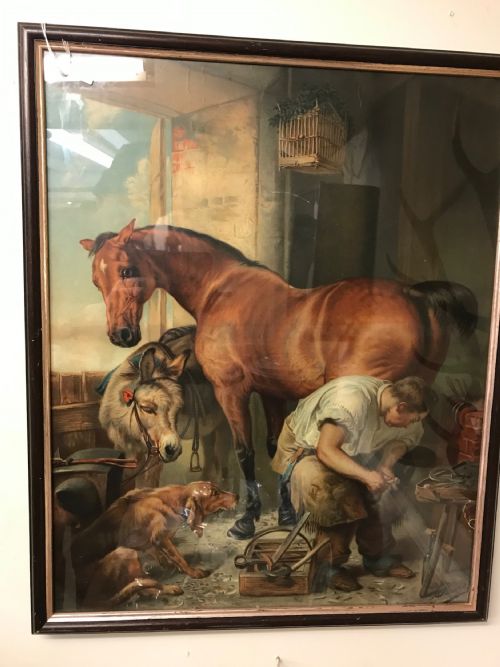
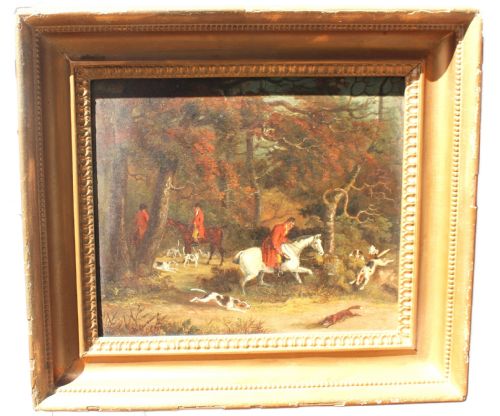
A framed horse hound picture captures the traditions of the hunt, featuring horses, riders, and hounds across various periods. These works centre on equine and sporting subjects, ranging from early nineteenth-century compositions to mid-century British school pieces.
Buyers will encounter oil paintings, watercolours, hand-coloured engravings, and lithographs within this selection. Styles span from Georgian and Victorian sporting art through to Edwardian and mid-century interpretations.
Subjects often focus on fox hunting scenes, huntsmen with packs, and landscape views involving horses. The execution varies from detailed oils on canvas to delicate works on paper secured beneath glass.
Materials and Techniques
Many of these works utilise oil paint applied to canvas or wood panels, often housed in gold leaf or gilt wood frames. Watercolours and inks on paper appear frequently, protected behind glass.
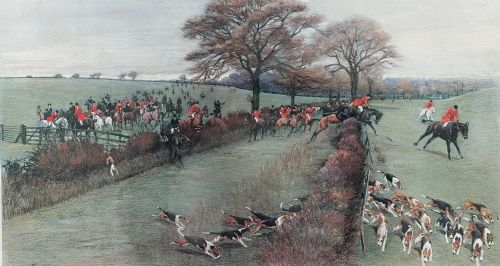
Print techniques such as hand-coloured engravings and lithographs provided accessible reproductions of popular sporting subjects during the nineteenth and early twentieth centuries. Original photographic prints also document huntsmen on horseback from the Victorian era.
Framing typically employs traditional wood mouldings, occasionally accented with gold leaf, to complement the period aesthetic of the artwork within.
Framed Horse Hound Picture Retail Price Guide 2026
Typical asking prices for framed horse hound picture among the pieces listed under this phrase on Sellingantiques today, from the lower quarter to the upper quarter. They describe what is for sale here now, not the wider market.
Some hounds appear far more interested in the surrounding landscape than the actual chase.
Assessing Quality and Execution
The distinction between pieces rests upon the artist's ability to render the dynamic anatomy of horses and the alertness of hounds in motion. Superior works display confident brushwork or precise engraving lines that convey the urgency of the chase.
Condition of the medium significantly influences the character of the piece, whether oil on canvas, watercolour on paper, or antique print. Original frames matching the period of the artwork enhance the integrity of the piece.
Cecil Charles Windsor Aldin·Edwin Henry Landseer·John Sanderson-Wells·Heywood Hardy·Guillaume Urban Régamey·George Goodwin Kilburne
The Framed Horse Hound Picture Glossary
- Oil on Canvas
- Pigments suspended in a drying oil applied to a stretched fabric support. This traditional medium allows for rich colour depth and textured brushwork.
- Watercolour
- A painting method where fine pigment is suspended in a water-based solution on paper. It creates transparent washes of colour often seen in nineteenth-century sporting works.
- Hand-Coloured Engraving
- An intimation print pulled from a metal plate where colour is applied by hand afterwards. These prints combine sharp engraved lines with subtle tints.
- Lithograph
- A planographic printing process using a flat stone or metal plate. It enables the reproduction of detailed illustrative artwork.
- Gilt Wood
- Wood treated with a thin layer of gold leaf or metallic powder. It provides a decorative and protective border for traditional paintings and prints.
Framed Horse Hound Picture: Frequently Asked Questions
How are these pictures typically framed?
Most pieces are preserved in wood or gilt wood frames that reflect the period of their creation. These frames often complement the traditional subject matter of equestrian pursuits.
Buyers should examine the frame to ensure it suits the proportions of the artwork and maintains its structural integrity over time.
What is the difference between an oil painting and an engraving here?
Oil paintings on canvas offer textured brushwork and unique artist execution, typically representing high-value primary works. Engravings provide detailed, reproducible imagery that was widely circulated during the nineteenth century.
Both mediums capture similar sporting themes but offer distinct visual textures on the wall.
How do I care for antique watercolours on paper?
Works on paper require protection from direct sunlight to prevent fading of the pigments and discolouration of the paper support. Keeping them away from excessive moisture preserves both the artwork and the surrounding mount.
Glazing helps shield the delicate paper surface from dust and environmental pollutants.
What periods do these sporting artworks cover?
The selection spans from the early nineteenth century through the Victorian and Edwardian eras, extending into mid-century British school interpretations. Each era brings distinct stylistic approaches to depicting horses and hounds.
Earlier pieces often reflect Georgian and early Victorian sporting traditions.