

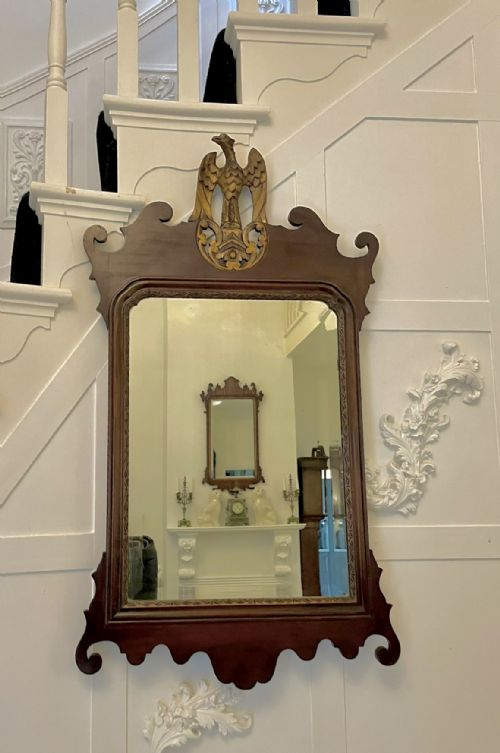
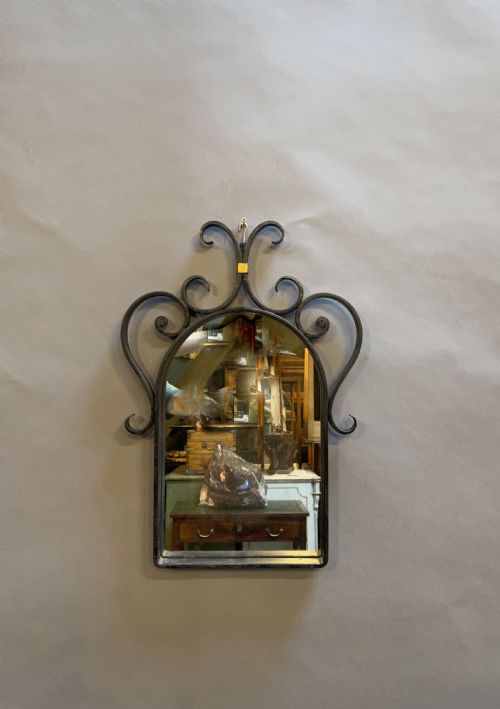


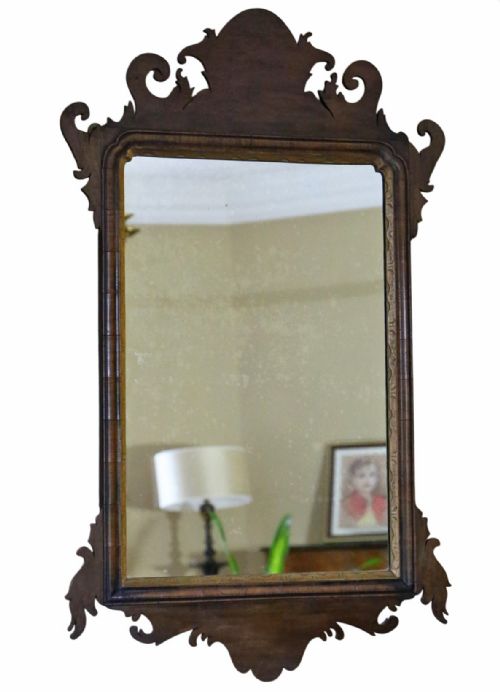
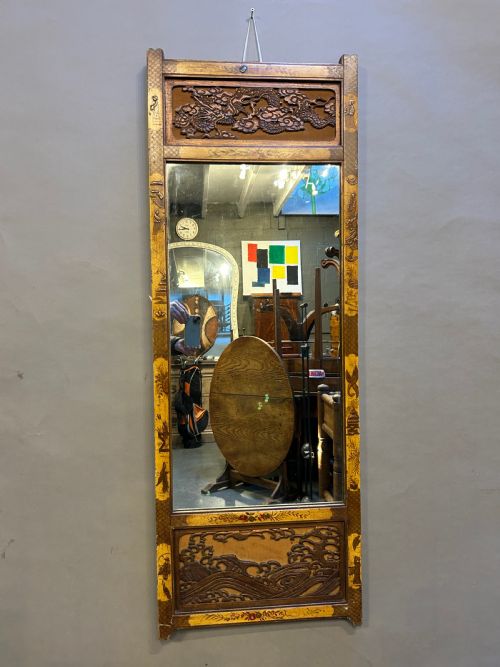
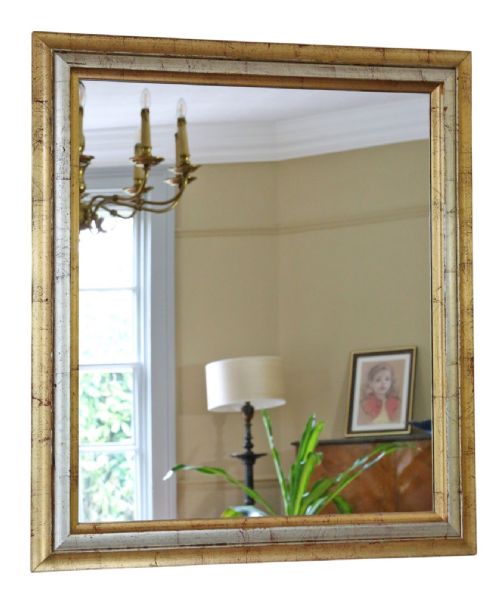
Traditional Hanging Mirror
A traditional hanging mirror brings depth and historic character to a room, offering functional reflection alongside period craftsmanship.
Traditional Hanging Mirror
When you search for a traditional hanging mirror, you encounter wall-mounted pieces spanning the Georgian, Regency, Victorian, and Edwardian periods. The selection includes architectural overmantles, pier mirrors, and fret-cut frames designed to hang securely in domestic interiors.
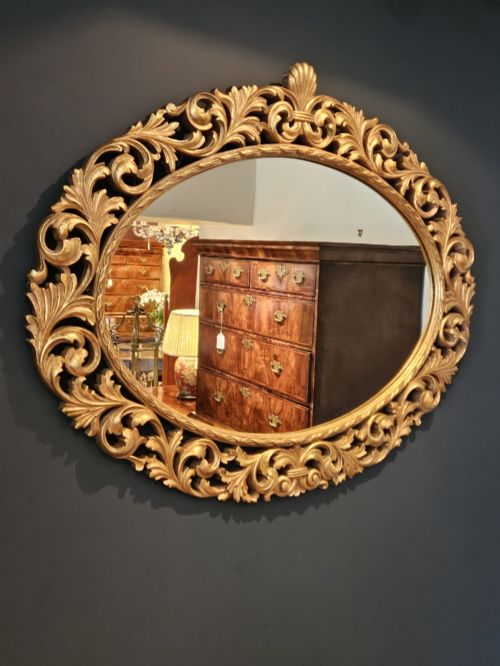
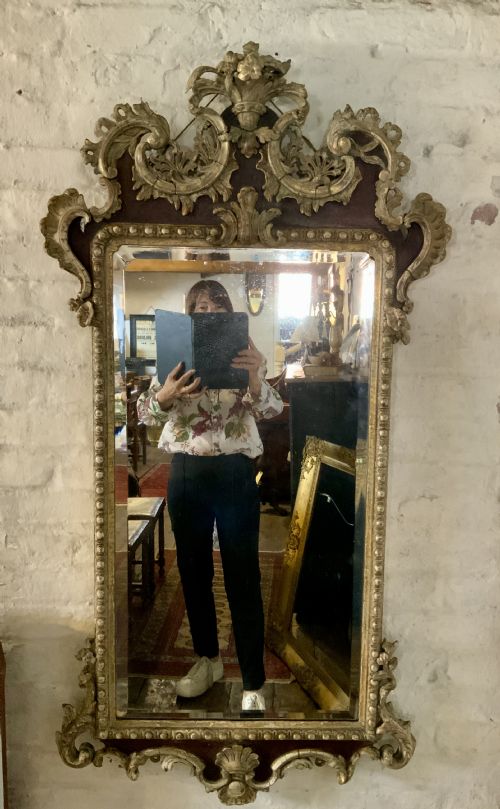
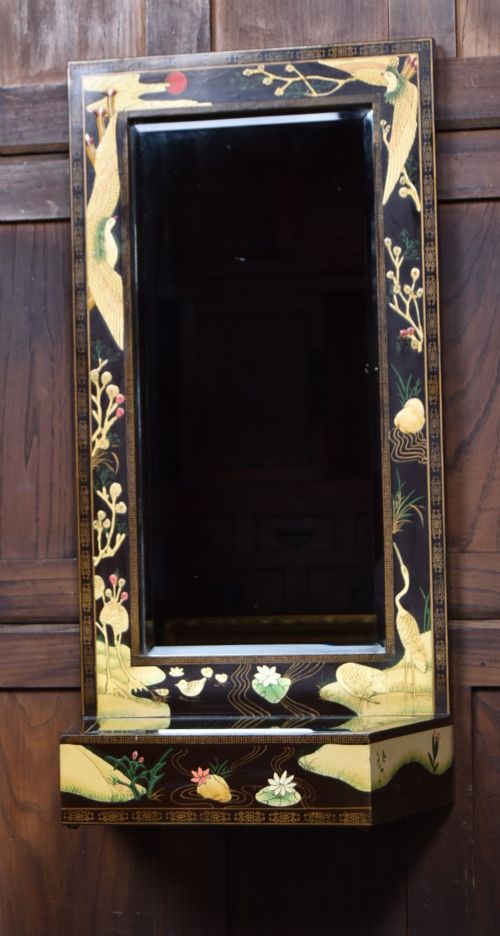
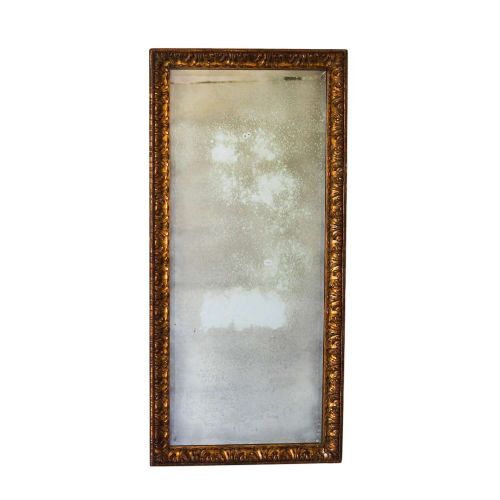
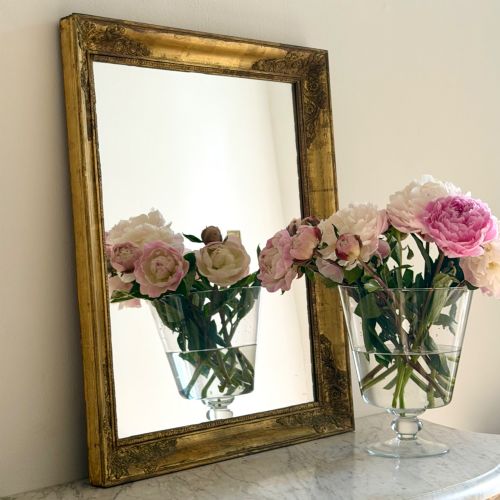
Most examples you meet on this page date from the nineteenth and early twentieth centuries, employing timber frames, giltwood, and gesso. Formats range from carved oval and rectangular shapes to Chinoiserie lacquered designs and walnut fretwork.
Makers and craftsmen of these periods adapted historic styles, producing revival pieces that emulate earlier Georgian and George II aesthetics. These mirrors function as primary focal points on living room and hallway walls.
Materials and construction techniques
Makers constructed the primary frames from solid hardwoods including walnut, mahogany, oak, and rosewood, often applying detailed carvings directly into the timber. Giltwood and gesso finishes required layered preparation over wood bases before applying gold leaf or paint.
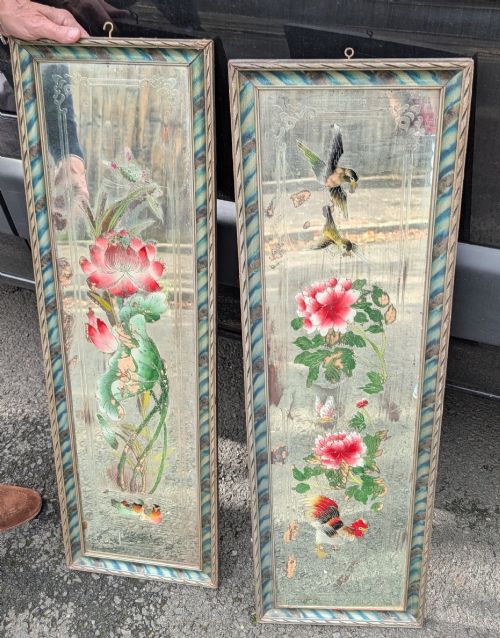
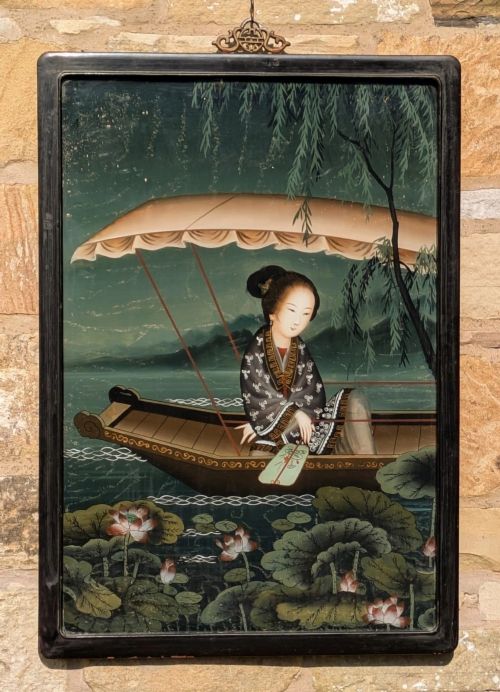
Reflecting surfaces typically consist of silvered mirror glass, occasionally accompanied by reverse painting on glass or decorative etching. Fret-cut components were hand-sawn and assembled with traditional joinery methods suited to wall suspension.
Current listings feature pieces spanning the Georgian, Regency, Victorian, and Edwardian periods, utilising materials such as giltwood, walnut, mahogany, and gesso.
Distinguishing quality across periods
The standard of carving and the depth of the gilding separate standard examples from finer works. Crispness in the foliage, scrollwork, or fret-cut edges indicates skilled hand-tooling rather than mass production.
The integrity of the frame construction and the preservation of original mirror glass influence the overall character. Elements such as parcel gilt accents, reverse painted panels, and period-appropriate timber grain elevate the piece.
The Traditional Hanging Mirror Glossary
- Giltwood
- Wood carved and coated with gold leaf or gold paint. This finish defines many formal wall mirrors from the Georgian and Victorian eras.
- Gesso
- A plaster-like mixture applied to wooden frames as a base for gilding or painting. It allows for intricate moulded relief work.
- Pier Mirror
- A tall mirror specifically designed to hang on the wall space between windows. These pieces often feature matching console tables.
- Fret Cut
- Woodwork shaped using a fretsaw to create intricate openwork patterns. It appears frequently on walnut and mahogany frames from the eighteenth and early twentieth centuries.
- Chinoiserie
- European decorative style reflecting Chinese artistic influences. It manifests in lacquered frames and painted glass panels.
Traditional Hanging Mirror: Frequently Asked Questions
Where should I hang a heavy mirror?
Heavy wall mirrors require secure attachment to structural wall studs or appropriate masonry fixings to bear the combined weight of the timber and glass safely.
Positioning them at eye level or above a mantelpiece ensures the piece anchors the room visually while remaining balanced.
How do I identify a Georgian style mirror?
Georgian and revival pieces typically feature symmetrical walnut or mahogany frames, often incorporating fret-cut scrolls and gilded accents. Proportions remain classical and balanced.
Earlier examples display hand-cut joinery and aged patination on the timber surfaces that set them apart from later reproductions.
Can I clean antique mirror glass?
Antique glass benefits from gentle cleaning with a soft, dry cloth to remove dust without disturbing the silvering behind the plate. Avoid harsh chemical cleaners that can seep behind the edges and damage the original backing.
Preserving the natural foxing and minor imperfections maintains the historical integrity of the piece.
What is an overmantle mirror?
An overmantle mirror is a large wall-mounted glass specifically scaled to hang directly above a fireplace mantel. These pieces reflect light across the room and visually expand the living space.
They often feature wider horizontal proportions and ornate giltwood or gesso frames suited to formal reception rooms.