

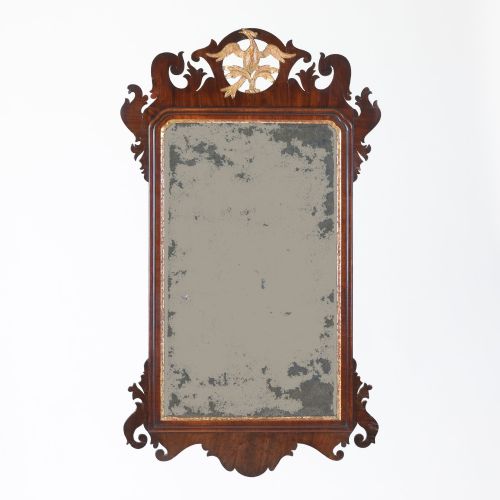
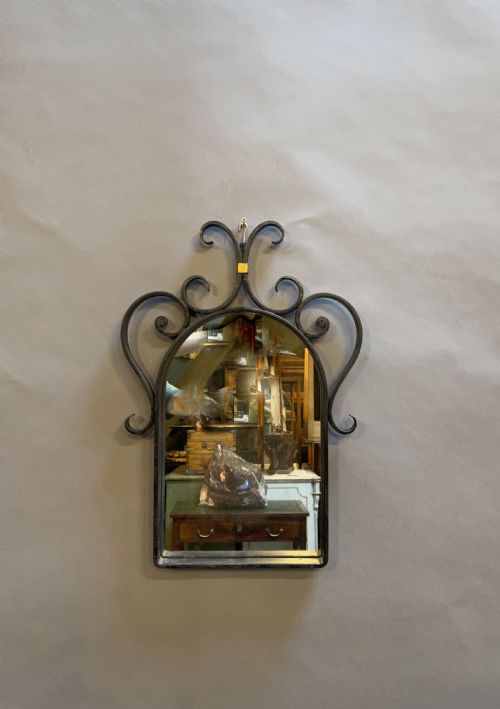
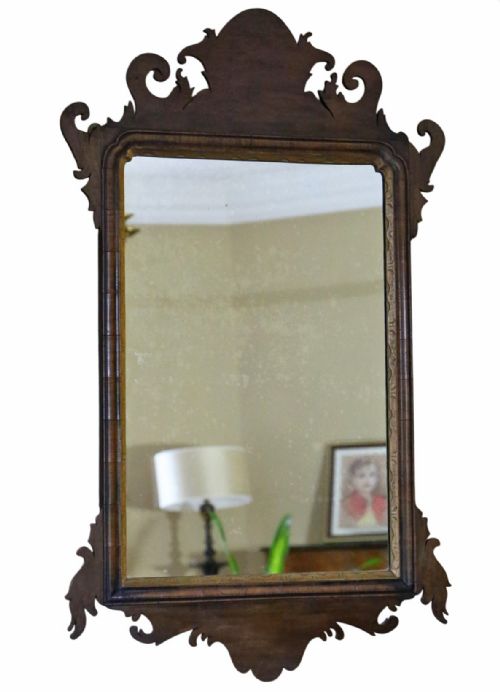


Scrolled Frame Mirror
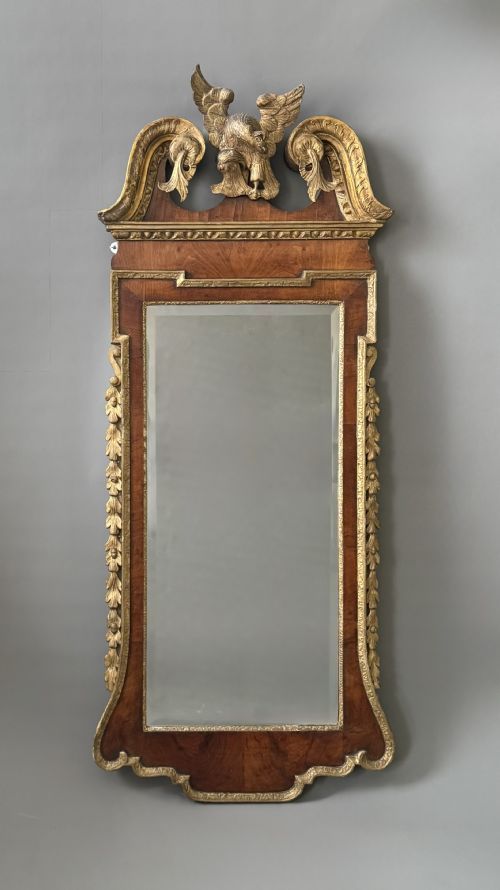
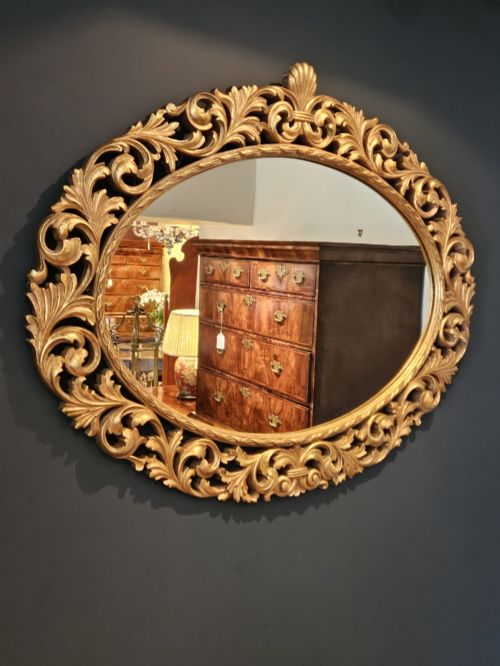
A scrolled frame mirror brings organic movement and historical depth to a room, offering reflective brilliance wrapped in intricate timber or gilded carving.
Scrolled Frame Mirror
A scrolled frame mirror is defined by its sweeping, ornamental outlines, drawing heavily on eighteenth-century design principles and later revivals. Buyers seeking this form will encounter wall mirrors, overmantels, and pier glasses spanning several centuries of craftsmanship.
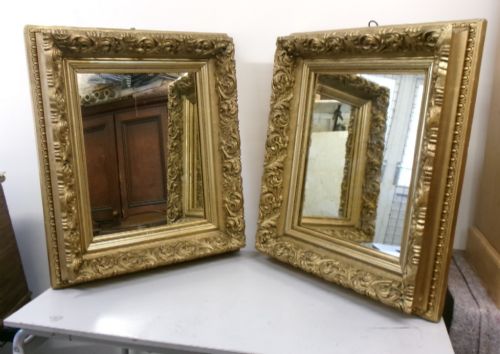
The pieces available originate across English, French, and Italian traditions, ranging from genuine eighteenth-century examples to later twentieth-century interpretations. Walnut and mahogany feature prominently alongside heavily gilded frames that showcase classical proportions and fluid silhouettes.
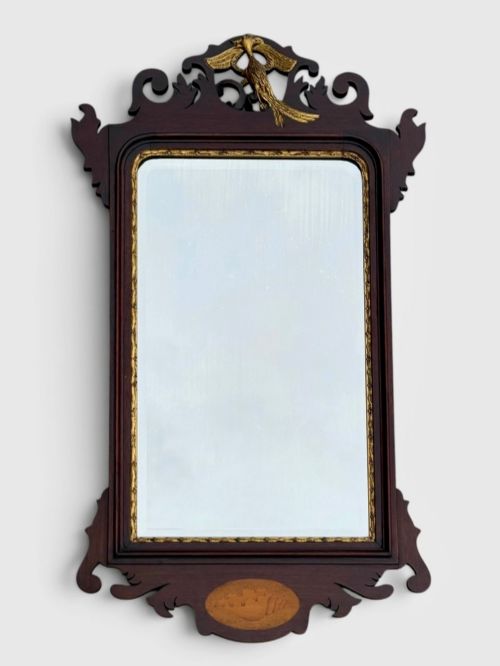
Overmantel mirrors and console pairings provide larger focal points for reception rooms, while smaller fret-cut wall mirrors suit more intimate spaces. Each iteration retains the characteristic flourishes and organic curves that mark out the scrolled aesthetic.
Materials and construction
Makers shaped these frames from solid timbers such as mahogany and walnut, frequently applying fine veneers or carved details directly to the wood. Gesso and gold leaf were then applied over timber or base layers to achieve the brilliant gilded surfaces seen on Rococo and revival pieces.
Mirror glass plates varied in production, some featuring hand engraving or bevelled edges that reflect light with subtle distortions. Fretwork techniques allowed artisans to cut intricate, lightweight patterns into mahogany and walnut panels, particularly during the Georgian periods.
The inventory includes specialised forms such as French cushion mirrors, Italian Rococo wall pieces, and Irish Regency overmantels.
Assessing quality and execution
Quality rests in the crispness and depth of the carving, where master hands achieved fluid, naturalistic scrolls rather than flat or rigid contours. The articulation of specific motifs, such as the carved birds or floral flourishes, distinguishes superior craftsmanship from simpler production.
The integration of the mirror glass within the frame also dictates overall standard, with period-correct plates and original gilding holding greater authenticity. Weight and timber selection further separate robust, finely figured pieces from lighter decorative alternatives.
The Scrolled Frame Mirror Glossary
- Fret-cut
- A decorative technique where thin timber is pierced and shaped with a fretsaw to create intricate geometric or organic patterns. This method defines many lighter wall mirrors from the Georgian periods.
- Giltwood
- Timber that has been coated with a thin layer of gold leaf over a prepared gesso base. It provides a luminous, durable surface characteristic of high-status mirrors.
- Pier glass
- A tall mirror designed specifically to hang on the wall space between windows. These pieces often sat above matching console tables to maximise interior light.
- Overmantel mirror
- A large horizontal looking glass built to be positioned directly above a fireplace mantelpiece. They anchor the room's proportions and reflect surrounding furniture.
- Rococo
- An exuberant artistic style marked by asymmetrical C-scrolls, shell motifs, and natural forms. It heavily influenced the carved frames of the eighteenth century and later revivals.
Scrolled Frame Mirror: Frequently Asked Questions
Where should I hang a scrolled frame mirror?
These mirrors suit principal reception rooms, hallways, and above mantelpieces where their reflective qualities can amplify natural light.
Larger overmantel variants anchor a chimney breast, while slender pier glasses fit neatly between architectural windows.
How do I distinguish an eighteenth-century original?
Authentic period pieces show hand-carved depth in the timber and signs of age within the mirror plate itself.
Construction methods, such as traditional joinery and period-specific secondary woods, also help confirm the age of the frame.
How do I clean an antique giltwood frame?
Giltwood requires delicate care, using only a very soft, dry brush to gently remove accumulated dust from the intricate carved scrolls.
Moisture and modern chemical cleaners must be avoided entirely to protect the fragile gold leaf and underlying gesso layers.