


Chippendale Looking Glass
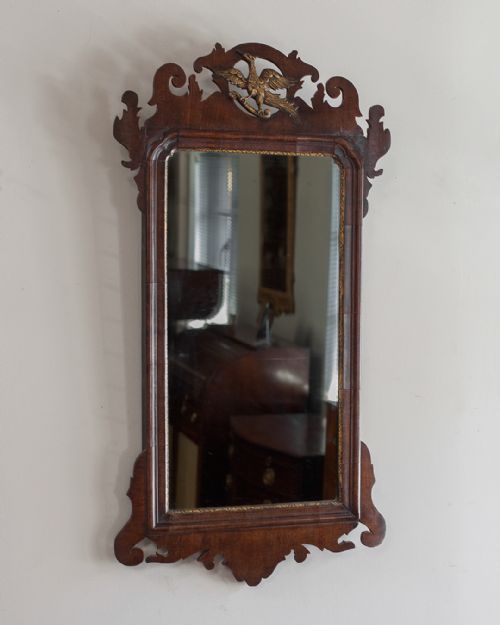
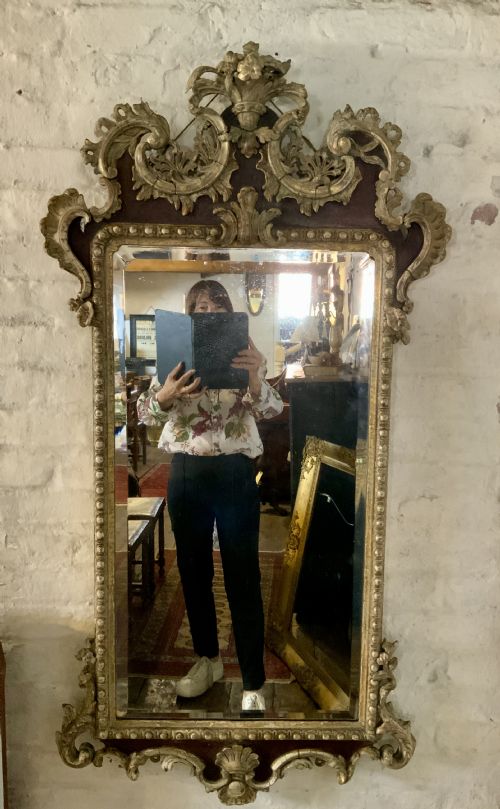
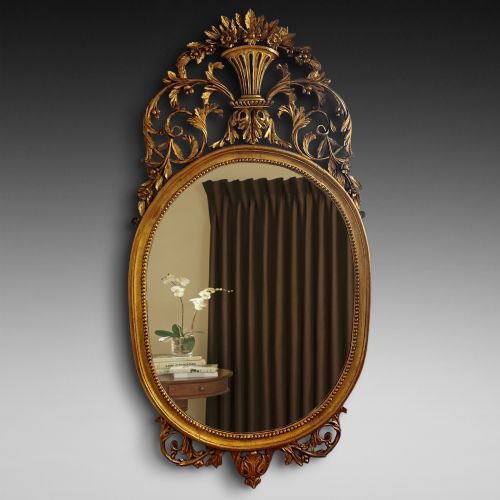
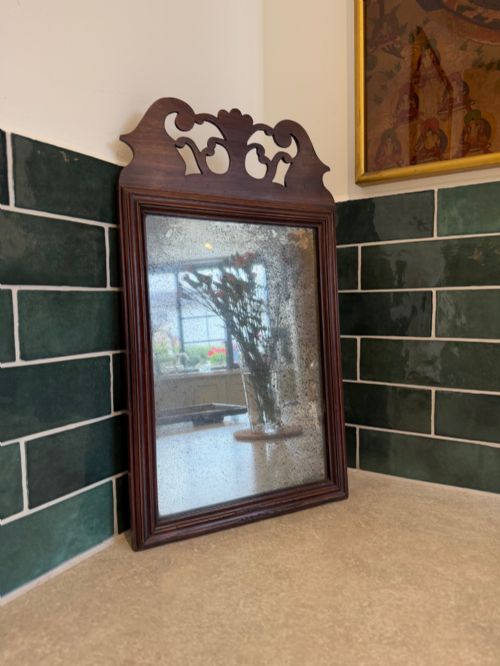
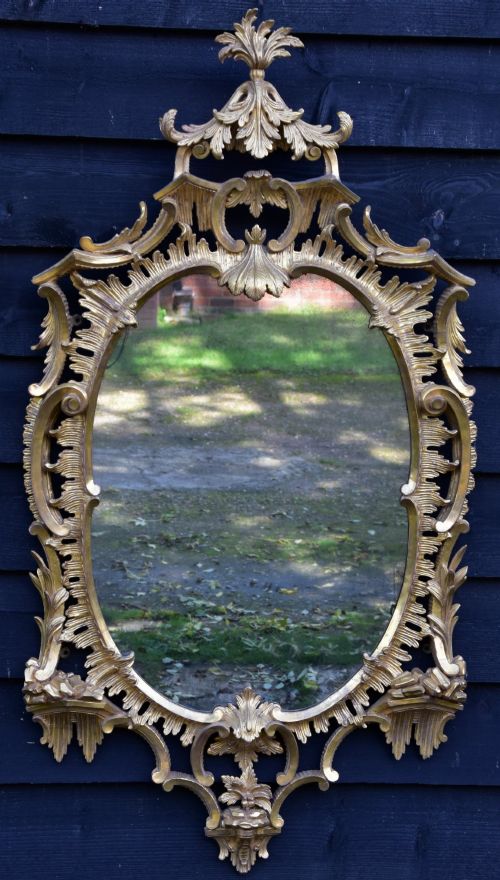
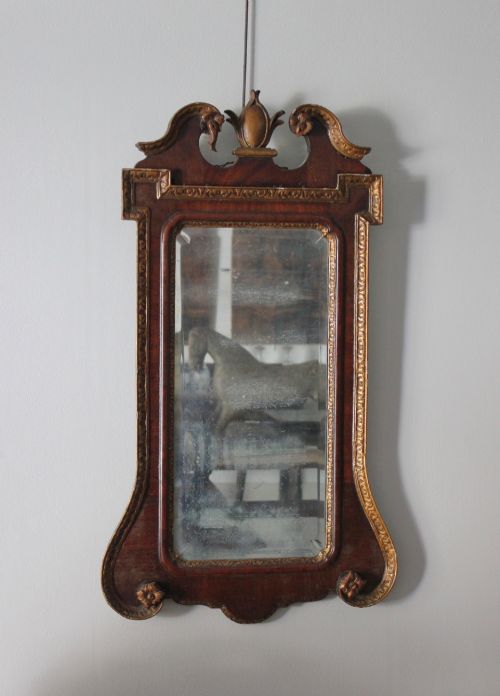
These chippendale looking glass pieces bring eighteenth-century elegance into a room through pierced mahogany frames, carved giltwood, and classical proportions.
Chippendale Looking Glass
A chippendale looking glass is a wall mirror characterised by fretwork frames, scrolling foliage, and symmetrical or asymmetric rococo outlines. These pieces span eighteenth-century originals from the Georgian period alongside later revival interpretations made in the nineteenth and twentieth centuries.
The versions most commonly met on this page include mahogany fretwork frames with gilt slips and parcel-gilt walnut designs. Wall mirrors dominate the selection, reflecting the domestic interior fashions of the Georgian and Edwardian eras.
Makers and craftsmen of the period drew upon design books to produce these hanging wall mirrors for formal parlours and hallways. Surviving examples demonstrate the enduring appeal of carved wood and mirrored glass within historic and modern settings.
Materials and construction
Carvers shaped solid mahogany, walnut, and sycamore into intricate fretwork patterns using hand saws and chisels. Timber selection mattered greatly, as straight-grained mahogany allowed for delicate pierced scrolls without fracturing.
Giltwood surfaces received layers of gesso before application of gold leaf, creating a brilliant reflective contrast against the dark timber frames. Parcel-gilt details highlighted specific carved motifs such as pheasants, scrolls, and floral drops.
Many fretwork frames conceal subtle carpenter's alignment marks carved on the reverse to guide assembly.
Assessing craftsmanship and finish
The crispness of the wood carving dictates the standard of a chippendale looking glass, separating master workshops from provincial joinery. Sharp interior angles in the fretwork and deeply undercut foliage denote superior handwork.
The quality of the gilding and the preservation of the original mirrored glass plate contribute significantly to the piece. Hand-beveled Vauxhall plates and intact gold leaf demonstrate original integrity.
The Chippendale Looking Glass Glossary
- Fretwork
- Openwork patterns carved or pierced through thin timber boards. This technique defines the silhouette of many eighteenth-century frames.
- Parcel-gilt
- Partially gilded woodwork where gold leaf highlights specific carved details against a contrasting wood background.
- Giltwood
- Timber carved and coated with gold leaf applied over a prepared gesso ground. It provides a bright metallic finish.
- Vauxhall plate
- Early mirrored glass produced with a distinct bevel and slight imperfections typical of historic manufacturing methods.
- Rococo
- An ornate design style marked by asymmetric scrolls, C-scrolls, and naturalistic shell or plant motifs prevalent in the mid-eighteenth century.
Chippendale Looking Glass: Frequently Asked Questions
What defines a genuine period chippendale looking glass?
Authentic period pieces display eighteenth-century construction techniques, such as pinned mortise and tenon joints and hand-cut fretwork patterns.
Examination of the timber backing and the ageing of the mirror plate further help distinguish period originals from later revivals.
Where should I hang a wall mirror of this style?
These mirrors suit formal reception rooms, above mantelpieces, or as focal points in entrance hallways where light can be reflected.
Ensure the wall fixings safely support the weight of the solid timber and carved frame.
How do I care for giltwood and mahogany frames?
Dust the carved surfaces gently with a soft, dry brush to prevent accumulation in the intricate recesses of the fretwork.
Avoid liquid cleaners and direct sunlight, which can damage historic gilding and dry out walnut or mahogany timber.
What is the difference between Georgian and revival pieces?
Georgian originals date from the eighteenth century and exhibit period-specific tool marks, timber oxidation, and hand-beveled glass.
Revival pieces, made during the Edwardian era or around nineteen-twenty, replicate these classical styles using machinery alongside traditional hand-finishing.